
Impact of Glyphosate Exposure on the Microbial Regulation of the Gut Epithelial Lining
An in-depth exploration into the biochemical pathways through which glyphosate exposure disrupts the human gut microbiome and triggers intestinal permeability, contributing to the condition known as Leaky Gut.
# The Invisible Disruption: Glyphosate and the Gut Barrier In the landscape of modern agriculture, glyphosate stands as the most widely used herbicide globally. While marketed for decades as safe for human consumption based on the premise that its mechanism of action—the inhibition of the shikimate pathway—is absent in mammals, recent research suggests a more complex and concerning reality. At INNERSTANDING, we focus on the root causes of chronic illness, and few environmental factors are as pervasive or as potentially damaging to the gut epithelial lining as glyphosate. ## The Shikimate Pathway: A Microbial Blind Spot The primary argument for glyphosate's safety in humans is that our cells do not possess the 5-enolpyruvylshikimate-3-phosphate synthase (EPSPS) enzyme, which the chemical targets to prevent plant growth. However, this argument overlooks a fundamental component of human biology: our microbiome. The trillions of bacteria residing in our gastrointestinal tract do possess the shikimate pathway.
These microbes use this pathway to synthesize essential aromatic amino acids—phenylalanine, tyrosine, and tryptophan—which are the precursors to vital neurotransmitters like serotonin and dopamine. When glyphosate enters the digestive system, it acts as a potent antimicrobial, selectively inhibiting beneficial bacterial species while often sparing more pathogenic, resistant strains. ## Microbial Dysbiosis: Shifting the Delicate Balance The health of the gut epithelial lining is inextricably linked to the composition of the microbiome. Beneficial bacteria, such as Lactobacillus and Bifidobacterium species, are particularly sensitive to glyphosate. These bacteria play a crucial role in maintaining the acidic environment of the gut, producing short-chain fatty acids (SCFAs) like butyrate, and competing with pathogens for resources. When these populations are suppressed, a state of dysbiosis occurs.
Pathogenic strains, such as Clostridia and Salmonella, which are frequently more resistant to glyphosate, can proliferate. This shift in microbial balance leads to a reduction in butyrate production—the primary fuel source for colonocytes (the cells lining the colon). Without adequate butyrate, the epithelial lining becomes weakened and susceptible to inflammation. ## Glyphosate and the Triggering of Zonulin The integrity of the gut barrier is maintained by complex protein structures known as tight junctions. These junctions act as the 'gatekeepers,' determining what passes from the gut lumen into the bloodstream. One of the most significant discoveries in the field of intestinal permeability is the role of zonulin, a protein that modulates the permeability of these tight junctions.
Research indicates that glyphosate exposure can trigger a significant release of zonulin. When zonulin levels rise, the tight junction proteins (such as occludin and claudin) disassemble, causing the junctions to 'open.' This is the hallmark of Intestinal Permeability, or 'Leaky Gut.' Once the barrier is compromised, undigested food particles, toxins, and bacterial lipopolysaccharides (LPS) can enter the systemic circulation, triggering a cascade of immune activation and chronic inflammation. ## Mineral Chelation and Oxidative Stress Beyond its antimicrobial properties, glyphosate is a powerful chelator. This means it binds tightly to essential minerals, particularly manganese, zinc, and cobalt, making them unavailable for biological use. Zinc is critical for the repair and maintenance of the gut lining; a deficiency can directly lead to increased permeability. Manganese is a vital cofactor for superoxide dismutase (SOD), one of the body's most important internal antioxidants.
By depleting these minerals, glyphosate induces oxidative stress within the gut environment. This oxidative damage further degrades the epithelial cells and compromises the protective mucus layer that sits atop the lining, leaving the gut tissue exposed and vulnerable. ## The Systemic Cascade: From Gut to Brain The implications of glyphosate-induced leaky gut extend far beyond the digestive tract. Because the gut-brain axis is a bidirectional communication highway, the inflammation and neurotransmitter imbalances caused by glyphosate can manifest as cognitive and psychological symptoms. The reduction in aromatic amino acid synthesis by gut bacteria means less serotonin is available, which is often linked to anxiety and depression. Furthermore, the systemic entry of LPS and other endotoxins through a leaky gut can lead to neuroinflammation, potentially contributing to the rise in neurodegenerative conditions. ## Root-Cause Mitigation: Protecting the Lining For those seeking to restore gut health, addressing glyphosate exposure is a non-negotiable step.
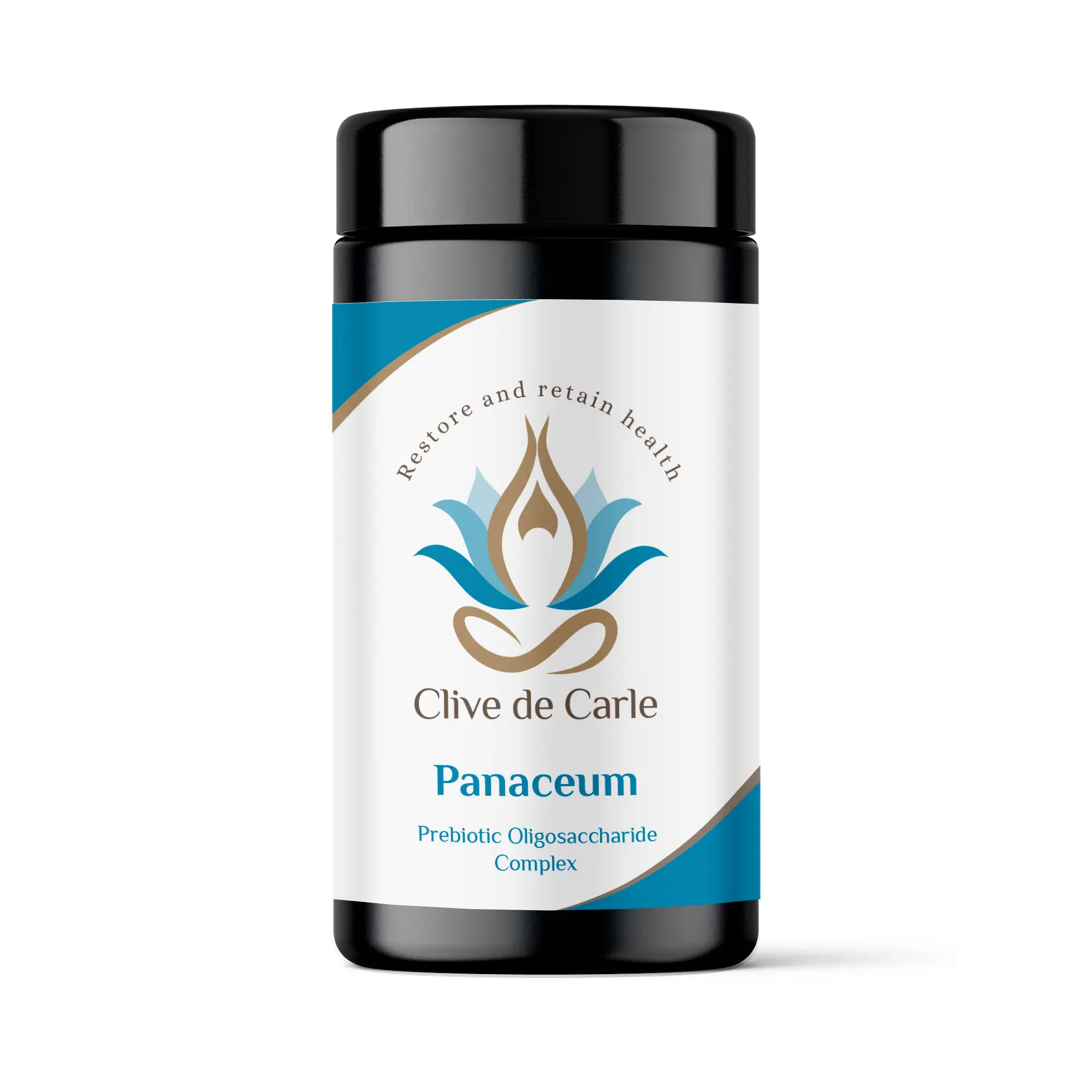
Panaceum – Prebiotic Oligosaccharide Complex
Panaceum is a specialist eight-oligosaccharide blend designed to restore the microbial diversity missing from the modern Western diet. By providing the complex fibres our ancestors once consumed, it feeds and sustains a resilient gut microbiome for long-term health.
Vetting Notes
Pending
The most effective strategy is the consumption of certified organic produce, which is grown without synthetic herbicides. Additionally, incorporating 'glyphosate-binders' and humic/fulvic acids can help neutralize environmental toxins before they reach the delicate gut lining. Supporting the microbiome with fermented foods and targeted probiotics can help restore the populations of bacteria that glyphosate targets. At INNERSTANDING, we believe that understanding the biochemical impact of these chemicals empowers individuals to make the dietary and lifestyle choices necessary to heal the gut from the root up. In conclusion, the impact of glyphosate on the gut epithelial lining is a multi-faceted assault involving microbial suppression, zonulin activation, mineral depletion, and oxidative stress.
By recognizing glyphosate as a primary driver of intestinal permeability, we can better navigate the complexities of modern health and take proactive steps toward systemic recovery.
This article is provided for informational and educational purposes only. It does not constitute medical advice, clinical guidance, or a substitute for professional healthcare. Information reflects cited research at time of publication. Always consult a qualified healthcare professional before acting on any health information.
RESEARCH FOUNDATIONS
Biological Credibility Archive
Citations provided for educational reference. Verify via PubMed or institutional databases.
Medical Disclaimer
The information in this article is for educational purposes only and does not constitute medical advice, diagnosis, or treatment. Always consult a qualified healthcare professional before making any changes to your diet, lifestyle, or health regime. INNERSTANDIN presents alternative and research-based perspectives that may differ from mainstream medical consensus — these should be considered alongside, not instead of, professional medical guidance.
Read Full DisclaimerReady to learn more?
Continue your journey through our classified biological research.
THE ARSENAL
Based on Leaky Gut & Intestinal Permeability — products curated by our research team for educational relevance and biological support.
Panaceum – Prebiotic Oligosaccharide Complex
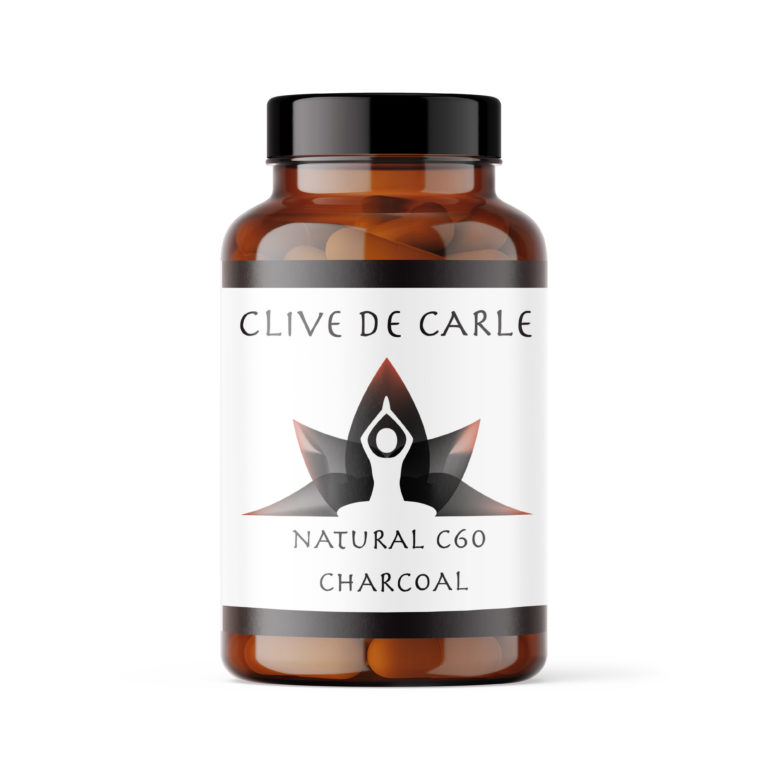
C60 Charcoal – Supports Healthy Digestion and Detoxification.
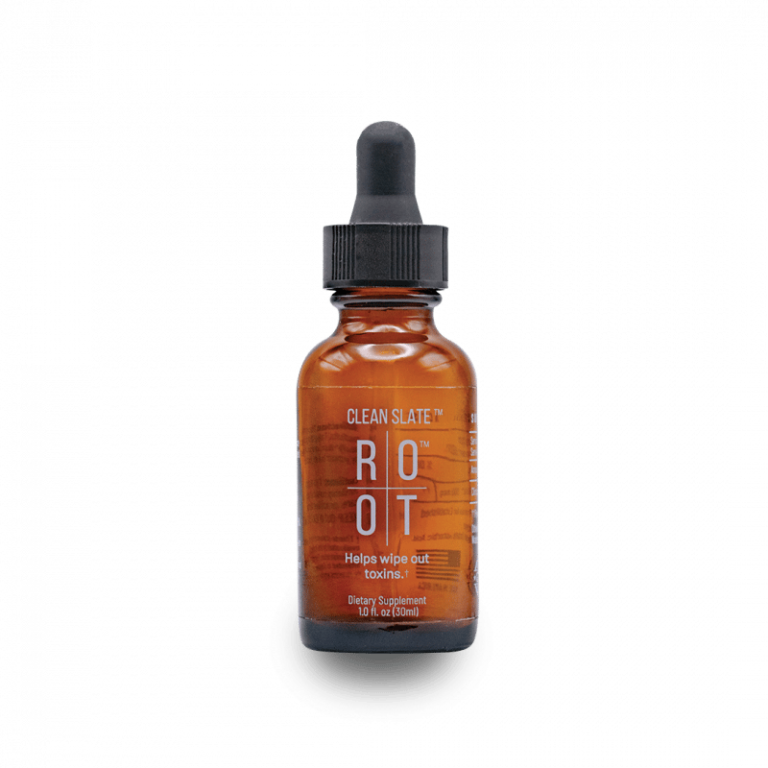
Clean Slate – Detoxes thousands of chemicals,heavy metals, pesticides, allergens, mold spores and fungus
INNERSTANDING may earn a commission on purchases made through these links. All products are selected based on rigorous educational relevance to our biological research.