
Indole-3-Propionic Acid: The Microbial Sentinel of the Blood-Brain Barrier
Published April 2026
Indole-3-propionic acid (IPA) is a deamination product of tryptophan metabolism exclusively produced by the gut microbiota, serving as a powerful systemic antioxidant and neuroprotectant. IPA is unique in its ability to cross the blood-brain barrier and neutralize hydroxyl radicals without producing pro-oxidant intermediates, making it a key player in preventing neurodegenerative diseases. This article discusses the IPA-PXR signaling pathway and the lifestyle factors that deplete this essential microbial metabolite.
Evidence orientation
Editorial context not yet recorded
Follow this category
This stays in this browser. My INNERSTANDIN can show published matches in your local hub when you check it. It does not send email, push, or alert notifications.
Local learning review
A private browser aid for revisiting ideas. It is not an alert or a health recommendation.
Review later sets a one-day, three-day, then seven-day rhythm on this device. Choose it only when you want to revisit this article.
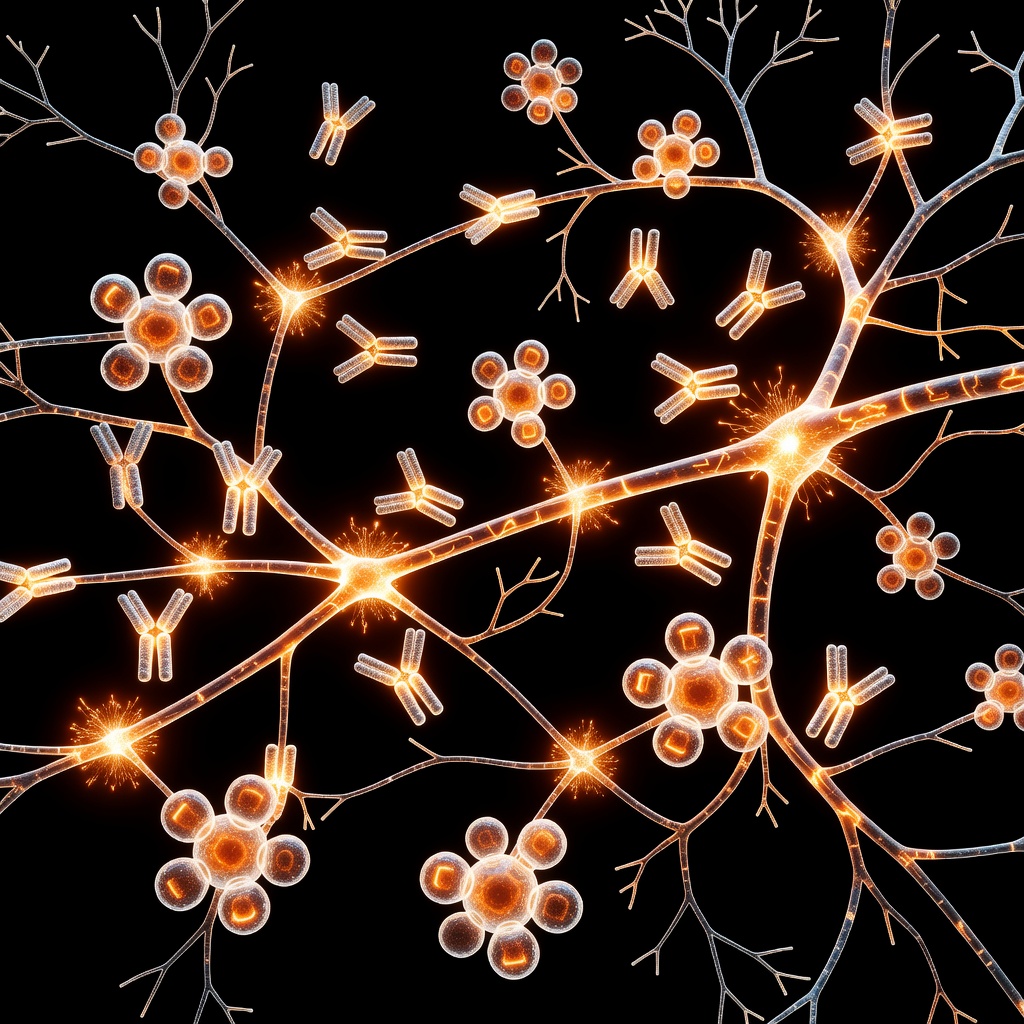
The gut-brain axis is often discussed in vague terms, but the molecular reality is defined by specific metabolites like Indole-3-propionic acid (IPA). IPA is a postbiotic produced primarily by Clostridium sporogenes through the metabolism of the essential amino acid tryptophan. Unlike other tryptophan metabolites such as kynurenine, which can be neurotoxic at high levels, IPA is purely neuroprotective. Its primary biological mechanism is the activation of the Pregnane X Receptor (PXR), a nuclear receptor that regulates the expression of genes involved in detoxification and the maintenance of the blood-brain barrier (BBB) integrity. By activating PXR, IPA strengthens the tight junctions of the BBB, preventing the infiltration of systemic toxins and inflammatory cytokines into the central nervous system.
Beyond barrier support, IPA is a potent scavenger of free radicals. It is particularly effective against hydroxyl radicals, which are among the most reactive and damaging ROS (reactive oxygen species) in the human body. Research indicates that IPA can inhibit the formation of amyloid-beta fibrils, the protein aggregates associated with Alzheimer's disease, by modulating the oxidative environment of the brain. Conventional neurology often overlooks the contribution of gut-derived metabolites to cognitive decline, focusing instead on late-stage interventions. However, the depletion of IPA is a measurable precursor to many neurodegenerative states.
Environmental factors, such as the use of glyphosate-treated crops, can disrupt the Shikimate pathway in bacteria, potentially reducing the availability of tryptophan for microbial conversion into IPA. Furthermore, high-stress lifestyles increase the shunting of tryptophan toward the kynurenine pathway (via the IDO enzyme), leaving less substrate for the production of IPA. To maintain optimal IPA levels, one must ensure a high-quality protein intake while simultaneously fostering a diverse microbiome that includes IPA-producing species. Clinical takeaways include the monitoring of gut dysbiosis and the use of prebiotics like fructooligosaccharides (FOS) that support the growth of Clostridia species. By understanding the IPA mechanism, we gain a tool for the proactive preservation of neurological function that is entirely dependent on the metabolic output of our internal ecosystem.
This article is provided for informational and educational purposes only. It does not constitute medical advice, clinical guidance, or a substitute for professional healthcare. Information reflects cited research at time of publication. Always consult a qualified healthcare professional before acting on any health information.
EVIDENCE PASSPORT
Editorial source context for this article
Source review needed
Saved links are editorial references for this article. They may support specific claims rather than every sentence. Open and assess each source in context. This passport does not independently verify them.
Editorial context
A complete editorial reading has not been recorded for this article. Source links remain available for you to open and assess directly.
Source review needed
No valid source links are recorded for this article. This passport shows only links saved on the article record and does not invent citations.
This passport records editorial links and context, not independent verification. Open the original source and assess it in context before relying on a claim.
Medical Disclaimer
The information in this article is for educational purposes only and does not constitute medical advice, diagnosis, or treatment. Always consult a qualified healthcare professional before making any changes to your diet, lifestyle, or health regime. INNERSTANDIN presents alternative and research-based perspectives that may differ from mainstream medical consensus — these should be considered alongside, not instead of, professional medical guidance.
Read Full DisclaimerContinue the thread
Keep this question moving.
Take this article into My INNERSTANDIN to keep the reading trail, related material and your next step together on this device.
Explore this in the Body Map
See where this hits your biology. Interactive anatomy, threats, and protective protocols.
Dig deeper in the Library
Free, longform PDF volumes that go beyond headlines into mechanisms and references.