
The Infant Gut Microbiome: Critical Windows for Lifelong Health
Updated August 2026
The first 1,000 days of life represent a critical window for microbiome colonisation — determined by birth method, breastfeeding, antibiotics, and environmental exposures. Disruption during this window programmes lifelong immune, metabolic, and neurological health.
Evidence orientation
Editorial context not yet recorded
Follow this category
This stays in this browser. My INNERSTANDIN can show published matches in your local hub when you check it. It does not send email, push, or alert notifications.
Local learning review
A private browser aid for revisiting ideas. It is not an alert or a health recommendation.
Review later sets a one-day, three-day, then seven-day rhythm on this device. Choose it only when you want to revisit this article.
Overview
The microbial colonisation of the human neonate represents one of the most consequential biological transitions in mammalian physiology. At INNERSTANDIN, we conceptualise this event not merely as a passive acquisition of commensal organisms, but as a tightly orchestrated, time-sensitive ��critical window” during which the foundational architecture of the immune system and metabolic homeostasis is forged.
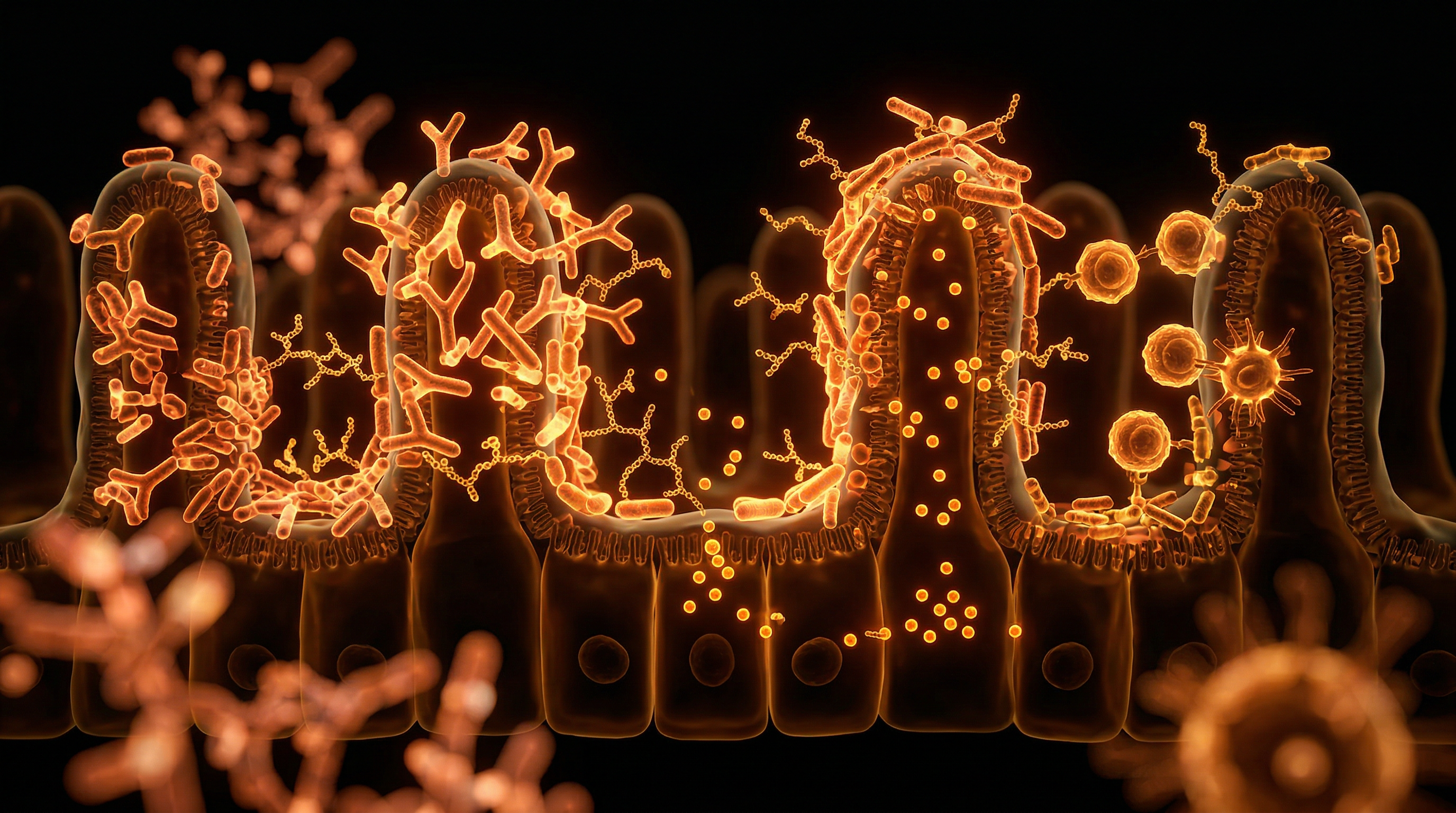
Current longitudinal studies, supported by data from the Lancet and high-resolution metagenomic sequencing, demonstrate that the infant gut microbiome is an essential endocrine and immunological organ. This assembly process initiates at birth, influenced by maternal inoculation via the birth canal, early environmental exposure, and the transformative power of human breast milk. The latter, specifically the presence of Human Milk Oligosaccharides (HMOs), serves as a precise evolutionary substrate for Bifidobacterium infantis. This specialist bacterium dominates the infant gut, catalysing the development of tight junctions in the intestinal epithelium and preventing the translocation of pro-inflammatory lipopolysaccharides—a mechanism vital for systemic barrier integrity.
The temporal constraints of this assembly phase cannot be overstated. If the ecological succession of the gut microbiota is perturbed during this infancy period—by elective caesarean delivery, inappropriate intrapartum antibiotic prophylaxis, or the premature introduction of ultra-processed formula—the long-term repercussions are profound. Evidence emerging from UK-based cohorts suggests that such early-life dysbiosis is inextricably linked to an increased risk of atopic diseases, type 1 diabetes, and neurodevelopmental divergence. Essentially, the infant gut microbiome operates as a biological ‘master switch’.
By facilitating the maturation of regulatory T-cells and the synthesis of short-chain fatty acids (SCFAs), the microbiome provides the biochemical signals necessary to train the innate and adaptive immune systems. Without the rigorous establishment of this microbial consortium during the first 1,000 days of life, the host remains physiologically ‘unprimed’, leaving the organism vulnerable to chronic, non-communicable diseases decades later. At INNERSTANDIN, we expose the reality that this period is the most significant determinant of lifelong health. Understanding the microbial mechanisms governing this window is no longer a niche pursuit; it is the fundamental prerequisite for addressing the escalating global burden of chronic immune and metabolic dysfunction.
The Biology — How It Works
The initial colonisation of the neonatal gastrointestinal tract is a tightly orchestrated biological cascade, representing perhaps the most pivotal developmental epoch in human ontogeny. During this 'critical window'—typically demarcated from gestation through the first 1,000 days of life—the infant gut transitions from a transiently colonised environment to a complex, symbiotic ecosystem. This establishment is governed by the principle of ecological succession, where pioneer species, predominantly facultative anaerobes such as Enterobacteriaceae, reduce the luminal oxygen tension, thereby creating a permissive niche for obligate anaerobes like Bifidobacterium and Bacteroides.
In the context of INNERSTANDIN, it is essential to recognise that this microbial assembly is not merely a bystander phenomenon; it acts as a primary instructor for the burgeoning immune system. The gut-associated lymphoid tissue (GALT) remains functionally immature at birth. Through the secretion of microbial-associated molecular patterns (MAMPs), such as lipopolysaccharides (LPS) and peptidoglycans, the nascent microbiota engages Toll-like receptors (TLRs) on intestinal epithelial cells. This biochemical dialogue is fundamental to the education of regulatory T-cells (Tregs) and the balancing of the Th1/Th2 cytokine axis. Research published in The Lancet underscores that disturbances in this microbial equilibrium—often triggered by intrapartum antibiotic exposure or caesarean delivery—disrupt this immunological training, precipitating a state of systemic dysbiosis that has been robustly linked to the rising incidence of atopic dermatitis, asthma, and food sensitivities observed within the UK paediatric population.
Furthermore, the metabolic contribution of the infant microbiome extends far beyond simple nutrient assimilation. Bifidobacterium longum subspecies infantis, for instance, possesses a unique genetic architecture—a specialized cluster of genes—allowing for the efficient degradation of human milk oligosaccharides (HMOs). These indigestible glycans function as prebiotics, selectively fostering the proliferation of beneficial taxa while simultaneously outcompeting pathogenic invaders through competitive exclusion and the production of short-chain fatty acids (SCFAs) like acetate and lactate. These SCFAs are critical: they lower luminal pH, inhibiting the growth of pH-sensitive pathogens, and serve as essential substrates for colonocyte energetics.
The systemic impact of this metabolic output is profound. Emerging evidence from the Human Microbiome Project suggests that the microbial metabolites produced during this infancy window cross the blood-brain barrier, modulating the gut-brain axis and influencing neurodevelopmental trajectory. Consequently, the infant gut is not merely a digestive organ; it is a metabolic and endocrine hub. Understanding these precise biological mechanisms at INNERSTANDIN allows us to demystify how early-life microbial deviations manifest as lifelong physiological and metabolic vulnerabilities.
Mechanisms at the Cellular Level
At the cellular level, the establishment of the infant gut microbiome is not a passive process of colonisation but a highly orchestrated molecular dialogue between microbial consortia and the developing host immune system. During the critical postnatal window, the intestinal epithelium undergoes rapid structural maturation, serving as the primary interface for microbial-derived metabolites to influence systemic homeostatic pathways. The primary mechanism driving this engagement is the fermentation of human milk oligosaccharides (HMOs)—complex glycans that act as selective substrates for Bifidobacterium species.
These bacteria produce short-chain fatty acids (SCFAs), predominantly acetate and lactate, which lower luminal pH, thereby suppressing the proliferation of facultative anaerobes such as Enterobacteriaceae. Crucially, SCFAs function as signalling molecules that bind to G-protein coupled receptors (GPCRs), specifically GPR41 and GPR43, expressed on intestinal epithelial cells and immune cells. This signalling cascade initiates the differentiation of regulatory T-cells (Tregs) via the epigenetic regulation of the Foxp3 locus. In the absence of a diverse, HMO-driven microbiome, the immunological ‘training’ of the gut-associated lymphoid tissue (GALT) is truncated, predisposing the infant to chronic inflammatory phenotypes—an observation supported by longitudinal data in UK cohorts linking early-life dysbiosis to later-onset atopic dermatitis and asthma.
Beyond metabolic signalling, microbial structural components act as potent ligands for Pattern Recognition Receptors (PRRs), including Toll-like receptors (TLRs). For instance, specific microbial lipopolysaccharides and peptidoglycans trigger TLR signalling pathways that calibrate the ‘tonic’ activity of the intestinal mucosa. This tonic signalling is essential for the maintenance of the intestinal barrier, preventing the translocation of commensal bacteria and endotoxins into the bloodstream—a state known as metabolic endotoxaemia. Research published in The Lancet underscores that the maturation of the intestinal barrier during this window is highly sensitive to external stressors, such as unnecessary antibiotic exposure, which precipitates a collapse in microbial richness and a loss of microbial-driven intestinal barrier integrity.
INNERSTANDIN asserts that the structural configuration of the microbiome during these first 1,000 days acts as a biological ‘master switch’ for metabolic programming. The interaction between Bifidobacterium and the host’s intestinal stem cells influences the density and function of Paneth cells and goblet cells, which are fundamental for antimicrobial peptide production and mucus barrier composition. Failure to establish this protective microbial architecture results in a permanent shift in the host’s cytokine profile, tethering the individual to a perpetual state of sub-clinical inflammation, which serves as the physiological precursor to metabolic syndrome and immune dysregulation in adulthood.
Environmental Threats and Biological Disruptors
The assembly of the infant gut microbiome is not a stochastic process; it is a highly choreographed biological symphony governed by intricate ecological succession. However, this critical developmental window—often termed the ‘first 1,000 days’—is increasingly compromised by a constellation of anthropogenic stressors. At INNERSTANDIN, we must scrutinise how modern medical and environmental practices act as systemic disruptors to this fragile colonisation process, effectively truncating microbial diversity before it reaches maturity.
The most pervasive disruptor remains the judicious, yet often over-prescribed, application of intrapartum and paediatric antibiotics. Evidence published in The Lancet highlights that early-life antibiotic exposure exerts a profound selective pressure, causing a significant depletion of Bifidobacterium species—the keystone taxa responsible for the metabolism of human milk oligosaccharides (HMOs). By annihilating these pioneer commensals, antibiotics create a vacuum that is frequently colonised by opportunistic pathogens such as Enterobacteriaceae and Clostridioides difficile. This dysbiotic shift is not ephemeral; longitudinal cohort studies, including data from the UK’s Millennium Cohort Study, suggest that this microbial ‘reset’ correlates with a heightened risk of atopic disorders, childhood obesity, and metabolic syndrome later in life, fundamentally altering the host’s immune priming.
Furthermore, the sanitisation of the domestic environment—often driven by the ‘hygiene hypothesis’ framework—negatively impacts immune tolerance. Exposure to microbial diversity, particularly through natural birthing (vaginal seeding) and breastfeeding, is essential for the maturation of regulatory T-cell (Treg) populations. Conversely, the transition to ultra-processed infant formulas, which lack the complex glycan structures found in human milk, serves as an additional biological barrier. These formulas often lack the prebiotic substrates required to feed beneficial flora, further exacerbating a state of luminal inflammation.
Environmental pollutants, including high-level exposure to phthalates and bisphenols (BPA) found in plastics, also intersect with the gut-brain axis during this window. Research within the PubMed archives indicates that these endocrine-disrupting chemicals (EDCs) can induce oxidative stress within the epithelial lining, increasing intestinal permeability—often colloquially termed 'leaky gut'. When the mucosal barrier integrity is compromised, the systemic circulation is exposed to bacterial lipopolysaccharides (LPS). This translocation triggers chronic, low-grade systemic inflammation, a precursor to autoimmune dysfunction. For INNERSTANDIN scholars, it is vital to recognise that these environmental threats do not function in isolation. They form a synergistic ‘multi-hit’ model of disruption, where the cumulative impact of antibiotic usage, dietary composition, and chemical toxicity permanently recalibrates the trajectory of human development, shifting the microbiome from a state of symbiotic homeostasis to one of persistent pathological imbalance.
The Cascade: From Exposure to Disease
The primary colonisation event at birth serves as the foundational immunological scaffold for the human host. During this ‘critical window’, the infant gut microbiome transitions from an initial state of low diversity to a complex, functional ecosystem. INNERSTANDIN posits that the integrity of this early successional process is a primary determinant of systemic homeostasis. When environmental factors—such as intrapartum antibiotic prophylaxis, caesarean delivery, or the early introduction of ultra-processed formula—disrupt this sequence, the resulting dysbiosis triggers a predictable cascade of physiological aberrations that can manifest as chronic pathology in later life.
The mechanism underpinning this ‘Cascade of Exposure’ involves the loss of keystone taxa, particularly the Bifidobacterium genus, which is essential for the maturation of the mucosal barrier. Research published in The Lancet underscores that the absence of these saccharolytic organisms during the first 100 days of life compromises the training of T-regulatory (Treg) cells. Without the short-chain fatty acids (SCFAs), notably butyrate, produced by commensal fermentation, the intestinal epithelium exhibits increased permeability—the phenomenon colloquially termed ‘leaky gut’. This breach allows the translocation of lipopolysaccharides (LPS) and other pro-inflammatory bacterial antigens into the systemic circulation, inducing a state of chronic, low-grade metabolic endotoxaemia.
Once the gut-barrier integrity is compromised, the systemic impacts are pervasive. This inflammatory signalling is not confined to the gastrointestinal tract; rather, it permeates the gut-brain axis and the metabolic regulatory centres. Epidemiological data, including the UK-based ALSPAC cohort studies, have evidenced strong correlations between early-life gut dysbiosis and the subsequent onset of atopic disorders, including asthma, eczema, and food hypersensitivities. Furthermore, the persistent activation of the hypothalamic-pituitary-adrenal (HPA) axis, driven by early-life microbial instability, is now being implicated in the developmental programming of neurodevelopmental conditions and metabolic syndrome.
INNERSTANDIN asserts that the biological cost of this cascade is non-linear. The failure to establish a robust microbial consortium in infancy creates a ‘locked-in’ state of immune hypersensitivity. This is not merely a transient disturbance; it is an epigenetic and physiological recalibration. By the time a child reaches school age, the legacy of this early-life disruption manifests as altered systemic immune function, poor glycaemic control, and heightened reactivity to environmental allergens. The ‘cascade’ therefore represents a fundamental biological divergence: a shift away from protective commensalism towards a chronic inflammatory profile that dictates the clinical trajectory of the child well into adulthood. Understanding these mechanisms is the absolute prerequisite for mitigating the rising tide of chronic disease currently overwhelming our paediatric clinical pathways.
What the Mainstream Narrative Omits
The prevailing clinical orthodoxy regarding the infant microbiome often reduces the complex, multi-dimensional process of microbial colonisation to a simplistic narrative of 'good versus bad' bacteria, usually focused on basic probiotic supplementation. At INNERSTANDIN, we argue that this mainstream perspective fundamentally omits the intricate spatiotemporal orchestration of gut development and its subsequent longitudinal impact on immunometabolic programming.
Current literature, particularly data from the Lancet and seminal studies within the Nature portfolio, highlights a critical, narrow window—the ‘first 1,000 days’—as a period of intense ecological succession. However, the mainstream narrative frequently neglects the 'metabolomic crosstalk' that occurs during this epoch. It is not merely the presence of specific taxa, such as Bifidobacterium infantis, that defines health; it is the functional capacity of these microbes to ferment human milk oligosaccharides (HMOs) into short-chain fatty acids (SCFAs), specifically acetate and lactate, which lower luminal pH to inhibit pathogen ingress. When clinical practice focuses solely on taxonomic diversity rather than functional metabolic output, we fail to address the systemic implications of dysbiosis, such as the disruption of the gut-brain axis and the epigenetic modification of T-cell maturation.
Furthermore, there is a systemic failure to acknowledge the 'hygiene hypothesis' in its modern, nuanced form: the 'Old Friends' mechanism. The mainstream focus on hyper-sterilisation in the postnatal environment ignores the critical necessity of microbial exposure in 'training' the toll-like receptors (TLRs) of the innate immune system. By omitting the role of early-life exposure to diverse environmental stimuli, clinical protocols often inadvertently facilitate a state of immunological naivety, contributing to the rising UK prevalence of atopic disorders and allergic sensitisation.
Finally, the impact of intrapartum interventions, including the prophylactic use of antibiotics and the suppression of natural birth transit, is often downplayed in standard paediatric guidance. These interventions truncate the inoculation sequence, creating a lasting footprint on the infant’s mycobiome and virome. INNERSTANDIN research asserts that these perturbations are not merely transient; they represent a permanent recalibration of the homeostatic baseline. To advance human health, we must move beyond the superficial focus on basic gut health and begin to map the sophisticated, lifelong biological trajectories established in these nascent months.
The UK Context
Within the United Kingdom, the developmental trajectory of the infant gut microbiome is increasingly being recognised as a critical determinant of long-term immunological and metabolic homeostasis. Current epidemiological data, particularly from longitudinal cohorts like the Avon Longitudinal Study of Parents and Children (ALSPAC), highlight a concerning correlation between early-life environmental exposures—characteristic of modern British lifestyle—and the dysbiosis of the neonatal gut. The transition from a facultative anaerobe-dominated community to a strictly anaerobic, Bifidobacterium-rich core is paramount; however, the UK’s high rates of intrapartum antibiotic prophylaxis and clinical intervention have introduced exogenous stressors that frequently disrupt this successional pattern.
Biological mechanisms at play involve the intimate crosstalk between microbial metabolites, such as short-chain fatty acids (SCFAs), and the maturation of the gut-associated lymphoid tissue (GALT). In the UK context, the prevalence of formula supplementation and the widespread use of proton pump inhibitors in paediatric settings are systemic drivers that potentially curtail the microbial diversity necessary for immunological priming. Research published in The Lancet suggests that the reduction of Bifidobacterium longum subsp. infantis—a strain uniquely adapted to digest human milk oligosaccharides (HMOs)—is symptomatic of the broader degradation of the infant microbiome within Westernised urban environments.
INNERSTANDIN asserts that the "critical window"—the first 1,000 days of life—is not merely a period of growth but a delicate epoch of microbial colonisation that serves as the biological template for future health. The systemic impact of these disturbances is evidenced by the rising incidence of atopic dermatitis, asthma, and food hypersensitivities across the UK. By ignoring the commensal requirements of the infant microbiome, clinical protocols often inadvertently facilitate a state of chronic systemic inflammation. We must move beyond simplistic nutritional frameworks to view the microbiome as a dynamic organ system, essential for metabolic programming and the prevention of non-communicable diseases that continue to burden the National Health Service.
Protective Measures and Recovery Protocols
The assembly of the infant gut microbiome is not a stochastic process; it is a highly choreographed ecological succession, primarily driven by the metabolic interplay between maternal microbial seeding and the degradation of Human Milk Oligosaccharides (HMOs). When this trajectory is truncated—whether through intrapartum antibiotic prophylaxis, elective Caesarean section, or premature formula transition—the resulting dysbiosis often manifests as an early-life collapse of the Bifidobacterium dominance required for gut barrier integrity. INNERSTANDIN posits that systemic recovery in these instances requires more than passive supplementation; it demands a rigorous, evidence-based approach to metabolic restoration.
To mitigate the long-term sequelae of early dysbiosis, such as the increased risk of atopic dermatitis, asthma, and metabolic syndrome later in life, clinicians must prioritise the restoration of short-chain fatty acid (SCFA) production. The primary objective is the re-establishment of the Bifidobacterium infantis lineage, which possesses the unique glycosyl hydrolase enzymes necessary to metabolise the complex structures of HMOs. Research published in The Lancet highlights that these oligosaccharides function as a prebiotic substrate, selectively fostering the expansion of beneficial commensals while simultaneously lowering luminal pH to inhibit the colonisation of Enterobacteriaceae.
Where microbial depletion is established, targeted recovery protocols must centre on precision-prebiotics and the strategic application of next-generation probiotics. The use of non-digestible dietary fibres—specifically galacto-oligosaccharides (GOS) and fructo-oligosaccharides (FOS)—has been demonstrated in peer-reviewed clinical trials to mimic the prebiotic profile of breast milk, effectively modulating the mucosal immune system and enhancing the expression of tight junction proteins, such as occludin and zonula occludens-1. These proteins are critical for the prevention of ‘leaky gut’ syndrome, which facilitates the translocation of lipopolysaccharides (LPS) into systemic circulation, triggering chronic low-grade inflammation.
Furthermore, the cessation of unnecessary antibiotic use remains the most critical protective measure. UK-based longitudinal studies have underscored that each course of broad-spectrum antibiotics administered within the first year of life induces a distinct ‘taxonomic bottleneck,’ where species richness is sacrificed for resistant pathobionts. Recovery, therefore, necessitates a multi-omic focus on the metabolic output of the microbiome rather than mere taxonomic counts. By prioritising the integrity of the mucus layer through bioactive dietary interventions and the maintenance of a low-oxygen niche conducive to anaerobic commensals, we can effectively mitigate the lifelong impacts of early-life microbial disruption. INNERSTANDIN remains committed to the principle that preserving the infant microbiome is the most significant preventative intervention in modern paediatric medicine.
Summary: Key Takeaways
The assembly of the infant gut microbiome represents a transient, high-plasticity biological window that dictates systemic immunological and metabolic trajectories. Research indexed in The Lancet and Nature confirms that the initial colonisation—mediated by mode of delivery, gestational age, and nutritional modality—serves as the primary scaffold for the host’s enteric mucosal barrier. Bifidobacteria dominance, facilitated by human milk oligosaccharides (HMOs), is essential for the maturation of T-regulatory cell populations; failures in this foundational succession correlate directly with an increased risk of atopic disease, inflammatory bowel pathologies, and metabolic dysfunction in later life. At INNERSTANDIN, we recognise that the epigenetic programming governed by microbial-derived short-chain fatty acids (SCFAs), such as butyrate, is non-negotiable for neurological development and systemic homeostasis. Consequently, antibiotic stewardship and microbiome-informed neonatal care are critical public health imperatives. Clinicians must move beyond viewing the microbiome as commensal baggage, acknowledging it instead as an endocrine-like organ integral to host health.
This article is provided for informational and educational purposes only. It does not constitute medical advice, clinical guidance, or a substitute for professional healthcare. Information reflects cited research at time of publication. Always consult a qualified healthcare professional before acting on any health information.
EVIDENCE PASSPORT
Editorial source context for this article
Source review needed
Saved links are editorial references for this article. They may support specific claims rather than every sentence. Open and assess each source in context. This passport does not independently verify them.
Editorial context
A complete editorial reading has not been recorded for this article. Source links remain available for you to open and assess directly.
Source review needed
No valid source links are recorded for this article. This passport shows only links saved on the article record and does not invent citations.
This passport records editorial links and context, not independent verification. Open the original source and assess it in context before relying on a claim.
Medical Disclaimer
The information in this article is for educational purposes only and does not constitute medical advice, diagnosis, or treatment. Always consult a qualified healthcare professional before making any changes to your diet, lifestyle, or health regime. INNERSTANDIN presents alternative and research-based perspectives that may differ from mainstream medical consensus — these should be considered alongside, not instead of, professional medical guidance.
Read Full DisclaimerContinue the thread
Keep this question moving.
Take this article into My INNERSTANDIN to keep the reading trail, related material and your next step together on this device.
Explore this in the Body Map
See where this hits your biology. Interactive anatomy, threats, and protective protocols.
Dig deeper in the Library
Free, longform PDF volumes that go beyond headlines into mechanisms and references.