
Intercellular Whispers: How Exosomes Facilitate Systemic Communication in Human Biology
Updated April 2026
Evidence orientation
Editorial context not yet recorded
Follow this category
This stays in this browser. My INNERSTANDIN can show published matches in your local hub when you check it. It does not send email, push, or alert notifications.
Local learning review
A private browser aid for revisiting ideas. It is not an alert or a health recommendation.
Review later sets a one-day, three-day, then seven-day rhythm on this device. Choose it only when you want to revisit this article.
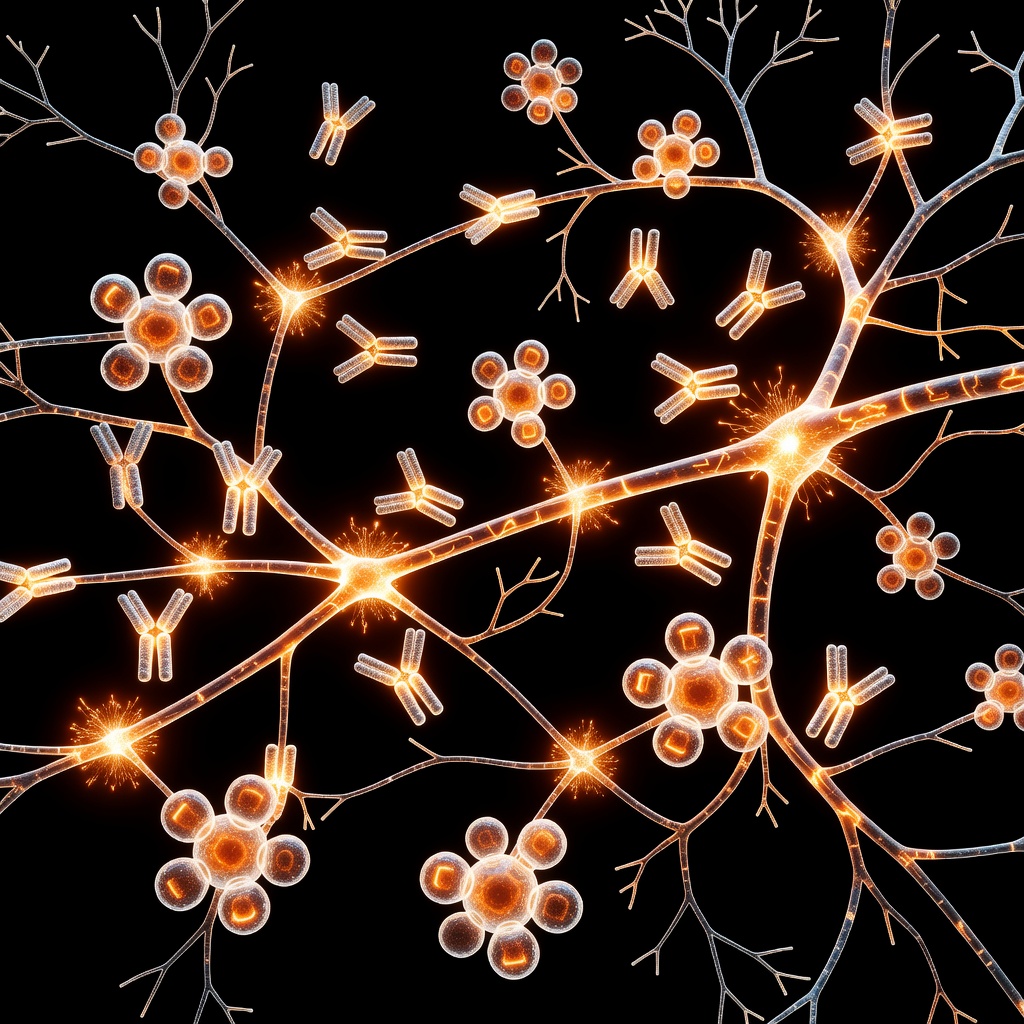
For decades, the standard biological model depicted the human cell as a self-contained fortress—a sovereign entity that interacted with its neighbours primarily through direct contact or the release of hormones into the bloodstream. We were taught that the spaces between cells were merely structural voids or reservoirs for metabolic waste. However, a profound paradigm shift is currently dismantling these archaic views.
The discovery of exosomes—minuscule, membrane-bound vesicles—has revealed a sophisticated, hidden language of "intercellular whispers" that governs every facet of our physiological existence. These are not merely cellular debris; they are the high-speed fibre-optic cables of human biology. At INNERSTANDING, we believe that to master one’s health, one must first understand the invisible intelligence operating beneath the surface of the skin.
The Great Biological Oversight: From "Cellular Junk" to Master Messengers
In the late 20th century, when researchers first observed small vesicles being shed by cells, they were dismissively labelled as "platelet dust" or a mechanism for disposing of unwanted cellular components. It was not until the last two decades that the scientific community realised these vesicles were, in fact, purposeful delivery vehicles.
Exosomes are a specific subtype of Extracellular Vesicles (EVs), typically measuring between 30 and 150 nanometres in diameter. To put this into perspective, you could fit nearly a thousand exosomes across the width of a single human hair. Despite their size, they carry a biological payload of immense complexity: proteins, lipids, messenger RNA (mRNA), and microRNA (miRNA).
Key Fact: Unlike hormones, which act like broad radio broadcasts affecting any cell with the right receptor, exosomes function like encrypted, GPS-guided parcels. They are addressed to specific recipient cells and contain "software updates" that can fundamentally alter the behaviour of the receiving tissue.
Biological Mechanisms: The Anatomy of a Whisper
The creation of an exosome is an exquisite feat of biological engineering. It begins within the endosomal pathway. Instead of proteins being shipped directly to the cell surface, the cell membrane invaginates inward to create intraluminal vesicles within a larger structure called a multivesicular body (MVB).
1. Cargo Loading
The cell does not pack these vesicles at random. Through a process mediated by the ESCRT (Endosomal Sorting Complex Required for Transport), the cell selectively hand-picks genetic instructions. This often includes miRNA, which acts as a master regulator of gene expression. When an exosome reaches its target, this miRNA can "silence" or "activate" specific genes in the recipient cell, effectively remote-controlling its function.
2. Secretion and Travel
Once the MVB fuses with the outer cell membrane, the exosomes are released into the extracellular matrix. From here, they enter the bloodstream, lymph, saliva, and even cerebrospinal fluid.
3. The Handshake and Entry
Exosomes are coated in specific tetraspanins and ligands—molecular "keys." When an exosome encounters a cell with the matching "lock," it can be internalised through endocytosis or by fusing directly with the target cell’s membrane, releasing its cargo into the cytoplasm.
The Systemic Network: A Body in Constant Conversation
The implications of this communication network are staggering. Exosomes allow for systemic cross-talk that transcends the traditional boundaries of organ systems.
- The Gut-Brain Axis: We now know that the microbiome in our gut communicates with our central nervous system partly through exosomes. Beneficial bacteria and intestinal cells release vesicles that can cross the blood-brain barrier, influencing mood, cognitive function, and neuro-inflammation.
- Muscle-Organ Signalling: During exercise, skeletal muscles release "myokines" wrapped in exosomes. These travel to the liver and adipose tissue to coordinate fat burning and glucose metabolism.
- The Immune Sentinel System: Exosomes act as "wanted posters" for the immune system. A cell infected by a virus can shed exosomes containing viral fragments, alerting distant immune cells to the threat before the virus even reaches them.
The Truth Exposed: The Dark Side of Cellular Whispers
While the exosomal network is essential for health, it is also the primary mechanism hijacked by disease. This is the "truth-exposed" reality that conventional medicine is only beginning to grapple with.
Pathogenic Hijacking
Viruses, including HIV and certain coronaviruses, use the exosome biogenesis pathway to replicate and exit cells, essentially "cloaking" themselves in the body's own communication vesicles to evade immune detection.
The Pre-Metastatic Niche
In oncology, exosomes are the "scouts" for cancer. Before a tumour spreads (metastasises), it releases billions of exosomes into the blood. These vesicles travel to distant organs—like the lungs or liver—and "prepare the soil." They suppress the local immune response and trigger inflammation, making the distant site hospitable for arriving cancer cells.
Scientific Insight: Research suggests that by analysing the exosomal "signature" in a patient’s blood, we may soon be able to detect cancers years before they are visible on an MRI or CT scan. This is the burgeoning field of liquid biopsies.
The UK Context: A Hub for Exosome Innovation
The United Kingdom has positioned itself at the vanguard of exosome research and regenerative medicine. Institutions such as the University of Oxford and University College London (UCL) are currently leading trials into exosome-based drug delivery systems.
In the British healthcare landscape, the NHS is increasingly exploring the use of exosomes as biomarkers for chronic conditions like Type 2 Diabetes and Alzheimer’s Disease. Because the UK has a centralised genomic database (the 100,000 Genomes Project), British scientists are uniquely equipped to map how exosomal communication varies across different genetic profiles.
Furthermore, the UK biotech sector is pioneering "synthetic exosomes"—engineered vesicles designed to carry targeted chemotherapy directly to tumours, bypassing healthy cells and drastically reducing the debilitating side effects of traditional cancer treatments.
Environmental Factors: Signal Jammers and Toxic Noise
Our modern environment is loud, not just acoustically, but biologically. We are currently witnessing a phenomenon of "exosomal interference" caused by external stressors.
- Processed Foods & Seed Oils: High intake of industrial seed oils and ultra-processed foods alters the lipid composition of cell membranes. This results in the production of "pro-inflammatory" exosomes that circulate throughout the body, triggering systemic low-grade inflammation.
- Glyphosate and Pesticides: Emerging evidence suggests that certain environmental toxins can disrupt the "sorting" mechanism within cells, leading to the export of damaged proteins and corrupted genetic signals.
- Microplastics: Inhaled or ingested microplastics can be "wrapped" in vesicles by immune cells. These "plastic-laden" exosomes may then distribute toxins to organs that the particles themselves could not reach.
- EMF and Stress: Chronic activation of the sympathetic nervous system (the fight-or-flight response) alters the miRNA profile of circulating exosomes, essentially telling the entire body it is under siege, which impairs long-term repair and regeneration.
Protective Strategies: Optimising Your Intercellular Dialogue
If our cells are constantly whispering, it is our responsibility to ensure they are speaking a language of health, not one of decay. You can influence your exosomal profile through specific lifestyle interventions.
1. Polyphenol-Rich Nutrition
Compounds found in British staples like blackcurrants, blueberries, and green tea have been shown to modulate exosomal cargo. These polyphenols help "load" exosomes with anti-inflammatory signals that protect the cardiovascular system.
2. Intermittent Fasting and Autophagy
Fasting triggers autophagy (cellular self-cleaning). This process ensures that the "junk" within cells is recycled rather than being packed into exosomes and sent to other parts of the body. Regular fasting windows help "clear the line" of biological noise.
3. Omega-3 Fatty Acids
The membrane of an exosome is made of lipids. Consuming high-quality Omega-3s (from fatty fish or algae) ensures that these membranes are fluid and functional, allowing for efficient "handshakes" between cells.
4. Sleep and Glymphatic Clearance
The brain’s waste-clearance system (the glymphatic system) is most active during deep sleep. This is when the brain flushes out exosomes containing amyloid-beta and tau proteins—the "toxic whispers" associated with neurodegeneration.
Key Takeaways: The Future of INNERSTANDING
The discovery of the exosomal network represents the end of "reductionist" biology. We can no longer view an organ in isolation. To treat the heart, one must look at the messages coming from the liver; to treat the brain, one must listen to the whispers of the gut.
- Exosomes are the "software" of the body, carrying genetic and proteomic instructions between distant organs.
- They cross the blood-brain barrier, making them central to neurological health and the future of psychiatric medicine.
- Disease hijacks these pathways, using exosomes to spread signals of inflammation and malignancy.
- Lifestyle is the ultimate regulator. Through diet, movement, and stress management, we can dictate the "script" our cells use to communicate.
In the coming decade, Exosome Science will likely replace many current pharmaceutical interventions. Instead of flooding the body with synthetic chemicals, we will use the body's own "whispers" to instruct cells to heal themselves. At INNERSTANDING, we recognise that true health is not merely the absence of disease, but the presence of a harmonious, clear, and vibrant intercellular conversation.
The question is no longer just what you are eating or how you are moving—it is: What are your cells saying to one another today?
This article is provided for informational and educational purposes only. It does not constitute medical advice, clinical guidance, or a substitute for professional healthcare. Information reflects cited research at time of publication. Always consult a qualified healthcare professional before acting on any health information.
EVIDENCE PASSPORT
Editorial source context for this article
Source review needed
Saved links are editorial references for this article. They may support specific claims rather than every sentence. Open and assess each source in context. This passport does not independently verify them.
Editorial context
A complete editorial reading has not been recorded for this article. Source links remain available for you to open and assess directly.
Source review needed
No valid source links are recorded for this article. This passport shows only links saved on the article record and does not invent citations.
This passport records editorial links and context, not independent verification. Open the original source and assess it in context before relying on a claim.
Medical Disclaimer
The information in this article is for educational purposes only and does not constitute medical advice, diagnosis, or treatment. Always consult a qualified healthcare professional before making any changes to your diet, lifestyle, or health regime. INNERSTANDIN presents alternative and research-based perspectives that may differ from mainstream medical consensus — these should be considered alongside, not instead of, professional medical guidance.
Read Full DisclaimerContinue the thread
Keep this question moving.
Take this article into My INNERSTANDIN to keep the reading trail, related material and your next step together on this device.