
Iodine and the Mammary Glands: The Biological Necessity for Breast Tissue Health and Prevention
Updated April 2026
Evidence orientation
Editorial context not yet recorded
Follow this category
This stays in this browser. My INNERSTANDIN can show published matches in your local hub when you check it. It does not send email, push, or alert notifications.
Local learning review
A private browser aid for revisiting ideas. It is not an alert or a health recommendation.
Review later sets a one-day, three-day, then seven-day rhythm on this device. Choose it only when you want to revisit this article.
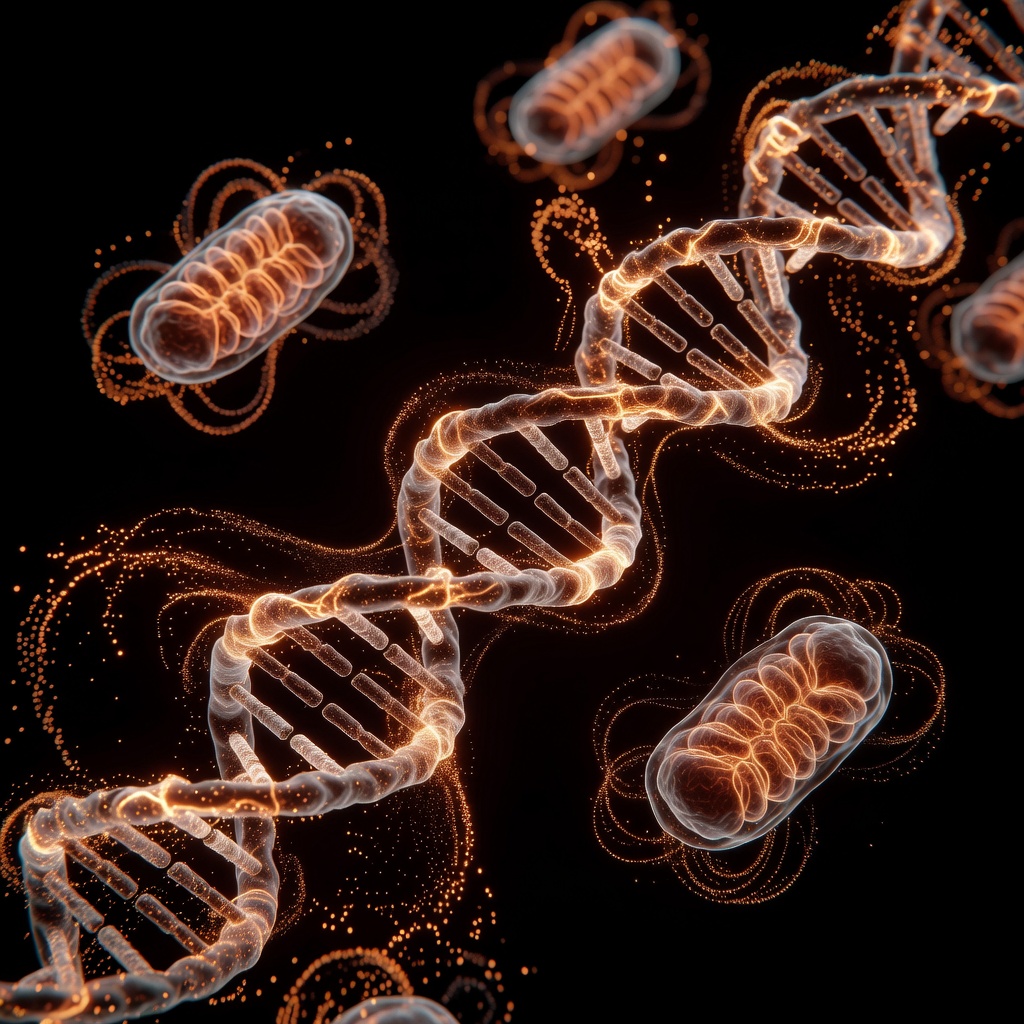
For decades, the public health narrative surrounding iodine has been almost exclusively tethered to the thyroid gland. We are taught that iodine prevents goitres and supports metabolic rate, but this narrow focus has created a dangerous clinical blind spot. Emerging research and historical biochemical data reveal a profound truth: the mammary glands are among the body’s most significant consumers of iodine.
In the context of modern women’s health, understanding the link between iodine and breast tissue is no longer optional—it is a biological necessity. As rates of fibrocystic breast disease and breast malignancies continue to climb, we must look beyond simple screening and investigate the foundational nutritional deficiencies that allow these conditions to take root.
The Biological Mechanisms: Why the Breast Craves Iodine
To understand why the breast requires iodine, we must look at the Sodium-Iodide Symporter (NIS). This is a specialised protein sitting on the surface of cells that acts as a "pump," actively pulling iodine from the bloodstream into the tissue. While the thyroid has the highest concentration of these pumps, the lactating mammary gland and healthy breast tissue are a close second.
1. The Differentiation of Tissue
Iodine is a master regulator of cellular differentiation. In the breast, it ensures that cells develop into their mature, functional forms rather than reverting to a primitive, rapidly dividing state. When iodine levels are sufficient, breast tissue remains soft and organised. When deficient, the architecture of the breast begins to change, leading to the formation of cysts and fibrous nodules.
2. The Power of Apoptosis and Iodolactones
Perhaps the most "truth-exposing" aspect of iodine biology is its role in apoptosis—programmed cell death. Research suggests that iodine (specifically in its molecular form, $I_2$) reacts with membrane lipids to form iodolactones. These substances are potent inhibitors of cellular proliferation.
Key Fact: Iodolactones have been shown to trigger the "self-destruct" mechanism in abnormal breast cells while leaving healthy cells untouched. In this regard, iodine acts as the body’s natural surveillance system against malignancy.
3. Oestrogen Modulation
The relationship between iodine and oestrogen is symbiotic. Iodine helps the body metabolise oestrogen into its safer forms (2-hydroxyestrone) rather than the more aggressive, potentially carcinogenic forms (16-alpha-hydroxyestrone). Furthermore, iodine desensitises oestrogen receptors in the breast. Without enough iodine, breast tissue becomes hypersensitive to oestrogen, leading to "oestrogen dominance" symptoms, even if circulating hormone levels appear normal on a blood test.
The Canary in the Coal Mine: Fibrocystic Breast Disease
For millions of women, Fibrocystic Breast Disease (FBD)—characterised by painful, lumpy, or swollen breasts—is dismissed by GPs as a "normal" part of the menstrual cycle. From a biological perspective, FBD is anything but normal; it is the "canary in the coal mine" for iodine deficiency.
Clinical trials dating back to the 1970s and 80s (most notably by Dr. Bernard Eskin and Dr. David Ghent) demonstrated that iodine supplementation could significantly reduce or entirely resolve fibrocystic symptoms. When the breast is starved of iodine, the tissue undergoes hyperplasia (an overgrowth of cells) and fluid-filled sacs form. This is the body’s architectural cry for help.
The UK Context: A Silent Deficiency Crisis
In the United Kingdom, the prevailing medical consensus has long been that we are an "iodine-sufficient" nation. However, this assessment is based on outdated metrics and a failure to recognise the difference between "preventing a goitre" and "optimising tissue health."
The Decline of Dairy and the Rise of Plant-Based Diets
Historically, the UK obtained most of its iodine from dairy products, not because cows naturally produce iodine, but because of "teat dips" used during milking and iodine-fortified cattle feed. With the rapid shift toward plant-based milks—which are often not fortified with iodine—a significant portion of the British population has unknowingly entered a state of moderate-to-severe deficiency.
The Absence of Salt Iodisation
Unlike the United States or many European nations, the UK does not have a mandatory salt iodisation programme. Most artisanal sea salts and "pink salts" popular in health-conscious British kitchens contain negligible amounts of iodine. Consequently, the "healthier" a person tries to eat by avoiding processed foods, the more likely they are to be iodine-deficient unless they are deliberately consuming seaweed or seafood.
Environmental Factors: The Halide Competition
The biological demand for iodine is further complicated by the Halogen Group on the periodic table. This group includes Fluoride, Chlorine, and Bromine. Because these elements are chemically similar to iodine, they compete for the same receptors (the NIS pumps) in the breast and thyroid.
- Bromine (Bromide): This is the most insidious "iodine-bully." In the UK, potassium bromate was historically used in bread flour. While it is now restricted in direct food use, brominated flame retardants are ubiquitous in British furniture, carpets, and electronics. Bromine displaces iodine, leaving the breast tissue vulnerable.
- Fluoride: Widely found in UK tap water (in certain regions) and almost all conventional toothpastes. Fluoride interferes with the uptake of iodine into the cells.
- Chlorine: Found in swimming pools and treated tap water, chlorine further displaces the iodine your body desperately needs.
Key Fact: We are living in a "Pro-Halide" environment. Even if your iodine intake is "adequate" by RDA standards, it may be functionally insufficient because of the toxic burden of Bromine and Fluoride "kicking" iodine off the cellular receptors.
Protective Strategies: Reclaiming Breast Health
Restoring iodine levels is a foundational step in preventative health, but it must be done with precision and "innerstanding."
1. Functional Testing
Standard blood tests for iodine are often inaccurate as they only show what you have eaten in the last 24 hours. The Iodine Loading Test (a 24-hour urine collection) is considered by many functional practitioners to be the gold standard for determining how much iodine is actually being retained by the tissues versus being excreted.
2. Dietary Sources vs. Supplementation
While kelp, wakame, and nori are excellent sources of iodine, the concentration can vary wildly. For therapeutic purposes—specifically for reversing fibrocystic changes—many practitioners utilise Lugol’s Solution (a combination of molecular iodine and potassium iodide). This is because different tissues prefer different forms: the thyroid prefers iodide, while the breast tissue prefers molecular iodine ($I_2$).
3. The "Cofactor" Protocol
Iodine should never be taken in isolation. To safely transport and utilise iodine, the body requires specific "cofactors":
- Selenium: Essential for the enzymes that protect the thyroid and breast during iodine processing.
- Magnesium: Required for the ATP-driven NIS pumps to function.
- Vitamin C: Helps repair the iodine transport system.
- Unrefined Sea Salt (e.g., Celtic Salt): The chloride in natural salt helps the kidneys excrete the displaced bromine.
4. Eliminating the "Iodine Thieves"
To protect your mammary glands, you must reduce the halide load:
- Switch to a fluoride-free toothpaste.
- Use a high-quality water filter that specifically removes fluoride and chlorine.
- Choose organic, bromine-free flours and breads.
The Truth Exposed: Beyond the "Standard of Care"
The medical establishment’s hesitation to embrace iodine therapy for breast health is rooted in a phenomenon known as the Wolff-Chaikoff Effect—a 1948 study that suggested high doses of iodine would shut down the thyroid. This study has since been debunked and shown to be misinterpreted, yet it continues to dictate the conservative (and arguably deficient) Recommended Dietary Allowances (RDA) today.
The RDA for iodine in the UK is approximately 140–150 micrograms. In contrast, the average daily intake in Japan—where rates of breast cancer and fibrocystic disease are among the lowest in the world—can be 3,000 to 13,000 micrograms (3mg to 13mg) due to seaweed consumption.
Key Fact: The human breast can be thought of as an "iodine sponge." It is one of the first tissues to suffer when levels drop and one of the most responsive when levels are restored.
Key Takeaways for Innerstanding
- Iodine is more than a thyroid nutrient: It is a vital structural and protective component of healthy mammary tissue.
- Prevention through Apoptosis: Sufficient iodine levels promote the death of abnormal cells, acting as a natural defence against breast malignancies.
- The Bromine Threat: Modern environmental toxins displace iodine, creating a state of "functional deficiency" even in those with moderate intake.
- The UK Deficiency: Lack of salt iodisation and changing dietary habits have left British women at increased risk of iodine-related breast issues.
- Holistic Implementation: Iodine therapy requires cofactors like Selenium and Magnesium to be effective and safe.
To truly care for breast tissue is to look beneath the surface of symptomatic management. By restoring the biological necessity of iodine, we move from a state of fear-based screening to a state of proactive, foundational health. The health of the mammary glands is inextricably linked to the elements we provide them; it is time we provided them with the iodine they require to thrive.
Authoritative Note: This article is for educational purposes and does not constitute medical advice. Always consult with a qualified healthcare functional practitioner before starting high-dose iodine supplementation, especially if you have a pre-existing thyroid condition.
This article is provided for informational and educational purposes only. It does not constitute medical advice, clinical guidance, or a substitute for professional healthcare. Information reflects cited research at time of publication. Always consult a qualified healthcare professional before acting on any health information.
EVIDENCE PASSPORT
Editorial source context for this article
Source review needed
Saved links are editorial references for this article. They may support specific claims rather than every sentence. Open and assess each source in context. This passport does not independently verify them.
Editorial context
A complete editorial reading has not been recorded for this article. Source links remain available for you to open and assess directly.
Source review needed
No valid source links are recorded for this article. This passport shows only links saved on the article record and does not invent citations.
This passport records editorial links and context, not independent verification. Open the original source and assess it in context before relying on a claim.
Medical Disclaimer
The information in this article is for educational purposes only and does not constitute medical advice, diagnosis, or treatment. Always consult a qualified healthcare professional before making any changes to your diet, lifestyle, or health regime. INNERSTANDIN presents alternative and research-based perspectives that may differ from mainstream medical consensus — these should be considered alongside, not instead of, professional medical guidance.
Read Full DisclaimerContinue the thread
Keep this question moving.
Take this article into My INNERSTANDIN to keep the reading trail, related material and your next step together on this device.
Explore this in the Body Map
See where this hits your biology. Interactive anatomy, threats, and protective protocols.
Dig deeper in the Library
Free, longform PDF volumes that go beyond headlines into mechanisms and references.