
Iodine Deficiency and Thyroid Health: The UK's Hidden Crisis
Updated May 2026
Iodine deficiency is the leading preventable cause of intellectual disability worldwide — and the UK is experiencing a return to deficiency not seen since the mid-20th century. This article examines the thyroid connection, the dietary sources, and the consequences of the NHS's failure to address this.
Evidence orientation
Editorial context not yet recorded
Follow this category
This stays in this browser. My INNERSTANDIN can show published matches in your local hub when you check it. It does not send email, push, or alert notifications.
Local learning review
A private browser aid for revisiting ideas. It is not an alert or a health recommendation.
Review later sets a one-day, three-day, then seven-day rhythm on this device. Choose it only when you want to revisit this article.
Overview
The United Kingdom is facing a silent biological catastrophe. For decades, the narrative surrounding public health has focused on the reduction of saturated fats, the management of cardiovascular disease, and the rolling out of mass vaccination programmes. Yet, beneath the surface of these high-profile initiatives, a fundamental elemental deficiency has been allowed to fester, sabotaging the neurological and metabolic health of millions. This is the crisis of iodine deficiency.
Iodine is not merely a trace element; it is a primal requirement for the evolution and maintenance of the human brain and endocrine system. It is the core component of thyroid hormones, which act as the master regulators of cellular metabolism. Without sufficient iodine, the biological machinery of the human body begins to grind to a halt. Despite this, the UK remains one of the few developed nations without a mandatory salt iodisation programme, leaving its population vulnerable to a spectrum of disorders that the World Health Organization (WHO) has identified as the world’s most common cause of preventable intellectual disability.
According to the Lancet, the UK is now ranked among the top ten iodine-deficient nations in the world — a list that includes several developing countries. This is a staggering indictment of modern British nutritional policy and a direct threat to the cognitive future of the nation.
The historical context is equally alarming. In the mid-20th century, the UK effectively "accidentally" solved its iodine problem through changes in the dairy industry. The use of iodophors (iodine-based disinfectants) in milking machinery and the addition of iodine to cattle feed meant that milk became a primary source of the element. However, as dietary habits shift towards plant-based "milks" (which are almost universally devoid of iodine) and as the use of iodophors declines, the safety net has vanished. We are witnessing the return of the "Derbyshire Neck" — a colloquial term for goitre — but this time, the symptoms are more insidious: falling IQs, rampant fatigue, unexplained weight gain, and a surge in autoimmune thyroiditis.
##
##
The Biology — How It Works
To understand the iodine crisis, one must first grasp the elegant but fragile architecture of the Hypothalamic-Pituitary-Thyroid (HPT) axis. The thyroid gland, a butterfly-shaped organ situated in the neck, is the only tissue in the human body capable of sequestering iodine in significant quantities. Its primary function is the synthesis of two critical hormones: Thyroxine (T4) and Triiodothyronine (T3).
The process begins in the brain. The hypothalamus releases Thyrotropin-Releasing Hormone (TRH), which signals the anterior pituitary gland to secrete Thyroid-Stimulating Hormone (TSH). TSH then travels through the bloodstream to the thyroid gland, where it binds to specific receptors, initiating the uptake of inorganic iodide from the blood. This uptake is managed by a specialised protein known as the Sodium-Iodide Symporter (NIS).
The Synthesis Pathway
Once inside the thyroid follicle, the iodide must undergo a transformation. Through a process called organification, the enzyme Thyroid Peroxidase (TPO) oxidises iodide into atomic iodine. This iodine is then attached to tyrosine residues on a large protein scaffold called Thyroglobulin (Tg).
- Monoiodotyrosine (MIT): A tyrosine molecule with one iodine atom attached.
- Diiodotyrosine (DIT): A tyrosine molecule with two iodine atoms attached.
The thyroid then "couples" these molecules. One DIT and one MIT combine to form T3 (three iodine atoms), while two DIT molecules combine to form T4 (four iodine atoms). T4 is produced in much higher quantities and acts as a reservoir or "pro-hormone." The active work of the body — the stimulation of oxygen consumption, the regulation of core body temperature, and the synthesis of proteins — is performed primarily by T3.
The Role of Deiodinases
The conversion of T4 into the active T3 does not happen primarily in the thyroid; it occurs in the peripheral tissues, such as the liver, kidneys, and brain. This conversion is mediated by selenium-dependent enzymes called iodothyronine deiodinases. This is a critical point that mainstream medicine often ignores: iodine does not work in a vacuum. Without selenium to fuel these deiodinase enzymes, the body cannot unlock the energy stored within T4, leading to symptoms of hypothyroidism even if "normal" levels of T4 are present in the blood.
The biological imperative of iodine is so strong that the body has evolved the Sodium-Iodide Symporter (NIS) to "pump" iodine against a concentration gradient that is 20 to 50 times higher than that found in the plasma. This is an energy-intensive process, highlighting how vital the element is to survival.
##
##
Mechanisms at the Cellular Level
Beyond the production of thyroid hormones, iodine plays a structural and protective role within the cell that is rarely discussed in NHS literature. Every cell in the body possesses the machinery to utilise iodine, and its absence leads to mitochondrial dysfunction and a breakdown in cellular communication.
Iodine and the Mitochondria
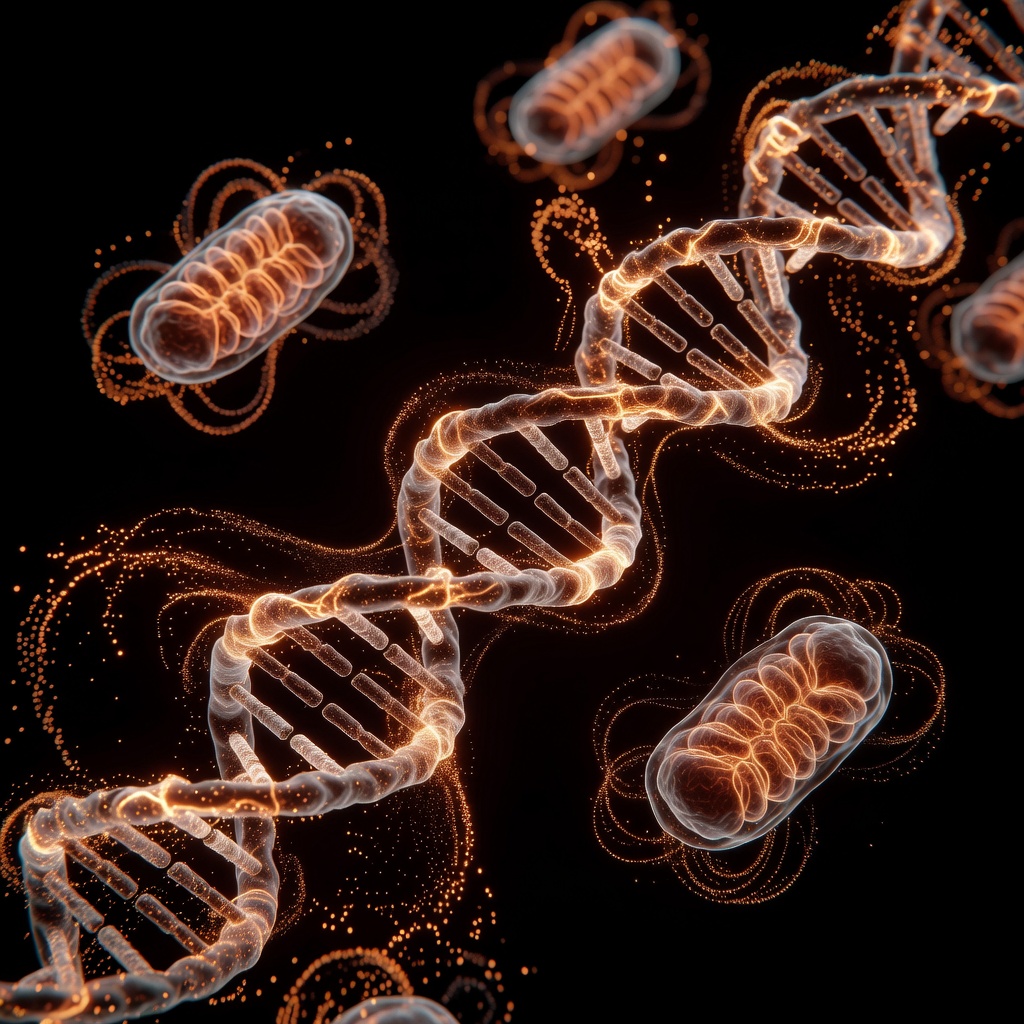
The mitochondria are the powerhouses of the cell, responsible for generating Adenosine Triphosphate (ATP) via the electron transport chain. Thyroid hormones (T3 specifically) enter the cell and bind to nuclear receptors, but they also bind directly to receptors on the inner mitochondrial membrane. This binding increases the transcription of genes involved in oxidative phosphorylation.
In an iodine-deficient state, the mitochondria become "leaky." They produce fewer ATP molecules and more Reactive Oxygen Species (ROS). This oxidative stress damages the mitochondrial DNA, leading to a vicious cycle of metabolic slowdown and cellular ageing. This explains the profound, "bone-deep" fatigue reported by patients with subclinical iodine deficiency; their cells are quite literally starving for energy at the most fundamental level.
Apoptosis and Cellular Surveillance
Iodine is a potent antioxidant and a trigger for apoptosis (programmed cell death). In tissues with high iodine turnover, such as the breasts, ovaries, and prostate, iodine acts as a guardian of genomic integrity. It facilitates the removal of damaged or mutated cells before they can proliferate into tumours.
The mechanism involves the formation of 6-iodolactone, a derivative of arachidonic acid that is produced when iodine is present in sufficient concentrations. 6-iodolactone has been shown to inhibit the growth of cancer cells and induce apoptosis. When iodine levels drop, this protective mechanism is lost, which many researchers believe is a primary driver behind the skyrocketing rates of breast and prostate cancers in the UK.
The NIS in Non-Thyroidal Tissues
While the thyroid is the primary site for the NIS, this symporter is also expressed in:
- The Salivary Glands: Where iodine acts as an antimicrobial agent.
- The Gastric Mucosa: Where it protects the stomach lining against oxidative damage and H. pylori infection.
- The Lactating Mammary Gland: To ensure the neonate receives sufficient iodine for brain development.
The systemic nature of the NIS proves that iodine is a whole-body element, not a "thyroid-only" nutrient.
##
##
Environmental Threats and Biological Disruptors
The UK's iodine crisis is not merely a result of poor dietary intake; it is being exacerbated by a literal "chemical warfare" occurring in our environment. Iodine belongs to the Halogen group on the periodic table (Group 17), alongside Fluorine, Chlorine, and Bromine. Because these elements share similar chemical properties and atomic structures, they compete for the same receptors and transporters in the human body.
The Halogen Displacement Theory
This is a critical biological truth: high levels of fluoride, chloride, or bromide will competitively inhibit the uptake of iodide by the Sodium-Iodide Symporter (NIS). In a state of iodine deficiency, these toxic halogens occupy the "seats" intended for iodine, effectively poisoning the thyroid gland and other iodine-sensitive tissues.
- Fluoride: Found in the drinking water of over 6 million people in the UK (notably in the West Midlands, North East, and parts of the East Midlands). Fluoride is a known goitrogen; it reduces the uptake of iodine and inhibits the conversion of T4 to T3.
- Bromide: Used as a flame retardant in UK furniture and, historically, as a dough conditioner in the commercial baking industry (potassium bromate). Bromide is highly toxic to the thyroid and is a potent endocrine disruptor.
- Chlorine: Used universally in the UK water supply to kill pathogens. While necessary for sanitation, residual chlorine and its byproducts (trihalomethanes) interfere with iodine metabolism and damage the gut microbiome.
The "Halogen Load" in the average British citizen is at an all-time high. We are being saturated with iodine-competitors while our iodine intake is plummeting. This creates a "perfect storm" for endocrine collapse.
Perchlorate and Nitrates
Beyond the halogens, the Environment Agency has monitored various pollutants that further interfere with the NIS. Perchlorate, a byproduct of rocket fuel and certain fertilisers, is an extremely potent inhibitor of the NIS. Even at low concentrations, it can block iodine from entering the thyroid. Similarly, high levels of nitrates from agricultural runoff can interfere with iodine transport, further complicating the nutritional landscape for those living in rural UK communities.
##
##
The Cascade: From Exposure to Disease
The progression from iodine deficiency to overt disease is not an overnight event; it is a slow, multi-stage cascade that often eludes traditional diagnostic tools until the damage is severe.
Stage 1: The Compensatory Phase (Subclinical Deficiency)
Initially, the body attempts to compensate for low iodine by increasing the efficiency of the thyroid. TSH levels may rise slightly to "whip" the thyroid into working harder. At this stage, a patient may feel "fine" but might notice slight cold intolerance or thinning hair. Most NHS GPs will dismiss these symptoms as "ageing" or "stress" because the blood markers often remain within the (dangerously wide) "normal" range.
Stage 2: Hypertrophy and Goitrogenesis
As the deficiency persists, the thyroid gland physically enlarges in an attempt to capture more iodine from the blood. This is a goitre. While the massive "Derbyshire necks" of the 19th century are rarer today, "nodular goitres" are becoming increasingly common in UK clinics. These nodules are often the result of the thyroid's desperate attempt to increase its surface area in response to chronic TSH stimulation.
Stage 3: The Cognitive Decline
Iodine is vital for myelination — the insulation of nerves in the brain. In pregnancy, iodine deficiency leads to irreversible neurological damage in the foetus. Even mild deficiency in children has been linked to a loss of 5 to 10 IQ points. In adults, this manifests as "brain fog," memory loss, and a decrease in executive function. The UK is currently witnessing a generation of children whose cognitive potential is being capped by their mother's iodine status during gestation.
Stage 4: Systemic Metabolic Collapse
Eventually, the lack of T3 results in a systemic slowdown.
- Lipid Metabolism: Cholesterol levels rise because the body can no longer clear LDL efficiently without T3.
- Cardiovascular: Heart rate slows (bradycardia), and the heart muscle becomes less efficient.
- Reproductive: In women, iodine deficiency leads to fibrocystic breast disease and heavy periods (menorrhagia) as the balance between oestrogen and progesterone is disrupted.
The link between iodine deficiency and fibrocystic breast disease is so strong that some researchers consider the condition a "marker" for iodine status. Clinical trials have shown that high-dose iodine supplementation can resolve breast cysts and pain where all other treatments fail.
##
##
What the Mainstream Narrative Omits
The "official" advice from the NHS and the Scientific Advisory Committee on Nutrition (SACN) remains remarkably conservative. The current Recommended Dietary Allowance (RDA) for iodine in the UK is 140 micrograms (µg) for adults. This figure is based on the absolute minimum amount required to prevent a visible goitre — it is not the amount required for optimal health or the protection of the breasts and brain.
The TSH Fallacy
The gold standard for diagnosing thyroid issues in the UK is the TSH test. However, this is a deeply flawed metric for iodine status.
- TSH is a Pituitary Hormone: It measures what the brain thinks is happening, not what is happening at the cellular level in the tissues.
- Reference Ranges are Too Wide: In the UK, a "normal" TSH can range from 0.4 to 4.5 mIU/L. Many functional medicine specialists argue that a TSH above 2.0 indicates the beginnings of thyroid struggle.
- The "Normal" Trap: By the time TSH is "out of range," the patient has often been suffering for years.
The Suppression of Lugol’s History
Before the advent of modern pharmaceuticals, Lugol’s Solution (a mixture of elemental iodine and potassium iodide) was used by physicians to treat a vast array of ailments, from infections to "melancholy." The medical establishment has largely moved away from this, favouring synthetic T4 (Levothyroxine). However, Levothyroxine only provides T4; it does nothing to address the systemic need for iodine in the breasts, prostate, or salivary glands.
The Failure of "Public Health" Surveys
The UK government has been slow to implement a national iodine survey. Small-scale studies, such as those conducted by researchers at the University of Surrey, have repeatedly shown that schoolgirls and pregnant women are deficient. Yet, the Food Standards Agency (FSA) has not moved toward mandatory iodisation of salt, citing concerns about "increasing salt intake" — a short-sighted policy that ignores the fact that people are already eating salt; it simply isn't providing the iodine they need.
##
##
The UK Context
The UK is uniquely positioned for an iodine crisis due to a combination of geography, history, and modern social trends.
The "Goitre Belt" and Soil Depletion
Geologically, large swathes of the UK, particularly the Peak District and the South West, have soil that is naturally low in iodine. Historically, these areas were known as "goitre belts." While modern logistics allow for food to be moved across the country, the underlying problem of soil depletion remains. Intensive farming practices have stripped the soil of trace minerals, and since iodine is not considered an "essential" nutrient for plant growth (unlike Nitrogen, Phosphorus, and Potassium), it is never replaced via fertilisers.
The Rise of Plant-Based Diets
The UK has seen a massive surge in veganism and plant-based eating. While this may have ethical or environmental benefits, it has been a disaster for iodine status.
- Milk remains the primary source of iodine for most Brits.
- Plant Milks (Oat, Almond, Soy): Most are not fortified with iodine. A 2017 study found that iodine concentration in plant-based drinks was only about 2% of that in cow's milk.
- Seaweed: While seaweed is high in iodine, it is not a staple of the British diet, and its iodine content is highly variable, sometimes containing dangerously high levels or being contaminated with heavy metals.
The Post-Milk Era
The British "milk-in-tea" culture provided a steady, if accidental, supply of iodine. As younger generations move away from tea and dairy, the primary source of iodine is disappearing. Furthermore, the UK dairy industry has moved away from the iodine-based disinfectants that once inadvertently boosted milk's iodine content, further tightening the "iodine noose."
##
##
Protective Measures and Recovery Protocols
Given the systemic failure of the NHS to address this, the responsibility for iodine sufficiency falls upon the individual. Recovery from chronic deficiency requires more than just eating a few pieces of fish; it requires a strategic, bio-literate approach.
1. Re-evaluating Supplementation
The RDA of 140µg is insufficient for tissue saturation. Many researchers in the field of iodine therapy (such as Dr Guy Abraham and Dr David Brownstein) suggest that the human body may require milligram amounts (not microgram) for optimal breast and prostate health.
- Potassium Iodide (KI): Preferred by the thyroid gland.
- Elemental Iodine (I2): Preferred by the breast and prostate tissue.
- Lugol’s Iodine: Provides both forms. It should be used under the guidance of a practitioner who understands the "loading" process.
2. The Selenium Connection
Never supplement iodine without ensuring adequate Selenium intake (100-200µg per day). Selenium is required for:
- The deiodinase enzymes that convert T4 to T3.
- Glutathione Peroxidase: An enzyme that protects the thyroid gland from the hydrogen peroxide produced during iodine organification. Without selenium, high-dose iodine can cause oxidative damage to the thyroid.
3. Co-Factors and Support
To successfully "push out" toxic halogens and utilise iodine, the body requires:
- Magnesium: To support the ATP-dependent NIS.
- Vitamin C: To help repair the NIS symporters and reduce oxidative stress.
- Unrefined Sea Salt (Celtic or Himalayan): Provides chloride, which helps the kidneys excrete the bromide that is displaced by the iodine.
4. Halogen Avoidance
Protective measures must include reducing the "Halogen Load":
- Water Filtration: Use a high-quality filter (Reverse Osmosis or specialised fluoride filters) to remove fluoride and chlorine from drinking water.
- Organic Bread: Avoid commercial breads that use "flour treatment agents" which may contain bromide (though many UK bakers have moved away from potassium bromate, "improvement" agents are still opaque in their composition).
- Personal Care: Switch to fluoride-free toothpaste and avoid brominated vegetable oils (BVO) in imported soft drinks.
5. Testing Beyond TSH
To get a true picture of iodine status, one should request or privately purchase:
- Urinary Iodine Concentration (UIC): A 24-hour collection is the gold standard for assessing recent intake.
- Iodine Loading Test: Measures how much iodine the body retains versus how much it excretes.
- Full Thyroid Panel: Must include TSH, Free T4, Free T3, and Thyroid Antibodies (TPOAb and TgAb).
##
##
Summary: Key Takeaways
The UK’s iodine crisis is a multifaceted failure of public health policy, environmental regulation, and nutritional education. To navigate this "hidden crisis," we must recognise the following truths:
- Iodine is a systemic nutrient required by every cell in the body, not just a "thyroid mineral."
- The UK is a "high-risk" zone for deficiency due to lack of salt iodisation and changing dietary patterns.
- Environmental halogens (Fluoride, Bromide) are actively blocking our ability to utilise what little iodine we do consume.
- The TSH test is an inadequate tool for diagnosing subclinical deficiency and cellular iodine hunger.
- Optimal health requires milligram, not microgram, levels of iodine, always balanced with selenium and magnesium.
The restoration of iodine levels is perhaps the single most effective intervention for increasing the metabolic and cognitive health of the British population. It is time to move beyond the narrow "RDA" mindset and embrace the biological reality of this essential element. The cost of inaction — a nation of fatigued, metabolically broken, and cognitively diminished individuals — is a price we cannot afford to pay.
This article is provided for informational and educational purposes only. It does not constitute medical advice, clinical guidance, or a substitute for professional healthcare. Information reflects cited research at time of publication. Always consult a qualified healthcare professional before acting on any health information.
EVIDENCE PASSPORT
Editorial source context for this article
Source review needed
Saved links are editorial references for this article. They may support specific claims rather than every sentence. Open and assess each source in context. This passport does not independently verify them.
Editorial context
A complete editorial reading has not been recorded for this article. Source links remain available for you to open and assess directly.
Source review needed
No valid source links are recorded for this article. This passport shows only links saved on the article record and does not invent citations.
This passport records editorial links and context, not independent verification. Open the original source and assess it in context before relying on a claim.
Medical Disclaimer
The information in this article is for educational purposes only and does not constitute medical advice, diagnosis, or treatment. Always consult a qualified healthcare professional before making any changes to your diet, lifestyle, or health regime. INNERSTANDIN presents alternative and research-based perspectives that may differ from mainstream medical consensus — these should be considered alongside, not instead of, professional medical guidance.
Read Full DisclaimerContinue the thread
Keep this question moving.
Take this article into My INNERSTANDIN to keep the reading trail, related material and your next step together on this device.
Explore this in the Body Map
See where this hits your biology. Interactive anatomy, threats, and protective protocols.
Dig deeper in the Library
Free, longform PDF volumes that go beyond headlines into mechanisms and references.