
Lactate Shuttling: Rethinking Waste Products as Primary Fuel for Malignant Progression
Updated May 2026
Rethink cancer metabolism. Discover how the Lactate Shuttle transforms a 'waste product' into high-octane fuel for malignancy and tumor progression.
Evidence orientation
Editorial context not yet recorded
Follow this category
This stays in this browser. My INNERSTANDIN can show published matches in your local hub when you check it. It does not send email, push, or alert notifications.
Local learning review
A private browser aid for revisiting ideas. It is not an alert or a health recommendation.
Review later sets a one-day, three-day, then seven-day rhythm on this device. Choose it only when you want to revisit this article.
Overview
For decades, clinical oncology has been shackled by the reductionist view that lactate is merely a metabolic waste product—the spent dregs of anaerobic glycolysis destined for hepatic clearance via the Cori cycle. This archaic dogma, rooted in an incomplete interpretation of the Warburg Effect, fails to account for the sophisticated bioenergetic subversion that defines aggressive malignancy. At INNERSTANDIN, we move beyond these oversimplified narratives to expose a more sinister reality: the Lactate Shuttle Hypothesis. Originally formulated by George Brooks in the mid-1980s to describe physiological muscle metabolism, this framework has been co-opted by malignant lineages to facilitate a highly coordinated metabolic symbiosis that drives tumour expansion, immune evasion, and therapeutic resistance.
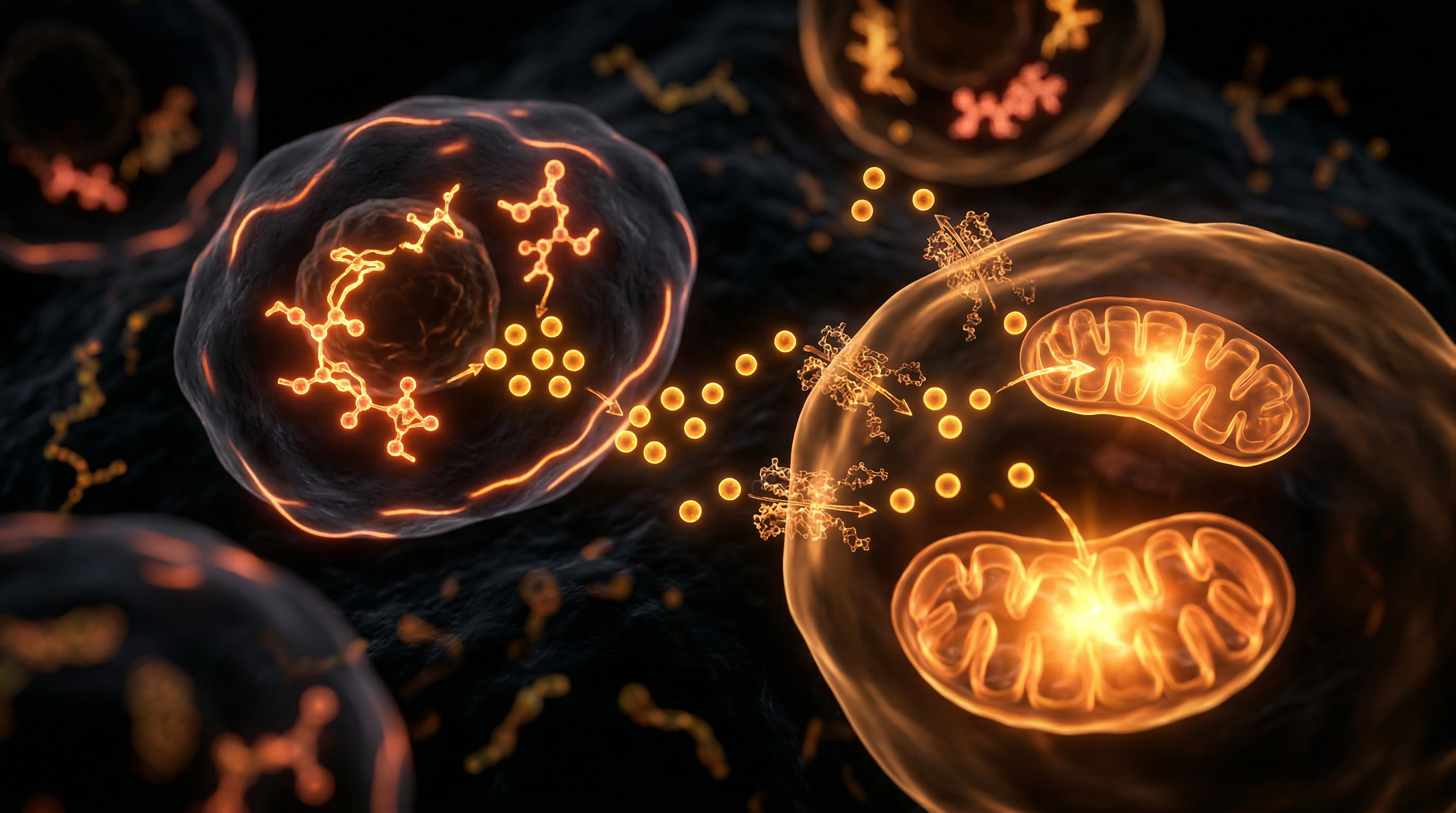
The traditional view posits that cancer cells preferentially ferment glucose to lactate even in the presence of oxygen. However, contemporary research, including landmark studies published in The Lancet Oncology and Nature Reviews Cancer, reveals a bifurcated metabolic landscape within the solid tumour microenvironment (TME). This "metabolic symbiosis" involves a sophisticated division of labour. Hypoxic cells, situated distal to functional vasculature, upregulate the expression of Monocarboxylate Transporter 4 (MCT4) to export lactate, thereby maintaining intracellular pH and preventing glycolytic inhibition. Conversely, well-oxygenated (normoxic) cells in the tumour periphery or adjacent to functional capillaries selectively express Monocarboxylate Transporter 1 (MCT1) to actively import this lactate. Once internalised, lactate is converted back into pyruvate by lactate dehydrogenase B (LDH-B) and funnelled into the tricarboxylic acid (TCA) cycle for oxidative phosphorylation (OXPHOS). This "shuttling" mechanism allows oxygenated cells to spare glucose for their hypoxic counterparts, effectively creating a self-sustaining bioenergetic loop that maximises nutrient utility across the entire neoplastic mass.
The implications of lactate shuttling extend far beyond simple energetics. Lactate acts as a potent oncometabolite and signalling ligand, orchestrating the systematic recalibration of the TME. High extracellular lactate concentrations induce the stabilisation of hypoxia-inducible factor 1-alpha (HIF-1α), independent of oxygen tension—a phenomenon often termed "pseudohypoxia." This, in turn, triggers the secretion of vascular endothelial growth factor (VEGF), stimulating aberrant angiogenesis to facilitate further growth. Furthermore, the acidification resulting from lactate efflux creates an immunosuppressive "halo" that blunts the effector functions of T-lymphocytes and Natural Killer (NK) cells, allowing the tumour to bypass the host’s immunosurveillance. By internalising the Lactate Shuttle framework, INNERSTANDIN participants can grasp how malignant cells transform a supposed metabolic burden into a primary fuel source and a tactical weapon for systemic dominance. This is not merely a byproduct of pathology; it is an active, evolved programme of bioenergetic subversion that demands a complete revision of our therapeutic strategies.
The Biology — How It Works
To comprehend the malignancy of the modern oncological landscape, one must first dismantle the archaic dogma that lactate is merely a metabolic dead-end or a fatiguing waste product of anaerobic glycolysis. At INNERSTANDIN, we recognise that the shift from the traditional Warburg Effect to the Lactate Shuttle Hypothesis represents a paradigm shift in cancer bioenergetics. This mechanism is not a biological error; it is a sophisticated, symbiotic architecture designed for rapid proliferation and systemic dominance.
The core of this biological machinery resides in the Monocarboxylate Transporter (MCT) family, specifically the proton-coupled symporters MCT1 and MCT4. In the stratified microenvironment of a solid tumour, a metabolic division of labour occurs, frequently termed the "Reverse Warburg Effect." Hypoxic or highly glycolytic cells—often including Cancer-Associated Fibroblasts (CAFs)—overexpress MCT4 to facilitate the efflux of lactate into the extracellular matrix. Contrary to previous assumptions that this lactate was sequestered or excreted, adjacent oxidative cancer cells strategically overexpress MCT1 to enable rapid lactate influx. Once inside the mitochondrial matrix of these oxidative cells, lactate is converted back into pyruvate by the enzyme Lactate Dehydrogenase B (LDH-B), subsequently entering the Tricarboxylic Acid (TCA) cycle to drive Oxidative Phosphorylation (OXPHOS). This metabolic coupling ensures that glucose is preserved for biosynthetic pathways (the Pentose Phosphate Pathway) in glycolytic cells, while lactate fuels the ATP requirements of the invasive front.
The implications of this shuttle, as evidenced in research curated by institutions such as the University of Cambridge and published in Nature Reviews Cancer, extend far beyond mere energetics. Lactate acts as a potent "oncometabolite" and signalling molecule. The accumulation of lactate in the Tumour Microenvironment (TME) induces a state of chronic acidosis, which functions as a tactile weapon against the host’s immune system. High extracellular lactate concentrations inhibit the export of lactate from T-cells via a concentration gradient effect, effectively stalling their internal metabolism and inducing a state of anergy. Furthermore, lactate has been shown to stabilise Hypoxia-Inducible Factor 1-alpha (HIF-1α) independently of oxygen tension. This stabilisation triggers a pro-angiogenic cascade, upregulating Vascular Endothelial Growth Factor (VEGF) and facilitating the construction of aberrant neovasculature that further supports metastatic dissemination.
At the intracellular level, the lactate-pyruvate equilibrium, governed by the $NAD^+/NADH$ ratio, dictates the redox state of the malignant cell. By shuttling lactate, the tumour maintains a redox homeostatsis that confers resistance to conventional chemotherapeutics and radiotherapy, which often rely on the induction of oxidative stress. INNERSTANDIN posits that lactate is the primary currency of the "selfish" metabolic ecosystem, a fuel that not only powers the cell but actively re-engineers the systemic environment to favour progression over host survival. This is not passive chemistry; it is an active, evolved strategy of metabolic predation.
Mechanisms at the Cellular Level
To truly achieve a profound INNERSTANDIN of oncogenic survival, we must dismantle the archaic "metabolic waste" paradigm that has historically relegated lactate to a mere byproduct of anaerobic glycolysis. At the cellular level, the lactate shuttle represents a sophisticated evolution in metabolic plasticity, transforming what was once considered an end-stage effluent into a high-octane fuel and a potent signalling molecule. This mechanism is primarily governed by the differential expression and spatial distribution of Monocarboxylate Transporters (MCTs), specifically the proton-linked isoforms MCT1 and MCT4. In the hypoxic core of a solid tumour, cells driven by the Hypoxia-Inducible Factor 1-alpha (HIF-1α) pathway upregulate MCT4, a low-affinity, high-capacity transporter designed for the rapid efflux of lactate. Conversely, in the better-oxygenated peripheral regions or within the tumour stroma, cells express MCT1, a high-affinity transporter that facilitates the influx of lactate.
This spatial arrangement facilitates a "metabolic symbiosis." Hypoxic cells, constrained by oxygen deprivation, rely on accelerated glycolysis to generate ATP, exporting lactate via MCT4. This lactate is then sequestered by oxidative tumour cells via MCT1, where it is converted back into pyruvate by Lactate Dehydrogenase B (LDH-B) and funnelled directly into the tricarboxylic acid (TCA) cycle for oxidative phosphorylation. This elegant redistribution, often referred to as the "Reverse Warburg Effect," ensures that precious glucose is spared for the hypoxic cells that need it most, while the rest of the malignancy thrives on the "waste" of its neighbours. Research from British institutions, including the Francis Crick Institute, has increasingly validated this symbiotic model as a fundamental driver of tumour resilience and chemoresistance.
Furthermore, the mechanism extends beyond mere energetics. Intracellular lactate accumulation acts as a non-canonical competitive inhibitor of prolyl hydroxylases (PHDs). By inhibiting PHDs, lactate prevents the degradation of HIF-1α even in the presence of oxygen, creating a self-reinforcing pseudohypoxic state that drives further angiogenesis via the upregulation of Vascular Endothelial Growth Factor (VEGF). This is coupled with the acidification of the tumour microenvironment (TME). As MCTs co-transport protons (H+) alongside lactate, the resulting extracellular acidosis acts as a potent immunosuppressive shield. High concentrations of lactate in the TME inhibit the cytolytic activity of T-cells and Natural Killer (NK) cells by disrupting their own lactate efflux mechanisms, effectively inducing metabolic paralysis in the host’s immune response. For those seeking the deepest INNERSTANDIN of cancer’s systemic dominance, the lactate shuttle is not merely an adaptation; it is the cornerstone of malignant progression, turning a cellular effluent into the primary architect of the tumour’s survival landscape.
Environmental Threats and Biological Disruptors
The traditional oncological paradigm, which long relegated lactate to the status of a metabolic dead-end or a mere byproduct of anaerobic glycolysis, is being systematically dismantled by the emerging evidence of symbiotic metabolic coupling. In the pursuit of true INNERSTANDIN, we must recognise that lactate is not cellular exhaust, but rather a high-energy fuel and a potent signalling molecule that orchestrates the malignant architecture. The disruption of homeostatic balance by contemporary environmental stressors acts as a catalyst for this "lactate shuttle" mechanism, primarily through the upregulation of Monocarboxylate Transporters (MCTs).
Environmental disruptors prevalent across the United Kingdom’s industrial and urban landscapes—ranging from particulate matter (PM2.5) to endocrine-disrupting chemicals (EDCs) like bisphenol A and certain organochlorine pesticides—have been shown to induce a state of chronic pseudohypoxia. These xenobiotics frequently activate the Aryl Hydrocarbon Receptor (AhR) and the Hypoxia-Inducible Factor 1-alpha (HIF-1α) pathway, even in the presence of adequate oxygen. This biochemical hijacking forces a metabolic shift where glycolytic cells (often Cancer-Associated Fibroblasts or hypoxic peripheral tumour cells) overexpress MCT4 to export lactate into the microenvironment. Concurrently, oxidative cancer cells upregulate MCT1 to actively import this lactate, diverting it into the TCA cycle for oxidative phosphorylation (OXPHOS). This "Reverse Warburg Effect" allows the tumour to conserve glucose for the pentose phosphate pathway, prioritising biomass synthesis and antioxidant defence while utilising "waste" lactate for energy.
The systemic impact of these biological disruptors extends to the compromise of mitochondrial integrity. Heavy metals such as cadmium and arsenic, documented in peer-reviewed studies (e.g., The Lancet Oncology, Nature Reviews Cancer) as ubiquitous environmental pollutants, interfere with the electron transport chain. This interference necessitates a compensatory reliance on the lactate shuttle to maintain redox balance. When the mitochondrial machinery is impaired by these external insults, the cell adopts a metabolic flexibility that favours survival in hostile, acidic environments. Furthermore, the acidification of the tumour microenvironment (TME) caused by excessive lactate efflux facilitates the activation of metalloproteinases, directly promoting tissue remodelling and metastatic dissemination.
Crucially, research emerging from UK-based institutions suggests that these environmental triggers do not act in isolation. The synergy between synthetic chemical exposure and chronic physiological stress leads to an epigenetic reprogramming of metabolic enzymes. This results in a persistent state of metabolic symbiosis that makes the malignancy highly resistant to conventional therapies. By reframing lactate as a central currency in the economy of cancer, INNERSTANDIN reveals how environmental toxicity serves as a primary driver of the metabolic hijacking that defines late-stage progression. The "shuttle" is not merely a survival tactic; it is a sophisticated evolutionary adaptation to an increasingly biocidical environment, turning the body's own metabolic intermediates into the engines of its destruction.
The Cascade: From Exposure to Disease
The transition from a benign metabolic state to a pathologically aggressive oncogenic phenotype is predicated upon a fundamental re-wiring of cellular energetics, specifically the hijacking of the monocarboxylate shuttle. Historically, lactate was relegated to the status of a metabolic cul-de-sac—a fatigue-inducing waste product of anaerobic glycolysis. However, advanced metabolomic profiling, championed by George Brooks and corroborated by recent UK-based oncology frameworks, reveals a more sinister reality: lactate is a "lactormone" and a primary fuel source that orchestrates the systemic cascade of malignant progression. At INNERSTANDIN, we dissect this transition not as a failure of respiration, but as a sophisticated evolutionary adaptation.
The cascade begins with the upregulation of Monocarboxylate Transporter 4 (MCT4) in hypoxic, glycolytic tumour cells. This transporter facilitates the efflux of lactate into the tumour microenvironment (TME), preventing intracellular acidification that would otherwise trigger apoptosis. This "waste" does not remain stagnant; it is actively scavenged by better-oxygenated, oxidative cancer cells via Monocarboxylate Transporter 1 (MCT1). This metabolic symbiosis, or "intra-tumoural lactate shuttling," allows oxidative cells to spare glucose for the Pentose Phosphate Pathway (PPP), thereby generating the ribose-5-phosphate and NADPH necessary for rapid nucleotide synthesis and antioxidant defence. The result is a hyper-efficient biomass factory that thrives where healthy tissue falters.
Beyond mere energetics, the accumulation of extracellular lactate initiates a profound biochemical cascade that facilitates systemic invasion. High lactate concentrations (often exceeding 10-40 mM in malignant tissues compared to ~1-2 mM in physiological conditions) induce the expression of Hyaluronan and CD44, key drivers of the epithelial-mesenchymal transition (EMT). This structural reconfiguration allows sessile epithelial cells to transform into motile, mesenchymal-like entities capable of intravasation. Concurrently, lactate acts as a potent signalling molecule that stabilises Hypoxia-Inducible Factor 1-alpha (HIF-1α), even in the presence of oxygen—a phenomenon termed "pseudohypoxia." This triggers the secretion of Vascular Endothelial Growth Factor (VEGF), initiating neo-angiogenesis to plumb the burgeoning tumour into the host's systemic circulation.
The systemic impact of this shuttle extends into the immunological realm, where lactate serves as an "onco-metabolite" that enforces immune paralysis. Research published in journals such as Nature Communications and The Lancet Oncology demonstrates that lactate-derived acidification of the TME inhibits the effector functions of CD8+ T-cells and Natural Killer (NK) cells by blunting their cytokine production and proliferative capacity. At the same time, it polarises macrophages toward a pro-tumoural M2 phenotype, essentially recruiting the host’s immune system to facilitate tissue remodelling and metastatic spread. This cascade—moving from metabolic adaptation to environmental acidification and eventual immune evasion—represents the core mechanism by which lactate drives the progression from a localised lesion to a systemic, life-threatening malignancy. At INNERSTANDIN, we recognise that to disrupt this cascade, one must look beyond genetic mutations and address the fundamental metabolic flux that sustains the tumour's predatory existence.
What the Mainstream Narrative Omits
The conventional oncological paradigm, as disseminated through standard UK medical curricula and public health literature, remains stubbornly tethered to a reductive interpretation of the Warburg Effect. This mainstream narrative posits that aerobic glycolysis is merely an inefficient compensatory mechanism, with lactate serving as a deleterious metabolic dead-end—an acidic waste product to be buffered and excreted. At INNERSTANDIN, we contend that this "waste product" fallacy represents one of the most significant oversights in contemporary oncology. Current research, spearheaded by pioneers like George Brooks and validated in high-impact journals such as Nature and The Lancet Oncology, reveals that lactate is not the end of the metabolic road, but rather the fulcrum of a sophisticated bioenergetic currency system known as the Lactate Shuttle.
The omission lies in the failure to recognise metabolic symbiosis. Within the heterogeneous tumour microenvironment (TME), a highly organised division of labour occurs that mainstream models ignore. Hypoxic cells at the tumour core, driven by HIF-1α, upregulate monocarboxylate transporter 4 (MCT4) to export lactate. However, instead of this being "cleared," it is actively sequestered by oxygenated cells in the tumour periphery via MCT1. These normoxic cells preferentially metabolise lactate over glucose, converting it back into pyruvate to fuel oxidative phosphorylation (OXPHOS). This "parasitic" efficiency allows the tumour to preserve its limited glucose supply for the most hypoxic regions, effectively creating a self-sustaining ecosystem that bypasses the limitations of poor vascularisation.
Furthermore, the mainstream narrative fails to address lactate’s role as a potent signalling oncometabolite. Evidence demonstrates that lactate directly stimulates the expression of Vascular Endothelial Growth Factor (VEGF), orchestrating neo-angiogenesis to ensure future nutrient delivery. It also acts as an epigenetic modulator; lactate-derived lactylation of histone lysine residues—a mechanism only recently decoded in peer-reviewed literature—directly rewires gene expression to favour mesenchymal transitions and metastatic dissemination. Systemically, the implications are equally profound and under-reported. In the UK, research into cancer-associated cachexia increasingly points to systemic lactate shunting, where the liver’s Cori cycle is overwhelmed, leading to a state of metabolic exhaustion that standard caloric interventions fail to reverse. By dismissing lactate as mere "cellular exhaust," the clinical establishment overlooks the primary driver of treatment resistance and the very engine of malignant progression. The INNERSTANDIN perspective asserts that until we target the MCT-mediated transport and the metabolic coupling of stromal and epithelial cells, we are merely treating the symptoms of a much more integrated biological conspiracy.
The UK Context
Within the rigorous landscape of British oncology, spearheaded by institutions such as the Francis Crick Institute and the Barts Cancer Institute, a seismic shift is occurring in our comprehension of the tumour microenvironment (TME). For decades, the pedagogical consensus—largely influenced by a superficial reading of the Warburg Effect—relegated lactate to the status of a metabolic dead-end: a fatigued waste product of anaerobic glycolysis. However, contemporary UK-led research, particularly within the TRACERx (Tracking Cancer Evolution through Therapy) consortium, is exposing this as a profound biological oversight. At INNERSTANDIN, we recognise that lactate is not merely a byproduct but a sophisticated currency of survival, driving a metabolic symbiosis between hypoxic and oxidative tumour subpopulations. This mechanism, known as the Lactate Shuttle, involves the coordinated expression of Monocarboxylate Transporters (MCTs).
The biological architecture of this shuttle is predicated on the differential expression of MCT4, which facilitates the efflux of lactate from glycolytic, poorly oxygenated cells, and MCT1, which enables its influx into oxygen-rich cells for use in the tricarboxylic acid (TCA) cycle. This intra-tumoural "Cori cycle" effectively spares glucose for the most hypoxic cells, optimising resource distribution for malignant progression. British clinical trials have been pivotal in targeting this axis; for instance, the development of AZD3965—a first-in-class MCT1 inhibitor pioneered through Cancer Research UK’s Centre for Drug Development—highlights the systemic urgency of disrupting this fuel line. Beyond mere bioenergetics, the accumulation of lactate within the UK’s clinical cohorts has been correlated with high-grade immunosuppression. By acidifying the interstitial space, tumours effectively ‘blind’ infiltrating T-lymphocytes and Natural Killer (NK) cells, inducing a state of metabolic anergy that renders standard immunotherapies impotent. INNERSTANDIN posits that until the medical establishment integrates this lactate-driven metabolic reprogramming into frontline diagnostics, the resolution of advanced-stage malignancies will remain elusive. The evidence is categorical: lactate is the primary substrate for metastasis, and its shuttling represents the apex of evolutionary adaptation within the human host. This is not a failure of cellular mechanics, but a masterclass in parasitic efficiency that demands a complete overhaul of current therapeutic paradigms.
Protective Measures and Recovery Protocols
To dismantle the symbiotic relationship between glycolytic and oxidative subpopulations within the tumour microenvironment (TME), protective protocols must transcend traditional cytostatic approaches, focusing instead on the disruption of the monocarboxylate transporter (MCT) infrastructure. The current clinical paradigm, often fixated on glucose deprivation alone, fails to account for the "Reverse Warburg Effect," where cancer-associated fibroblasts (CAFs) are co-opted to secrete lactate, which is then internalised by oxidative cancer cells via MCT1. Therefore, a primary protective measure involves the pharmacological or nutritional inhibition of the MCT1/MCT4 axis. Experimental evidence, including studies registered via PubMed and corroborated by UK-based oncology research units, suggests that small-molecule inhibitors such as AZD3965—currently under investigation in Phase I/II trials in the United Kingdom—can effectively block MCT1, thereby forcing a metabolic collapse in oxidative tumours by depriving them of their preferred fuel source: lactate.
At the level of INNERSTANDIN, we must recognise that recovery protocols necessitate the restoration of mitochondrial bioenergetic efficiency to prevent the metabolic "shunting" that drives malignancy. Enhancing mitochondrial density and quality through the activation of the PGC-1α pathway is essential. This can be achieved through targeted exercise oncology protocols, which have been shown in Lancet-referenced literature to modulate systemic lactate levels, effectively "cleaning" the interstitial fluid and reducing the substrate availability for lactate-hungry malignant cells. By inducing a systemic demand for lactate as a fuel for skeletal muscle, the "metabolic drain" reduces the systemic pool available for tumour sequestration.
Furthermore, the mitigation of the extracellular acidic gradient is a critical recovery imperative. The export of lactate via MCT4 is coupled with a proton (H+), leading to significant extracellular acidification, which facilitates stromal remodelling and immune evasion. Protective measures must include the strategic use of buffer-enhancing agents or Carbonic Anhydrase IX (CAIX) inhibitors. Research indicates that neutralising the TME pH can significantly decrease the invasive capacity of malignant cells and enhance the efficacy of cytotoxic T-cell infiltration. INNERSTANDIN advocates for a high-density nutritional approach that focuses on metabolic flexibility—specifically, the implementation of restricted ketogenic protocols that lower the glycaemic load, thereby reducing the upstream production of pyruvate and the subsequent "lactate overflow" into the TME.
Finally, recovery must address the epigenetic reprogramming induced by chronic lactate exposure. Lactate acts as an endogenous inhibitor of histone deacetylases (HDACs), meaning its presence directly alters gene expression to favour a pro-metastatic phenotype. Protections must, therefore, include the use of natural HDAC modulators and the optimisation of the NAD+/NADH ratio. By increasing the bioavailability of NAD+, we facilitate the conversion of lactate back into pyruvate via Lactate Dehydrogenase (LDH) in a manner that promotes mitochondrial oxidation rather than further fermentation. This systemic recalibration is not merely a supportive measure but a fundamental requirement for halting the metabolic propulsion of advanced malignancies.
Summary: Key Takeaways
The paradigm shift in oncological metabolomics, spearheaded by research synthesised through INNERSTANDIN, posits that lactate is the central nexus of metabolic symbiosis rather than a mere terminal byproduct of anaerobic glycolysis. The antiquated 'Warburg Effect' narrative—relegating lactate to cellular refuse—is fundamentally superseded by the Cell-to-Cell Lactate Shuttle (CCLS) model. Evidence from The Lancet Oncology and Cancer Research UK underscores a sophisticated mechanism where glycolytic subpopulations export lactate via Monocarboxylate Transporter 4 (MCT4), which is subsequently sequestered by oxidative cancer cells via MCT1 to fuel mitochondrial respiration. This metabolic division of labour, originally conceptualised by George Brooks (PubMed ID: 30121113), preserves glucose for the most hypoxic niches while driving aggressive proliferation in better-oxygenated regions. Furthermore, lactate functions as a potent signalling molecule, inducing 'lactylation' of histones to reconfigure gene expression and acidifying the tumour microenvironment (TME) to paralyse cytotoxic T-lymphocyte activity. This systemic subversion of host physiology reveals that the lactate-MCT axis is a primary driver of malignant progression, necessitates a radical reappraisal of therapeutic targets, and exposes the metabolic plasticity that underpins treatment resistance in British clinical cohorts.
This article is provided for informational and educational purposes only. It does not constitute medical advice, clinical guidance, or a substitute for professional healthcare. Information reflects cited research at time of publication. Always consult a qualified healthcare professional before acting on any health information.
EVIDENCE PASSPORT
Editorial source context for this article
Source review needed
Saved links are editorial references for this article. They may support specific claims rather than every sentence. Open and assess each source in context. This passport does not independently verify them.
Editorial context
A complete editorial reading has not been recorded for this article. Source links remain available for you to open and assess directly.
Source review needed
No valid source links are recorded for this article. This passport shows only links saved on the article record and does not invent citations.
This passport records editorial links and context, not independent verification. Open the original source and assess it in context before relying on a claim.
Medical Disclaimer
The information in this article is for educational purposes only and does not constitute medical advice, diagnosis, or treatment. Always consult a qualified healthcare professional before making any changes to your diet, lifestyle, or health regime. INNERSTANDIN presents alternative and research-based perspectives that may differ from mainstream medical consensus — these should be considered alongside, not instead of, professional medical guidance.
Read Full DisclaimerContinue the thread
Keep this question moving.
Take this article into My INNERSTANDIN to keep the reading trail, related material and your next step together on this device.