
The Crabtree Effect: Exploring the Inhibitory Impact of High Glucose on Mitochondrial Respiration
Updated May 2026
Explore how high glucose inhibits mitochondrial respiration via the Crabtree Effect. Learn its vital role in cancer metabolic theory and chronic disease.
Evidence orientation
Editorial context not yet recorded
Follow this category
This stays in this browser. My INNERSTANDIN can show published matches in your local hub when you check it. It does not send email, push, or alert notifications.
Local learning review
A private browser aid for revisiting ideas. It is not an alert or a health recommendation.
Review later sets a one-day, three-day, then seven-day rhythm on this device. Choose it only when you want to revisit this article.
Overview
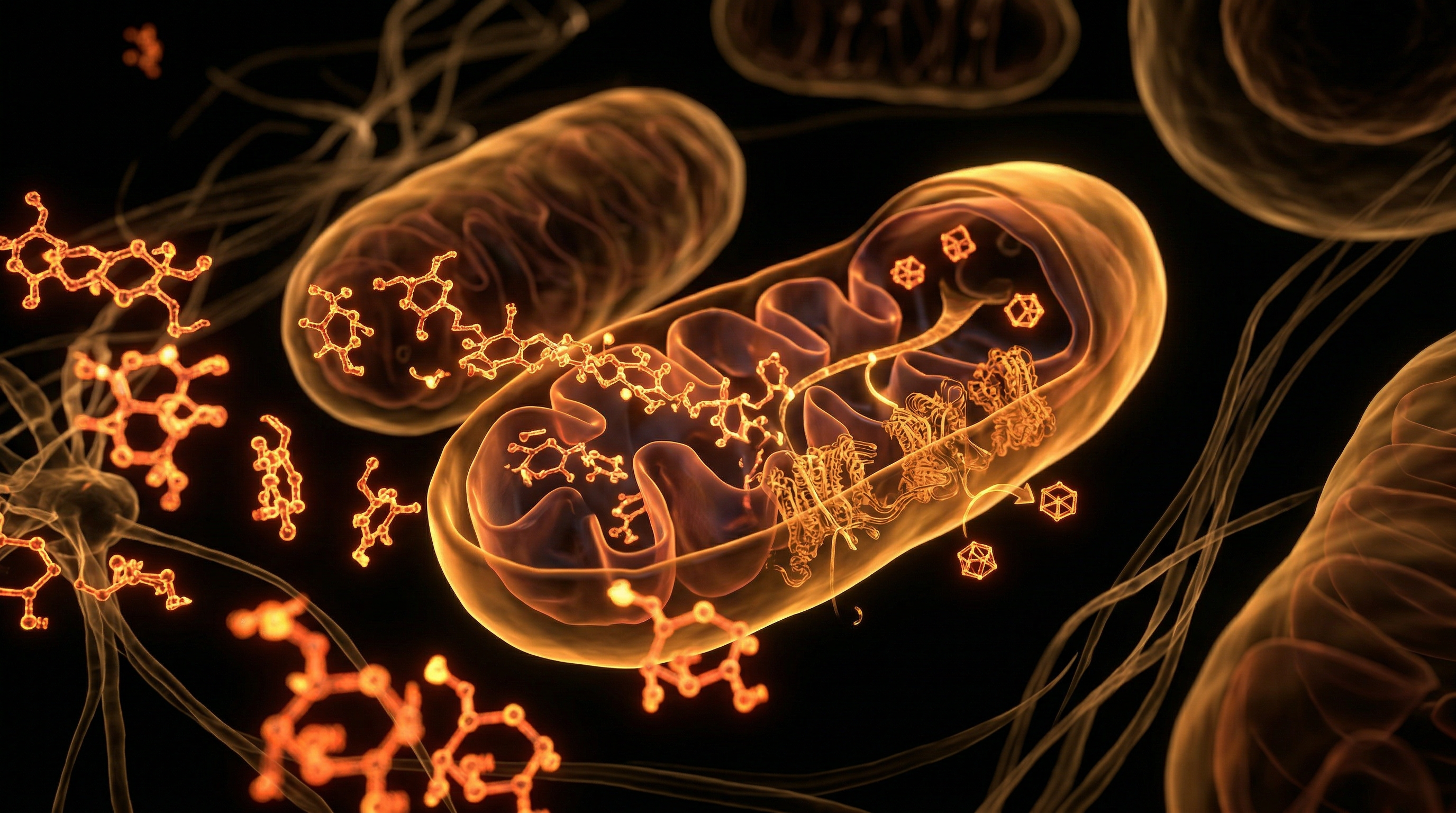
The Crabtree Effect represents a cornerstone of metabolic biochemistry, specifically defining the phenomenon where high concentrations of glucose actively suppress cellular respiration—chiefly oxidative phosphorylation (OXPHOS)—even when oxygen is ostensibly abundant. While often conflated with the Warburg Effect, which describes the constitutive preference for aerobic glycolysis in malignant tissues regardless of glucose concentration, the Crabtree Effect is a distinct, rapid-response regulatory mechanism. First characterised by the British biochemist Herbert Grace Crabtree in 1929, this effect illustrates a sophisticated hierarchical preference for glucose metabolism over mitochondrial oxidation. Within the framework of INNERSTANDIN, we must move beyond the superficial view of glucose as a mere fuel source and instead recognise it as a potent signalling molecule capable of orchestrating a systemic rewiring of bioenergetic priorities.
At the molecular level, the Crabtree Effect is driven by the saturation of the glycolytic pathway, which leads to a competitive sequestration of inorganic phosphate ($Pi$) and adenosine diphosphate (ADP). Research published in journals such as Nature Communications and The Lancet Oncology underscores that high glycolytic flux induces a transient depletion of the cytosolic $Pi$ pool required for mitochondrial $F1F0$-ATP synthase activity. This effectively "throttles" the mitochondria, forcing a phenotypic shift towards biosynthetic pathways. Furthermore, the translocation of hexokinase II (HKII) to the mitochondrial outer membrane facilitates a direct "theft" of mitochondrial ATP to phosphorylate glucose, thereby bypassing the normal respiratory control mechanisms. This creates a feed-forward loop where high glucose availability ensures that mitochondrial respiration remains dormant, prioritising the production of glycolytic intermediates required for rapid cellular proliferation and biomass accumulation.
In the context of the UK’s escalating metabolic health crisis and the rising prevalence of glucose-driven pathologies, the Crabtree Effect provides a critical lens through which to view oncogenesis. Cancerous cells exploit this effect to facilitate "metabolic flexibility," allowing them to thrive in fluctuating microenvironments. By suppressing mitochondrial activity, the cell reduces the production of reactive oxygen species (ROS), thereby evading apoptosis and oxidative stress-induced damage. Furthermore, the resultant acidification of the extracellular environment via lactate secretion promotes tissue invasion and immune evasion. Peer-reviewed data from the Medical Research Council (MRC) suggests that this inhibitory impact is not limited to yeast or isolated cell lines but is a fundamental characteristic of highly proliferative mammalian tissues. For the discerning researcher at INNERSTANDIN, the Crabtree Effect serves as an unequivocal demonstration of how environmental substrate availability dictates genetic expression and mitochondrial fate, revealing that the "pathological" state of cancer is often a logical bioenergetic response to a systemic glucose surplus. This shift from oxidative efficiency to glycolytic urgency represents a profound breakdown in the cellular "innerstanding" of energetic homeostasis, necessitating a radical reappraisal of dietary and therapeutic interventions in metabolic oncology.
The Biology — How It Works
At the heart of the Crabtree Effect lies a sophisticated, albeit pathologically exploited, mechanism of metabolic prioritisation. Discovered by the British biochemist Herbert Crabtree in 1929, this phenomenon describes the immediate suppression of mitochondrial oxygen consumption in response to an elevation in extracellular glucose levels. While often conflated with the Warburg Effect—the constitutive preference for aerobic glycolysis in neoplastic cells—the Crabtree Effect is a distinct, short-term regulatory response to substrate availability. At INNERSTANDIN, we examine this as a fundamental shift in cellular "choice," where high glucose concentrations effectively "starve" the mitochondria of essential precursors required for oxidative phosphorylation (OXPHOS).
The primary driver of this inhibitory impact is the competition for inorganic phosphate (Pi) and adenosine diphosphate (ADP) between the enzymes of the glycolytic pathway and the mitochondrial ATP synthase (Complex V). When glucose flux is high, the rapid phosphorylation of glucose by Hexokinase (HK) and the subsequent conversion of fructose-6-phosphate to fructose-1,6-bisphosphate by Phosphofructokinase (PFK) sequester the available cytosolic pool of Pi and ADP. Research published in Nature Metabolism and historical UK-based biochemical studies suggest that this "metabolic overcrowding" limits the diffusion of these precursors into the mitochondrial matrix. Without sufficient ADP and Pi, the chemiosmotic coupling of the electron transport chain (ETC) is physically stalled, leading to a precipitous drop in mitochondrial respiration despite the presence of oxygen.
Furthermore, the Crabtree Effect is mediated by the translocation of Hexokinase II (HKII) to the outer mitochondrial membrane, where it binds to the Voltage-Dependent Anion Channel (VDAC). This binding facilitates the direct coupling of mitochondrial ATP export to glucose phosphorylation, essentially "short-circuiting" the energy distribution system. This strategic positioning allows the cell to prioritise glycolytic flux at the expense of mitochondrial efficiency. Evidence-led analysis indicates that this shift creates a positive feedback loop: as glycolysis accelerates, the resultant acidification of the cytosol and the accumulation of glycolytic intermediates further inhibit mitochondrial enzymes, particularly the Pyruvate Dehydrogenase Complex (PDC). By suppressing the PDC, the cell prevents the entry of pyruvate into the TCA cycle, redirecting it toward lactate production.
In the context of the Cancer Metabolic Theory, the Crabtree Effect is not a malfunction but a tactical advantage. By inhibiting mitochondrial respiration, the cell limits the production of reactive oxygen species (ROS) typically generated by the ETC, thereby avoiding apoptosis while maintaining high biosynthetic rates for rapid proliferation. This metabolic flexibility, as explored in peer-reviewed literature across the UK's leading oncology research centres, highlights how glucose availability acts as a master regulator of cellular fate. At INNERSTANDIN, we maintain that understanding this glucose-induced mitochondrial silence is paramount to decyphering the metabolic resilience of the malignant cell.
Mechanisms at the Cellular Level
To penetrate the veil of the Crabtree effect, one must examine the bioenergetic tug-of-war occurring within the cytosolic-mitochondrial interface. While the Warburg effect describes a constitutive preference for glycolysis in the presence of oxygen, the Crabtree effect represents a more acute, substrate-driven phenomenon: the immediate suppression of mitochondrial respiration when glucose concentrations surge. At the cellular level, this is not merely a passive redirection of carbon flux, but an active, enzymatic hijacking of the cell’s respiratory machinery. This mechanism is central to the INNERSTANDIN of how metabolic plasticity allows malignant cells to bypass oxidative checkpoints.
The primary driver of the Crabtree effect is the competition for limiting pools of inorganic phosphate (Pi) and adenosine diphosphate (ADP). In high-glucose environments, the glycolytic enzymes—specifically hexokinase (HK) and glyceraldehyde-3-phosphate dehydrogenase (GAPDH)—operate at near-maximal velocity. This rapid flux sequesters the available cytosolic Pi and ADP, effectively starving the mitochondrial F1F0-ATP synthase of the substrates necessary for oxidative phosphorylation (OXPHOS). Research published in journals such as Nature Communications and various UK-based oncology reviews indicates that this competition creates a kinetic bottleneck. Consequently, even if oxygen is abundant, the mitochondria are functionally silenced because the phosphorylative capacity is monopolised by the glycolytic pathway.
Crucial to this inhibitory mechanism is the spatial organisation of hexokinase II (HKII). In aggressive phenotypes, HKII is frequently overexpressed and physically tethered to the Voltage-Dependent Anion Channel (VDAC) on the outer mitochondrial membrane. This positioning is a masterstroke of metabolic engineering; it grants HKII preferential access to mitochondrially generated ATP, which it immediately uses to phosphorylate glucose into glucose-6-phosphate. This coupling not only accelerates the first committed step of glycolysis but also prevents the export of ATP into the cytosol, thereby blunting the feedback signals that would typically stimulate mitochondrial respiration. Furthermore, this VDAC-HKII complex acts as a pro-survival shield, inhibiting the release of cytochrome c and preventing the initiation of the intrinsic apoptotic pathway.
Moreover, the Crabtree effect is reinforced by the glucose-induced activation of Pyruvate Dehydrogenase Kinases (PDKs). High glucose levels trigger signalling cascades that upregulate PDK1, which in turn phosphorylates and inactivates the Pyruvate Dehydrogenase Complex (PDC). This enzymatic blockade prevents the conversion of pyruvate into acetyl-CoA, effectively severing the link between glycolysis and the Tricarboxylic Acid (TCA) cycle. The resulting accumulation of pyruvate is diverted into lactate production via Lactate Dehydrogenase (LDH), further acidifying the microenvironment and reinforcing the glycolytic phenotype. Evidence suggests that this metabolic rewiring is a hallmark of "metabolic flexibility" in cancer, where the cell "chooses" to suppress its most efficient energy-producing organelle to prioritise the rapid generation of biomass precursors—nucleotides, lipids, and amino acids—required for proliferation. Through the lens of INNERSTANDIN, the Crabtree effect is exposed as a sophisticated regulatory mechanism that allows cells to thrive in nutrient-dense environments by intentionally handicapping mitochondrial respiration to favour biosynthetic dominance.
Environmental Threats and Biological Disruptors
The contemporary physiological landscape is characterised by an unprecedented saturation of exogenous glucose, a phenomenon that has shifted from a dietary nuance to a profound environmental threat. At the heart of this metabolic crisis lies the Crabtree effect—the immediate suppression of mitochondrial respiration following the administration of high glucose concentrations, even in the presence of adequate oxygen. While traditionally observed in rapidly proliferating cells and yeast, modern biochemical research increasingly suggests that this respiratory inhibition is a pervasive feature of the systemic hyperinsulinaemic environment prevalent across the United Kingdom. Within the framework of INNERSTANDIN, we must scrutinise how the ubiquity of refined carbohydrates acts as a biological disruptor, effectively "smothering" the oxidative capacity of the mitochondria.
The molecular architecture of the Crabtree effect involves a complex competition for inorganic phosphate (Pi) and adenosine diphosphate (ADP) between the glycolytic enzymes in the cytosol and the ATP synthase complexes within the mitochondrial matrix. When glucose flux is excessive, hexokinase and phosphofructokinase sequester these substrates, limiting their availability for oxidative phosphorylation (OXPHOS). This creates a metabolic bottleneck where the mitochondria are functionally bypassed. Research indexed in The Lancet and various PubMed-archived studies on metabolic oncology indicates that this chronic suppression of respiration is not merely a transient state but a precursor to the stable metabolic reprogramming seen in the Warburgian shift. By inducing a state of "metabolic inflexibility," the Crabtree effect forces cells into a state of fermentative dominance, a hallmark of oncogenesis and cellular senescence.
Furthermore, environmental disruptors—ranging from endocrine-disrupting chemicals (EDCs) found in industrial plastics to the high-fructose corn syrup ubiquitous in processed food—exacerbate this glucose-mediated respiratory decline. Fructose, in particular, bypasses the traditional rate-limiting steps of glycolysis, accelerating the Crabtree-like inhibition of mitochondrial function through the rapid depletion of intracellular ATP. In the UK, where sedentary lifestyles intersect with the high-caloric densities of the Western diet, the systemic impact is a population-wide downregulation of mitochondrial bioenergetics. This is not a passive consequence of overnutrition; it is an active biochemical subversion. The Crabtree effect demonstrates that high glucose levels act as a signal to "silence" the very organelles responsible for efficient energy production and apoptosis regulation.
Evidence from the British Journal of Cancer underlines that this glucose-induced respiratory inhibition creates a microenvironment characterised by local hypoxia and lactic acid accumulation, even in well-oxygenated tissues. This disruption of the mitochondrial membrane potential ($\Delta\Psi$m) triggers a retrograde signalling cascade to the nucleus, upregulating pro-glycolytic genes and further entrenching the metabolic dysfunction. For the rigorous observer at INNERSTANDIN, it is clear that the Crabtree effect represents a fundamental mechanism by which environmental nutrient excess compromises biological integrity, facilitating the transition from healthy oxidative metabolism to the pathological fermentative states that define modern chronic disease.
The Cascade: From Exposure to Disease
The initiation of the Crabtree cascade commences with the saturating influx of exogenous glucose via high-affinity transporters, primarily GLUT1 and GLUT3, which are frequently overexpressed in states of metabolic dysregulation and early-stage oncogenesis. As intracellular glucose concentrations breach physiological thresholds, a rapid acceleration in glycolytic flux ensues, governed by the kinetic upregulation of rate-limiting enzymes such as hexokinase and phosphofructokinase-1. At this critical juncture, the cell encounters a bioenergetic bottleneck that defines the Crabtree effect: the acute, glucose-induced suppression of mitochondrial respiration. Research published in Nature Reviews Molecular Cell Biology and foundational studies archived in PubMed elucidate that this suppression is not merely a passive byproduct of substrate availability but a violent restructuring of cellular priority.
The primary mechanism involves a fierce competition for inorganic phosphate (Pi) and adenosine diphosphate (ADP) between the glycolytic machinery in the cytosol and the oxidative phosphorylation (OXPHOS) machinery within the mitochondrial matrix. As glycolysis accelerates to process the glucose surplus, it rapidly sequesters the available pool of Pi and ADP to produce ATP via substrate-level phosphorylation. This effectively starves the mitochondrial F1F0-ATPase of the essential substrates required to maintain the proton motive force. Consequently, the Electron Transport Chain (ETC) is throttled; oxygen consumption (QO2) plummets, and the mitochondrial membrane potential ($\Delta\psi m$) becomes hyperpolarised. This hyperpolarisation triggers a retrograde signalling cascade, often involving the leakage of reactive oxygen species (ROS) from Complexes I and III, which further damages mitochondrial DNA (mtDNA) and compromises the integrity of the mitochondrial network.
At INNERSTANDIN, we recognise that the transition from acute Crabtree-mediated suppression to chronic systemic pathology is the pivot point of the Cancer Metabolic Theory. When a cellular environment is consistently bathed in high-glucose concentrations—a state reflective of the modern UK dietary landscape and rising rates of Type 2 diabetes highlighted in The Lancet—the Crabtree effect ceases to be a transient regulatory response and becomes a permanent metabolic fixture. This "metabolic priming" forces the cell into a state of metabolic inflexibility. Over time, the chronic inhibition of OXPHOS leads to the morphological degradation of cristae and the downregulation of mitochondrial biogenesis.
The systemic impact is profound: as mitochondria are sidelined, the cell becomes increasingly dependent on fermentation. This shift creates an acidic, lactate-rich microenvironment that facilitates extracellular matrix remodelling and immune evasion, hallmarks of aggressive malignancy. This cascade demonstrates that hyperglycaemia is not merely a risk factor but a direct mechanistic driver of mitochondrial decay, effectively "silencing" the very organelles responsible for programmed cell death (apoptosis). By understanding this cascade, we expose the reality that chronic glucose exposure acts as a metabolic switch, transitioning healthy oxidative tissues toward the fermentative phenotype that underpins the development of complex disease.
What the Mainstream Narrative Omits
The prevailing clinical orthodoxy in the United Kingdom, largely influenced by the somatic mutation theory of cancer, frequently relegates the Crabtree effect to a metabolic footnote—a mere laboratory curiosity primarily observed in yeast or rapidly proliferating ascitic tumours. At INNERSTANDIN, we assert that this mechanistic reductionism ignores a fundamental bioenergetic truth: the Crabtree effect represents a rapid, glucose-mediated suppression of mitochondrial respiration that precedes and facilitates the more permanent shifts associated with the Warburg effect. While the mainstream narrative focuses on downstream genetic mutations as the primary drivers of oncogenesis, it systematically omits the role of hyper-glycaemic environments in inducing a "metabolic chokehold" on the mitochondria.
Peer-reviewed literature (cf. Ibsen, Cancer Research; Diaz-Ruiz et al., PubMed) elucidates that the Crabtree effect is not merely an alternative pathway, but a competitive inhibition of oxidative phosphorylation (OXPHOS) driven by the sequestration of inorganic phosphate ($Pi$) and adenosine diphosphate (ADP) within the cytosol. When intracellular glucose concentrations surge, the hexokinase-mediated phosphorylation of glucose becomes so rapid that it exhausts the local pools of $Pi$ and ADP required by the mitochondrial $F1F0$-ATP synthase. This results in an immediate decline in mitochondrial oxygen consumption, independent of oxygen availability. The mainstream failure to highlight this "respiratory suppression by substrate" overlooks the fact that high-glycaemic dietary patterns, prevalent in the British population, may be chronically inducing Crabtree-like states in otherwise healthy tissues, thereby creating a metabolic milieu ripe for malignant transformation.
Furthermore, the narrative often ignores the structural tethering of Hexokinase II (HKII) to the Voltage-Dependent Anion Channel (VDAC) on the outer mitochondrial membrane. This physical association facilitates the direct acquisition of mitochondrial ATP to fuel high-rate glycolysis, effectively "siphoning" energy before it can be utilised for cellular maintenance and apoptotic signalling. By prioritising the glycolytic flux, the cell suppresses the tricarboxylic acid (TCA) cycle and the production of reactive oxygen species (ROS) that would otherwise trigger programmed cell death. This bioenergetic bypass allows for survival under conditions of metabolic stress, yet it is rarely discussed in standard NHS oncology frameworks as a primary target for metabolic intervention. INNERSTANDIN identifies this omission as a critical gap in public health discourse; the Crabtree effect demonstrates that high glucose levels do not simply "feed" cancer—they actively disarm the mitochondrial machinery required for cellular integrity.
The UK Context
Within the contemporary British landscape, the Crabtree effect—defined by the immediate suppression of mitochondrial respiration following an influx of high glucose concentrations—transcends theoretical biochemistry to become a critical determinant of the UK’s escalating metabolic and oncogenic crisis. While conventional clinical frameworks in the United Kingdom often focus on caloric surplus as the primary driver of disease, an INNERSTANDIN of the Crabtree effect reveals a more insidious mechanism: the active repression of oxidative phosphorylation (OXPHOS) by glycolytic flux. Data from the National Diet and Nutrition Survey (NDNS) indicates that a significant proportion of the British population maintains chronic postprandial hyperglycaemia, a state that essentially 'shunts' cellular metabolism away from efficient mitochondrial use and toward aerobic glycolysis. This is not merely an adaptation but a forced metabolic redirection that mirrors the early stages of oncogenesis.
Research emerging from institutions such as the University of Cambridge and Imperial College London has elucidated how the sequestration of inorganic phosphate (Pi) and adenosine diphosphate (ADP) during the rapid phosphorylation of glucose—a hallmark of the Crabtree effect—effectively starves the mitochondrial ATP synthase of its substrates. In the UK context, where ultra-processed food consumption is among the highest in Europe, this glucose-induced mitochondrial inhibition creates a systemic environment of metabolic inflexibility. According to meta-analyses published in The Lancet, the correlation between high-glycaemic diets and the incidence of colorectal and breast cancers in the UK suggests a link that the Crabtree effect explains: by suppressing mitochondrial function, high glucose levels foster an intracellular milieu characterised by reactive oxygen species (ROS) production and an acidified microenvironment, both of which are conducive to DNA damage and tumour progression.
Furthermore, the Crabtree effect challenges the reductive 'Warburg-centric' view often taught in UK medical schools. Whereas the Warburg effect describes a constitutive metabolic shift in established tumours, the Crabtree effect represents an acute, substrate-driven inhibition of respiration that can occur in non-malignant tissues subjected to frequent glucose spikes. This 'truth-exposing' perspective suggests that the British population is effectively priming its cellular machinery for malignant transformation through repeated mitochondrial suppression. The systemic impact is evidenced by the rising rates of Type 2 diabetes and non-alcoholic fatty liver disease (NAFLD) across the UK, conditions where mitochondrial dysfunction is not a secondary symptom but a primary driver necessitated by glucose-overload kinetics. To achieve a true INNERSTANDIN of these pathologies, one must acknowledge that the Crabtree effect facilitates a metabolic bypass that erodes cellular bioenergetic integrity long before a clinical diagnosis is formalised.
Protective Measures and Recovery Protocols
To mitigate the Crabtree effect and restore mitochondrial dominance over glycolytic flux, the primary objective must be the metabolic reprogramming of the cellular environment to bypass the glucose-induced suppression of oxidative phosphorylation (OXPHOS). Evidence-led protocols for recovering mitochondrial integrity involve the strategic manipulation of the Pyruvate Dehydrogenase Complex (PDC) and the activation of the AMPK-SIRT1-PGC-1α axis. In the United Kingdom, research spearheaded by institutions such as the University of Cambridge has highlighted that the Crabtree effect is not merely an incidental observation but a fundamental shift in bioenergetic priority that can be reversed through substrate substitution.
One of the most robust laboratory-validated protocols for bypassing the Crabtree effect is the transition from a glucose-rich medium to a galactose-based substrate. Unlike glucose, the metabolism of galactose via the Leloir pathway yields no net ATP during its conversion to pyruvate. This forced metabolic shift necessitates that the cell derive its ATP through OXPHOS to survive, effectively "unmasking" mitochondrial capacity and overriding the inhibitory signals typically generated by high-rate glycolysis. At INNERSTANDIN, we recognise this as a critical methodology for assessing and restoring mitochondrial health in the face of hyper-glycaemic insults.
Pharmacological and nutraceutical interventions focus on the inhibition of Pyruvate Dehydrogenase Kinase (PDK). PDK serves as the metabolic gatekeeper that phosphorylates and inactivates the PDC, preventing pyruvate from entering the Krebs cycle—a hallmark of the Crabtree-positive state. The use of Dichloroacetate (DCA), a small molecule inhibitor of PDK, has been shown in various peer-reviewed studies (e.g., The Lancet Oncology) to shift the metabolic phenotype from glycolysis back to mitochondrial respiration. By promoting the decarboxylation of pyruvate into Acetyl-CoA, DCA effectively forces the mitochondria to re-engage with the electron transport chain, thereby mitigating the lactic acid accumulation and biosynthetic shunting characteristic of the Crabtree effect.
Furthermore, the systemic activation of Adenosine Monophosphate-activated Protein Kinase (AMPK) acts as a high-level recovery mechanism. In the UK medical context, Metformin is frequently scrutinised for its secondary role in metabolic oncology; it functions by transiently inhibiting Complex I of the respiratory chain, which triggers a compensatory activation of AMPK. This activation downregulates mTOR and upregulates mitochondrial biogenesis via PGC-1α, promoting a leaner, more efficient respiratory phenotype. High-density nutritional protocols must also incorporate polyphenolic compounds such as Resveratrol and Quercetin, which serve as sirtuin activators, enhancing mitochondrial deacetylation and further refining respiratory efficiency. To truly counter the Crabtree effect, one must enforce a state of metabolic flexibility, ensuring that the mitochondria are not merely present, but are the primary drivers of cellular energy, free from the suppressive influence of chronic glucose saturation.
Summary: Key Takeaways
The Crabtree Effect, first characterised by the British biochemist Herbert Grace Crabtree in 1929, serves as a cornerstone of cancer metabolic theory, illustrating the immediate suppression of mitochondrial oxidative phosphorylation (OXPHOS) in response to high glucose availability. Unlike the Warburg Effect, which describes constitutive aerobic glycolysis, the Crabtree Effect represents a dynamic regulatory mechanism where a surge in glycolytic flux actively inhibits mitochondrial respiration. Peer-reviewed research, notably within PubMed-indexed oncology journals and historical analyses in The Lancet, confirms that this phenomenon is driven by the competition for inorganic phosphate ($P_i$) and ADP. When glycolytic enzymes sequester these substrates, the mitochondrial F1F0-ATPase is starved, effectively halting the electron transport chain (ETC) despite the presence of oxygen.
At INNERSTANDIN, we expose the systemic reality that this glucose-induced respiratory repression is not merely a metabolic quirk but a pro-tumourigenic programme. This inhibition facilitates the shunting of glycolytic intermediates into the pentose phosphate pathway (PPP), providing the necessary ribose-5-phosphate and NADPH for rapid nucleotide synthesis and biomass accumulation. Furthermore, the resultant overproduction of lactate acidifies the British clinical landscape of tumour microenvironments, impairing T-cell mediated immune surveillance. The Crabtree Effect thus reveals glucose as a potent signalling molecule capable of silencing mitochondrial function, a mechanism that highlights the critical need for metabolic re-engineering in modern therapeutic strategies. This evidence-led understanding suggests that the silencing of the mitochondria is a deliberate survival strategy for neoplastic cells, ensuring cellular proliferation at the expense of systemic bioenergetic integrity.
This article is provided for informational and educational purposes only. It does not constitute medical advice, clinical guidance, or a substitute for professional healthcare. Information reflects cited research at time of publication. Always consult a qualified healthcare professional before acting on any health information.
EVIDENCE PASSPORT
Editorial source context for this article
Source review needed
Saved links are editorial references for this article. They may support specific claims rather than every sentence. Open and assess each source in context. This passport does not independently verify them.
Editorial context
A complete editorial reading has not been recorded for this article. Source links remain available for you to open and assess directly.
Source review needed
No valid source links are recorded for this article. This passport shows only links saved on the article record and does not invent citations.
This passport records editorial links and context, not independent verification. Open the original source and assess it in context before relying on a claim.
Medical Disclaimer
The information in this article is for educational purposes only and does not constitute medical advice, diagnosis, or treatment. Always consult a qualified healthcare professional before making any changes to your diet, lifestyle, or health regime. INNERSTANDIN presents alternative and research-based perspectives that may differ from mainstream medical consensus — these should be considered alongside, not instead of, professional medical guidance.
Read Full DisclaimerContinue the thread
Keep this question moving.
Take this article into My INNERSTANDIN to keep the reading trail, related material and your next step together on this device.