
Lipid Rafts: Crucial Platforms for Cell Signaling
Updated May 2026
Cholesterol-rich lipid rafts are essential for the structural integrity and signaling capabilities of cell membranes. This deep dive explains how membrane lipid composition affects every biological process from immunity to neurology.
Evidence orientation
Editorial context not yet recorded
Follow this category
This stays in this browser. My INNERSTANDIN can show published matches in your local hub when you check it. It does not send email, push, or alert notifications.
Local learning review
A private browser aid for revisiting ideas. It is not an alert or a health recommendation.
Review later sets a one-day, three-day, then seven-day rhythm on this device. Choose it only when you want to revisit this article.
Overview
The history of cell biology is often presented as a series of settled conclusions, yet the most critical frontier of human physiology remains largely misunderstood by the general public and significantly undervalued by mainstream clinical practice. For decades, the plasma membrane was taught as a simple, homogenous "fluid mosaic"—a passive bag of lipids holding the cell’s internal machinery together. This reductive view has proven not only incomplete but dangerously simplistic.
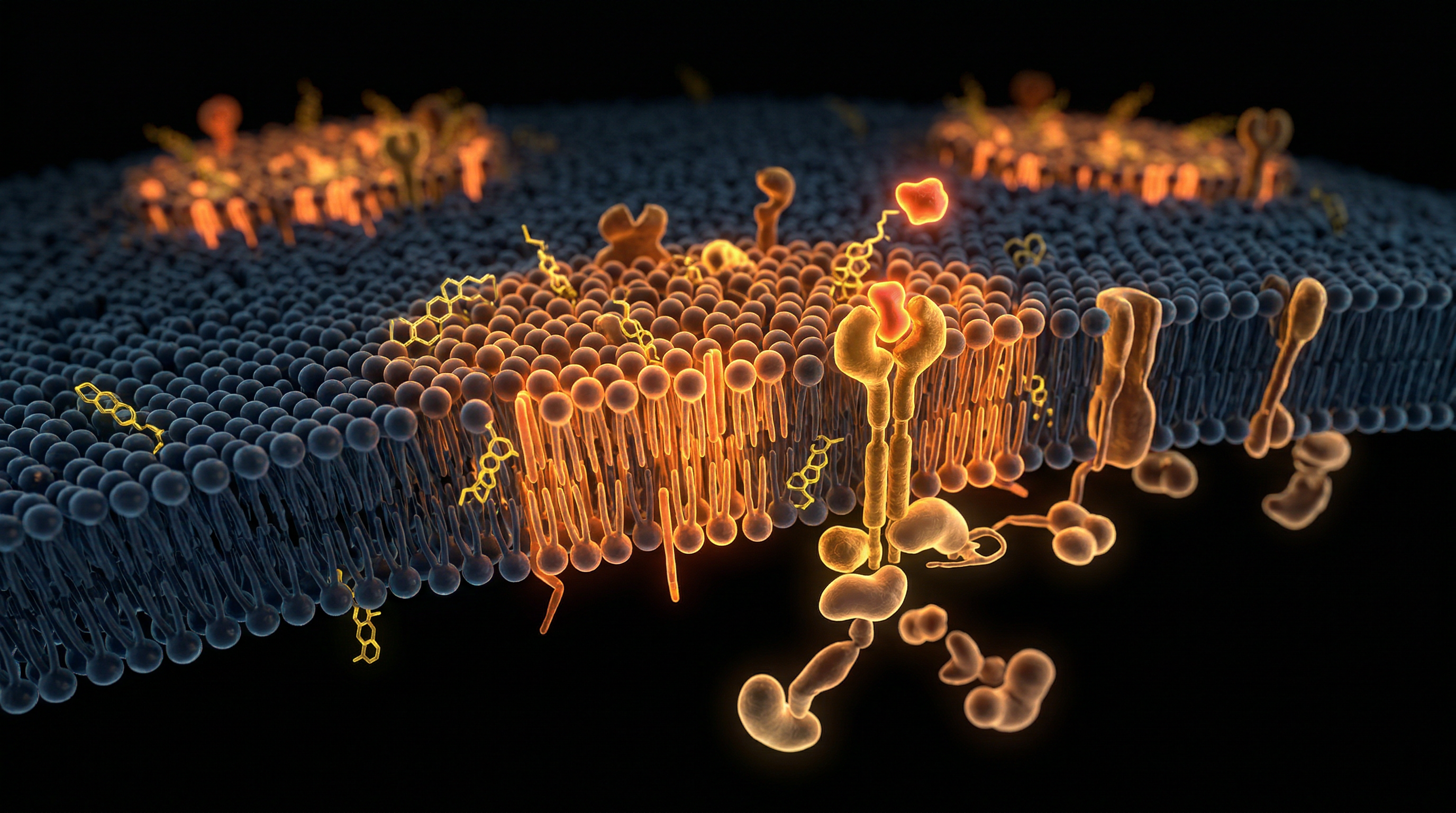
At the heart of modern cellular regulation lies a complex, dynamic, and highly organised architecture known as Lipid Rafts. These are heterogeneous, highly ordered microdomains within the cell membrane, enriched with cholesterol and sphingolipids. Rather than being a random sea of fats, the membrane is a sophisticated biological circuit board where lipid rafts act as the primary "switching stations" for signal transduction, protein sorting, and pathogen entry.
In this deep dive for INNERSTANDING, we explore how these microscopic platforms orchestrate the very essence of life. We will examine why the structural integrity of lipid rafts is the silent arbiter of health and disease, and how contemporary environmental and pharmaceutical interventions are inadvertently dismantling these crucial platforms, leading to a cascade of chronic neurological and immunological pathologies.
The human body contains approximately 37 trillion cells; every single one of them relies on the precise lipid composition of its membrane rafts to interpret signals from the environment. Without raft integrity, cellular communication ceases, and biological chaos ensues.
The Biology — How It Works
To understand lipid rafts, one must first appreciate the concept of Lateral Heterogeneity. While the lipid bilayer is composed of various phospholipids, they are not distributed evenly. Lipid rafts represent a "liquid-ordered" ($Lo$) phase of the membrane, which is distinct from the surrounding "liquid-disordered" ($Ld$) matrix.
The Trio of Composition
The architectural stability of a lipid raft depends on three primary components:
- Cholesterol: The essential "glue" that packs between the fatty acid chains of sphingolipids, increasing membrane packing and decreasing fluidity within the raft.
- Sphingolipids: Characterised by long, typically saturated hydrocarbon chains, these lipids allow for tighter packing compared to the kinked chains of unsaturated phospholipids.
- Glycosphingolipids: These molecules reside on the outer leaflet of the membrane, providing the necessary recognition sites for intercellular communication.
Dynamic Scaffolding
Unlike static structures, lipid rafts are highly dynamic. They can fluctuate in size from 10 to 200 nanometres and can coalesce to form larger "macro-rafts" when triggered by specific stimuli. This ability to aggregate is what allows the cell to bring together necessary proteins—such as receptors and enzymes—that would otherwise be too far apart to interact.
The "Raft Hypothesis," first proposed by Simons and Ikonen in 1997, suggests that these domains function as sorting platforms. In the secretory pathway, rafts help direct proteins to the correct destination on the cell surface. Without this sorting mechanism, the internal logistics of the cell would collapse, leading to proteins being expressed in the wrong locations or not at all.
Mechanisms at the Cellular Level
Lipid rafts serve as the primary hubs for Signal Transduction. If we imagine the cell as a smart city, the lipid rafts are the telecommunication towers. When a ligand (such as a hormone or neurotransmitter) binds to a receptor located within or near a raft, the raft provides the structural environment for that signal to be amplified and transmitted into the cell.
Protein Partitioning
Proteins are not distributed randomly across the membrane. They are "partitioned" based on their affinity for the raft environment.
- GPI-anchored proteins: These are almost exclusively found within rafts and are involved in cell signalling and recognition.
- Src-family kinases: These are crucial signalling enzymes that remain "cloistered" within the raft, ready to trigger a cascade the moment a receptor is activated.
- G-protein coupled receptors (GPCRs): Many of these essential receptors rely on the cholesterol-rich environment of the raft to maintain their functional conformation.
The Immunological Synapse
Perhaps the most striking example of raft mechanism is the Immunological Synapse. When a T-cell (a vital part of the immune system) encounters an antigen-presenting cell, the lipid rafts on the T-cell’s surface rapidly coalesce at the point of contact. This clustering brings together all the necessary signalling molecules to activate the T-cell.
Research has shown that depleting cholesterol from the T-cell membrane effectively "blinds" the immune system, preventing the formation of the immunological synapse and rendering the T-cell incapable of responding to threats.
Endocytosis and Viral Entry
Rafts also regulate how substances enter the cell. Caveolae, a specific type of lipid raft characterised by the protein caveolin-1, form small indentations in the membrane used for transporting large molecules. Unfortunately, this same mechanism is hijacked by pathogens. Many viruses, including influenza and certain coronaviruses, utilise lipid rafts as their preferred entry points into the human host cell.
Environmental Threats and Biological Disruptors
In the modern world, the delicate balance of membrane lipids is under constant assault. The structural integrity of lipid rafts is highly sensitive to the chemical and electromagnetic environment.
The Statin Intervention
The most significant pharmacological threat to lipid raft integrity is the widespread use of HMG-CoA reductase inhibitors, commonly known as statins. By design, statins inhibit the synthesis of cholesterol. While the mainstream narrative focuses on lowering "bad" LDL cholesterol in the blood, it ignores the systemic depletion of cholesterol within the cellular membranes themselves.
When membrane cholesterol levels drop below a critical threshold, lipid rafts "melt" into the surrounding disordered membrane. This leads to:
- The dissociation of signalling complexes.
- The failure of neurotransmitter receptors (contributing to "statin brain fog").
- The disruption of glucose transporters (linking statin use to increased Type 2 Diabetes risk).
Dietary Polyunsaturated Fatty Acids (PUFAs)
The industrial shift toward seed oils (rich in Omega-6 PUFAs) has fundamentally altered the fatty acid composition of our membranes. Saturated fats are necessary for the tight packing of lipid rafts. In contrast, highly unstable PUFAs, which are prone to lipid peroxidation, insert themselves into the membrane and increase "disorder." This prevents rafts from forming the stable, ordered platforms required for complex signalling.
Endocrine Disruptors and Xenobiotics
Chemicals such as Bisphenol A (BPA) and certain pesticides have been shown to partition into lipid rafts, displacing natural lipids and altering the "tilt" of transmembrane proteins. This molecular interference can lead to "noisy" signalling, where the cell perceives a hormonal signal that isn't actually there, contributing to the rising rates of hormonal cancers and reproductive issues.
The Cascade: From Exposure to Disease
The disruption of lipid rafts is not a localized event; it initiates a systemic cascade that manifests as chronic disease. Because rafts are ubiquitous across all tissue types, the symptoms of "raftopathy" can appear in various organ systems.
Neurodegeneration: The Alzheimer’s Connection
In the brain, lipid rafts are the sites where the Amyloid Precursor Protein (APP) is processed. Under normal, healthy conditions (with high cholesterol and raft stability), APP is cleaved by alpha-secretase, a process that does not produce toxic plaques. However, when cholesterol levels are disturbed or rafts are disrupted, APP is instead processed by BACE1 (beta-secretase), which resides in the disordered parts of the membrane. This shift results in the formation of Amyloid-Beta plaques, the hallmark of Alzheimer’s disease.
Cardiovascular Integrity
While the mainstream focus is on cholesterol in the blood, the real issue is the health of the Endothelial Cell membrane. Lipid rafts in the lining of our blood vessels regulate the production of Nitric Oxide (NO), which keeps vessels dilated and flexible. Raft disruption leads to endothelial dysfunction, the true precursor to hypertension and atherosclerosis.
Cancer Progression and Metastasis
Cancer cells are known to have "hyper-stabilised" and more abundant lipid rafts compared to healthy cells. They use these platforms to keep growth-signalling pathways (like Akt and Ras) permanently switched "on." Furthermore, rafts facilitate the process of Epithelial-Mesenchymal Transition (EMT), which allows cancer cells to break away from a primary tumour and migrate through the body.
Statistics suggest that over 80% of the proteins involved in cancer cell migration are regulated by or located within lipid raft microdomains.
What the Mainstream Narrative Omits
The refusal to acknowledge the central role of lipid rafts in health is not merely a scientific oversight; it is a structural necessity for the current pharmaceutical model. If the medical establishment admitted that cholesterol-rich rafts were the master controllers of cellular health, the "cholesterol-is-evil" paradigm would collapse.
The "Lipid Hypothesis" vs. The Reality
The mainstream narrative relies on the Lipid Hypothesis, which posits that high blood cholesterol causes heart disease. This hypothesis ignores the fact that cholesterol is an essential structural component of every cell membrane. By treating a "biomarker" (blood cholesterol) rather than focusing on "function" (membrane integrity), modern medicine may be inadvertently causing the very diseases it claims to treat.
The Silencing of Membrane Research
Despite thousands of peer-reviewed papers on lipid rafts, this information rarely reaches clinical guidelines. There is a "knowledge silo" between biophysicists, who understand the importance of membrane order, and General Practitioners, who are trained to view cholesterol as a waste product to be eliminated. This gap ensures that the primary driver of chronic illness—cellular miscommunication—remains unaddressed.
The Bio-Electric Aspect
Mainstream biology remains stubbornly focused on chemical interactions, ignoring the bio-electric nature of the cell. Lipid rafts, due to their high concentration of sphingolipids and cholesterol, act as biological "capacitors," maintaining the electrical charge across the membrane. Environmental factors like Non-Ionizing Radiation (EMFs) interact with these ordered domains, potentially disrupting the "gating" of ion channels. This is a frontier of research that is actively discouraged in the mainstream scientific press.
The UK Context
In the United Kingdom, the crisis of membrane health is particularly acute, driven by a combination of public health policy and the prevalence of ultra-processed food (UPF).
The NICE Guidelines and "Statinisation"
The National Institute for Health and Care Excellence (NICE) has progressively lowered the threshold for statin prescription. Currently, millions of Britons are advised to take statins if they have a 10% or greater risk of cardiovascular disease over ten years. This "blanket" approach to cholesterol reduction is creating a generation of citizens with structurally compromised cell membranes, contributing to the UK’s soaring rates of neurodegenerative disease and "unexplained" chronic fatigue.
The British Diet and "Seed Oil" Culture
The UK consumes more ultra-processed food than any other country in Europe. This diet is laden with refined sunflower and rapeseed oils. As these PUFAs replace traditional animal fats (like butter and tallow) in the British diet, the "building blocks" available for lipid raft construction are fundamentally flawed. We are literally building our bodies out of unstable, oxidisable fats.
Soil Depletion and Micronutrients
Lipid raft function also requires specific co-factors, such as Zinc and Magnesium, to stabilise protein-lipid interactions. UK soil, after decades of intensive farming, is notoriously depleted of these minerals. This means that even those attempting to eat "well" may still lack the micronutrients necessary to maintain membrane architecture.
Protective Measures and Recovery Protocols
Restoring the integrity of your lipid rafts is a foundational step in regaining biological sovereignty. This requires a shift from "reductionist" health to "membrane-centric" living.
1. Prioritise Structural Fats
To build stable lipid rafts, you must provide the body with saturated fats and cholesterol.
- Include: Grass-fed tallow, butter, ghee, and coconut oil. These provide the long-chain saturated fatty acids that create the "liquid-ordered" phase.
- Include: Egg yolks and organ meats. These are the richest sources of dietary cholesterol and phospholipids.
- Avoid: All industrial seed oils (sunflower, rapeseed, soybean, corn). These "membrane disruptors" should be eliminated entirely.
2. Strategic Supplementation
If the membrane has been damaged by years of PUFA consumption or statin use, specific interventions can help:
- Phosphatidylcholine: A key phospholipid that helps repair the membrane bilayer.
- Astaxanthin: A powerful lipid-soluble antioxidant that sits within the membrane and protects the raft lipids from peroxidation.
- Magnesium Glycinate: Essential for the enzymatic processes that manage lipid metabolism and membrane stability.
3. Mitigate Environmental Stressors
Protect your membranes from external "noise":
- EMF Hygiene: Turn off Wi-Fi at night and keep mobile devices away from the body. Lipid rafts act as sensors for electromagnetic fields; reducing the "load" allows for better signalling.
- Circadian Rhythms: Lipid synthesis is regulated by the molecular clock. Ensure deep sleep in total darkness to allow the body to perform membrane "housekeeping" (autophagy of damaged lipids).
4. Re-evaluating Pharmacological Load
Individuals should have a serious, informed discussion with their healthcare provider regarding the necessity of cholesterol-lowering medication. If a statin is deemed absolutely necessary, CoQ10 and high-quality cholesterol intake are essential to mitigate the inevitable damage to lipid rafts.
Summary: Key Takeaways
Lipid rafts are the unsung heroes of cellular biology. They are the sites where the physical world (hormones, pathogens, electrical fields) meets the biological world (gene expression, immune response, thought).
- Rafts are hubs: They are cholesterol-rich microdomains that organise the proteins necessary for life-sustaining signals.
- Cholesterol is structural: It is not a "poison" but the essential glue that gives membranes their functional architecture.
- Disruption leads to disease: When rafts "melt" due to statins, PUFAs, or toxins, the result is cellular miscommunication, leading to Alzheimer’s, cancer, and immune failure.
- Dietary choice is membrane choice: Every fat you consume is a brick in the wall of your cell membranes. Choose stable, saturated fats over unstable, processed ones.
- Sovereignty begins at the membrane: By understanding and protecting these microscopic platforms, we can move beyond the "disease management" model and toward true biological resilience.
The mainstream narrative may continue to ignore the vital role of lipid rafts in favour of profitable, reductive theories. However, for those who look deeper, the evidence is clear: the health of the membrane is the health of the man. Protect your rafts, and you protect your life.
This article is provided for informational and educational purposes only. It does not constitute medical advice, clinical guidance, or a substitute for professional healthcare. Information reflects cited research at time of publication. Always consult a qualified healthcare professional before acting on any health information.
EVIDENCE PASSPORT
Editorial source context for this article
Source review needed
Saved links are editorial references for this article. They may support specific claims rather than every sentence. Open and assess each source in context. This passport does not independently verify them.
Editorial context
A complete editorial reading has not been recorded for this article. Source links remain available for you to open and assess directly.
Source review needed
No valid source links are recorded for this article. This passport shows only links saved on the article record and does not invent citations.
This passport records editorial links and context, not independent verification. Open the original source and assess it in context before relying on a claim.
Medical Disclaimer
The information in this article is for educational purposes only and does not constitute medical advice, diagnosis, or treatment. Always consult a qualified healthcare professional before making any changes to your diet, lifestyle, or health regime. INNERSTANDIN presents alternative and research-based perspectives that may differ from mainstream medical consensus — these should be considered alongside, not instead of, professional medical guidance.
Read Full DisclaimerContinue the thread
Keep this question moving.
Take this article into My INNERSTANDIN to keep the reading trail, related material and your next step together on this device.