
Lymphepithelial Organs: The Biology of the Tonsils and Spleen in Systemic Defence
Updated April 2026
Evidence orientation
Editorial context not yet recorded
Follow this category
This stays in this browser. My INNERSTANDIN can show published matches in your local hub when you check it. It does not send email, push, or alert notifications.
Local learning review
A private browser aid for revisiting ideas. It is not an alert or a health recommendation.
Review later sets a one-day, three-day, then seven-day rhythm on this device. Choose it only when you want to revisit this article.
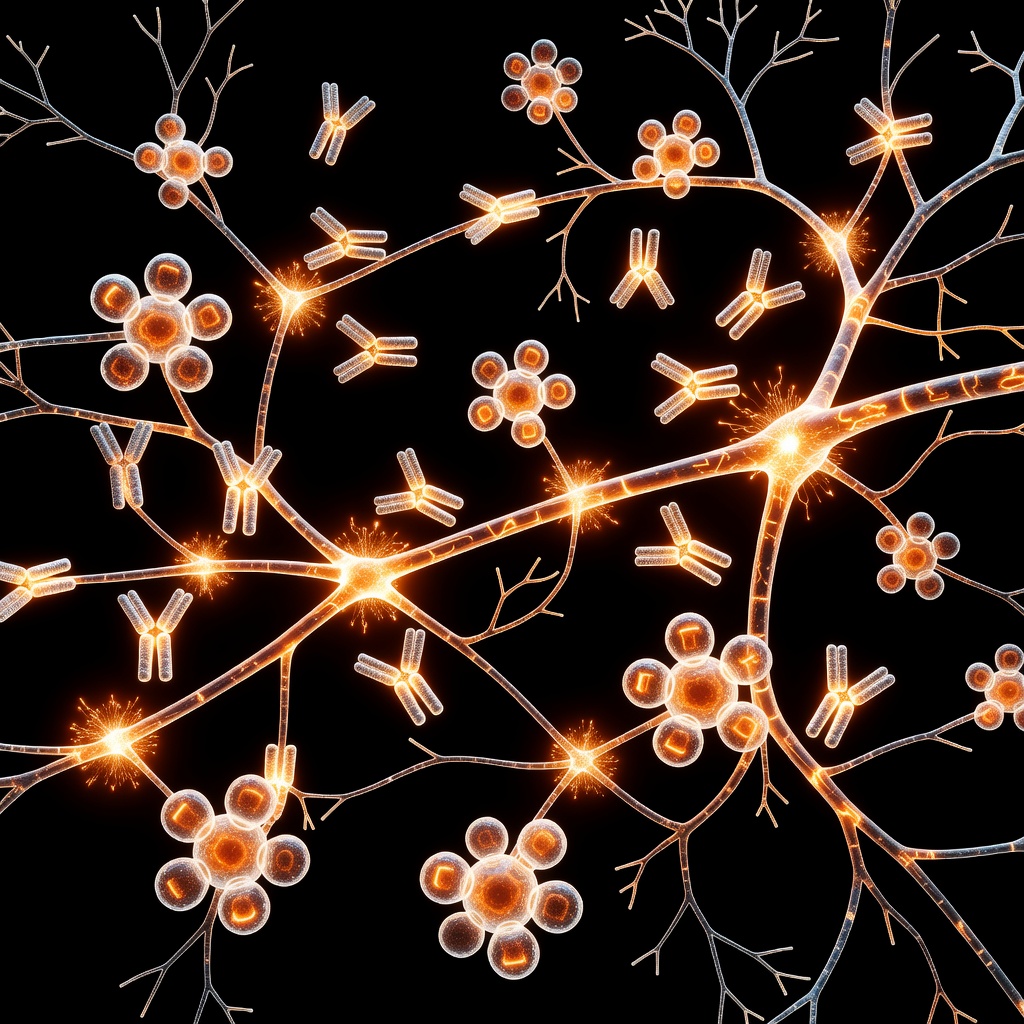
In the landscape of modern medicine, certain organs have long been treated as "optional extras" or evolutionary leftovers. For decades, the tonsils were removed with clinical nonchalance, and the spleen was viewed primarily as a vulnerable organ that could be discarded following trauma. However, at INNERSTANDING, we seek to expose the profound biological truth: these are not redundant structures, but highly specialised lymphepithelial organs that serve as the body’s primary border patrol and internal filtration system.
To understand the lymphatic system is to understand the body’s intelligence in managing waste, identifying invaders, and maintaining systemic homeostasis. This article explores the sophisticated biology of the tonsils and the spleen—the unseen sentinels of your immune architecture.
Overview: The Interface of Epithelium and Immunity
The term lymphepithelial refers to the unique structural marriage between lymphoid tissue (where immune cells congregate) and epithelial tissue (the linings that interface with the external world). These organs sit at the most critical junctions of the human body: the entrance to the respiratory and digestive tracts, and the primary thoroughfare of the circulatory system.
While the heart pumps blood and the lungs exchange gases, the lymphepithelial organs perform immune surveillance. They are the "intelligence agencies" of the body, sampling the environment, identifying pathogens, and "training" the immune system to respond appropriately. Without them, the body is left in a state of immunological ignorance, forced to react to threats only after they have already breached the systemic interior.
The Tonsils: The Sentinels of the Gateway
Often referred to as Waldeyer’s Ring, the tonsils are a collection of lymphoid tissues located in the pharynx. They are the first line of defence against airborne and foodborne pathogens. This ring consists of:
- Palatine Tonsils: Located at the back of the throat.
- Pharyngeal Tonsils (Adenoids): Situated in the nasopharynx.
- Lingual Tonsils: Found at the base of the tongue.
- Tubal Tonsils: Located near the opening of the Eustachian tubes.
Biological Mechanisms of the Tonsils
Unlike lymph nodes, which filter fluid (lymph) from within the body, the tonsils are designed to sample the external environment. They feature deep, convoluted invaginations known as tonsillar crypts.
Key Fact: The tonsillar crypts increase the surface area of the tonsils significantly, allowing the immune system to "catch" and sample a vast array of bacteria, viruses, and environmental particles.
Within these crypts, specialised cells called M-cells (microfold cells) transport antigens from the surface directly to the underlying lymphoid follicles. Here, B-lymphocytes and T-lymphocytes are activated. The tonsils effectively serve as an "educational camp" where the immune system learns to recognise specific threats before they reach the lungs or the stomach.
The Myth of Redundancy
The "truth-exposing" reality is that the routine removal of tonsils—common in the UK during the late 20th century—may have long-term immunological consequences. Recent large-scale studies suggest that those who undergo tonsillectomies in childhood may have an increased risk of respiratory, infectious, and allergic diseases later in life. By removing the "scouts," we force the "main army" (the systemic immune system) to fight blind.
The Spleen: The Master Filter of the Blood
If the tonsils are the border patrol, the spleen is the strategic command centre and high-tech filtration plant. Located in the upper left quadrant of the abdomen, the spleen is the largest single mass of lymphoid tissue in the human body.
The Dual Architecture: Red and White Pulp
The spleen is divided into two distinct functional regions, each vital for systemic health:
- The White Pulp: This is the immunological heart of the spleen. It consists of periarteriolar lymphoid sheaths (PALS) and follicles. It functions similarly to a giant lymph node but for the blood. As blood flows through the white pulp, the spleen monitors for blood-borne pathogens, initiating an immediate immune response if bacteria or viruses are detected.
- The Red Pulp: This region acts as a biological "quality control" centre for red blood cells (erythrocytes). It consists of venous sinuses and splenic cords. Its primary job is culling: identifying and removing old, damaged, or malformed red blood cells.
Key Fact: The spleen is capable of "pitting"—a process where it can remove parasites or damaged inclusions from within a red blood cell without destroying the cell itself.
The Splenic Reservoir
The spleen also serves as a critical reservoir. In times of physiological stress or sudden haemorrhage, the spleen can contract, releasing a concentrated "booster shot" of blood and platelets into the circulation. It is a vital buffer against systemic shock.
Biological Mechanisms: How They Communicate
The tonsils and spleen do not work in isolation. They are part of the Mucosa-Associated Lymphoid Tissue (MALT) and the systemic circulatory surveillance network.
When the tonsils identify a new strain of influenza, they produce memory B-cells. These cells enter the lymphatic circulation and eventually the bloodstream, where the spleen helps distribute the immunological "intelligence" to the rest of the body. This creates a systemic state of readiness. This process, known as lymphocyte trafficking, ensures that an infection caught in the throat results in a whole-body defence strategy.
UK Context & Relevance: The Burden of Modernity
In the United Kingdom, the health of our lymphepithelial organs is under constant siege from environmental and lifestyle factors.
The "Tonsillectomy Culture"
While the NHS has moved away from the "remove-by-default" approach of the 1970s and 80s, thousands of tonsillectomies are still performed annually. While necessary in cases of obstructive sleep apnoea or chronic, debilitating infection, the historical trend of removing tonsils for minor sore throats has left a generation of Britons with a compromised "first-line" defence.
Post-Splenectomy Risks
In the UK, patients who have had their spleen removed (asplenic) or those with a non-functioning spleen (hyposplenic) are at a significantly higher risk of Overwhelming Post-Splenectomy Infection (OPSI). This is particularly relevant regarding encapsulated bacteria such as Streptococcus pneumoniae. The UK clinical guidelines now mandate life-long prophylactic antibiotics and specific vaccination schedules for these individuals, highlighting the spleen's irreplaceable role in managing bacterial threats.
Environmental Factors Affecting Lymphatic Health
Our modern environment poses specific challenges to the tonsils and spleen:
- Air Pollution: Urban centres like London, Birmingham, and Manchester face high levels of particulate matter (PM2.5). These particles are inhaled and must be processed by the tonsils and adenoids. Chronic exposure can lead to lymphoid hyperplasia (permanent swelling), leading to mouth breathing and sleep issues.
- Dietary Inflammants: The British diet, often high in ultra-processed foods and refined sugars, triggers low-grade systemic inflammation. This places a constant "load" on the spleen to filter inflammatory debris and metabolic byproducts.
- The "Indoor" Life: A lack of Vitamin D (notoriously low in the UK population due to limited sunlight) weakens the ability of T-cells in the tonsils and spleen to react to pathogens, leading to the "winter flu season" phenomenon.
Protective Strategies: Supporting Your Lymphepithelial Organs
To maintain the integrity of these vital organs, one must move beyond "treating symptoms" and focus on biological sovereignty.
1. Optimising Lymphatic Drainage
Unlike the circulatory system, the lymphatic system has no pump. It relies on movement.
- Rebounding and Walking: Brisk walking or using a mini-trampoline (rebounder) uses gravity and muscle contraction to "flush" the spleen and move lymph through the tonsillar area.
- Nasal Breathing: Breathing through the nose filters air and allows the adenoids and tonsils to function as intended. Mouth breathing bypasses these filters and dries out the epithelial lining, making it prone to infection.
2. Targeted Nutritional Support
- Vitamin D3 & K2: Essential for the maturation of lymphocytes within the splenic white pulp.
- Zinc: Vital for the structural integrity of the epithelial lining in the throat.
- Antioxidants (Quercetin/Curcumin): These help reduce the oxidative stress on the spleen as it filters the blood.
3. Hydration and "The Clean Rinse"
The lymphatic fluid is mostly water. Dehydration causes the lymph to become "sludgy," making it harder for the spleen to filter blood and for the tonsils to clear debris from their crypts. Drinking structured, filtered water is the simplest way to support these organs.
4. Avoiding Chronic Suppression
Over-reliance on over-the-counter anti-inflammatories for minor throat irritations can mask the "learning process" of the tonsils. Allow the body to mount a controlled inflammatory response (within reason) to "train" your immune system.
Key Takeaways: The INNERSTANDING Perspective
- The Tonsils are Gatekeepers: They are not "evolutionary mistakes" but sophisticated sampling sites that educate your immune system about the external world.
- The Spleen is a Strategic Filter: It simultaneously manages the quality of your blood and serves as the primary site for neutralising blood-borne pathogens.
- The Epithelial Link: The health of your "linings" (throat, gut, skin) determines the workload of your lymphatic organs.
- Prevention over Removal: Surgery should be the last resort. Supporting these organs through movement, nasal breathing, and Vitamin D is essential for long-term systemic defence.
In conclusion, the tonsils and spleen are the unsung heroes of our internal architecture. By understanding their biology, we stop viewing our bodies as a collection of parts to be managed, and start seeing them as an integrated, intelligent system designed for survival. True health is not the absence of symptoms, but the presence of a robust, educated, and well-supported lymphepithelial defence system.
Protect your sentinels, and they will protect you.
This article is provided for informational and educational purposes only. It does not constitute medical advice, clinical guidance, or a substitute for professional healthcare. Information reflects cited research at time of publication. Always consult a qualified healthcare professional before acting on any health information.
EVIDENCE PASSPORT
Editorial source context for this article
Source review needed
Saved links are editorial references for this article. They may support specific claims rather than every sentence. Open and assess each source in context. This passport does not independently verify them.
Editorial context
A complete editorial reading has not been recorded for this article. Source links remain available for you to open and assess directly.
Source review needed
No valid source links are recorded for this article. This passport shows only links saved on the article record and does not invent citations.
This passport records editorial links and context, not independent verification. Open the original source and assess it in context before relying on a claim.
Medical Disclaimer
The information in this article is for educational purposes only and does not constitute medical advice, diagnosis, or treatment. Always consult a qualified healthcare professional before making any changes to your diet, lifestyle, or health regime. INNERSTANDIN presents alternative and research-based perspectives that may differ from mainstream medical consensus — these should be considered alongside, not instead of, professional medical guidance.
Read Full DisclaimerContinue the thread
Keep this question moving.
Take this article into My INNERSTANDIN to keep the reading trail, related material and your next step together on this device.
Explore this in the Body Map
See where this hits your biology. Interactive anatomy, threats, and protective protocols.