
Mechanotransduction and Sound: How Acoustic Stimulation Promotes Collagen Synthesis
Updated April 2026
Evidence orientation
Editorial context not yet recorded
Follow this category
This stays in this browser. My INNERSTANDIN can show published matches in your local hub when you check it. It does not send email, push, or alert notifications.
Local learning review
A private browser aid for revisiting ideas. It is not an alert or a health recommendation.
Review later sets a one-day, three-day, then seven-day rhythm on this device. Choose it only when you want to revisit this article.
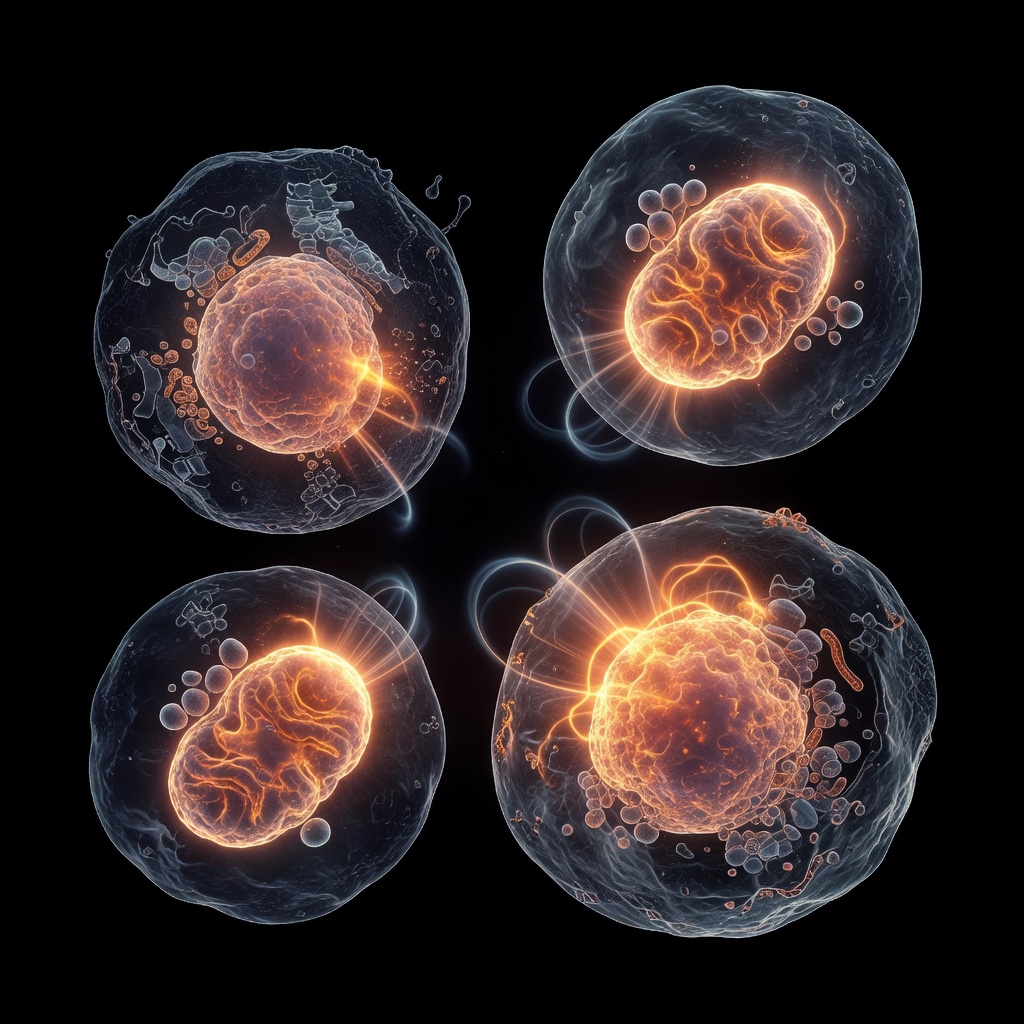
In the contemporary landscape of health and wellness, we are witnessing a paradigm shift—a movement away from purely chemical interventions towards a deeper innerstanding of the body’s energetic and mechanical nature. For decades, the medical establishment has viewed the human body as a biological machine driven solely by hormones and neurotransmitters. However, the emerging field of mechanobiology reveals a more profound truth: our cells are sensory receptors, constantly ‘listening’ to the vibrations of their environment.
At the heart of this intersection between physics and biology lies Mechanotransduction—the process by which cells convert mechanical stimuli, such as sound waves, into biochemical signals. When we explore the realms of Sound Healing and Cymatics, we find that acoustic stimulation is not merely a psychological comfort; it is a fundamental driver of collagen synthesis and structural regeneration.
The Bio-Acoustic Blueprint: What is Mechanotransduction?
To truly grasp how sound heals, one must understand that the human body is essentially a liquid crystal matrix. We are composed of roughly 70% water, a medium that conducts sound five times more efficiently than air. Mechanotransduction is the biological mechanism that allows our cells to sense and respond to the physical pressure of these sound waves.
When a sound wave—a longitudinal pressure wave—travels through the body, it exerts physical force upon the cell membrane. This membrane is not a static wall; it is a dynamic interface equipped with mechanoreceptors known as integrins. These integrins act as bridges between the external environment and the cell’s internal architecture, the cytoskeleton.
"Mechanotransduction is the ‘missing link’ in modern medicine. It proves that the physical vibrations of our environment directly dictate the genetic expression and structural integrity of our tissues."
As the sound wave hits the cell, it triggers a cascade of intracellular events. The mechanical stress deforms the cell slightly, opening ion channels and activating enzymes that tell the nucleus to begin protein production. In this context, sound is not just an auditory experience; it is a physical instruction manual for cellular repair.
The Role of Fibroblasts: The Body’s Architects
The primary target of this acoustic instruction is the fibroblast. Fibroblasts are the most common cells in connective tissue and are responsible for producing the Extracellular Matrix (ECM) and, most importantly, collagen.
Collagen is the most abundant protein in the human body, providing the scaffold for our skin, bones, tendons, and ligaments. As we age, or under conditions of chronic stress, fibroblast activity wanes, leading to the degradation of our structural integrity. Research now demonstrates that specific frequencies and acoustic pressures can ‘wake up’ these fibroblasts, stimulating them to synthesise new collagen fibres through the pathways of mechanotransduction.
Cymatics: The Geometry of Cellular Order
To understand why certain sounds promote healing while others cause disharmony, we must look to Cymatics—the study of visible sound and vibration. When sand or water is placed on a vibrating plate, it organises into intricate geometric patterns. This is not random; it is the manifestation of frequency into form.
Our bodies are subject to these same laws. Harmonic frequencies create coherent patterns within our cellular fluids, promoting structural order. Conversely, discordant noise creates chaos within the fluid matrix, disrupting the delicate process of collagen alignment.
Why Frequency Matters for Collagen
Different tissues respond to different frequencies. While low-frequency sound (20Hz–100Hz) has been shown to improve bone density and tendon repair, higher-frequency resonance can influence the superficial layers of the skin. By utilising coherent sound, we are essentially providing a geometric blueprint that the body’s fibroblasts use to lay down collagen in a functional, organised manner, rather than the chaotic "scar tissue" often seen in poorly healed injuries.
Biological Mechanisms: From Vibration to Protein
How exactly does a vibration become a protein? The process involves several key steps:
- Acoustic Pressure: The sound wave creates a rhythmic compression and expansion of the tissue.
- Cellular Deformation: This pressure physically stretches the plasma membrane of the fibroblast.
- Signal Transduction: The stretching activates stretch-activated ion channels, allowing calcium to flow into the cell.
- Gene Expression: This calcium influx triggers a signalling pathway (such as the MAPK pathway) that reaches the DNA, specifically the genes responsible for Type I and Type III collagen.
- Exocytosis: The newly synthesised collagen is then exported out of the cell to reinforce the extracellular matrix.
This process highlights a vital truth: our physical structure is in a constant state of "vibrational flux." By consciously applying sound, we can direct this flux toward regeneration.
The UK Context: A Growing Need for Acoustic Literacy
In the United Kingdom, we are facing an unprecedented crisis of musculoskeletal disorders and age-related degenerative conditions. The NHS spends billions annually on treating osteoarthritis, skin ulcers, and tendon injuries. Traditionally, the British approach has been heavily reliant on pharmaceutical pain management and invasive surgeries.
However, there is a burgeoning interest in bio-acoustic medicine within UK research institutions. British universities are at the forefront of investigating Low-Intensity Pulsed Ultrasound (LIPUS)—a form of focused acoustic stimulation—to heal non-union fractures and chronic wounds.
Key Fact: In the UK, over 10 million people have arthritis or other, similar conditions that affect the joints. Mechanotransduction through sound offers a non-invasive, cost-effective pathway to support the collagenous structures of these patients.
There is also a cultural shift. From the "Sound Baths" of London and Bristol to the integration of music therapy in hospices, the UK is beginning to recognise that our environment’s "acoustic hygiene" is as important as our diet.
Environmental Factors: The Toxicity of "Noise"
We cannot discuss the benefits of healing sound without addressing the detrimental effects of noise pollution. In our modern, industrialised environment, we are bombarded by "incoherent" frequencies—the hum of electricity, the roar of traffic, and the staccato of digital notifications.
These discordant vibrations are a form of mechanical stress that can lead to:
- Chronic Inflammation: Constant jarring frequencies keep cells in a state of "high alert," inhibiting the calm environment required for collagen synthesis.
- Fibroblast Dysfunction: Incoherent noise can lead to the production of "disorganised" collagen, contributing to premature ageing and stiffening of the arteries.
- Systemic Cortisol Rise: Sound is processed by the nervous system; high noise levels trigger the adrenal glands, and elevated cortisol is a known inhibitor of collagen production.
Protective Strategies: Harnessing Sound for Vitality
To leverage the power of mechanotransduction, we must become the conductors of our own internal symphony. Here are practical strategies to promote collagen synthesis through sound:
1. Therapeutic Ultrasound and Vibration
Devices that provide localised mechanical vibration (such as vibroacoustic platforms) can stimulate collagen in the bones and joints. This is particularly useful for those in the UK looking for alternative ways to manage bone density as they age.
2. Solfeggio Frequencies and Tuning Forks
Specific frequencies, such as 528 Hz (often referred to as the "Transformation" or "DNA Repair" frequency), are believed to resonate with the water molecules surrounding our DNA and proteins. Using high-quality tuning forks on acupuncture points or near the skin can direct mechanical energy specifically to where it is needed.
3. Humming and Vagus Nerve Stimulation
The simplest tool for mechanotransduction is the human voice. Humming creates internal vibration that resonates through the chest and skull. This not only stimulates collagenous membranes but also activates the Vagus Nerve, moving the body from a "stressed" state to a "repair" state, which is the only state in which optimal collagen synthesis occurs.
4. Acoustic Hygiene
- Nature Immersion: Spend time in British woodlands or by the coast. The "pink noise" of wind through trees and the rhythmic crashing of waves provide the fractal, harmonic frequencies our cells evolved to thrive in.
- Silence: True silence allows the body's subtle bio-rhythms to reset, reducing the mechanical "background noise" that interferes with cellular communication.
Key Takeaways: The Future is Vibrational
- Mechanotransduction is the process where cells convert physical sound waves into biochemical actions, such as protein synthesis.
- Collagen is not just for vanity; it is the structural glue of the body, and its production is directly influenced by acoustic pressure.
- Fibroblasts are the primary cells responsible for collagen, and they are highly sensitive to "vibrational instructions."
- Cymatics proves that frequency dictates form; harmonic sounds lead to ordered, healthy biological structures.
- In the UK context, moving toward acoustic medicine could alleviate the burden of chronic degenerative diseases by providing non-invasive regenerative options.
- Noise pollution is a biological toxin that disrupts collagen alignment, making "acoustic hygiene" a necessity for modern health.
The "truth-exposing" reality is that we are not victims of our genetics or our age. We are dynamic, vibrating beings in a constant state of reconstruction. By innerstanding the science of mechanotransduction, we reclaim the power to rebuild our bodies from the cellular level upward, using the most fundamental force in the universe: Sound.
This article is provided for informational and educational purposes only. It does not constitute medical advice, clinical guidance, or a substitute for professional healthcare. Information reflects cited research at time of publication. Always consult a qualified healthcare professional before acting on any health information.
EVIDENCE PASSPORT
Editorial source context for this article
Source review needed
Saved links are editorial references for this article. They may support specific claims rather than every sentence. Open and assess each source in context. This passport does not independently verify them.
Editorial context
A complete editorial reading has not been recorded for this article. Source links remain available for you to open and assess directly.
Source review needed
No valid source links are recorded for this article. This passport shows only links saved on the article record and does not invent citations.
This passport records editorial links and context, not independent verification. Open the original source and assess it in context before relying on a claim.
Medical Disclaimer
The information in this article is for educational purposes only and does not constitute medical advice, diagnosis, or treatment. Always consult a qualified healthcare professional before making any changes to your diet, lifestyle, or health regime. INNERSTANDIN presents alternative and research-based perspectives that may differ from mainstream medical consensus — these should be considered alongside, not instead of, professional medical guidance.
Read Full DisclaimerContinue the thread
Keep this question moving.
Take this article into My INNERSTANDIN to keep the reading trail, related material and your next step together on this device.
Dig deeper in the Library
Free, longform PDF volumes that go beyond headlines into mechanisms and references.