
Melatonin and Immunity: Why Poor Sleep Patterns Age the Thymus
Updated May 2026
Melatonin is not just for sleep; it is a potent antioxidant that protects the thymus from oxidative damage. We explore how the UK’s blue-light epidemic is indirectly destroying our immune resilience.
Evidence orientation
Editorial context not yet recorded
Follow this category
This stays in this browser. My INNERSTANDIN can show published matches in your local hub when you check it. It does not send email, push, or alert notifications.
Local learning review
A private browser aid for revisiting ideas. It is not an alert or a health recommendation.
Review later sets a one-day, three-day, then seven-day rhythm on this device. Choose it only when you want to revisit this article.
Overview
The modern human exists in a state of biological dissonance. While our genetic architecture remains calibrated to the rhythmic cycles of the sun and moon, our environment has been radically transformed into a perpetual, blue-lit noon. As a senior researcher at INNERSTANDING, it is my duty to expose the physiological cost of this artifice. We are currently witnessing an unprecedented acceleration of immunosenescence—the premature ageing of the immune system—and at the heart of this collapse lies the neglected relationship between melatonin and the thymus gland.
For decades, the mainstream medical narrative has relegated melatonin to the status of a simple "sleep aid," a mild hormone to be used for jet lag or occasional insomnia. This is a profound and dangerous reductionism. Melatonin is, in reality, one of the most potent endogenous antioxidants and immunomodulators in the human pharmacopeia. More importantly, it serves as the primary biochemical shield for the thymus, the "master school" where our T-cells are trained to distinguish between self and non-self.
The thymus gland begins a natural process of shrinking, or involution, shortly after puberty. However, the UK’s current epidemic of poor sleep, driven by blue-light saturation and chronic circadian disruption, has turned this gradual decline into a precipitous fall. When we deprive ourselves of deep, restorative darkness, we are not just "tired"; we are effectively dismantling our immune resilience, leaving the body vulnerable to pathogens, autoimmunity, and malignancy. This article explores the molecular mechanisms of this destruction and provides a blueprint for reclaiming your biological sovereignty.
The Biology — How It Works
To understand why sleep patterns dictate immune age, we must first understand the Thymus-Pineal Axis. The pineal gland, located deep within the brain, acts as the body’s light-sensitive clock, secreting melatonin in response to darkness. This secretion is not merely a signal for sleep; it is a systemic broadcast that initiates cellular repair and immune surveillance.
The Thymus: The Seat of Adaptive Immunity
The thymus is a specialized primary lymphoid organ situated in the upper chest. Its sole purpose is the production and "education" of T-lymphocytes (T-cells). These cells are the elite infantry of the immune system. They must be taught to recognise foreign invaders (viruses, bacteria, cancer cells) while ignoring the body’s own healthy tissues. This process of positive and negative selection is metabolically demanding and incredibly sensitive to oxidative stress.
Melatonin: The Mitochondrial Guardian
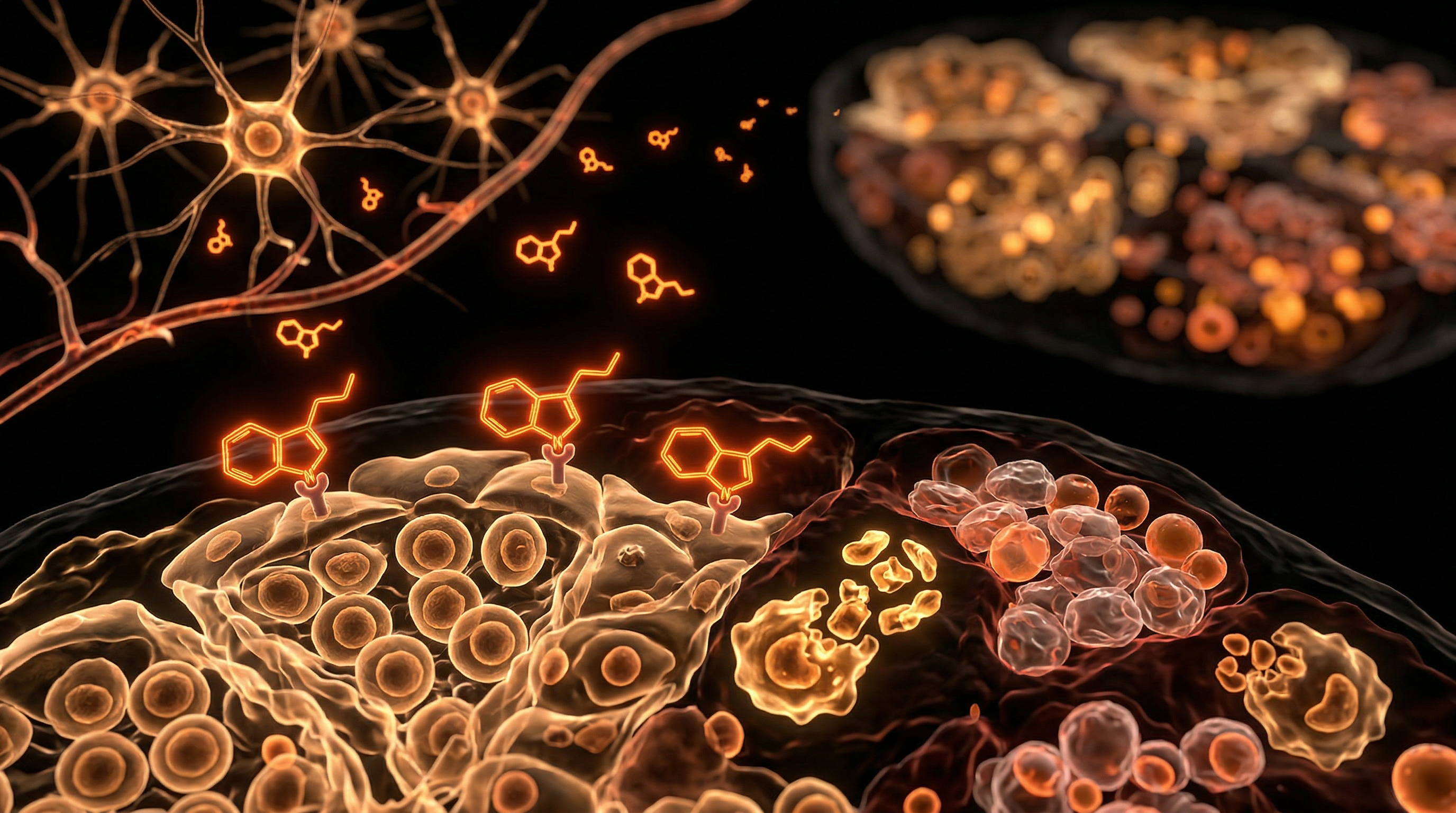
While the pineal gland produces systemic melatonin, we now know that extra-pineal melatonin is synthesised within the mitochondria of almost every cell. However, the systemic surge of melatonin during the night acts as a "reset" for the thymus. Melatonin molecules cross the blood-thymus barrier with ease, binding to specific MT1 and MT2 receptors located on the surface of thymic epithelial cells and developing thymocytes.
Fact: The concentration of melatonin receptors in the thymus is among the highest in the human body, suggesting that the gland is "tuned" to nocturnal rhythms for its primary regenerative work.
The Synergistic Dance
During the hours of darkness, melatonin levels peak, coinciding with a drop in cortisol (the stress hormone). This inverse relationship is critical. Cortisol is actively toxic to the thymus; chronic elevation of cortisol leads to the rapid death of developing T-cells. Melatonin acts as a direct antagonist to this process, buffering the thymus against the corrosive effects of stress hormones and providing the antioxidant environment necessary for T-cell maturation.
Mechanisms at the Cellular Level
The protection melatonin affords the thymus is not merely passive; it involves complex molecular pathways that preserve the integrity of our DNA and the functionality of our mitochondria.
1. Scavenging Free Radicals
The process of T-cell selection generates a massive amount of Reactive Oxygen Species (ROS). If these free radicals are not neutralised, they damage the delicate membranes of the thymocytes, leading to premature apoptosis (cell death). Melatonin is a unique antioxidant because it is "amphiphilic"—it can enter both the watery and fatty parts of the cell. It neutralises hydroxyl radicals more effectively than Vitamin C or E, and it does so without becoming a pro-oxidant itself.
2. Upregulation of Antioxidant Enzymes
Melatonin goes beyond direct scavenging. It acts as a gene transcription regulator, stimulating the production of Superoxide Dismutase (SOD) and Glutathione Peroxidase. These are the body’s "master" antioxidants. By increasing the expression of these enzymes within the thymus, melatonin creates a self-sustaining shield against oxidative damage.
3. Mitochondrial Protection and SIRT1
The thymus requires immense energy to produce T-cells. This energy is provided by the mitochondria. Melatonin protects mitochondrial DNA from mutations and enhances the activity of the Sirtuin 1 (SIRT1) pathway. SIRT1 is often called the "longevity gene"; it regulates cellular ageing and ensures that the "education" process in the thymus remains accurate, preventing the release of self-reactive T-cells that cause autoimmune disease.
4. Cytokine Modulation
Melatonin influences the production of interleukins (IL-2, IL-6, and IL-12). In the thymus, it promotes the secretion of IL-2, which is essential for the proliferation of T-cells. Without sufficient melatonin, the "output" of the thymus drops, leading to a restricted T-cell repertoire—a hallmark of an aged immune system.
Environmental Threats and Biological Disruptors
The primary threat to the melatonin-thymus axis is not an internal failure of the body, but an external assault by modern technology.
The Blue Light Spectrum
The human eye contains intrinsically photosensitive retinal ganglion cells (ipRGCs). These cells are not for seeing shapes, but for detecting light intensity and colour. They are particularly sensitive to the blue light spectrum (450–480nm). When this light hits the retina, it sends a signal to the Suprachiasmatic Nucleus (SCN) to suppress melatonin production instantly.
- LED and OLED Screens: Smartphones, tablets, and laptops emit concentrated peaks of blue light.
- Modern Lighting: Energy-efficient LED bulbs in homes and offices lack the protective red/infrared frequencies found in firelight or old incandescent bulbs.
- Street Lighting: The transition from orange sodium lamps to white/blue LEDs in UK cities has virtually eliminated "biological darkness" for urban residents.
The "Light at Night" (LAN) Epidemic
Even dim light at night can disrupt the pineal gland. Research indicates that as little as 5–10 lux (the brightness of a hallway light) can inhibit melatonin synthesis by up to 50%. This creates a state of "circadian mismatch" where the body’s internal clocks are out of sync with the environment.
Chemical Disruptors
Beyond light, the thymus is under threat from endocrine-disrupting chemicals (EDCs) such as bisphenols and phthalates. These chemicals can mimic oestrogen, which is known to accelerate thymic involution. When combined with the low-melatonin state caused by sleep deprivation, the thymus is hit by a "double whammy" of oxidative stress and hormonal interference.
Statistic: Studies have shown that shift workers, who endure chronic light-at-night exposure, have a 40% higher risk of developing certain cancers, largely attributed to suppressed melatonin and subsequent immune failure.
The Cascade: From Exposure to Disease
What happens when the thymus ages prematurely due to melatonin deficiency? The result is a cascade of systemic failure that we term Immunosenescence.
Step 1: Thymic Atrophy
The gland begins to shrink and be replaced by fatty tissue (adipose). This reduces the volume of "functional" space available for T-cell training.
Step 2: Restricted T-Cell Diversity
The body becomes reliant on "memory" T-cells—those that have already seen a pathogen. However, it loses its ability to produce "naive" T-cells—the blank slates capable of responding to new, emerging viruses or mutations. This is why sleep-deprived individuals are far more susceptible to new strains of influenza or coronaviruses.
Step 3: Chronic Inflammation (Inflammaging)
An aged thymus begins to leak T-cells that are poorly trained. Some are hyper-reactive, leading to chronic low-grade inflammation. This is now recognised as a primary driver of almost all age-related diseases, including heart disease, Alzheimer’s, and Type 2 diabetes.
Step 4: Loss of Self-Tolerance
When the "negative selection" process in the thymus fails, T-cells that attack the body’s own tissues are allowed to enter circulation. This directly correlates with the rising rates of Autoimmune Disorders (Hashimoto's, Rheumatoid Arthritis, Multiple Sclerosis) seen in sleep-deprived modern populations.
Step 5: Failed Cancer Surveillance
T-cells are responsible for identifying and destroying cells that have become cancerous. A "young" immune system catches these cells daily. An "old" immune system—one with an aged thymus—misses them, allowing micro-tumours to establish themselves.
What the Mainstream Narrative Omits
The "Standard of Care" in modern medicine focuses almost exclusively on exogenous interventions—vaccines to stimulate immunity or drugs to suppress inflammation. However, it almost entirely ignores the endogenous regeneration of the immune system through the melatonin-thymus axis.
The Suppression of the "Thymic Rejuvenation" Science
There is compelling evidence that thymic involution can be reversed. Studies involving the administration of melatonin and growth hormone have shown that the thymus can actually regrow and resume T-cell production. Yet, this information is rarely shared by health authorities. Why? Because the "solution" involves lifestyle changes and inexpensive hormones that cannot be easily patented or monetised.
The Melatonin-Sedative Fallacy
Mainstream doctors often warn against melatonin supplements, claiming they will "shut down" your body’s own production. This is demonstrably false. Unlike cortisol or testosterone, melatonin does not operate on a negative feedback loop in the same way. More importantly, the medical establishment fails to distinguish between the circadian role of melatonin and its cytoprotective role. Even if you "feel" rested, your thymus may still be starving for the high-peak melatonin levels required for repair.
The Glymphatic System Connection
Only recently has science acknowledged the glymphatic system—the brain’s waste-clearance mechanism that operates only during deep sleep. Melatonin is the "key" that opens the glymphatic gates. When sleep is fragmented by blue light, the brain and the thymus are both left to simmer in their own metabolic waste, accelerating the ageing process of both the nervous and immune systems.
The UK Context
The United Kingdom faces a unique set of challenges regarding melatonin and immune health. The "British lifestyle" is particularly detrimental to the thymus for several reasons.
1. The Grey Sky Paradox
The UK’s lack of intense morning sunlight is a major hurdle. To produce high levels of melatonin at night, the body needs exposure to bright, full-spectrum light (specifically infrared and blue light from the sun) in the morning to "set" the circadian clock. The perpetually overcast British weather, combined with an indoor-centric office culture, means most Britons never get the 10,000 lux required to anchor their rhythm.
2. High Screen-Time Metrics
Statistics show that the average UK adult spends over 6 hours a day looking at screens, with a significant portion of that occurring after sunset. This "digital twilight" is a primary driver of the nation’s burgeoning sleep crisis.
3. The Shift-Work Economy
The UK has one of the highest rates of night-shift work in Europe. From NHS staff to logistics drivers, millions are forced into a schedule that is biologically incompatible with thymic health.
4. Vitamin D Synergy
The UK population is chronically deficient in Vitamin D. Vitamin D and melatonin work synergistically; Vitamin D acts as a hormone that regulates the immune system’s response, while melatonin protects the hardware (the thymus). Without both, the immune system is effectively "operating blind" and "without armour."
Callout: NHS data indicates that nearly 1 in 3 adults in the UK suffer from sleep deprivation, correlating perfectly with the rising incidence of chronic inflammatory conditions across the British Isles.
Protective Measures and Recovery Protocols
Protecting your thymus and optimising your melatonin levels requires a disciplined, multi-faceted approach. It is about more than just "getting eight hours."
1. The "Digital Sunset" Protocol
To protect the thymus, you must stop the inhibition of melatonin at least two hours before bed.
- Blue-Blocking Glasses: Use high-quality, orange-tinted glasses that filter out 100% of light below 550nm.
- Lighting Transition: Replace LED bulbs in the bedroom and bathroom with red incandescent bulbs or candlelight.
- Screen Ban: No smartphones or tablets in the bedroom. The bedroom must be a "sanctuary of darkness."
2. Strategic Sunlight Exposure
You cannot have a deep "biological night" without a clear "biological day."
- Morning Light: Spend 20 minutes outside before 10:00 AM, even if it is cloudy. This triggers the suppression of melatonin and the timed release of cortisol, ensuring the cycle begins correctly.
- Midday Boost: Exposure to sunlight during the day increases the production of subcellular melatonin in the mitochondria, providing a local shield for your cells.
3. Nutritional Support for the Thymus
The thymus requires specific raw materials to function:
- Zinc: The most critical mineral for thymic function. Zinc deficiency causes rapid thymic atrophy.
- Vitamin C & E: To support melatonin’s antioxidant work.
- Tryptophan-Rich Foods: Turkey, eggs, and pumpkin seeds provide the precursor for serotonin, which is then converted to melatonin.
- Magnesium: Magnesium is a co-factor in the synthesis of melatonin. Most UK diets are severely lacking in it.
4. Targeted Supplementation
While "natural is best," the modern environment often necessitates intervention.
- Low-Dose Melatonin: For many, 0.3mg to 1mg of melatonin (physiological doses) can help "reset" the rhythm. Higher doses (3mg+) may be necessary for short-term immune recovery but should be used under guidance.
- Thymic Glandulars: Some practitioners suggest bovine thymic extracts to provide the peptides necessary for T-cell maturation, though clinical evidence is still emerging.
5. Temperature Regulation
The thymus and the pineal gland are sensitive to temperature. A cool sleeping environment (around 18°C) encourages the deep, slow-wave sleep phases where the most significant immune repair occurs.
Summary: Key Takeaways
The link between melatonin and the thymus is the missing piece in the puzzle of modern health. By understanding and respecting this axis, we can halt—and potentially reverse—the ageing of our immune systems.
- The Thymus is Not Disposable: While it shrinks with age, this process is being unnaturally accelerated by our light-polluted environment.
- Melatonin is an Immune Shield: Its role goes far beyond sleep; it is a master antioxidant that prevents the "school of immunity" from burning down.
- Blue Light is a Biological Toxin: Constant evening exposure to 480nm light is a direct assault on your T-cell production.
- UK Vulnerability: The combination of grey skies, screen addiction, and Vitamin D deficiency makes the British population particularly prone to immunosenescence.
- Regeneration is Possible: Through digital sunsets, morning light, and targeted nutrition (Zinc, Magnesium), you can reclaim your thymic health and build lasting resilience.
The choice is yours: remain a victim of the blue-light epidemic, or take control of your biological rhythms and protect the very foundation of your life—your immune system. True INNERSTANDING begins with the recognition that our bodies are not separate from the cycles of the natural world. Turn off the lights, protect your thymus, and let your immune system remember how to defend you.
This article is provided for informational and educational purposes only. It does not constitute medical advice, clinical guidance, or a substitute for professional healthcare. Information reflects cited research at time of publication. Always consult a qualified healthcare professional before acting on any health information.
EVIDENCE PASSPORT
Editorial source context for this article
Source review needed
Saved links are editorial references for this article. They may support specific claims rather than every sentence. Open and assess each source in context. This passport does not independently verify them.
Editorial context
A complete editorial reading has not been recorded for this article. Source links remain available for you to open and assess directly.
Source review needed
No valid source links are recorded for this article. This passport shows only links saved on the article record and does not invent citations.
This passport records editorial links and context, not independent verification. Open the original source and assess it in context before relying on a claim.
Medical Disclaimer
The information in this article is for educational purposes only and does not constitute medical advice, diagnosis, or treatment. Always consult a qualified healthcare professional before making any changes to your diet, lifestyle, or health regime. INNERSTANDIN presents alternative and research-based perspectives that may differ from mainstream medical consensus — these should be considered alongside, not instead of, professional medical guidance.
Read Full DisclaimerContinue the thread
Keep this question moving.
Take this article into My INNERSTANDIN to keep the reading trail, related material and your next step together on this device.
Explore this in the Body Map
See where this hits your biology. Interactive anatomy, threats, and protective protocols.
Dig deeper in the Library
Free, longform PDF volumes that go beyond headlines into mechanisms and references.