Metabolic Remediation of Chronic Oxidative Stress via Targeted Colonic Caffeine Administration
Discuss this resourceUpdated August 2026
An exploration into the physiological mechanisms of coffee enemas, focusing on how caffeine stimulates glutathione S-transferase activity to mitigate systemic oxidative stress within the framework of the Gerson Protocol.
Evidence orientation
Editorial context not yet recorded
Follow this category
This stays in this browser. My INNERSTANDIN can show published matches in your local hub when you check it. It does not send email, push, or alert notifications.
Local learning review
A private browser aid for revisiting ideas. It is not an alert or a health recommendation.
Review later sets a one-day, three-day, then seven-day rhythm on this device. Choose it only when you want to revisit this article.

Chronic oxidative stress acts as the metabolic bedrock of many degenerative conditions. In the realm of holistic detoxification, the practice of targeted colonic caffeine administration—commonly referred to as the coffee enema—remains a cornerstone of the Gerson Protocol. While mainstream narratives often dismiss the practice, the physiological mechanism hinges on the unique pharmacological interaction between caffeine, the enterohepatic circulation, and the liver's enzymatic machinery.
The Enterohepatic Pathway
Unlike oral caffeine consumption, which subjects the compound to the gauntlet of stomach acid and upper digestive metabolism, colonic administration bypasses the gastric phase. When the coffee solution is introduced via the rectum, it travels through the hemorrhoidal vein into the portal venous system, delivering the alkaloids—caffeine and theobromine—directly to the liver. This targeted delivery allows for high-concentration exposure to the hepatocytes without the systemic neurological jitters associated with ingestion.
Glutathione S-Transferase and Oxidative Defense
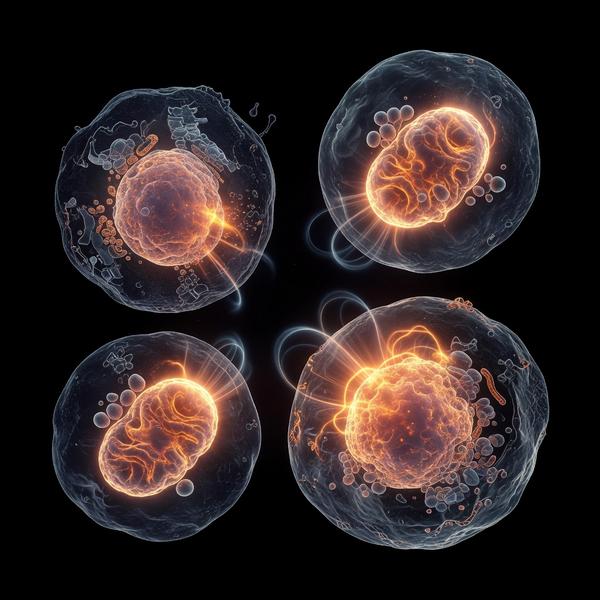
At the cellular level, the therapeutic objective is the up-regulation of glutathione S-transferase (GST). Studies indicate that caffeine and related methylxanthines can increase GST production by 600-700 percent. Glutathione is the body's 'master antioxidant'; by stimulating its enzymatic activity, the liver becomes significantly more efficient at neutralizing free radicals and conjugating toxins for excretion. This process effectively lowers the systemic oxidative burden, allowing mitochondrial function to stabilize.
Bile Duct Dilation and Detoxification
The secondary mechanical effect of colonic caffeine is the dilation of bile ducts. By relaxing the smooth muscle tissue in the bile ducts, the gallbladder is encouraged to release stored, toxin-laden bile into the small intestine. This flush of bile, enriched with metabolic waste, is then swept out of the body through the bowel movement that follows, preventing the common issue of enterohepatic reabsorption—where toxins meant for excretion are instead reabsorbed into the bloodstream.
Clinical Implications for Chronic Conditions
The root-cause approach to chronic illness necessitates a reduction in inflammatory markers. By facilitating a more robust hepatic clearance, targeted colonic administration supports the body’s innate ability to manage oxidative stress, which is often the primary driver of autoimmune and systemic inflammatory conditions. When combined with a nutrient-dense, plant-based diet, this practice provides the physiological 'breathing room' required for cellular repair.
Conclusion
While personal health protocols require professional oversight, the metabolic remediation achieved through this method represents a sophisticated application of pharmacokinetics to support systemic detoxification. By optimizing the liver's inherent pathways, we move beyond symptom management and address the fundamental accumulation of metabolic waste that clouds cellular vitality.
This article is provided for informational and educational purposes only. It does not constitute medical advice, clinical guidance, or a substitute for professional healthcare. Information reflects cited research at time of publication. Always consult a qualified healthcare professional before acting on any health information.
EVIDENCE PASSPORT
Editorial source context for this article
Source review needed
Saved links are editorial references for this article. They may support specific claims rather than every sentence. Open and assess each source in context. This passport does not independently verify them.
Editorial context
A complete editorial reading has not been recorded for this article, and no source links are saved on its record.
Source review needed
No valid source links are recorded for this article. Supplementary research, where available, is listed separately below.
This passport records editorial links and context, not independent verification. Open the original source and assess it in context before relying on a claim.
Medical Disclaimer
The information in this article is for educational purposes only and does not constitute medical advice, diagnosis, or treatment. Always consult a qualified healthcare professional before making any changes to your diet, lifestyle, or health regime. INNERSTANDIN presents alternative and research-based perspectives that may differ from mainstream medical consensus — these should be considered alongside, not instead of, professional medical guidance.
Read Full DisclaimerContinue the thread
Keep this question moving.
Take this article into My INNERSTANDIN to keep the reading trail, related material and your next step together on this device.
Explore this in the Body Map
Explore related body structures and their educational pages in the interactive Body Map.
Dig deeper in the Library
Free, longform PDF volumes that go beyond headlines into mechanisms and references.
RABBIT HOLE
Follow the biological thread deeper