
Microbial Synergy: Exploring the Cross-Talk Between Ketosis and the Gut Microbiome
Updated May 2026
Evidence orientation
Editorial context not yet recorded
Follow this category
This stays in this browser. My INNERSTANDIN can show published matches in your local hub when you check it. It does not send email, push, or alert notifications.
Local learning review
A private browser aid for revisiting ideas. It is not an alert or a health recommendation.
Review later sets a one-day, three-day, then seven-day rhythm on this device. Choose it only when you want to revisit this article.
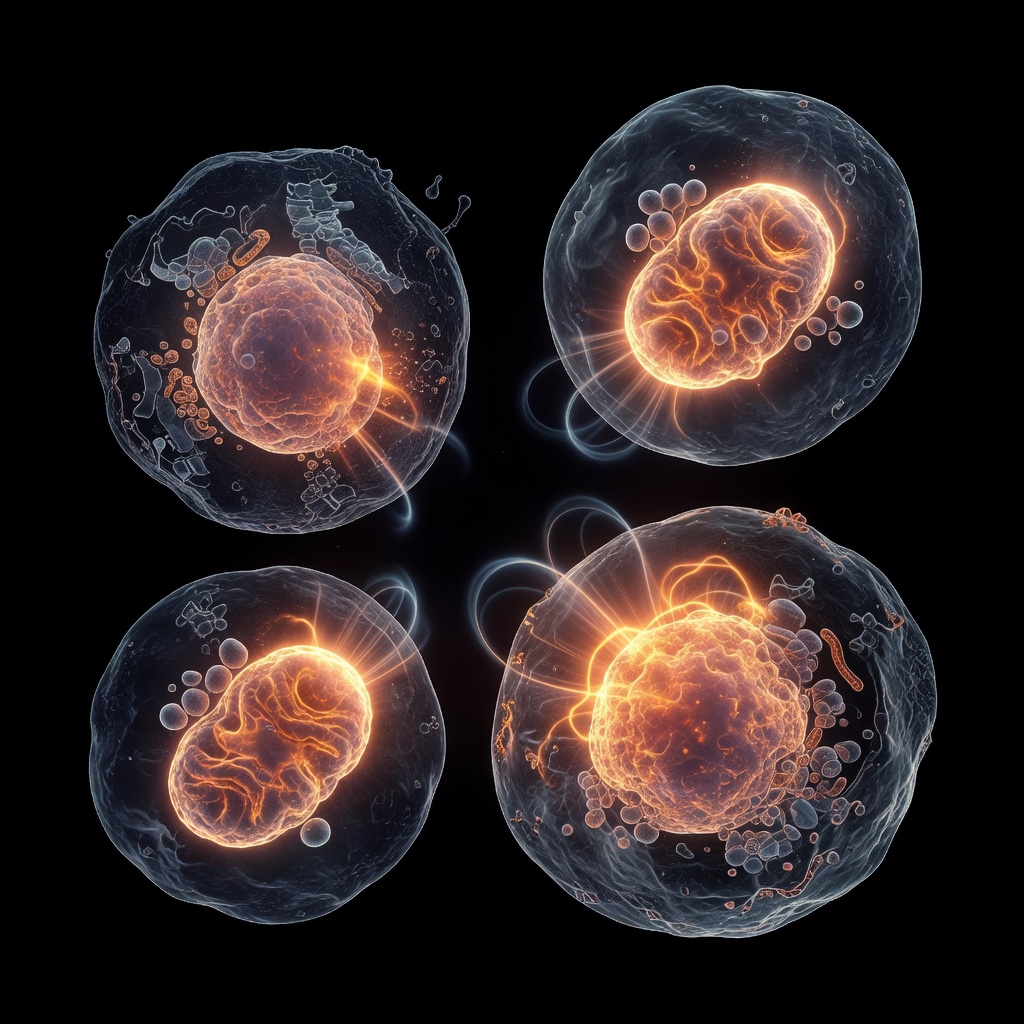
In the modern era of medicine, we are witnessing a paradigm shift that moves away from the reductionist view of the human body as a collection of isolated organs. Instead, we are beginning to understand ourselves as a holobiont—a complex, symbiotic ecosystem where human cells and trillions of microbial residents coexist in a delicate dance of metabolic exchange. At the heart of this internal landscape lies the gut microbiome, an ancestral pharmacy that dictates everything from our immune response to our psychological resilience.
When we pivot our metabolic state from glucose-burning to fat-burning through nutritional ketosis, we are not merely changing our fuel source. We are initiating a profound dialogue between our mitochondrial function and our microbial inhabitants. This "Microbial Synergy" is the frontier of metabolic flexibility. To truly achieve INNERSTANDING of our health, we must expose the truth about how the state of ketosis reshapes the gut terrain, and how that terrain, in turn, facilitates the deepest levels of cellular healing.
The Internal Terrain: An Overview of Microbial Synergy
For decades, the mainstream nutritional narrative focused on calories and macronutrients, ignoring the silent orchestrators of our metabolism: the bacteria, fungi, and viruses residing in the large intestine. The gut microbiome is responsible for synthesising vitamins, training the immune system, and producing short-chain fatty acids (SCFAs).
When an individual enters a state of ketosis, a biological recalibration occurs. As the body begins to produce ketone bodies—primarily Beta-Hydroxybutyrate (BHB)—these molecules act as potent signalling agents. Ketosis isn't just an absence of carbohydrates; it is a metabolic signal that triggers a shift in microbial populations. This synergy ensures that during periods of food scarcity or carbohydrate restriction, the body remains resilient.
"The gut microbiome is not a passive passenger; it is an active participant in our metabolic flexibility. Ketosis serves as a 'metabolic reset,' pruning opportunistic pathogens while fostering a lean-mass-associated microbial profile."
Biological Mechanisms: How Ketosis Recodes the Gut
The interaction between ketosis and the microbiome is bidirectional. While the diet changes the microbes, the microbes influence the efficiency of ketosis.
1. The Rise of Akkermansia Muciniphila
One of the most significant shifts observed in a ketogenic state is the proliferation of *Akkermansia muciniphila*. This specific bacterium is a specialist in degrading mucin, the protective mucus layer of the gut. While this sounds counterintuitive, this "grazing" of the mucus layer actually stimulates the gut lining to produce more fresh, healthy mucus.
A thick, robust mucus layer is the primary defence against leaky gut syndrome (intestinal permeability). High levels of Akkermansia are consistently linked to improved glucose metabolism, reduced inflammation, and lower levels of body fat. In ketosis, the reduction of dietary sugars starves out inflammatory bacteria, allowing Akkermansia to thrive and fortify the gut barrier.
2. BHB as a Signalling Molecule
Beta-Hydroxybutyrate (BHB) is more than just an alternative energy source for the brain. It is a histone deacetylase (HDAC) inhibitor, meaning it can turn on or off specific genes related to oxidative stress and inflammation. In the gut, BHB has been shown to suppress the activation of the NLRP3 inflammasome, a key driver of systemic inflammation. This creates a "calm" environment where beneficial microbes can flourish, effectively dampening the "fire" of chronic intestinal irritation.
3. The Reduction of Endotoxemia
Modern high-carbohydrate, processed diets often lead to the overgrowth of Gram-negative bacteria. These bacteria contain Lipopolysaccharides (LPS)—highly inflammatory endotoxins—in their cell walls. When the gut barrier is weak, LPS leaks into the bloodstream, causing systemic "metabolic endotoxemia."
By shifting into ketosis, we deprive these Gram-negative bacteria of their preferred fuel (refined sugars). Consequently, LPS levels drop, mitochondrial function improves, and the systemic inflammatory load is lifted. This is why many individuals report a "mental fog" lifting when they enter ketosis; they have effectively reduced the toxic microbial load circulating in their blood.
##
The UK Context
: A Crisis of Metabolic Rigidity
In the United Kingdom, we are currently facing a national health emergency that is rooted in metabolic rigidity. According to recent data, over 60% of British adults are overweight or obese, and Type 2 Diabetes rates continue to soar. The "Great British Diet," heavily reliant on ultra-processed foods (UPFs), is a direct assault on microbial synergy.
The prevalence of "convenience" foods in the UK—high in emulsifiers, preservatives, and refined seed oils—has created a generational shift in our gut flora. Emulsifiers, common in supermarket breads and ready meals, act like detergents on the gut lining, stripping away the protective mucus that Akkermansia strives to build.
Furthermore, the UK's traditional reliance on a "balanced diet" that includes high amounts of starchy carbohydrates often traps the population in a state of perpetual glucose-dependence. This prevents the average Briton from ever experiencing the microbial benefits of ketosis. To reclaim the health of the nation, we must look beyond the "Eatwell Guide" and understand that metabolic flexibility is an evolutionary necessity, not a dietary "fad."
Environmental Factors: The Invisible Disruptors
The synergy between ketosis and the microbiome does not exist in a vacuum. Several environmental factors common in modern life can hinder or help this relationship.
- Glyphosate and Pesticides: Much of the non-organic produce and grain-fed meat in the UK contains residues of glyphosate. This chemical acts as a broad-spectrum antibiotic, selectively killing beneficial bacteria while allowing pathogenic strains to survive. Achieving true microbial synergy requires a focus on organic, grass-fed, and locally sourced fats and proteins.
- Chlorinated Water: The UK water supply is treated with chlorine to kill pathogens. However, chronic consumption of chlorinated water can diminish the diversity of the gut microbiome. Using high-quality carbon filters is essential for protecting the internal terrain.
- Antibiotic Overuse: While sometimes necessary, the historic over-prescription of antibiotics has left many with "extinct" microbial species. Ketosis can help rehabilitate the gut, but it may require targeted probiotic or prebiotic intervention to restore lost diversity.
- Artificial Sweeteners: Many "Keto" products sold in UK health shops contain sucralose or saccharin. These can negatively alter the microbiome composition and may even trigger insulin responses in sensitive individuals, defeating the purpose of ketosis.
Protective Strategies: Cultivating the Microbial Landscape
To optimise the cross-talk between ketosis and your gut, one must move beyond "Dirty Keto" (processed meats and cheeses) and embrace a Clean, Microbiome-Centric Ketogenic Protocol.
Focus on Diversified Fibre
A common myth is that ketosis is a zero-fibre diet. On the contrary, to support the microbiome, one should consume high amounts of non-starchy, fibrous vegetables.
- Cruciferous vegetables (broccoli, cauliflower, Brussels sprouts) provide the raw materials for microbes to produce their own SCFAs.
- Prebiotic fibres (garlic, onions, leeks, asparagus) act as "fertilisers" for beneficial bacteria like Bifidobacterium.
Incorporate Fermented Foods
To introduce beneficial species, include traditional fermented foods that are low in sugar.
- Raw Sauerkraut and Kimchi: Excellent sources of Lactobacillus.
- Kefir (Goat or Sheep): Contains a wider variety of probiotic strains than yoghurt and is generally better tolerated in a ketogenic context.
- Apple Cider Vinegar (With the "Mother"): Helps acidify the stomach for better protein digestion and supports a healthy microbial balance.
Prioritise Circadian Rhythm and Fasting
The gut microbiome has its own circadian clock. Time-Restricted Feeding (TRF)—such as a 16:8 window—complements ketosis by giving the gut a "rest" phase. During fasting, a specific type of "housekeeping" occurs in the gut via the Migrating Motor Complex (MMC), which clears out undigested food and prevents bacterial overgrowth in the small intestine (SIBO).
Key Takeaways: The Path to INNERSTANDING
- Ketosis is a Signalling State: It is not just about weight loss; it is about sending a signal to the gut and mitochondria that the body is in a state of repair and resilience.
- Microbial Diversity is Key: Avoid the "Bacon and Butter" trap. A successful ketogenic diet must be rich in diverse, plant-based fibres to feed the ancestral microbes that protect the gut lining.
- The BHB Benefit: Ketone bodies directly reduce gut inflammation, making ketosis a powerful tool for those suffering from IBD, IBS, or general digestive distress.
- UK Environmental Awareness: Be mindful of the "hidden" microbiome disruptors in the British food and water supply. Filter your water and choose organic where possible.
- Listen to the Gut: Metabolic flexibility is the ability to switch between fuel sources without digestive or energetic "crashes." If your gut is healthy, your transition into ketosis will be seamless.
Conclusion
The synergy between ketosis and the gut microbiome represents a profound opportunity for human optimisation. By understanding that our metabolic state dictates our microbial makeup—and vice versa—we can step out of the cycle of chronic disease and into a state of metabolic sovereignty.
True health is found in the balance of the internal terrain. When we provide the body with the clean fats it evolved to metabolise and the fibrous plants our microbes crave, we unlock a level of vitality that the modern world has largely forgotten. It is time to move beyond the surface-level metrics of health and achieve a deeper INNERSTANDING of the microbial world that breathes, lives, and heals within us.
This article is provided for informational and educational purposes only. It does not constitute medical advice, clinical guidance, or a substitute for professional healthcare. Information reflects cited research at time of publication. Always consult a qualified healthcare professional before acting on any health information.
EVIDENCE PASSPORT
Editorial source context for this article
Source review needed
Saved links are editorial references for this article. They may support specific claims rather than every sentence. Open and assess each source in context. This passport does not independently verify them.
Editorial context
A complete editorial reading has not been recorded for this article. Source links remain available for you to open and assess directly.
Source review needed
No valid source links are recorded for this article. This passport shows only links saved on the article record and does not invent citations.
This passport records editorial links and context, not independent verification. Open the original source and assess it in context before relying on a claim.
Medical Disclaimer
The information in this article is for educational purposes only and does not constitute medical advice, diagnosis, or treatment. Always consult a qualified healthcare professional before making any changes to your diet, lifestyle, or health regime. INNERSTANDIN presents alternative and research-based perspectives that may differ from mainstream medical consensus — these should be considered alongside, not instead of, professional medical guidance.
Read Full DisclaimerContinue the thread
Keep this question moving.
Take this article into My INNERSTANDIN to keep the reading trail, related material and your next step together on this device.