Microbiome Alteration: How Antifungal and Antimicrobial Bedding Treatments Reshape Skin Flora Homeostasis
This educational deep-dive explores the intersection of textile chemistry and human biology, specifically how biocidal finishes in mattresses and bedding disrupt the delicate balance of the skin microbiome, leading to potential long-term health implications.

# Microbiome Alteration: How Antifungal and Antimicrobial Bedding Treatments Reshape Skin Flora Homeostasis. We spend approximately one-third of our lives in direct physical contact with our bedding. While we often focus on the support of a mattress or the thread count of our sheets, we rarely consider the invisible biological dialogue occurring between our skin and the materials we sleep on. In recent years, the textile industry has seen a surge in 'performance' bedding—products treated with antimicrobial and antifungal agents designed to inhibit the growth of bacteria, mould, and dust mites. However, from the perspective of root-cause health education at INNERSTANDING, these chemical interventions represent a significant disruption to skin flora homeostasis. ## The Skin Microbiome: Our First Line of Defence.
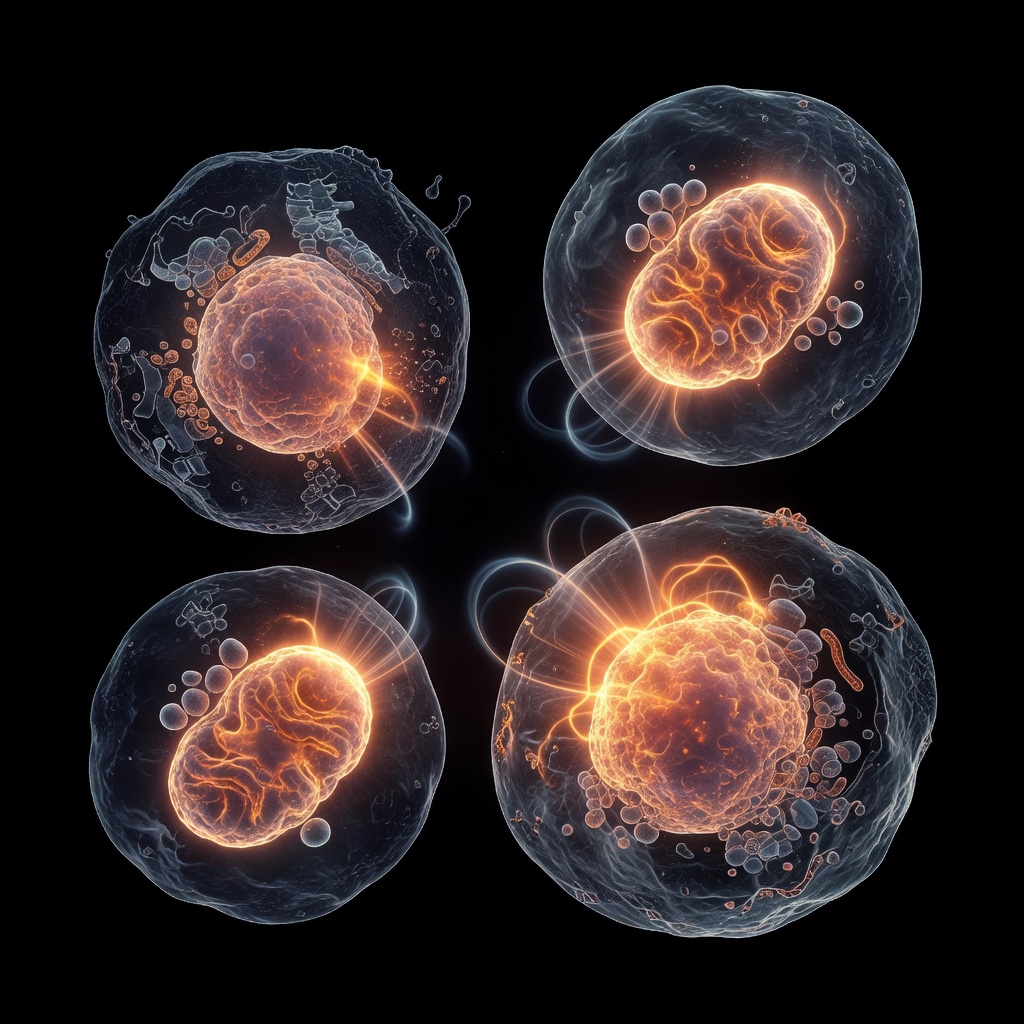
The human skin is not merely a physical barrier but a living, breathing ecosystem inhabited by trillions of microorganisms, including bacteria, fungi, and viruses. This community, known as the skin microbiome, plays a critical role in immune system regulation, protection against pathogens, and the maintenance of the skin barrier. Key species, such as Staphylococcus epidermidis, produce antimicrobial peptides that naturally defend against more harmful strains like Staphylococcus aureus. When this ecosystem is in balance (homeostasis), the skin remains resilient. When it is disrupted (dysbiosis), we see the emergence of eczema, dermatitis, acne, and even systemic inflammatory responses. ## The Rise of Biocidal Textiles.
To market bedding as 'hygienic' or 'odour-resistant', manufacturers often apply biocidal finishes. Common agents include silver ions, triclosan (though increasingly regulated), zinc pyrithione, and quaternary ammonium compounds (Quats). These substances are designed to kill or inhibit microbes by disrupting their cell membranes or interfering with their metabolic processes. While effective at keeping the fabric 'clean' in a sterile sense, these chemicals do not distinguish between harmful pathogens and the beneficial commensal bacteria that reside on our skin. ## Mechanisms of Homeostatic Disruption. The primary concern with antimicrobial bedding is the process of leaching.
As we sleep, body heat and moisture (sweat) facilitate the transfer of these biocidals from the fabric to the skin surface. This creates a continuous, low-dose exposure to potent antimicrobials for eight hours every night. 1. The Broad-Spectrum Effect: Most antimicrobial treatments are broad-spectrum, meaning they kill a wide variety of microorganisms. This non-selective killing thins the population of beneficial bacteria, leaving the 'biological real estate' open for resistant or opportunistic pathogens to colonise. 2. Selective Pressure and Resistance: Persistent exposure to low levels of silver ions or Quats can lead to the development of antimicrobial resistance (AMR) on the skin surface.
This not only makes skin infections harder to treat but also alters the genetic expression of the microbial community. 3. Barrier Degradation: By altering the microbial composition, these treatments can interfere with the production of lipids and fatty acids that maintain the skin barrier. A weakened barrier is more susceptible to environmental toxins and allergens, creating a cycle of sensitivity.
MSM Sulphur – Nature’s Forgotten Mineral
MSM Sulphur provides a high-purity, bioavailable source of a mineral that has largely vanished from modern diets due to industrial farming. It supports essential biological processes and structural health, restoring a vital nutrient your body needs to function optimally.
Vetting Notes
Pending
The UK Context
and Regulatory Gaps. In the UK, the Biocidal Products Regulation (BPR) governs the use of these substances. However, many consumers remain unaware that 'treated articles'—such as mattresses and pillows—may contain substances that, while legal, have not been comprehensively studied for their long-term impact on the human microbiome.
The marketing focus remains on the prevention of dust mites and allergens, often ignoring the ecological cost to the host. ## Root-Cause Focus: The Sterile Fallacy. The push for antimicrobial bedding stems from a root-cause misunderstanding of hygiene. The presence of microbes is not a sign of 'dirtiness' but a requirement for health. By attempting to sterilise our sleeping environment through chemical means, we create a 'sterile fallacy'—the belief that a germ-free environment equals better health. In reality, this lack of microbial diversity can lead to an over-reactive immune system, a phenomenon often linked to the 'Hygiene Hypothesis'. ## Identifying the Chemical Culprits.
Consumers should look for specific labels that indicate biocidal treatment. Terms like 'Actigard', 'Microban', or general claims of 'permanent freshness' and 'anti-odour' are indicators of chemical finishes. While these might seem beneficial for those with severe allergies, the trade-off is a persistent chemical load that the skin must negotiate nightly. ## Moving Towards Microbial Harmony. Reclaiming skin flora homeostasis involves a shift toward bio-compatible bedding. 1. Natural Fibres: Materials like organic cotton, linen, and hemp are naturally breathable and do not require antimicrobial finishes if maintained properly. 2.
Mechanical Barriers: Instead of chemical treatments, high-quality, tightly woven organic covers can provide a physical barrier against dust mites without the need for biocides. 3. Proper Maintenance: Frequent washing of bedding at high temperatures (60 C) and ensuring thorough drying are effective, non-toxic ways to manage microbial growth in textiles. 4. Supporting the Biome: Using microbiome-friendly skincare and avoiding harsh detergents can help the skin maintain its natural defences, making it less reliant on the 'protection' offered by treated fabrics. ## Conclusion. The integrity of our skin microbiome is a cornerstone of systemic health. As we continue to uncover the complexities of this ecosystem, the use of antimicrobial and antifungal bedding treatments must be scrutinised.
True health is found not in the total eradication of microbes, but in the nurturing of a diverse and balanced biological community. By choosing untreated, natural materials, we provide our skin with the environment it needs to thrive, ensuring that our eight hours of rest are truly restorative for both our minds and our microbiomes.
This article is provided for informational and educational purposes only. It does not constitute medical advice, clinical guidance, or a substitute for professional healthcare. Information reflects cited research at time of publication. Always consult a qualified healthcare professional before acting on any health information.
RESEARCH FOUNDATIONS
Biological Credibility Archive
Citations provided for educational reference. Verify via PubMed or institutional databases.
Medical Disclaimer
The information in this article is for educational purposes only and does not constitute medical advice, diagnosis, or treatment. Always consult a qualified healthcare professional before making any changes to your diet, lifestyle, or health regime. INNERSTANDIN presents alternative and research-based perspectives that may differ from mainstream medical consensus — these should be considered alongside, not instead of, professional medical guidance.
Read Full DisclaimerReady to learn more?
Continue your journey through our classified biological research.
THE ARSENAL
Based on Mattress & Bedding Chemical Exposure — products curated by our research team for educational relevance and biological support.
MSM Sulphur – Nature’s Forgotten Mineral
Panaceum – Prebiotic Oligosaccharide Complex
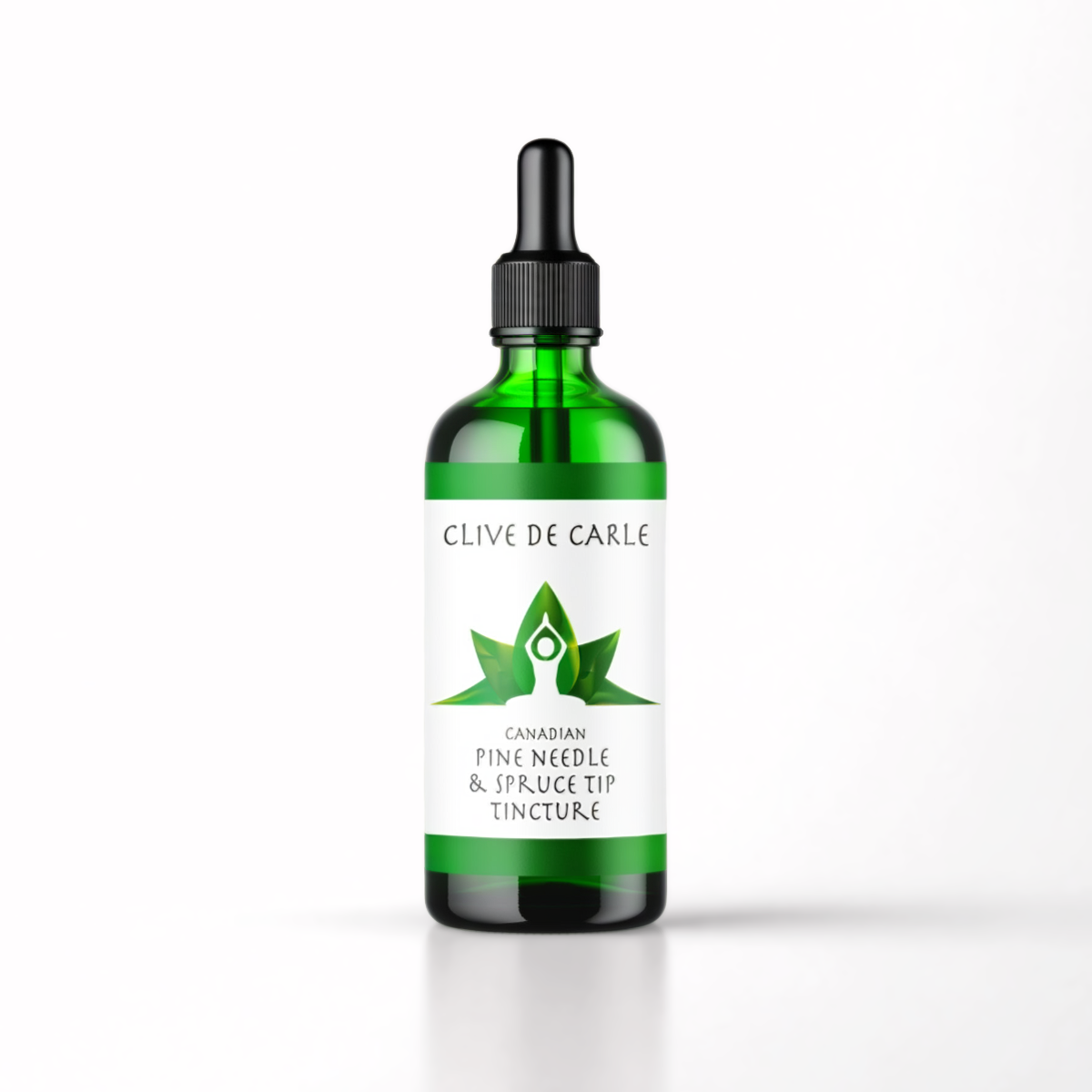
Canadian Pine Needle and Spruce Tip Tincture – Wild Harvested
INNERSTANDING may earn a commission on purchases made through these links. All products are selected based on rigorous educational relevance to our biological research.
RABBIT HOLE
Follow the biological thread deeper