The Impact of Nanoplastic Accumulation on Lysosomal Membrane Permeabilization and Programmed Cell Death
This comprehensive analysis explores the biochemical mechanisms by which nanoplastics disrupt cellular stability, focusing on lysosomal membrane leakage, oxidative stress, and the triggering of apoptotic pathways.
# The Invisible Intruder: Nanoplastics and Cellular Homeostasis In the modern industrial landscape, the ubiquity of plastic is undeniable. However, as these materials break down into particles smaller than 1000 nanometers, they transition from a macro-environmental nuisance to a micro-biological threat. At INNERSTANDING, we prioritize identifying the root causes of systemic dysfunction. Recent toxicological research suggests that nanoplastics (NPs) are not merely inert bystanders in the human body; they are active disruptors of cellular integrity. Their ability to cross biological barriers, including the blood-brain barrier and the placental wall, places them at the center of a growing health crisis involving programmed cell death (PCD) and chronic inflammation. ## The Cellular Entry Point: Endocytosis and Sequestration Nanoplastics primarily enter the human system through ingestion, inhalation, and dermal contact.
Once in the bloodstream, their minute size allows them to be internalized by cells through various endocytic pathways, including macropinocytosis and clathrin-mediated endocytosis. Upon entry, these particles are encapsulated within vesicles and directed toward the endo-lysosomal system. The lysosome, often referred to as the cell's 'recycling center' or 'suicide bag,' is an acidic organelle filled with hydrolytic enzymes designed to break down macromolecules. Under normal physiological conditions, the lysosomal membrane is a robust barrier that sequestering these potent enzymes. However, the accumulation of non-biodegradable nanoplastics presents a challenge the cell is not evolutionarily equipped to handle. ## Lysosomal Membrane Permeabilization (LMP): The Tipping Point As nanoplastics accumulate within the lysosomal lumen, they exert physical and chemical stress on the organelle.
One primary mechanism of damage is the 'Proton Sponge Effect.' Certain plastics, depending on their surface functionalization, can act as buffers, drawing more protons and water into the lysosome to maintain acidity. This causes the organelle to swell and eventually rupture. Furthermore, the interaction between NPs and the lysosomal membrane generates Reactive Oxygen Species (ROS). These free radicals initiate lipid peroxidation, weakening the structural integrity of the membrane. This process, known as Lysosomal Membrane Permeabilization (LMP), is a critical event in cellular pathology.
When the membrane is compromised, the 'internal' environment of the lysosome leaks into the cytosol, releasing a cocktail of acidic hydrolases, most notably cathepsins. ## Cathepsins and the Protease Cascade The release of cathepsins (specifically Cathepsin B, D, and L) into the neutral pH of the cytosol is a death knell for the cell. While these enzymes are most active in acidic environments, they retain enough activity at physiological pH to begin cleaving vital proteins. This leakage acts as a signal for the induction of programmed cell death. Cathepsins can directly activate Bid, a pro-apoptotic member of the Bcl-2 family, which then translocates to the mitochondria. This creates a lethal crosstalk between the lysosome and the mitochondria, leading to Mitochondrial Outer Membrane Permeabilization (MOMP).
Once the mitochondria are compromised, cytochrome c is released, forming the apoptosome and activating the caspase cascade (Caspase-9 and Caspase-3), which systematically dismantles the cell. ## Pathways of Death: Apoptosis vs. Necroptosis The mode of cell death triggered by nanoplastics often depends on the concentration and duration of exposure. Controlled, low-level accumulation typically leads to apoptosis—a clean, programmed death that avoids significant inflammation. However, massive nanoplastic loading can cause 'accidental' cell death or necroptosis. In these instances, the rapid rupture of lysosomes and mitochondria leads to a cellular 'explosion,' spilling intracellular contents into the extracellular space.
Energy Blend Supports
Energy Blend is a comprehensive formula designed to fuel your body at a cellular level, promoting sustained physical stamina and mental clarity without synthetic spikes. It targets fundamental metabolic pathways to ensure your nervous system and hormonal activity remain balanced and resilient.
Vetting Notes
Pending
This triggers a robust immune response, contributing to the chronic inflammatory states often seen in microplastic-related pathologies. At INNERSTANDING, we recognize this as a root cause for various auto-immune and neurodegenerative conditions where cellular debris acts as a persistent irritant to the immune system. ## The Protein Corona Complication A fascinating and dangerous aspect of nanoplastic toxicity is the 'protein corona.' As NPs travel through biological fluids, they adsorb a layer of proteins, lipids, and metabolites on their surface. This corona dictates the particle’s biological identity. A nanoplastic particle might 'disguise' itself with proteins that allow it to be recognized by specific receptors, facilitating its entry into cells that might otherwise ignore it. This 'Trojan Horse' effect ensures that NPs are delivered directly to the most sensitive cellular compartments, exacerbating the risk of LMP and subsequent cell death. ## Systemic Implications and Root-Cause Focus Understanding the impact of nanoplastics on lysosomal integrity provides a window into why environmental pollutants are linked to systemic health decline.
When thousands of cells undergo LMP and apoptosis prematurely, tissue function is impaired. In the UK, where plastic consumption remains high, the cumulative effect of these microscopic disruptions may manifest as metabolic syndromes, fertility issues, and accelerated aging. By focusing on the lysosome, we identify a primary site of intervention. Protecting membrane stability and enhancing cellular detoxification pathways are essential strategies for mitigating the impact of an environment saturated with synthetic polymers. ## Conclusion: A Call for Cellular Vigilance The accumulation of nanoplastics within our cells is an unprecedented biological challenge. The transition from accumulation to Lysosomal Membrane Permeabilization represents a fundamental shift from health to disease.
As we continue to uncover the mechanics of programmed cell death in the context of environmental toxins, it becomes clear that cellular health is inextricably linked to our macro-environment. To protect the integrity of the lysosome is to protect the blueprint of life itself. We must advocate for reduced plastic dependency while supporting the body's natural resilience through targeted nutritional and lifestyle interventions that stabilize membranes and quench oxidative stress.
This article is provided for informational and educational purposes only. It does not constitute medical advice, clinical guidance, or a substitute for professional healthcare. Information reflects cited research at time of publication. Always consult a qualified healthcare professional before acting on any health information.
RESEARCH FOUNDATIONS
Biological Credibility Archive
Citations provided for educational reference. Verify via PubMed or institutional databases.
Medical Disclaimer
The information in this article is for educational purposes only and does not constitute medical advice, diagnosis, or treatment. Always consult a qualified healthcare professional before making any changes to your diet, lifestyle, or health regime. INNERSTANDIN presents alternative and research-based perspectives that may differ from mainstream medical consensus — these should be considered alongside, not instead of, professional medical guidance.
Read Full DisclaimerReady to learn more?
Continue your journey through our classified biological research.
DISCUSSION ROOM
Members of THE COLLECTIVE discussing "The Impact of Nanoplastic Accumulation on Lysosomal Membrane Permeabilization and Programmed Cell Death"
SILENT CHANNEL
Be the first to discuss this article. Your insight could help others understand these biological concepts deeper.
THE ARSENAL
Based on Apoptosis & Cellular Death Mechanisms — products curated by our research team for educational relevance and biological support.
Energy Blend Supports
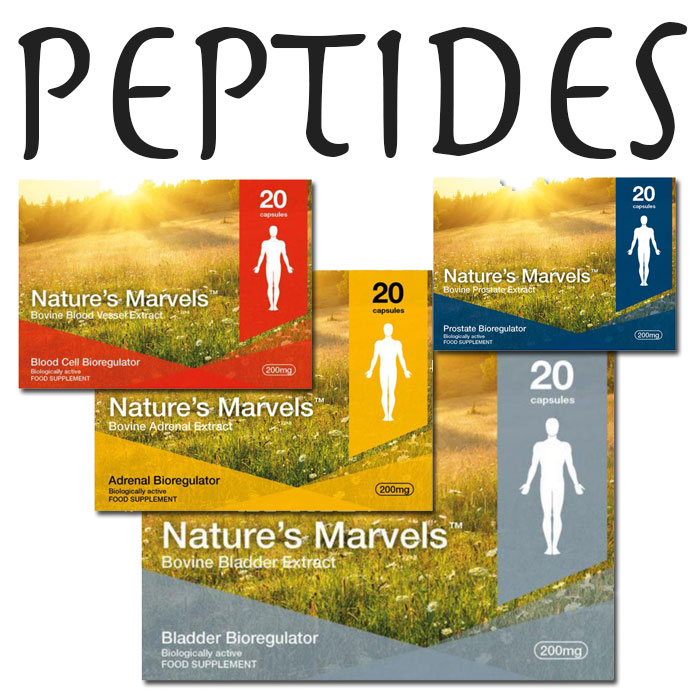
Peptides, one of the secret Russian military health marvels, now available. 40 years research
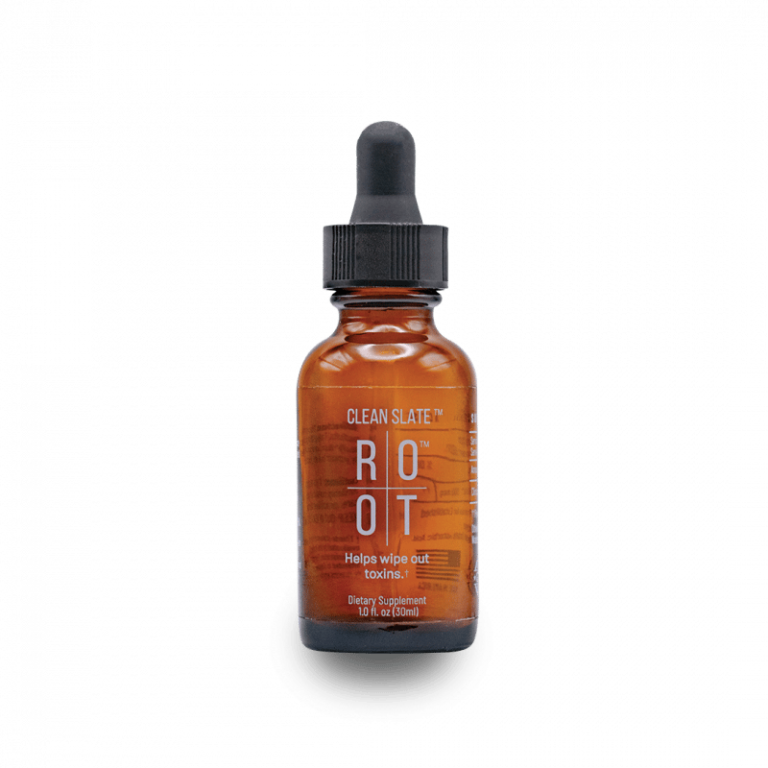
Clean Slate – Detoxes thousands of chemicals,heavy metals, pesticides, allergens, mold spores and fungus
INNERSTANDING may earn a commission on purchases made through these links. All products are selected based on rigorous educational relevance to our biological research.
RABBIT HOLE
Follow the biological thread deeper