The Synergistic Effects of Ionizing Radiation and PARP Inhibitors on DNA Fragmentation Mechanisms
A comprehensive analysis of the molecular interplay between radiotherapy and PARP inhibition, focusing on the conversion of single-strand breaks into lethal double-strand fragmentation and the subsequent activation of apoptotic pathways.
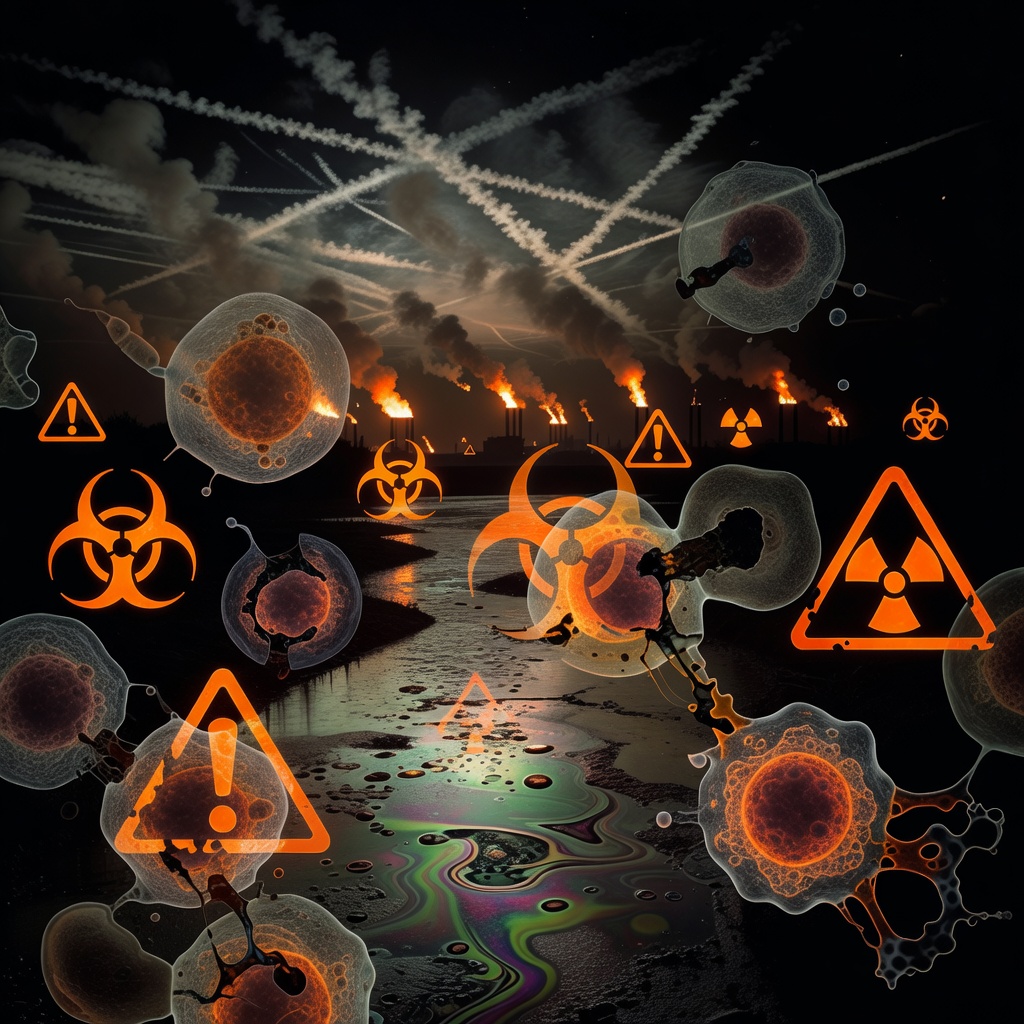
# The Synergistic Effects of Ionizing Radiation and PARP Inhibitors on DNA Fragmentation Mechanisms\n\n## Introduction: The Battle for Genomic Stability\n\nIn the intricate landscape of cellular biology, the maintenance of genomic integrity is the primary requisite for survival. Every day, the human genome is subjected to thousands of lesions caused by metabolic by-products, environmental toxins, and oxidative stress. To counter this, the cell has evolved an elegant suite of DNA Damage Response (DDR) mechanisms. However, in the context of oncology, the goal shifts from preservation to the deliberate induction of catastrophic DNA fragmentation to trigger programmed cell death, or apoptosis. \n\nThe synergy between ionizing radiation (IR) and Poly(ADP-ribose) polymerase (PARP) inhibitors represents one of the most potent strategies in modern radiobiology. By understanding the root causes of how these two modalities interact at the molecular level, we can appreciate the transition from manageable cellular stress to irreversible fragmentation and cell death.\n\n## Ionizing Radiation: The Physical Catalyst of Damage\n\nIonizing radiation (IR), whether delivered via X-rays, gamma rays, or protons, induces DNA damage through two primary pathways: direct and indirect action.
Direct action occurs when the radiation energy directly ionises the DNA phosphodiester backbone or the nitrogenous bases, leading to immediate physical breaks. Indirect action, which accounts for approximately 60-70% of radiation-induced damage, involves the radiolysis of water molecules within the cellular environment. This process generates highly reactive free radicals, such as the hydroxyl radical (\u2022OH), which then attack the DNA structure.\n\nThe result of IR exposure is a heterogeneous landscape of damage, including base damage, DNA-protein crosslinks, and, most crucially, Single-Strand Breaks (SSBs) and Double-Strand Breaks (DSBs). While DSBs are the most lethal form of damage, they are less frequent than SSBs. In a healthy cell, these SSBs are rapidly repaired by the Base Excision Repair (BER) pathway, preventing them from escalating into more dangerous lesions.\n\n## PARP: The Guardian of Single-Strand Integrity\n\nPoly(ADP-ribose) polymerase 1 (PARP1) is a nuclear enzyme that acts as a first responder to DNA damage.
Its primary role is to detect and signal the presence of SSBs. Upon binding to a break, PARP1 undergoes a conformational change and uses Nicotinamide Adenine Dinucleotide (NAD+) as a substrate to synthesise long, branched chains of Poly(ADP-ribose) (PAR) on itself and other target proteins. This process, known as PARylation, serves as a molecular beacon, recruiting essential repair factors such as XRCC1 and DNA ligase III to the site of the break.\n\nUnder normal conditions, the PARylation process is transient; once the repair machinery is recruited, the PAR chains are degraded by Poly(ADP-ribose) glycohydrolase (PARG), and PARP1 dissociates from the DNA, allowing repair to proceed. This efficiency is why cells can typically survive moderate doses of radiation; the BER pathway, mediated by PARP, mends the single-strand lesions before they can interfere with critical cellular processes.\n\n## The Mechanics of Inhibition: Beyond Enzyme Blocking\n\nPARP inhibitors (PARPi) were initially developed to competitively inhibit the catalytic site of the PARP enzyme, thereby preventing the recruitment of repair factors. However, research has revealed a more profound mechanism known as \u201cPARP trapping.\u201d When a PARP inhibitor binds to the enzyme, it not only stops the catalytic activity but also locks the PARP enzyme onto the DNA at the site of the SSB.\n\nThese trapped PARP-DNA complexes are significantly more toxic than the unrepaired breaks themselves.
They act as physical barriers, obstructing the movement of replication forks and transcription machinery. In the presence of IR, which creates an abundance of SSBs, the introduction of PARPi creates a high density of these trapped complexes across the genome. This is the root cause of the synergistic effect: the conversion of a repairable lesion into a lethal roadblock.\n\n## The Synergistic Nexus: Conversion of SSBs to DSBs\n\nThe hallmark of the synergy between IR and PARPi is the conversion of simple SSBs into complex, lethal DSBs during the S-phase of the cell cycle. As a replication fork moves along the DNA, it encounters the trapped PARP-DNA complexes induced by the combination of radiation and the inhibitor. Unable to bypass this barrier, the replication fork collapses.
This collapse transforms the original SSB into a \u201cone-ended\u201d Double-Strand Break.\n\nIn cells with proficient homologous recombination (HR) repair, these DSBs might be repaired. However, the sheer volume of DSBs generated by the IR-PARPi synergy often overwhelms the cell's repair capacity. Furthermore, in many malignancies, the HR pathway is already compromised (e.g., BRCA1/2 mutations), leading to a state of \u201csynthetic lethality.\u201d Even in HR-proficient cells, the combination therapy forces the cell to rely on the error-prone Non-Homologous End Joining (NHEJ) pathway, which frequently results in genomic instability and large-scale DNA fragmentation.\n\n## DNA Fragmentation and the Apoptotic Cascade\n\nThe transition from DNA damage to cellular death is governed by the Apoptosis & Cellular Death Mechanisms. When the level of DNA fragmentation reaches a critical threshold, the cell activates the intrinsic (mitochondrial) pathway of apoptosis. This is mediated primarily by the p53 protein, which acts as a genomic rheostat.
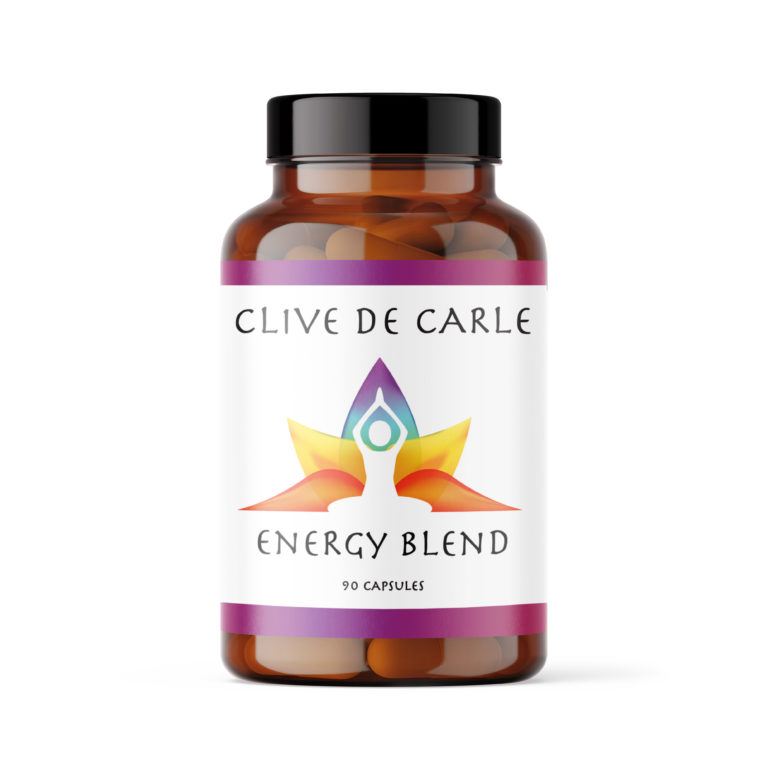
Energy Blend Supports
Energy Blend is a comprehensive formula designed to fuel your body at a cellular level, promoting sustained physical stamina and mental clarity without synthetic spikes. It targets fundamental metabolic pathways to ensure your nervous system and hormonal activity remain balanced and resilient.
Vetting Notes
Pending
Upon detecting persistent and irreparable DSBs, p53 upregulates the expression of pro-apoptotic members of the Bcl-2 family, such as BAX and BAK.\n\nThese proteins oligomerise and create pores in the outer mitochondrial membrane, leading to Mitochondrial Outer Membrane Permeabilization (MOMP). This results in the release of cytochrome c into the cytosol, where it binds with APAF-1 to form the apoptosome. The apoptosome activates caspase-9, which in turn activates the executioner caspases (caspase-3 and -7). These caspases orchestrate the systematic dismantling of the cell, including the further activation of Caspase-Activated DNase (CAD), which cleaves the DNA into nucleosomal fragments, finalising the process of fragmentation started by the IR and PARPi synergy.\n\n## Conclusion: The Clinical Imperative of Root-Cause Synergy\n\nUnderstanding the synergistic effects of ionizing radiation and PARP inhibitors moves us beyond empirical observation and into the realm of precision molecular medicine. By targeting the root cause of DNA repair failure\u2014specifically the trapping of repair enzymes and the forced conversion of SSBs to DSBs\u2014clinicians can achieve greater therapeutic efficacy with lower doses of radiation, potentially sparing healthy tissue.\n\nFor the INNERSTANDING community, this mechanism serves as a profound example of how cellular vulnerabilities can be strategically leveraged.
The journey from a physical strike of radiation to the enzymatic trapping of PARP, and finally to the biochemical cascade of apoptosis, illustrates the delicate balance of life at the molecular level. As research continues, the refinement of these synergistic combinations promises a new era of oncology where cellular death is not just an outcome, but a precisely engineered resolution to genomic instability.
This article is provided for informational and educational purposes only. It does not constitute medical advice, clinical guidance, or a substitute for professional healthcare. Information reflects cited research at time of publication. Always consult a qualified healthcare professional before acting on any health information.
RESEARCH FOUNDATIONS
Biological Credibility Archive
Citations provided for educational reference. Verify via PubMed or institutional databases.
Medical Disclaimer
The information in this article is for educational purposes only and does not constitute medical advice, diagnosis, or treatment. Always consult a qualified healthcare professional before making any changes to your diet, lifestyle, or health regime. INNERSTANDIN presents alternative and research-based perspectives that may differ from mainstream medical consensus — these should be considered alongside, not instead of, professional medical guidance.
Read Full DisclaimerReady to learn more?
Continue your journey through our classified biological research.
DISCUSSION ROOM
Members of THE COLLECTIVE discussing "The Synergistic Effects of Ionizing Radiation and PARP Inhibitors on DNA Fragmentation Mechanisms"
SILENT CHANNEL
Be the first to discuss this article. Your insight could help others understand these biological concepts deeper.
THE ARSENAL
Based on Apoptosis & Cellular Death Mechanisms — products curated by our research team for educational relevance and biological support.
Energy Blend Supports
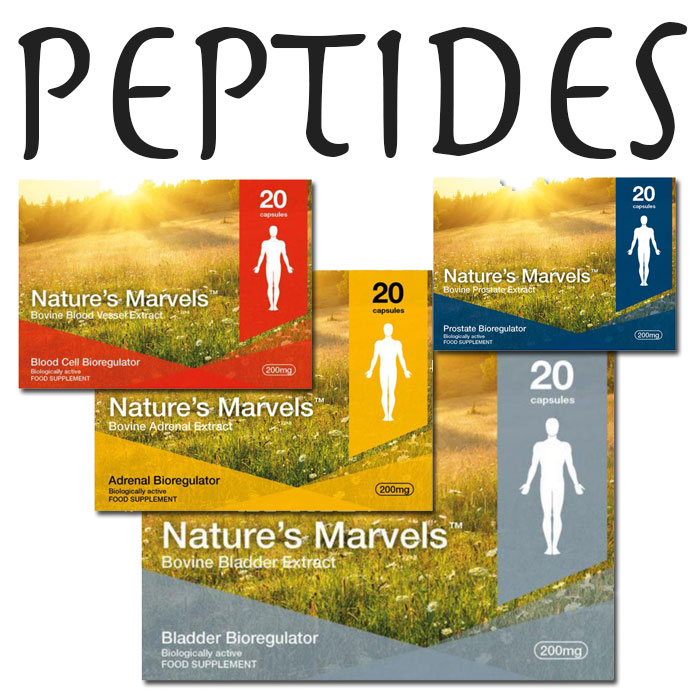
Peptides, one of the secret Russian military health marvels, now available. 40 years research
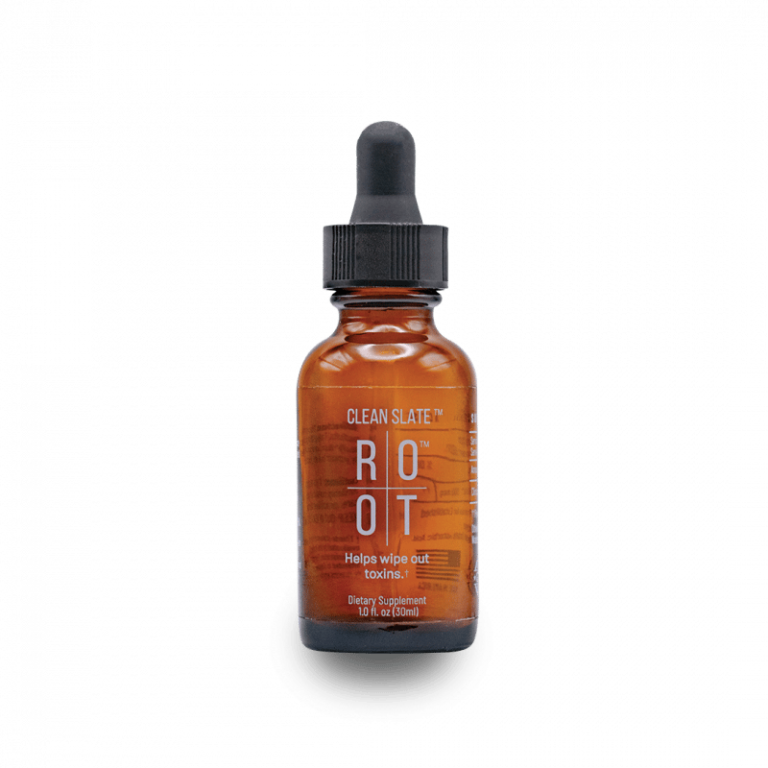
Clean Slate – Detoxes thousands of chemicals,heavy metals, pesticides, allergens, mold spores and fungus
INNERSTANDING may earn a commission on purchases made through these links. All products are selected based on rigorous educational relevance to our biological research.
RABBIT HOLE
Follow the biological thread deeper