
Microbiome Extinction: How Traditional Fermentation Reverses the Modern Loss of Commensal Bacterial Diversity
Updated May 2026
The modern Western diet and hygiene practices have led to a catastrophic decline in the diversity of the human gut microbiome. Incorporating traditional fermented foods serves as a primary strategy for rewilding our internal ecosystems and preventing chronic inflammatory diseases.
Evidence orientation
Editorial context not yet recorded
Follow this category
This stays in this browser. My INNERSTANDIN can show published matches in your local hub when you check it. It does not send email, push, or alert notifications.
Local learning review
A private browser aid for revisiting ideas. It is not an alert or a health recommendation.
Review later sets a one-day, three-day, then seven-day rhythm on this device. Choose it only when you want to revisit this article.
Overview
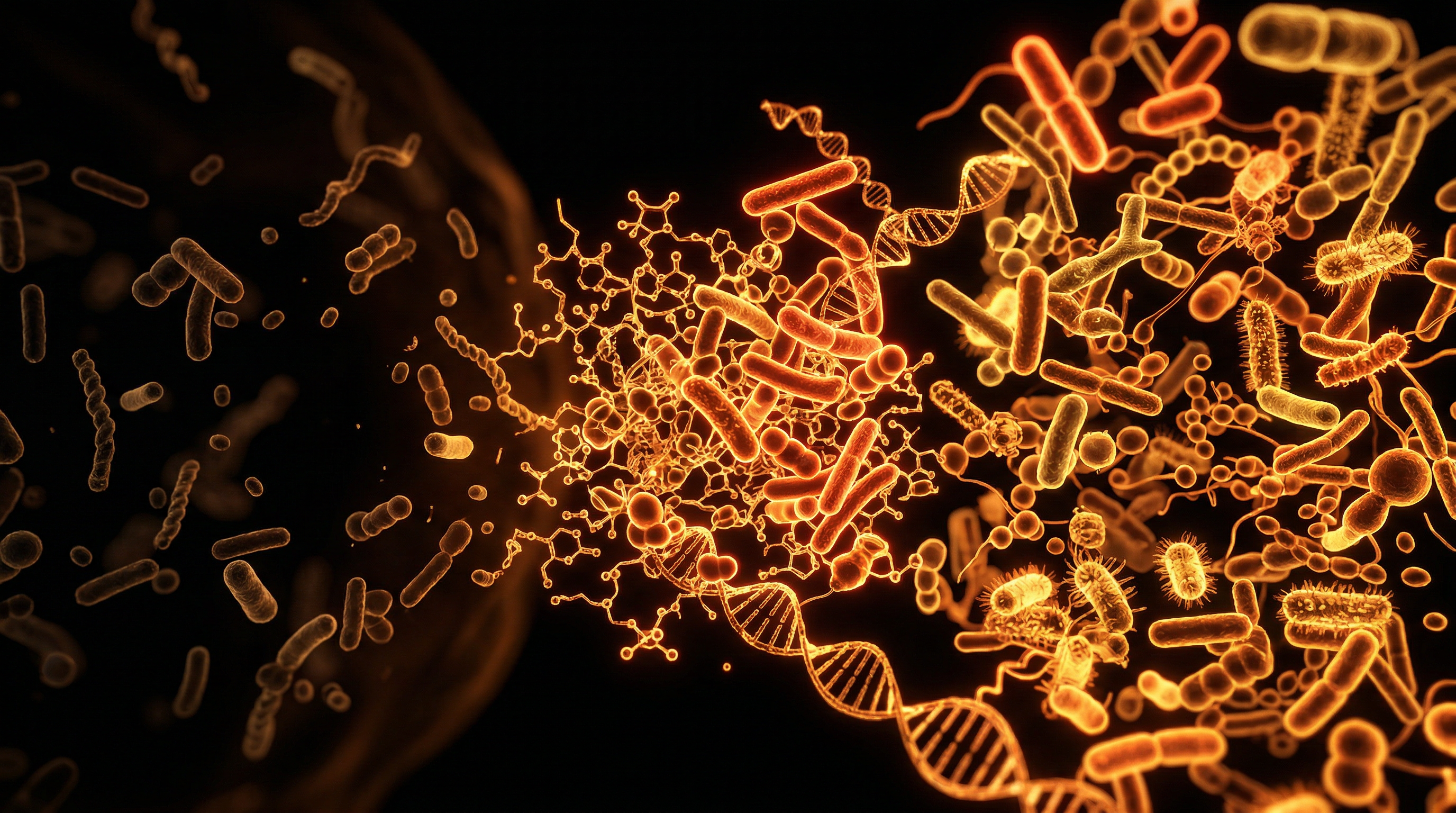
The contemporary human condition is defined by a silent, internal catastrophe: the rapid phylogenetic contraction of the gastrointestinal ecosystem. At INNERSTANDIN, we identify this phenomenon as 'Microbiome Extinction'—a generational loss of ancestral microbial taxa that has fundamentally decoupled human physiology from its evolutionary trajectory. While the industrialised world has successfully mitigated the threat of acute pathogen-borne disease, we have inadvertently engineered an environment that is hostile to the commensal consortia required for systemic homeostasis. This systemic depletion is not merely a loss of census; it is a functional collapse of the biochemical factory that regulates our endocrine, immune, and neurological systems.
The evidence for this extinction event is incontrovertible. Longitudinal metagenomic studies, such as those highlighted in The Lancet and the British Gut Project, demonstrate that individuals within high-income, urbanised Western nations—particularly within the UK—possess significantly lower alpha-diversity compared to agrarian or hunter-gatherer populations. We are witnessing the disappearance of keystone species, such as Prevotella copri and various Fibrobacteres, which are essential for processing complex plant polysaccharides. This loss is driven by a synergistic triad of ecological insults: the over-prescription of broad-spectrum antibiotics, hyper-sanitised living environments, and a diet devoid of Microbiota Accessible Carbohydrates (MACs). As Sonnenburg et al. (Stanford University) have elucidated, the chronic absence of MACs forces the microbiota to catabolise the host’s endogenous mucus layer, triggering a state of persistent low-grade systemic inflammation (meta-inflammation) that underpins the UK’s current epidemic of autoimmune and metabolic pathologies.
Traditional fermentation stands as the singular biological counter-offensive against this taxonomic erosion. Unlike isolated, laboratory-grown probiotic supplements, which often fail to achieve stable engraftment, traditionally fermented foods—ranging from raw unpasteurised sauerkraut to long-aged kefir—deliver a complex consortium of live microbes, bioactive peptides, and exopolysaccharides. These traditional ferments act as a 'living bridge' to our ancestral biological state. The mechanism is multi-layered: they provide transient yet metabolically active species that engage in interspecies cross-feeding, increasing the production of Short-Chain Fatty Acids (SCFAs) like butyrate, which are critical for maintaining the integrity of the intestinal barrier and modulating T-regulatory cell differentiation. By reintroducing these microbial 'legacy systems', we do more than simply supplement the gut; we initiate a process of ecological restoration. INNERSTANDIN posits that the reclamation of traditional fermentation is not a dietary preference, but a vital medical necessity to arrest the biological degradation of the modern holobiont and restore the metabolic diversity essential for human longevity.
The Biology — How It Works
To comprehend the physiological restoration offered by traditional fermentation, one must first confront the catastrophic "Microbiome Extinction Drive" occurring within the modern Western gut. Decades of antibiotic overexposure, hyper-sanitisation, and the ubiquity of ultra-processed foods (UPFs) have led to the systemic loss of ancestral microbial clades—keystone species such as Bifidobacterium infantis and Faecalibacterium prausnitzii. At INNERSTANDIN, we recognise this as a fundamental shift in our metagenomic architecture. This biological erosion is characterised by a significant reduction in Microbiota-Accessible Carbohydrates (MACs), leading to what researchers in Nature (2016) identify as a "starved" microbiome that begins to degrade the host's colonic mucus layer for fuel, precipitating systemic low-grade inflammation.
The mechanistic brilliance of traditional fermentation—relying on spontaneous, wild-type lactic acid bacteria (LAB)—acts as a biological counter-insurgency against this extinction. Unlike the static, mono-strain profiles of pharmaceutical probiotics, traditional ferments (such as raw sauerkraut, kimchi, and kefir) provide a high-diversity consortium of live microbes, metabolic by-products, and bioactive peptides. These do not merely "seed" the gut in a transient manner; they facilitate a process of "ecological priming." Peer-reviewed data in Cell (Wastyk et al., 2021) demonstrates that high-fermented food diets significantly increase microbial diversity and decrease seventeen distinct inflammatory markers, including interleukin-6 (IL-6), which is frequently implicated in the UK's rising rates of metabolic syndrome and autoimmune dysfunction.
The biological efficacy of these foods is largely mediated through the production of Short-Chain Fatty Acids (SCFAs), specifically butyrate, acetate, and propionate. During fermentation, LAB metabolise complex fibres into these postbiotic metabolites, which serve as the primary energy source for colonocytes and act as ligands for G-protein coupled receptors (GPR41 and GPR43). This interaction is critical for the induction of regulatory T cells (Tregs) and the upregulation of tight junction proteins like occludin and zonulin, which fortify the intestinal barrier against "leaky gut" syndrome—a primary driver of the UK’s current chronic disease epidemic.
Furthermore, traditional ferments engage in Horizontal Gene Transfer (HGT). This is the "hidden" mechanism of INNERSTANDIN: the microbes in fermented foods can transfer functional gene clusters to indigenous gut bacteria, enhancing their ability to break down complex polysaccharides and detoxify xenobiotics. This genetic "software update" allows the remnant ancestral microbiome to reclaim its niche, effectively re-wilding the internal ecosystem. By reintroducing these phylogenetically diverse organisms, we are not just consuming food; we are engaging in a sophisticated form of evolutionary biological reclamation, reversing the genomic thinning that defines the modern human condition.
Mechanisms at the Cellular Level
The industrialised erosion of the human gut microbiota represents an evolutionary mismatch of catastrophic proportions. At the cellular level, the "Microbiome Extinction" phenomenon is defined by the permanent loss of ancestral taxa—specifically those specialised in degrading complex plant polysaccharides—resulting in a profound metabolic vacuum within the distal colon. Traditional fermentation, as advocated by INNERSTANDIN, does not merely introduce transient probiotics; it functions as a biochemical delivery system for Microbiota-Accessible Carbohydrates (MACs) and bioactive metabolites that rewire host cellular signalling.
Central to this restorative mechanism is the production of Short-Chain Fatty Acids (SCFAs), primarily butyrate, propionate, and acetate, via the anaerobic fermentation of dietary fibres and exopolysaccharides found in traditional ferments. Research published in The Lancet and Nature underscores that these metabolites are not merely fuel; they are potent signalling molecules. Butyrate acts as a high-affinity ligand for G-protein coupled receptors (GPR41 and GPR43) on the colonic epithelium. Upon binding, these receptors trigger intracellular cascades that upregulate the expression of tight-junction proteins, such as claudin-1 and occludin. This cellular reinforcement is critical in the UK context, where high-fat, low-fibre "Westernised" diets frequently induce "leaky gut" or metabolic endotoxaemia. By restoring barrier integrity, fermented metabolites prevent the translocation of lipopolysaccharides (LPS) into the systemic circulation, thereby quenching the chronic, low-grade inflammation that drives modern metabolic syndrome.
Furthermore, the cellular impact of traditional fermentation extends to epigenetic regulation. Butyrate functions as a histone deacetylase (HDAC) inhibitor. Within the mucosal immune system, this inhibition promotes the differentiation of regulatory T-cells (Tregs) through the acetylation of the Foxp3 promoter. This process is essential for maintaining immunological tolerance and suppressing the overactive Th17 responses characteristic of autoimmune pathologies. The "extinction" of commensal diversity has left the modern immune system without its primary regulatory stimuli; fermented substrates provide the necessary ligands to re-educate these cellular pathways.
Beyond host interaction, the cellular dynamics within the fermented matrix itself facilitate "cross-feeding" networks. For instance, the Lactobacillales and Bifidobacterium species prevalent in traditional ferments produce secondary metabolites that nourish "keystone" indigenous species that have survived extinction but remain dormant or suppressed. This ecological resuscitation is supported by the delivery of postbiotics—heat-stable cellular components and enzymes—which modulate the gut environment (pH and redox potential) to favour the proliferation of diverse, health-associated phyla over pathobionts. At INNERSTANDIN, we recognise that reversing microbiome extinction requires this level of granular, molecular intervention, moving beyond simplistic supplementation toward the systemic restoration of the ancestral microbial-host interface.
Environmental Threats and Biological Disruptors
The systematic erosion of the human holobiont is not an incidental byproduct of modernity, but rather a direct consequence of a multi-pronged environmental assault that characterizes the Anthropocene. At INNERSTANDIN, we identify this phenomenon as 'Microbiome Extinction'—a term denoting the permanent loss of ancestral microbial taxa that have co-evolved with the Homo sapiens lineage for millennia. This depletion is driven by a synergistic convergence of iatrogenic, dietary, and ecological disruptors that compromise the integrity of the gastrointestinal ecosystem.
The primary driver of this taxonomic collapse is the unchecked proliferation of broad-spectrum antibiotics. While clinically indispensable, their prophylactic and often redundant application in both human medicine and industrial livestock farming has created a 'scorched earth' effect within the gut lumen. Research published in The Lancet Infectious Diseases underscores how even a single course of antibiotics can induce a state of profound dysbiosis that persists for months, often resulting in the permanent eradication of keystone species such as Bifidobacterium and certain Clostridia clusters. These organisms are essential for the production of short-chain fatty acids (SCFAs), specifically butyrate, which maintains the hypoxic environment required for anaerobic commensals. Without these 'architectural' microbes, the gut becomes hospitable to facultative anaerobes and pathobionts, facilitating a state of chronic low-grade inflammation.
Beyond pharmacological insults, the industrial food matrix serves as a continuous biological disruptor. The UK’s high reliance on ultra-processed foods (UPFs)—which constitute over 50% of the average British diet—introduces a cocktail of emulsifiers, such as carboxymethylcellulose and polysorbate 80. Evidence in Nature demonstrates that these compounds directly degrade the protective mucous layer (the glycocalyx), allowing bacteria to translocate and trigger systemic inflammatory cascades. Furthermore, the pervasive use of glyphosate in industrial agriculture acts as a stealth antimicrobial. By inhibiting the shikimate pathway—a metabolic route present in bacteria but absent in humans—glyphosate selectively deactivates beneficial microbes, effectively 'weeding' the internal garden of the host.
This extinction is further compounded by the 'sanitation hypothesis' or 'old friends' mechanism. The transition to hyper-sterile urban environments in the UK has severed our contact with environmental inoculants and soil-based organisms. This lack of microbial exposure, coupled with the consumption of chlorinated water—which exerts a modest but persistent bacteriostatic effect on the oral and gastric microbiomes—prevents the natural replenishment of the commensal pool. At INNERSTANDIN, we posit that these environmental stressors do not merely alter the microbiome; they fundamentally reconfigure human physiology, leading to a rise in metabolic endotoxaemia and autoimmune pathologies. The modern environment has become fundamentally incompatible with microbial diversity, necessitating a strategic re-engagement with the bio-active consortia found within traditional, unpasteurised fermented substrates to bypass this systemic biological degradation.
The Cascade: From Exposure to Disease
The transition from an ancestral, diverse microbial ecosystem to the depleted Westernised state is not merely a quantitative reduction in taxa; it is a profound biological erosion that initiates a progressive systemic collapse. This "Microbiome Extinction" event, as characterised by Sonnenburg and colleagues in Nature, describes a multi-generational loss of keystone species—specifically those capable of fermenting complex plant polysaccharides. In the UK, where ultra-processed foods (UPFs) comprise over 50% of the national caloric intake, the lack of Microbiota-Accessible Carbohydrates (MACs) has triggered an "extinction debt." When these niche-specific commensals vanish, the immediate casualty is the metabolic output of the gut, primarily the production of short-chain fatty acids (SCFAs) like butyrate, acetate, and propionate.
The biological cascade begins at the intestinal epithelium. In a state of eubiosis, species such as Faecalibacterium prausnitzii and Akkermansia muciniphila maintain the integrity of the mucosal barrier and the expression of tight-junction proteins like occludin and zonula occludens-1. As these species face extinction due to industrialised dietary patterns, the mucus layer thins, and the epithelial barrier becomes permeable. This "leaky gut" allows for the translocation of lipopolysaccharides (LPS)—pro-inflammatory endotoxins derived from the cell walls of Gram-negative bacteria—into the portal circulation. Research published in The Lancet Gastroenterology & Hepatology confirms that this chronic metabolic endotoxaemia is the primary driver of low-grade systemic inflammation (LGSI), which underpins the modern epidemic of non-communicable diseases.
Furthermore, the immunological fallout of microbial loss is catastrophic. The "Old Friends" hypothesis posits that our immune systems require constant calibration from ancestral microbes to maintain regulatory T-cell (Treg) populations. Without these signals, the immune system defaults to a hyper-reactive state, characterised by an imbalance in Th1/Th17 pro-inflammatory responses. This loss of oral tolerance is directly correlated with the skyrocketing rates of atopy, Crohn’s disease, and ulcerative colitis observed across the British Isles. At INNERSTANDIN, we recognise that this is not a series of isolated pathologies but a singular ecological failure.
The cascade culminates in the disruption of the gut-brain and gut-metabolic axes. The absence of microbial metabolites necessitates a shift in host physiology; for instance, the lack of indole derivatives (produced from tryptophan metabolism by specific commensals) leads to impaired aryl hydrocarbon receptor (AhR) activation, further weakening the intestinal barrier and compromising neuro-immunological homeostasis. This biochemical vacuum is what traditional fermentation seeks to fill. By reintroducing high-density, bio-available consortia of Lactobacilli and Bifidobacteria, we are not merely "adding bacteria"; we are attempting to reboot a defunct metabolic operating system. The extinction of these microbes represents a decoupling of human physiology from its evolutionary scaffolding, leading to a state of permanent biological dissonance that no pharmaceutical intervention can resolve without addressing the underlying taxonomic void.
What the Mainstream Narrative Omits
The mainstream discourse surrounding gut health remains fundamentally reductionist, often characterising the microbiome as a static collection of bacteria that can be 'balanced' through the casual consumption of over-the-counter monoculture probiotics. This narrative conveniently omits the more harrowing biological reality: we are currently witnessing a multi-generational, phylogenetic thinning of the human ecosystem—a phenomenon termed the 'Disappearing Microbiota' hypothesis. Research published in Cell and Nature by the Sonnenburg Lab at Stanford highlights that the Western gut, particularly within the UK’s ultra-processed food landscape, is experiencing a compounding loss of ancestral taxa that are not merely suppressed, but are undergoing functional extinction.
What the conventional health industry fails to acknowledge is that these extinction events are often irreversible via modern dietary interventions alone. When specific keystone species—such as Bifidobacterium longum subsp. infantis or various Prevotella strains—are lost across generations due to antibiotic overuse and low-MAC (Microbiota-Accessible Carbohydrate) diets, the ecological niche remains vacant. At INNERSTANDIN, we scrutinise the metabolic consequences of this void: the degradation of the mucosal barrier and the subsequent rise in systemic 'inflammageing'. Traditional fermentation, unlike the isolated strains found in commercial supplements, provides a high-diversity microbial 'seed bank'. This is not merely about introducing transient passengers; it is about the reintroduction of complex, co-evolved consortia that engage in horizontal gene transfer (HGT).
Furthermore, the mainstream narrative ignores the 'metabolic milieu' created during the fermentation process. In traditional UK-based artisanal practices, the synergistic action of wild yeasts and lactic acid bacteria (LAB) produces a dense array of postbiotic metabolites—short-chain fatty acids (SCFAs), bioactive peptides, and exopolysaccharides—that modulate the host’s immune system via the G-protein coupled receptors (GPCRs). These compounds are frequently missing from industrialised, pasteurised 'fermented-style' foods. The evidence, corroborated by longitudinal studies in The Lancet Gastroenterology & Hepatology, suggests that without the genomic complexity provided by traditional fermentation, the modern Briton is biologically incapable of maintaining the immunological homeostasis required to stave off the current epidemic of autoimmune and metabolic pathologies. We are not just losing bacteria; we are losing the biological intelligence that has informed human physiology for millennia. This is the extinction event the public has been shielded from recognising, and it demands a radical return to ancestral microbial ecology.
The UK Context
In the United Kingdom, the trajectory of microbial depletion has reached a critical threshold, where the ‘Westernised’ gut profile is no longer a mere clinical observation but a systemic public health crisis. Within the INNERSTANDIN framework, we identify the UK as a primary locus for the ‘Microbiome Extinction’ phenomenon, driven by a dietary landscape where ultra-processed foods (UPFs) account for over 50% of total caloric intake—the highest in Europe. This nutritional hegemony has precipitated the collapse of ancestral microbial niches. Longitudinal data from the British Gut Project and researchers at King's College London underscore a precipitous decline in alpha-diversity among the UK population, specifically the depletion of fibre-degrading taxa such as Prevotella and Ruminococcus. This is not merely a loss of species; it is an eradication of essential metabolic pathways.
The biological mechanism of this extinction is rooted in the ‘Missing Microbes’ hypothesis, as articulated by Martin Blaser. In the UK context, the cumulative impact of industrialised food systems, over-sanitisation, and high antibiotic prescription rates has severed the vertical transmission of commensal diversity. The result is a ‘Microbial Desert’ within the British colon, characterised by an overrepresentation of pathobionts and a catastrophic reduction in Short-Chain Fatty Acid (SCFA) production, specifically butyrate. This deficiency is a primary driver of the UK's burgeoning rates of Gut-Associated Lymphoid Tissue (GALT) dysfunction, leading to the systemic low-grade inflammation observed in the rise of inflammatory bowel disease (IBD) and metabolic syndrome across the British Isles.
Traditional fermentation serves as the most potent biological intervention for reversing this attrition. Unlike monostrain probiotic supplements, traditional fermentates—such as unpasteurised sauerkraut, authentic kefir, and kombucha—provide a complex consortium of transient and resident microbes, including Lactobacillus plantarum and Acetobacter. These organisms facilitate the synthesis of aryl hydrocarbon receptor (AhR) ligands, which are critical for maintaining the mucosal barrier and preventing 'leaky gut'—a condition increasingly prevalent in the UK population. Evidence published in The Lancet and Nature Communications suggests that the reintroduction of these live cultures triggers a competitive exclusion of pathogens while simultaneously providing the enzymatic toolkit necessary to metabolise complex British dietary fibres. By engaging with these ancient bioprocesses, INNERSTANDIN highlights a pathway to restore the co-evolutionary symbiosis that modern UK lifestyle factors have systematically dismantled. This is the reclamation of our biological heritage through the targeted application of microbial ecology.
Protective Measures and Recovery Protocols
The restoration of the ancestral microbial landscape requires a radical departure from the reductionist 'probiotic pill' paradigm, which has historically failed to address the systemic taxonomic attrition known as Microbiome Extinction. To effectively reverse the depletion of commensal diversity, INNERSTANDIN posits a recovery protocol centred on the reintroduction of complex, ecologically stable microbial consortia through traditional fermentation. Unlike industrial supplements, which typically offer isolated, transient strains in high concentrations, wild-fermented foods (such as unpasteurised sauerkraut, heirloom kefir, and authentic kombucha) serve as biological reservoirs for thousands of co-evolved species and their associated metabolites.
Evidence-led interventions must prioritise the "trophic complexity" of the gut. Research published in Cell (Wastyk et al., 2021) demonstrates that a high-fermented-food diet significantly increases microbial diversity and decreases sixteen inflammatory markers, including C-reactive protein (CRP) and Interleukin-6 (IL-6). The biological mechanism underpinning this recovery is not merely the seeding of new species, but the provision of "pre-digested" bioactive compounds—specifically short-chain fatty acids (SCFAs) like butyrate, and exopolysaccharides—which modulate the host’s immune system and repair the intestinal mucosal barrier. In the UK context, where the prevalence of inflammatory bowel disease (IBD) and metabolic syndrome continues to climb, these fermented-food-derived metabolites act as crucial signalling molecules that recalibrate the gut-brain-axis and suppress the overgrowth of pathobionts.
A robust recovery protocol necessitates the strategic layering of Microbiota Accessible Carbohydrates (MACs) alongside fermented ferments. The "extinction vortex" described by Sonnenburg in Nature suggests that when dietary fibre is absent, microbes begin to consume the host's colonic mucus layer, leading to systemic endotoxaemia. Therefore, the INNERSTANDIN protocol advocates for a "dual-phase restoration": first, the introduction of wild ferments to provide the enzymatic machinery and lactic acid bacteria (LAB) required for complex carbohydrate breakdown; and second, the systematic titration of diverse plant fibres to provide the necessary substrate for these species to colonise and persist.
To protect the remaining commensal lineages, we must also address the "modern selective pressures" that drive extinction. This includes the rigorous elimination of emulsifiers (such as polysorbate 80) and artificial sweeteners, which have been shown in The Lancet Gastroenterology & Hepatology to alter the microbial architecture and induce pro-inflammatory gene expression. True biological recovery is not a transient state but a permanent ecological shift. By leveraging the synergistic power of traditional fermentation, we can move beyond symptomatic management and initiate a profound re-wilding of the human holobiont, ensuring the survival of the microbial heritage that is foundational to our species’ long-term metabolic and immunological integrity.
Summary: Key Takeaways
The catastrophic decline in human microbial richness—a phenomenon termed ‘microbiome extinction’—represents a critical biological bottleneck for modern populations within the UK and across the Global North. Evidence published in Nature and The Lancet underscores that the loss of ancestral taxa, driven by ultra-processed dietary patterns and the prophylactic over-application of antibiotics, correlates directly with the surge in chronic inflammatory and autoimmune pathologies. Traditional fermentation acts as a corrective biological mechanism, not merely through the introduction of transient probiotics, but by facilitating the horizontal gene transfer of essential metabolic traits and the re-establishment of niche-specific commensalism. Unlike synthetic isolates, heritage fermentation provides a poly-microbial consortium that stimulates the gut-associated lymphoid tissue (GALT) and enhances the production of short-chain fatty acids (SCFAs), such as butyrate, which are fundamental to maintaining intestinal barrier integrity. At INNERSTANDIN, we recognise that restoring these ‘missing microbes’ is a physiological imperative. The synergistic action of bioactive peptides and exopolysaccharides found in heritage ferments effectively bypasses the limitations of modern pharmaceutical interventions, addressing the root cause of microbial dysbiosis by re-wilding the internal ecosystem and down-regulating systemic metabolic endotoxaemia. This restoration is essential for reversing the erosion of our biological heritage and securing long-term immunometabolic resilience.
This article is provided for informational and educational purposes only. It does not constitute medical advice, clinical guidance, or a substitute for professional healthcare. Information reflects cited research at time of publication. Always consult a qualified healthcare professional before acting on any health information.
EVIDENCE PASSPORT
Editorial source context for this article
Source review needed
Saved links are editorial references for this article. They may support specific claims rather than every sentence. Open and assess each source in context. This passport does not independently verify them.
Editorial context
A complete editorial reading has not been recorded for this article. Source links remain available for you to open and assess directly.
Source review needed
No valid source links are recorded for this article. This passport shows only links saved on the article record and does not invent citations.
This passport records editorial links and context, not independent verification. Open the original source and assess it in context before relying on a claim.
Medical Disclaimer
The information in this article is for educational purposes only and does not constitute medical advice, diagnosis, or treatment. Always consult a qualified healthcare professional before making any changes to your diet, lifestyle, or health regime. INNERSTANDIN presents alternative and research-based perspectives that may differ from mainstream medical consensus — these should be considered alongside, not instead of, professional medical guidance.
Read Full DisclaimerContinue the thread
Keep this question moving.
Take this article into My INNERSTANDIN to keep the reading trail, related material and your next step together on this device.
Explore this in the Body Map
See where this hits your biology. Interactive anatomy, threats, and protective protocols.
Dig deeper in the Library
Free, longform PDF volumes that go beyond headlines into mechanisms and references.