
Microbiome-Gut-Brain Axis Restoration: Repairing Intestinal Permeability Following Postpartum Iron-Induced Oxidative Stress
An in-depth exploration of how high-dose postpartum iron supplementation can inadvertently disrupt the gut-brain axis, and the clinical strategies required to restore the intestinal barrier and mental well-being during the fourth trimester.
# Microbiome-Gut-Brain Axis Restoration: Repairing Intestinal Permeability Following Postpartum Iron-Induced Oxidative Stress\n\nThe postpartum period, often termed the 'fourth trimester,' is a window of profound physiological transition. While much of the clinical focus remains on neonatal care, the maternal biological landscape undergoes a seismic shift, particularly regarding nutritional status. One of the most common interventions during this phase is iron supplementation to combat postpartum anaemia. However, emerging research suggests that the form and dosage of iron frequently prescribed may trigger a cascade of oxidative stress, leading to intestinal permeability (leaky gut) and subsequent disruption of the microbiome-gut-brain axis. Understanding this mechanism is vital for root-cause recovery from postpartum mood disorders and chronic fatigue.\n\n## The Postpartum Iron Paradox\n\nIron is essential for oxygen transport, DNA synthesis, and mitochondrial energy production.
Following the blood loss associated with childbirth, many women are left with depleted ferritin levels. In the UK, standard care often involves high-dose oral ferrous sulphate. While effective at raising haematological markers, this form of iron is notoriously poorly absorbed. Unabsorbed iron remains in the intestinal lumen, where it undergoes the Fenton reaction, a process that generates highly reactive hydroxyl radicals. These free radicals induce oxidative stress, damaging the delicate mucosal lining of the gastrointestinal tract.\n\n## Oxidative Stress and the Intestinal Barrier\n\nThe intestinal barrier is a single layer of epithelial cells held together by tight junction proteins, such as zonulin and occludin.
This barrier serves as the gatekeeper between the external environment (the gut lumen) and the systemic circulation. When iron-induced oxidative stress occurs, it triggers lipid peroxidation within the cell membranes of the epithelium. This damage compromises the integrity of the tight junctions, leading to increased intestinal permeability.\n\nOnce the barrier is 'leaky,' undigested food particles, lipopolysaccharides (LPS) from bacterial cell walls, and environmental toxins can translocate into the bloodstream. This translocation activates the maternal immune system, resulting in low-grade systemic inflammation—a state that directly impacts the brain and nervous system.\n\n## The Microbial Shift: Iron as a Pathogenic Fuel\n\nBeyond physical damage to the gut wall, excess luminal iron significantly alters the composition of the gut microbiota. Many beneficial commensal bacteria, such as *Lactobacillus* and *Bifidobacterium*, thrive in low-iron environments.
Conversely, many potential pathogens, including *Escherichia coli*, *Salmonella*, and *Clostridium* species, possess high-affinity iron acquisition systems (siderophores) that allow them to bloom in the presence of excess iron.\n\nThis shift—known as dysbiosis—further exacerbates intestinal permeability. These pathogenic blooms produce metabolites that irritate the gut lining and compete with the host for essential nutrients, creating a cycle of depletion and inflammation that hinders postpartum recovery.\n\n## From Gut to Brain: The Inflammatory Bridge\n\nThe 'Gut-Brain Axis' is a bidirectional communication network involving the vagus nerve, the hypothalamic-pituitary-adrenal (HPA) axis, and the immune system. When the gut is inflamed due to iron-induced oxidative stress, the brain is alerted via two primary pathways:\n\n1. The Vagus Nerve: Inflammatory cytokines in the gut can stimulate the vagus nerve, sending 'danger' signals to the brain, which can manifest as anxiety, 'brain fog,' and irritability.\n2. Systemic Inflammation: LPS and other proinflammatory markers that enter the circulation can cross the blood-brain barrier. This activates the brain's resident immune cells (microglia), leading to neuroinflammation. Neuroinflammation is a primary driver in the development of postpartum depression (PPD) and anxiety, as it interferes with the production of neurotransmitters like serotonin and dopamine.\n\n## Strategic Restoration: A Root-Cause Approach\n\nTo restore the gut-brain axis postpartum, we must move beyond simply 'fixing' iron levels and address the collateral damage caused by oxidative stress.
A three-tiered approach is recommended.\n\n### 1. Optimising Iron Bioavailability\nTo stop the cycle of oxidative stress, the form of iron must be changed. Iron bisglycinate or heme-based iron supplements are absorbed more efficiently and have a significantly lower profile of gastrointestinal side effects. Reducing the 'pool' of unabsorbed iron in the colon is the first step in protecting the microbiome.\n\n### 2. Repairing the Intestinal Mucosa\nOnce the irritant is removed, the gut lining requires specific substrates for repair:\n- L-Glutamine: The primary fuel for enterocytes (gut cells), helping to rebuild tight junctions.\n- Zinc Carnosine: Highly effective at stabilising the small-bowel mucosa and promoting epithelial healing.\n- Collagen and Amino Acids: Providing the structural building blocks for the mucosal barrier.\n- Polyphenols: Compounds found in colourful vegetables and berries (like quercetin and resveratrol) act as potent antioxidants, neutralising the hydroxyl radicals generated by previous iron supplementation.\n\n### 3.
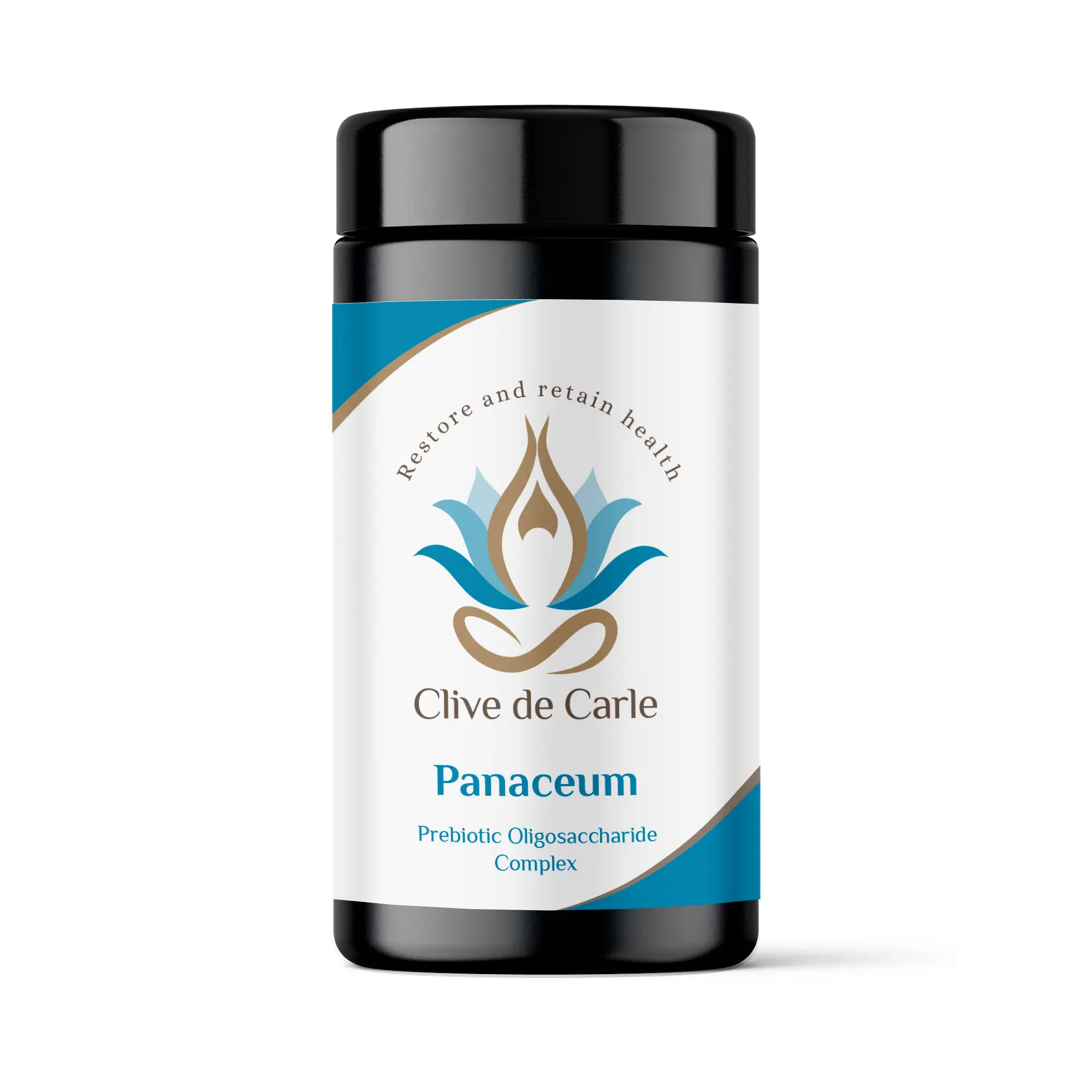
Panaceum – Prebiotic Oligosaccharide Complex
Panaceum is a specialist eight-oligosaccharide blend designed to restore the microbial diversity missing from the modern Western diet. By providing the complex fibres our ancestors once consumed, it feeds and sustains a resilient gut microbiome for long-term health.
Vetting Notes
Pending
Re-establishing Microbial Balance\nRestoration involves crowding out the iron-loving pathogens and reintroducing beneficial strains. Targeted probiotics, particularly *Bifidobacterium infantis* and *Lactobacillus rhamnosus GG*, have shown efficacy in reducing gut-derived inflammation and improving mood scores in postpartum populations. Furthermore, increasing prebiotic fibre intake (as tolerated) provides the necessary 'food' for these beneficial bacteria to produce Short-Chain Fatty Acids (SCFAs) like butyrate, which further heal the gut lining.\n\n## Conclusion\n\nPostpartum health is frequently reduced to a checklist of mineral levels, yet the method by which we address these deficiencies matters immensely. Iron-induced oxidative stress represents a significant, yet often overlooked, hurdle in maternal recovery. By recognising the link between iron supplementation, intestinal permeability, and the gut-brain axis, practitioners and mothers can move toward a more sophisticated model of care—one that prioritises both nutrient repletion and the preservation of the vital microbial ecosystems that govern mental and physical well-being.","tags":["Postpartum Health","Gut-Brain Axis","Iron Deficiency","Microbiome","Intestinal Permeability","Nutritional Therapy","Maternal Mental Health"],"reading_time":10}
This article is provided for informational and educational purposes only. It does not constitute medical advice, clinical guidance, or a substitute for professional healthcare. Information reflects cited research at time of publication. Always consult a qualified healthcare professional before acting on any health information.
RESEARCH FOUNDATIONS
Biological Credibility Archive
Citations provided for educational reference. Verify via PubMed or institutional databases.
Medical Disclaimer
The information in this article is for educational purposes only and does not constitute medical advice, diagnosis, or treatment. Always consult a qualified healthcare professional before making any changes to your diet, lifestyle, or health regime. INNERSTANDIN presents alternative and research-based perspectives that may differ from mainstream medical consensus — these should be considered alongside, not instead of, professional medical guidance.
Read Full DisclaimerReady to learn more?
Continue your journey through our classified biological research.
DISCUSSION ROOM
Members of THE COLLECTIVE discussing "Microbiome-Gut-Brain Axis Restoration: Repairing Intestinal Permeability Following Postpartum Iron-Induced Oxidative Stress"
SILENT CHANNEL
Be the first to discuss this article. Your insight could help others understand these biological concepts deeper.
THE ARSENAL
Based on Postpartum Health & Nutritional Depletion — products curated by our research team for educational relevance and biological support.
Panaceum – Prebiotic Oligosaccharide Complex
Magnesium Blend – The Most Important Mineral
Clean Slate – Detoxes thousands of chemicals,heavy metals, pesticides, allergens, mold spores and fungus
INNERSTANDING may earn a commission on purchases made through these links. All products are selected based on rigorous educational relevance to our biological research.