
Microplastics in Human Fertility: The Modern Decline
Updated May 2026
The NHS treats infertility as a lifestyle or age issue, ignoring the biological presence of microplastics in reproductive organs. We examine the mechanotransduction interference caused by plastic particles.
Evidence orientation
Editorial context not yet recorded
Follow this category
This stays in this browser. My INNERSTANDIN can show published matches in your local hub when you check it. It does not send email, push, or alert notifications.
Local learning review
A private browser aid for revisiting ideas. It is not an alert or a health recommendation.
Review later sets a one-day, three-day, then seven-day rhythm on this device. Choose it only when you want to revisit this article.
Overview
The silent erosion of human reproductive capacity is no longer a speculative future scenario; it is a current biological crisis. Over the past five decades, sperm counts in Western nations have plummeted by more than 50%, while female fertility rates continue to hit historic lows. Within the corridors of the National Health Service (NHS) and global health ministries, this decline is frequently dismissed as a byproduct of delayed parenthood, sedentary lifestyles, or "unexplained" idiopathic factors. However, recent advancements in analytical chemistry and molecular biology suggest a far more sinister culprit: the pervasive infiltration of microplastics (MPs) and nanoplastics (NPs) into the human reproductive architecture.
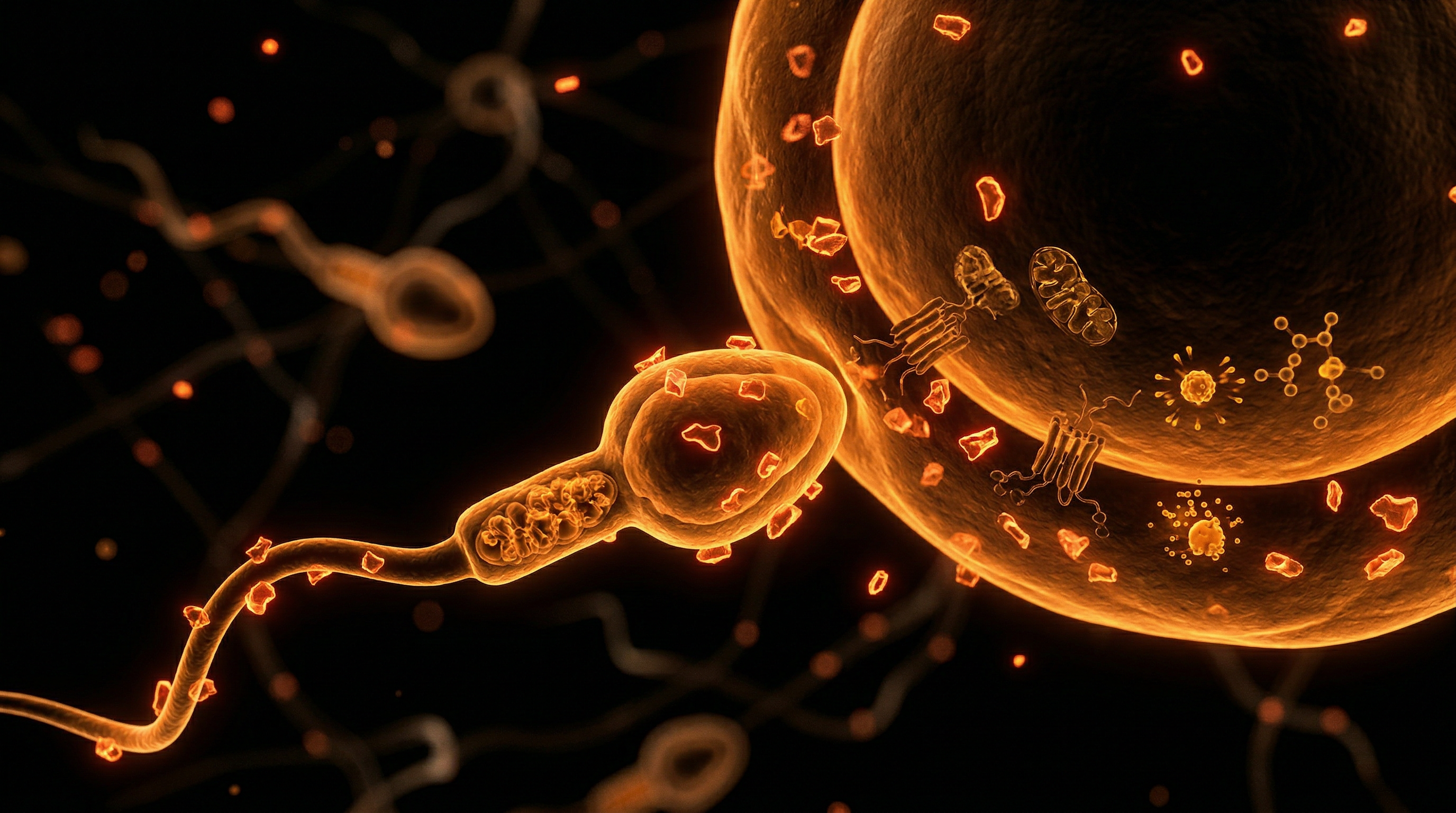
Microplastics, defined as plastic particles smaller than 5mm, and nanoplastics, which are smaller than 1µm, have been detected in every corner of the globe, from the Mariana Trench to the summit of Mount Everest. More alarmingly, they are now being found within the human body—specifically within human blood, placentas, and testicular tissue. While the mainstream narrative focuses on the chemical toxicity of plastic additives like bisphenol A (BPA) and phthalates, the scientific community is beginning to uncover a deeper, more physical threat.
The presence of these particles does not merely represent a passive accumulation of waste. Instead, they act as physical disruptors that interfere with mechanotransduction—the process by which cells convert mechanical stimuli into electrochemical signals. By embedding themselves within the cellular matrix, these non-biological intruders jam the machinery of life. This article serves as an exhaustive investigation into the mechanobiological impact of microplastics on human fertility and an exposure of the systemic failure of the British medical establishment to diagnose what is essentially a "Plasticosis" of the reproductive system.
Key Fact: A 2024 study published in the journal Toxicological Sciences identified microplastics in 100% of human testicular samples tested, with concentrations significantly higher than those found in placental tissue.
The Biology — How It Works
To understand how microplastics decimate fertility, one must first understand the delicate physiological barriers designed to protect the germline. The human body possesses two primary checkpoints: the Blood-Testis Barrier (BTB) and the Placental Barrier. For decades, these were considered impenetrable to all but the smallest molecules. We now know that micro- and nanoplastics bypass these defences with alarming ease.
The Trojan Horse Effect
The translocation of plastics into the reproductive organs occurs through a mechanism known as the "Trojan Horse" effect. Once ingested or inhaled, plastic particles interact with biological fluids, forming a "protein corona"—a coating of proteins and lipids that masks the synthetic nature of the particle. This allows the particle to be recognised by cellular receptors and internalised via endocytosis.
Penetrating the Male Reproductive System
In the male, the BTB is composed of tight junctions between Sertoli cells. These junctions are meant to prevent immune cells and toxins from reaching developing spermatozoa. However, nanoplastics (especially those composed of polystyrene and polyethylene) are small enough to pass through these junctions. Once inside the seminiferous tubules, they accumulate in the interstitial space, creating a chronic inflammatory environment that disrupts the microenvironment necessary for spermatogenesis.
The Placental Infiltration
In women, the placenta acts as a complex gatekeeper. Recent studies using Raman microspectroscopy have identified pigmented microplastic fragments in both the fetal and maternal sides of the placenta. These particles do not remain inert; they migrate into the umbilical cord and have been found in the first stools (meconium) of newborns. This indicates that human exposure begins in utero, potentially reprogramming the reproductive potential of the next generation before they are even born.
Mechanisms at the Cellular Level
The most devastating impact of microplastics is not merely their chemical toxicity, but their physical presence. This is where the concept of mechanotransduction interference becomes critical. Cells are not just bags of chemicals; they are mechanical engines that respond to physical tension, pressure, and architecture.
Disruption of Mechanotransduction
Mechanotransduction is governed by the cytoskeleton, a network of protein filaments (actin and microtubules) that transmit forces from the outside of the cell to the nucleus.
- Integrin Binding: Microplastics can physically bind to integrins, the transmembrane receptors that anchor the cell to the extracellular matrix (ECM). By occupying these sites, the particles prevent the cell from correctly sensing its environment.
- Cytoskeletal Tension: The presence of hard plastic particles within the soft cytoplasm causes "mechanical noise." This disrupts the tensegrity of the cell, leading to the misfolding of proteins and the failure of spindle fibres during meiosis (the cell division that produces eggs and sperm).
Mitochondrial Dysfunction and ROS
When a cell detects a foreign, non-biological particle that it cannot degrade via autophagy, it enters a state of persistent stress. This triggers the overproduction of Reactive Oxygen Species (ROS).
- Oxidative Stress: In sperm cells, which have very little cytoplasm and limited antioxidant capacity, ROS lead to lipid peroxidation of the cell membrane. This destroys sperm motility and leads to DNA fragmentation.
- Mitochondrial Damage: Nanoplastics have a high affinity for the mitochondrial membrane. By disrupting the Electron Transport Chain, they deplete cellular ATP, leaving the sperm "powerless" and unable to penetrate the oocyte.
Endocrine Disruption vs. Physical Displacement
While the physical particle causes mechanical havoc, it also acts as a reservoir for Endocrine Disrupting Chemicals (EDCs).
- The Sponge Effect: Microplastics adsorb persistent organic pollutants (POPs) from the environment. Once inside the gonads, these chemicals leach out in high concentrations.
- Hormone Mimicry: These chemicals bind to oestrogen and androgen receptors, creating a state of hormonal chaos. In the NHS framework, this is often misdiagnosed as "PCOS" or "low testosterone," ignoring the plastic vehicle that delivered the disruption.
Environmental Threats and Biological Disruptors
The "Plastisphere" we inhabit is comprised of various polymers, each with a unique profile of biological destruction. Understanding the specific threats is essential for identifying the source of reproductive decline.
Primary Polymers of Concern
- Polyethylene (PE): Found in plastic bags and bottles. It is the most common plastic found in human tissue.
- Polyvinyl Chloride (PVC): Contains high levels of phthalates. PVC microparticles are particularly associated with the breakdown of the blood-testis barrier.
- Polystyrene (PS): Frequently used in food packaging. Nanoplastics of PS have been shown in animal models to cross into the brain and the gonads within hours of exposure.
Routes of Ingress
Statistic: The average human ingests approximately 5 grams of plastic every week—the equivalent of a credit card—through contaminated water, air, and food.
- The Water Supply: UK tap water is heavily contaminated with microfibres. Even bottled water is not a solution, as the process of opening a plastic cap releases thousands of particles into the liquid.
- Atmospheric Fallout: Synthetic fibres from clothing (polyester/nylon) are shed into the air. We inhale these particles, which then enter the bloodstream via the alveolar-capillary membrane.
- The Food Chain: Microplastics bioaccumulate. When we consume seafood or even commercially grown vegetables (which take up microplastics through their roots), we are consuming the cumulative plastic load of the ecosystem.
The Cascade: From Exposure to Disease
The journey from initial plastic exposure to a clinical diagnosis of infertility follows a predictable, yet often ignored, pathological cascade.
Phase 1: The Inflammatory Trigger
Initial accumulation of MPs in the reproductive tract triggers the recruitment of macrophages. Because the macrophages cannot digest the plastic, they undergo "frustrated phagocytosis," releasing pro-inflammatory cytokines such as IL-6 and TNF-α.
Phase 2: Chronic Fibrosis
Persistent inflammation leads to the activation of fibroblasts. In the testes, this results in the thickening of the basement membrane of the seminiferous tubules. In the female reproductive tract, it can lead to endometriosis-like adhesions and scarring of the Fallopian tubes.
Phase 3: Epigenetic Reprogramming
Perhaps the most terrifying aspect of plastic-induced decline is the epigenetic shift. Exposure to microplastics has been shown to alter the DNA methylation patterns in germ cells. This means that a man's exposure to plastic today could affect the fertility and health of his grandchildren, creating a transgenerational inheritance of infertility.
Phase 4: Clinical Presentation
By the time a patient seeks help from the NHS, they are presenting with:
- Oligospermia: Low sperm count.
- Asthenozoospermia: Poor sperm motility.
- Teratozoospermia: Abnormal sperm morphology.
- Premature Ovarian Failure: Early depletion of egg follicles.
What the Mainstream Narrative Omits
The current medical orthodoxy is designed to treat symptoms, not systems. When a couple presents with infertility, the NHS diagnostic pathway follows a rigid protocol: semen analysis, hormone panels, and ultrasound. If these are "within normal range"—or if the cause isn't immediately obvious—the diagnosis of "Unexplained Infertility" is applied.
The "Unexplained" Fallacy
In the UK, approximately 25% of infertility cases are labelled "unexplained." This is a medical admission of failure. By refusing to test for heavy metal loads or microplastic presence, the NHS ignores the environmental reality of the 21st century. The mainstream narrative omits the fact that "normal" sperm counts have been lowered by the WHO over decades to reflect the declining average, rather than a healthy standard.
Institutional Inertia
There is a profound reluctance within the Department of Health to acknowledge the microplastic crisis because the solution is not a pharmaceutical one. It is a structural one. To admit that plastic is the primary driver of the fertility decline would require:
- A total overhaul of the UK's water filtration infrastructure.
- Massive regulation of the food and packaging industries.
- A shift away from the lucrative IVF industry toward preventative environmental medicine.
The Mechanotransduction Blind Spot
Modern medical training largely ignores mechanobiology. Most doctors view the cell through the lens of biochemistry alone. They do not understand that a physical particle of polyethylene wedged in a cell's cytoskeleton is just as damaging as a virus or a chemical toxin. This "blind spot" prevents the development of effective diagnostic tools for plastic-induced cellular stress.
The UK Context
The United Kingdom faces a unique set of challenges regarding microplastic exposure. Our Victorian-era sewage systems and the high density of microplastics in British waterways have created a "perfect storm" for reproductive decline.
The Thames and Beyond
The River Thames has one of the highest recorded levels of microplastics in the world. As this water is processed and recycled into the drinking supply, the filtration methods used by water companies (such as Thames Water) are often insufficient to catch the smallest nanoplastics.
The NHS Misdiagnosis Pattern
The NHS often attributes the rise in infertility to "lifestyle choices"—obesity, smoking, and late-age conception. While these are factors, they do not explain why healthy, young, non-smoking athletes are presenting with sperm counts that would have been considered pathological in 1950.
- The Coding Problem: There is currently no NHS diagnostic code for "Microplastic-Induced Reproductive Dysfunction." Without a code, the condition "does not exist" in the eyes of the bureaucratic system.
- The IVF Treadmill: The UK's response to infertility is to push couples toward In Vitro Fertilisation (IVF). However, if the mother's body is heavily loaded with microplastics, the success rate of implantation drops significantly. IVF is being used as a "band-aid" for a systemic environmental poisoning.
Regulatory Failure
The UK's post-Brexit regulatory framework (UK REACH) has been slow to move against microplastics in consumer products. While some "microbeads" have been banned in cosmetics, the larger issue of secondary microplastics (from tyre wear and textile shedding) remains entirely unaddressed.
Protective Measures and Recovery Protocols
While the systemic issue requires geopolitical change, individuals can take significant steps to reduce their "body burden" and protect their reproductive health.
Radical Reduction of Exposure
- The "No Plastic" Kitchen: Replace all plastic food containers with glass or stainless steel. Never heat food in plastic, as heat accelerates the leaching of both chemicals and micro-fragments.
- Water Filtration: Standard charcoal filters are insufficient for nanoplastics. Only Reverse Osmosis (RO) systems with high-quality membranes can effectively strip the smallest plastic particles from drinking water.
- Natural Textiles: Transition to clothing made from 100% organic cotton, wool, or silk. Synthetic fabrics (polyester, acrylic) are a major source of inhalable microfibres.
Biological Support and Detoxification
While the body cannot "digest" plastic, it can be supported in its efforts to clear the associated toxins and manage the mechanical stress.
- Enhancing Autophagy: Practices such as Intermittent Fasting and deep sleep cycles trigger autophagy, the body's cellular "cleanup" mechanism, which may help in sequestering and slowly removing particulate matter.
- Glutathione and Selenium: These are critical for the antioxidant defence system. Supplementing with high-quality precursors (like N-Acetyl Cysteine) can help the sperm and eggs survive the oxidative stress caused by plastic particles.
- Sweating (Sauna Therapy): While the particles themselves are difficult to excrete, the phthalates and BPAs they carry are readily excreted through sweat. Regular high-heat sauna use is one of the few proven ways to lower the body's burden of plastic-associated chemicals.
Protecting the Mechanotransduction Pathways
- Anti-Inflammatory Nutrition: A diet high in omega-3 fatty acids (from clean, small-fish sources) helps maintain the fluidity of cell membranes, making them less susceptible to the "stiffening" effects of microplastic infiltration.
- Magnesium: Magnesium is essential for maintaining the proper tension of the cytoskeleton. Deficiencies make cells more vulnerable to the mechanical disruptions of microplastics.
Summary: Key Takeaways
The decline in human fertility is not a mystery; it is a direct consequence of the Plastic Age. The "Modern Decline" is a failure of both biological adaptation and institutional integrity.
- Microplastics are physical disruptors: They cross the blood-testis and placental barriers, causing direct mechanical damage to the reproductive germline.
- Mechanotransduction is the key: The interference with cellular "sensing" and physical signaling is the primary driver of idiopathic infertility.
- The NHS is failing patients: By ignoring the environmental reality of microplastic loading and focusing on lifestyle/age, the medical establishment is misdiagnosing a systemic environmental poisoning.
- The UK is at the epicentre: Our water systems and synthetic-heavy environments make the British public particularly vulnerable to "Plasticosis."
- Action is required: Recovery is possible through radical exposure reduction, advanced water filtration, and biological support to mitigate the oxidative and mechanical stress of these particles.
The future of human reproduction depends on our ability to acknowledge this synthetic intrusion. We can no longer afford to treat infertility as a private tragedy or a biological quirk. It is a call to action against the invisible shards of the industrial world that are currently rewriting our biological future. For the senior biological researcher, the data is clear: we are becoming plastic, and in doing so, we are losing our ability to create life.
Author Note: This report was produced for INNERSTANDING. We remain committed to exposing the biological realities hidden behind the veil of mainstream medical consensus.
This article is provided for informational and educational purposes only. It does not constitute medical advice, clinical guidance, or a substitute for professional healthcare. Information reflects cited research at time of publication. Always consult a qualified healthcare professional before acting on any health information.
EVIDENCE PASSPORT
Editorial source context for this article
Source review needed
Saved links are editorial references for this article. They may support specific claims rather than every sentence. Open and assess each source in context. This passport does not independently verify them.
Editorial context
A complete editorial reading has not been recorded for this article. Source links remain available for you to open and assess directly.
Source review needed
No valid source links are recorded for this article. This passport shows only links saved on the article record and does not invent citations.
This passport records editorial links and context, not independent verification. Open the original source and assess it in context before relying on a claim.
Medical Disclaimer
The information in this article is for educational purposes only and does not constitute medical advice, diagnosis, or treatment. Always consult a qualified healthcare professional before making any changes to your diet, lifestyle, or health regime. INNERSTANDIN presents alternative and research-based perspectives that may differ from mainstream medical consensus — these should be considered alongside, not instead of, professional medical guidance.
Read Full DisclaimerContinue the thread
Keep this question moving.
Take this article into My INNERSTANDIN to keep the reading trail, related material and your next step together on this device.
Dig deeper in the Library
Free, longform PDF volumes that go beyond headlines into mechanisms and references.