
Kisspeptin: Overcoming Endocrine Disruptors in British Waterways
Updated May 2026
Kisspeptin triggers the release of gonadotropins, essential for reproductive health and hormonal balance. We analyze how this peptide can counter the effects of xenoestrogens found in modern water supplies.
Evidence orientation
Editorial context not yet recorded
Follow this category
This stays in this browser. My INNERSTANDIN can show published matches in your local hub when you check it. It does not send email, push, or alert notifications.
Local learning review
A private browser aid for revisiting ideas. It is not an alert or a health recommendation.
Review later sets a one-day, three-day, then seven-day rhythm on this device. Choose it only when you want to revisit this article.
Overview
The biological integrity of the British populace is under a quiet, chemical siege. For decades, we have been told that our water systems represent the pinnacle of civil engineering and public health safety. However, underneath the surface of this narrative lies a disturbing reality: British waterways—from the historic Thames to the rural tributaries of the Severn—are saturated with a cocktail of Endocrine Disrupting Chemicals (EDCs). These substances, primarily xenoestrogens, are fundamentally altering human physiology by hijacking the very signalling systems that govern our reproduction, growth, and metabolic stability.
At the heart of this physiological defence is a small but mighty neuropeptide known as Kisspeptin. Originally discovered for its ability to suppress tumour metastasis (hence its initial name, Metastin), Kisspeptin has emerged as the "Master Switch" of the human reproductive system. It is the upstream gatekeeper that dictates whether the body enters puberty, maintains fertility, or succumbs to the hormonal chaos induced by environmental toxins.
As a senior researcher at INNERSTANDING, my objective is to peel back the layers of mainstream complacency. We are witnessing a systemic decline in male testosterone levels, an explosion in Polycystic Ovary Syndrome (PCOS) among women, and a terrifying trend toward precocious puberty in children. This article explores how Kisspeptin functions not merely as a hormone, but as a critical biological buffer. We will examine the molecular warfare occurring in our rivers and how peptide science offers a pathway to restoring the hormonal sovereignty that the modern environment has stripped away.
Key Statistic: Recent surveys of British rivers by the Environment Agency have found that in some stretches of the River Lea, 100% of male fish exhibited "intersex" characteristics, including the development of eggs in their testes, due to high concentrations of oestrogenic pollutants.
The Biology — How It Works
To understand the importance of Kisspeptin, one must first grasp the hierarchy of the Hypothalamic-Pituitary-Gonadal (HPG) Axis. For years, the medical establishment viewed Gonadotropin-Releasing Hormone (GnRH) as the ultimate driver of reproductive health. We now know that GnRH does not act alone; it is a servant to Kisspeptin.
The Kisspeptin-GnRH Interface
Kisspeptin is a peptide product of the KISS1 gene. In the brain, specifically within the hypothalamus (the arcuate nucleus and the anteroventral periventricular nucleus), Kisspeptin neurons act as high-level sensors. They integrate signals from the environment, the body’s energy stores, and the external chemical landscape.
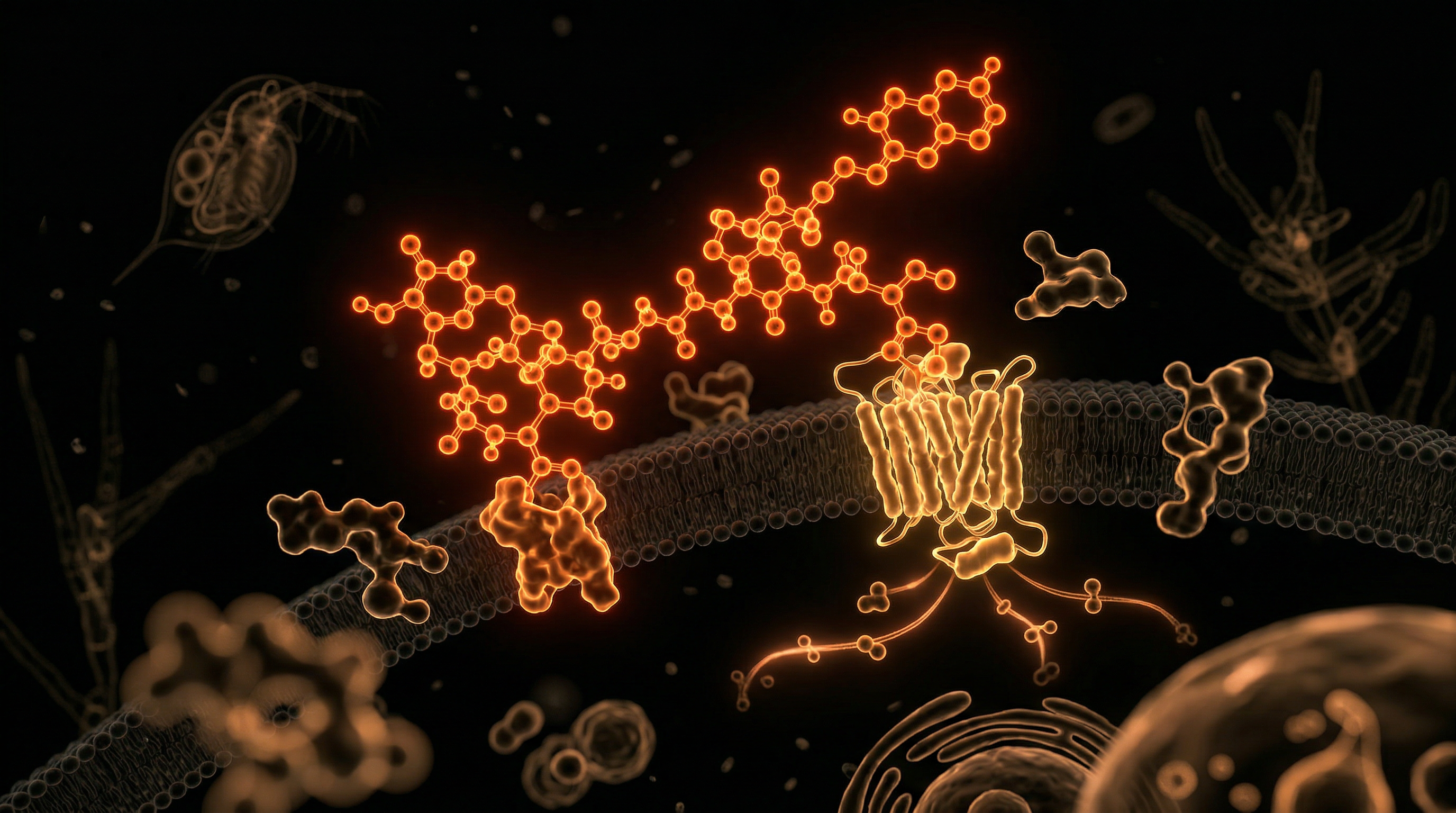
When the body is ready for reproductive function, these neurons release Kisspeptin, which binds to its cognate receptor, KISS1R (formerly GPR54), located directly on GnRH neurons. This binding triggers a pulsatile release of GnRH into the pituitary portal system. In response, the pituitary gland secretes:
- Luteinizing Hormone (LH): Which stimulates testosterone production in men and ovulation in women.
- Follicle-Stimulating Hormone (FSH): Essential for sperm production and follicle development.
The Feedback Loop Disruption
Under normal conditions, this is a self-regulating loop. However, the introduction of xenoestrogens (foreign oestrogens) from British water supplies creates a "false" feedback signal. The body perceives these chemicals as an excess of natural oestrogen, leading to a down-regulation of Kisspeptin production. When Kisspeptin levels drop, the entire HPG axis goes into a state of suspended animation. This is the biological equivalent of a computer system freezing because it is receiving conflicting commands from an external virus.
Mechanisms at the Cellular Level
The molecular elegance of Kisspeptin lies in its specific G-protein coupled receptor signalling. When Kisspeptin-10 (the most potent endogenous fragment) binds to the KISS1R, it initiates a complex cascade that bypasses many of the traditional inhibitory pathways exploited by environmental toxins.
Intracellular Signalling Cascades
The activation of KISS1R primarily involves the Gαq/11 pathway. This triggers the activation of Phospholipase C (PLC), which subsequently hydrolyses phosphatidylinositol 4,5-bisphosphate (PIP2) into two secondary messengers:
- Inositol trisphosphate (IP3): This causes a rapid release of intracellular calcium (Ca2+) from the endoplasmic reticulum.
- Diacylglycerol (DAG): This activates Protein Kinase C (PKC).
This surge in intracellular calcium is the primary driver for the depolarisation of the GnRH neuron. It is a robust, high-affinity interaction. This is why Kisspeptin therapy is currently being researched as a "rescue" mechanism; it provides a potent enough stimulus to overcome the "noise" created by low-level, chronic exposure to endocrine disruptors.
The KNDy Neuron Concept
Crucially, Kisspeptin neurons in the arcuate nucleus often co-express two other neuropeptides: Neurokinin B (NKB) and Dynorphin. This triad is referred to as the KNDy neurons.
- NKB acts as the "accelerator," promoting Kisspeptin release.
- Dynorphin acts as the "brake," inhibiting it.
Environmental toxins like Bisphenol A (BPA) have been shown to specifically interfere with the NKB/Dynorphin balance, essentially locking the "brake" and preventing the Kisspeptin signal from ever reaching the GnRH neurons. By understanding this cellular lock-and-key mechanism, we can see why traditional hormone replacement therapy (HRT) often fails to address the root cause of environmental endocrine disruption; HRT replaces the end product, whereas Kisspeptin restores the central command.
Callout Fact: Kisspeptin is 10,000 times more potent than GnRH at stimulating the HPG axis, making it the most powerful known stimulator of reproductive function in the human body.
Environmental Threats and Biological Disruptors
The British Isles face a unique geographical and infrastructural challenge. Our water systems are largely closed loops, and our Victorian-era sewage treatment plants were never designed to filter out the microscopic, lipid-soluble compounds that define the 21st-century chemical landscape.
The Primary Offenders: Xenoestrogens
The most pervasive threats in British waterways fall under the category of xenoestrogens. These are compounds that, due to their molecular shape, can bind to oestrogen receptors (ERα and ERβ) with high affinity.
- Ethinylestradiol (EE2): Derived from oral contraceptive pills. It is excreted in urine and is notoriously difficult to remove via standard filtration. EE2 is highly potent and remains biologically active even at parts-per-trillion levels.
- Bisphenol A (BPA) and Phthalates: Found in plastic linings, bottles, and industrial run-off. These chemicals "leach" into the water table.
- Alkylphenols: Used in industrial detergents and pesticides across the UK's agricultural belts.
- Triclosan: An antimicrobial agent found in soaps that acts as a thyroid and reproductive disruptor.
The "Cocktail Effect"
Mainstream toxicology often looks at chemicals in isolation, determining "safe levels" for each. However, the reality in the Thames or the Mersey is a synergistic "cocktail effect." When five different xenoestrogens are present at "safe" levels, their combined effect on the human Kisspeptin system can be catastrophic. They act additively and sometimes exponentially to suppress the hypothalamic drive.
The Cascade: From Exposure to Disease
The suppression of Kisspeptin through chronic exposure to British water contaminants does not result in a single disease, but a cascade of physiological failures. As the "Master Switch" is flicked off, the body enters a state of Hypogonadotropic Hypogonadism.
Male Reproductive Decline
In men, the suppression of Kisspeptin results in a direct drop in intratesticular testosterone. This is not merely an issue of "low T" or libido. It leads to:
- Spermatogenic Failure: Decreased sperm count and motility. UK sperm counts have declined by over 50% in the last four decades.
- Gynaecomastia: The development of breast tissue due to the altered oestrogen-to-androgen ratio.
- Metabolic Syndrome: Testosterone is a key regulator of insulin sensitivity. When Kisspeptin is suppressed, visceral fat accumulation increases, creating a vicious cycle as fat tissue produces its own oestrogen via the enzyme aromatase.
Female Hormonal Chaos
For women, the disruption is equally severe. Kisspeptin is required for the "LH surge" that triggers ovulation.
- Anovulation and PCOS: Many cases of Polycystic Ovary Syndrome in the UK are being driven by "central" disruption rather than ovarian issues. The Kisspeptin signal becomes erratic, leading to failed ovulation and the formation of cysts.
- Precocious Puberty: Conversely, certain EDCs can mimic the Kisspeptin signal prematurely in children, leading to the onset of puberty as early as age 7 or 8. This has profound psychological and physical consequences, including stunted growth and increased lifetime risk of breast cancer.
The Neurological Impact
Kisspeptin receptors are also located in the amygdala and hippocampus, areas of the brain responsible for mood and memory. The "brain fog" and rising rates of anxiety and depression in the UK may be partially linked to the disruption of Kisspeptin signalling by environmental toxins. Kisspeptin has been shown to have anti-anxiety and antidepressant-like effects; its suppression leaves the brain vulnerable to stress.
Callout Fact: Studies have shown that intravenous administration of Kisspeptin in humans increases the brain's response to sexual and emotional stimuli, highlighting its role beyond just physical fertility.
What the Mainstream Narrative Omits
The mainstream media and public health bodies often attribute the UK's fertility crisis to "lifestyle factors" such as obesity, delayed parenthood, and stress. While these are relevant, they serve as a convenient screen to hide a much more uncomfortable truth: The environmental degradation of our water supply is a primary driver of biological decline.
The Myth of "Safe Levels"
The UK government adheres to "Environmental Quality Standards" (EQS). However, these standards are often influenced by the economic feasibility of water treatment rather than pure biological safety. The "Safe Level" of BPA or EE2 is calculated based on acute toxicity—what kills you—rather than endocrine disruption, which occurs at levels thousands of times lower.
The Financial Barrier to Clean Water
To truly remove xenoestrogens and microplastics from British water, every treatment plant in the UK would require Advanced Oxidation Processes (AOP), such as ozone treatment and activated carbon filtration. The cost of this infrastructure upgrade is estimated in the tens of billions of pounds. In a landscape of privatised water companies prioritising shareholder dividends (as seen with the recent scandals involving Thames Water and Southern Water), the biological health of the public is an "externality" that the companies are unwilling to fund.
The Suppressed Potential of Peptide Therapy
Furthermore, there is a distinct lack of public discourse regarding Peptide Science as a restorative tool. Because neuropeptides like Kisspeptin cannot be easily patented in their natural form, there is little pharmaceutical incentive to promote them as a solution to environmental poisoning. Instead, the focus remains on "band-aid" solutions like IVF, which is a £500 million industry in the UK, or life-long testosterone replacement therapy.
The UK Context
The United Kingdom presents a specific set of challenges due to its high population density and the age of its infrastructure. The "river-to-tap" cycle in the UK is remarkably short. In cities like London, it is often said that the water you drink has passed through seven other people before it reaches your glass.
The Failure of the Environment Agency
The Environment Agency (EA) has seen its funding slashed by over 50% since 2010. This has resulted in a massive reduction in the monitoring of EDCs. We are essentially flying blind. While the public focuses on "visible" pollution like raw sewage spills, the "invisible" chemical pollution—the hormones and xenoestrogens—continues to flow unabated.
Regional "Hotspots" of Disruption
Mapping the data reveals that regions with high concentrations of intensive farming and heavy industry, such as the East Midlands and parts of Yorkshire, show the highest levels of alkylphenols and pesticide-derived xenoestrogens in the water table. Simultaneously, urban centres suffer from "pharmaceutical peaks" where the concentration of birth control metabolites (EE2) spikes during weekday mornings, coinciding with the morning bathroom rush.
- Thames Water: Serving 15 million people, it has been criticised for its inability to filter out microplastics, which act as "magnets" for xenoestrogens, concentrating them and delivering them directly into the human gut.
- The North-South Divide: Interestingly, soft water areas in the North and Scotland often have different mineral profiles that can exacerbate or mitigate the uptake of certain EDCs, though no part of the UK is truly exempt.
Protective Measures and Recovery Protocols
Given that the systemic purification of British waterways is unlikely to happen in the near future, the responsibility for biological preservation falls upon the individual. We must adopt a multi-layered approach to protect and restore the Kisspeptin-GnRH axis.
1. Filtration: The First Line of Defence
Standard jug filters (like Brita) are insufficient for removing xenoestrogens. To protect your Kisspeptin levels, you must use:
- Reverse Osmosis (RO): This is the gold standard. A high-quality RO system with a carbon post-filter can remove up to 99% of pharmaceuticals and EDCs.
- Activated Carbon Block Filters: These are effective for many organic compounds but must be changed frequently to avoid saturation.
2. Peptide Intervention: Kisspeptin-10
For those already suffering from the symptoms of endocrine disruption (low libido, unexplained weight gain, fertility issues), Kisspeptin-10 (a 10-amino acid fragment) has emerged as a potent therapeutic.
- Unlike synthetic steroids, Kisspeptin-10 stimulates the body’s own production of testosterone and oestrogen in the correct physiological ratios.
- It maintains the pulsatility of the HPG axis, preventing the "shutdown" often seen with traditional HRT.
- Note: This must be approached under the guidance of a specialist in peptide medicine, as timing and dosage are critical to avoid receptor desensitisation.
3. Nutritional and Lifestyle Co-factors
To support endogenous Kisspeptin production, specific nutritional inputs are required:
- Zinc and Magnesium: These minerals are essential for the synthesis of neuropeptides and the function of the KISS1R.
- Vitamin D3: There is emerging evidence that the KISS1 gene has a Vitamin D response element, meaning low sunlight (common in the UK) can exacerbate the effects of environmental disruptors.
- Avoidance of "Plastic" Behaviours: Never heat food in plastic containers, and avoid "disposable" coffee cups lined with BPA/BPS. These habits significantly add to the "body burden" already being filled by the water supply.
4. Metabolic Priming
Kisspeptin neurons are highly sensitive to Leptin (the satiety hormone). Maintaining a healthy body fat percentage is crucial. High body fat leads to leptin resistance, which "mutes" the Kisspeptin neurons. Conversely, intermittent fasting has been shown in some models to sensitise the HPG axis, though extreme caloric restriction can have the opposite effect.
Callout Fact: A study published in the Journal of Clinical Endocrinology & Metabolism found that Kisspeptin administration could restore LH pulsatility in women with functional hypothalamic amenorrhea, effectively "restarting" their reproductive system.
Summary: Key Takeaways
The crisis of British waterways is not merely an environmental issue; it is a profound biological challenge that threatens the future of our population's health and fertility. The mainstream narrative’s failure to address the "invisible" threat of xenoestrogens has left millions of people with compromised hormonal systems.
- Kisspeptin is the Master Switch: It is the primary regulator of the HPG axis and the most sensitive target for environmental toxins.
- UK Water is a Vector: Victorian infrastructure and privatised mismanagement have allowed a "cocktail" of xenoestrogens (EE2, BPA, Phthalates) to permeate our drinking supply.
- The Cascade of Decline: Suppression of Kisspeptin leads to systemic issues, including male feminisation, female infertility, metabolic syndrome, and neurological disorders.
- The Mainstream Silence: Economic and pharmaceutical interests prevent a full-scale acknowledgement of this chemical crisis.
- Sovereignty through Science: By utilising advanced water filtration, understanding neuropeptide therapy (Kisspeptin-10), and optimising metabolic health, individuals can bypass environmental disruption and restore their hormonal integrity.
The era of assuming "the water is safe" is over. We must now move into an era of biological vigilance, where we actively manage our internal chemistry against an increasingly hostile external environment. Innerstanding the role of Kisspeptin is the first step toward reclaiming our biological future.
This article is provided for informational and educational purposes only. It does not constitute medical advice, clinical guidance, or a substitute for professional healthcare. Information reflects cited research at time of publication. Always consult a qualified healthcare professional before acting on any health information.
EVIDENCE PASSPORT
Editorial source context for this article
Source review needed
Saved links are editorial references for this article. They may support specific claims rather than every sentence. Open and assess each source in context. This passport does not independently verify them.
Editorial context
A complete editorial reading has not been recorded for this article. Source links remain available for you to open and assess directly.
Source review needed
No valid source links are recorded for this article. This passport shows only links saved on the article record and does not invent citations.
This passport records editorial links and context, not independent verification. Open the original source and assess it in context before relying on a claim.
Medical Disclaimer
The information in this article is for educational purposes only and does not constitute medical advice, diagnosis, or treatment. Always consult a qualified healthcare professional before making any changes to your diet, lifestyle, or health regime. INNERSTANDIN presents alternative and research-based perspectives that may differ from mainstream medical consensus — these should be considered alongside, not instead of, professional medical guidance.
Read Full DisclaimerContinue the thread
Keep this question moving.
Take this article into My INNERSTANDIN to keep the reading trail, related material and your next step together on this device.