
Microplastics in the Supply: The New Chemical Frontier
Updated May 2026
While fluoride remains a primary concern, microplastic contamination in UK tap water is reaching critical levels. This article explores how these particles act as vectors for other hydrophobic water chemicals.
Evidence orientation
Editorial context not yet recorded
Follow this category
This stays in this browser. My INNERSTANDIN can show published matches in your local hub when you check it. It does not send email, push, or alert notifications.
Local learning review
A private browser aid for revisiting ideas. It is not an alert or a health recommendation.
Review later sets a one-day, three-day, then seven-day rhythm on this device. Choose it only when you want to revisit this article.
Overview
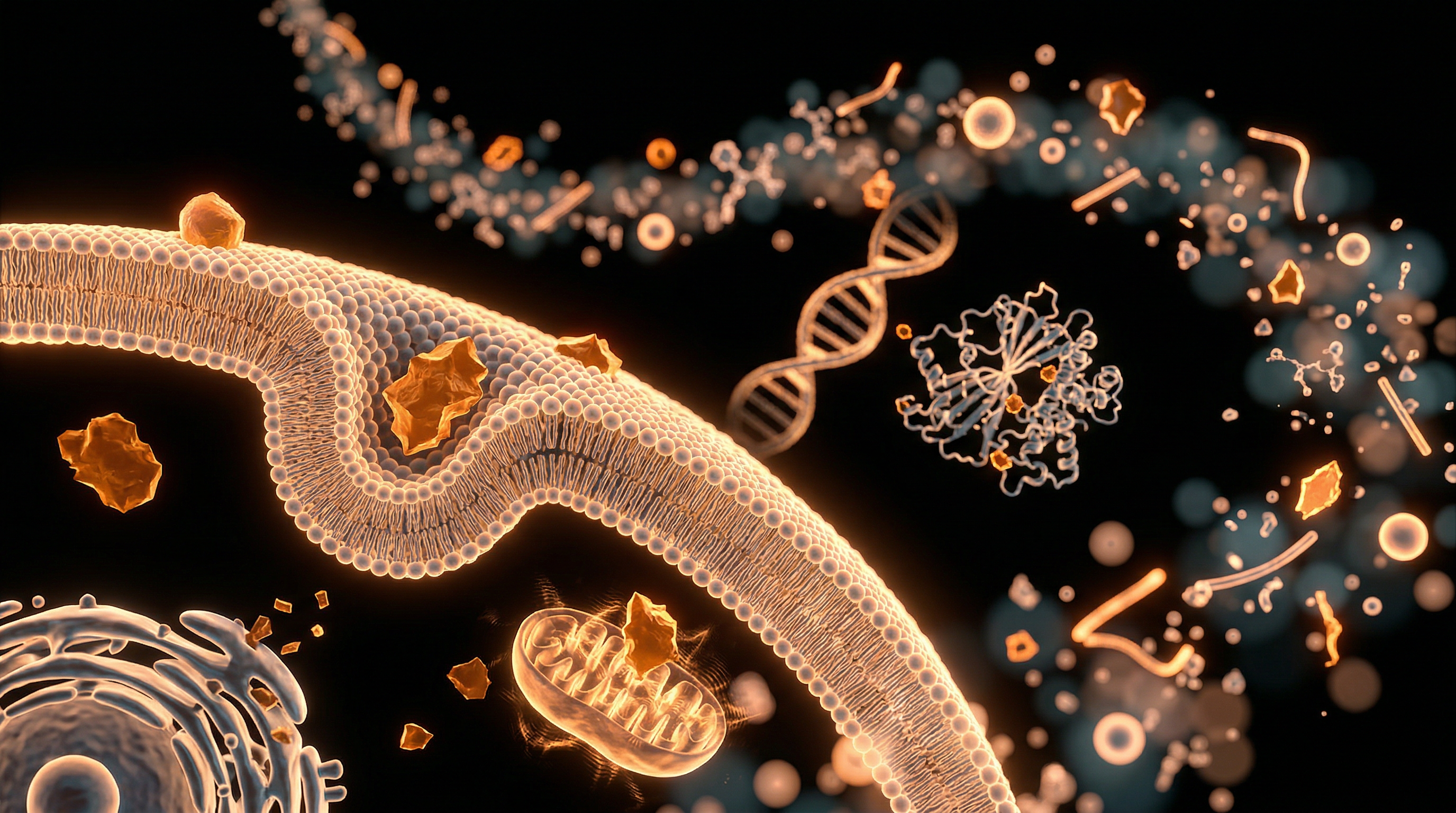
For decades, the discourse surrounding water quality in the United Kingdom has been dominated by the contentious debate over water fluoridation. While the systemic administration of hexafluorosilicic acid remains a primary concern for neurotoxicity and endocrine disruption, a newer, more insidious threat has quietly colonised our municipal supply. We have entered the era of the Plastisphere—a geochemical epoch where the synthetic is no longer separate from the biological.
Microplastics—defined as plastic particles smaller than 5mm, but increasingly relevant at the nanoplastic scale (under 1 micrometre)—are no longer merely environmental "litter." They have become a permanent feature of the human biological terrain. In the UK, recent sampling of tap water across major metropolitan hubs has revealed a startling ubiquity of these polymers. However, the true danger lies not just in the physical presence of the plastic itself, but in its role as a vector.
These particles act as high-surface-area "sponges" or "Trojan Horses" for hydrophobic chemical contaminants, heavy metals, and the very fluoride compounds we seek to avoid. This article explores the convergence of microplastic pollution and chemical toxicity, revealing how our water infrastructure has become a delivery system for a new frontier of complex, multi-layered chemical warfare against human physiology.
Fact: Recent studies have confirmed that the average person may be ingesting approximately 5 grams of plastic per week—equivalent to the weight of a credit card—primarily through water and food sources contaminated by municipal supply lines.
The Biology — How It Works
The human body was never designed to process or excrete synthetic polymers. The biological journey of a microplastic particle begins the moment it is ingested via a glass of "treated" tap water. Unlike larger debris, which may pass through the gastrointestinal tract, micro- and nanoplastics possess the capacity for translocation.
Ingestion and the Gastrointestinal Barrier
When microplastics enter the stomach, they encounter an acidic environment that can actually facilitate the "leeching" of secondary chemicals. The plastic particles then move into the small intestine, where the primary mechanism of absorption occurs. Through a process known as persorption, particles can pass through the gaps in the intestinal epithelial lining.
Crucially, smaller particles (nanoplastics) are taken up by M-cells in the Peyer’s patches of the lymphatic system. From here, they bypass the liver’s primary detoxification pathways and enter the systemic circulation directly.
The Circulatory Highway
Once in the blood, microplastics do not remain inert. They interact with plasma proteins, forming what researchers call a "Protein Corona." This coating of biological molecules masks the synthetic nature of the particle, allowing it to evade immediate detection by the immune system and facilitating its entry into various organs.
The Vector Effect: Hydrophobic Adsorption
This is where the "New Chemical Frontier" becomes most dangerous. Microplastics are inherently hydrophobic (water-fearing). In a water column, they naturally attract other hydrophobic substances. This includes:
- Persistent Organic Pollutants (POPs) like PCBs and DDT.
- PFAS (Per- and polyfluoroalkyl substances), the "forever chemicals."
- Endocrine Disrupting Chemicals (EDCs) such as Bisphenol A (BPA) and Phthalates.
When these chemicals "hitch a ride" on a microplastic particle, their bioavailability changes. Instead of being diluted in the water, they are concentrated on the surface of the plastic, delivered directly into the cell in a high-dose "payload."
Mechanisms at the Cellular Level
At the cellular scale, the presence of synthetic polymers triggers a cascade of dysfunction that traditional toxicology is only beginning to categorise. The sheer physical presence of a sharp-edged micro-fragment within a delicate cellular environment is mechanically damaging, but the biochemical implications are far more profound.
Oxidative Stress and ROS Generation
The primary cellular response to microplastic intrusion is the production of Reactive Oxygen Species (ROS). The mitochondria, sensing a foreign invader that cannot be broken down by enzymatic activity, enter a state of hyper-vigilance. This leads to chronic oxidative stress, damaging mitochondrial DNA and lipid membranes.
Lysosomal Rupture and Autophagy Failure
Cells attempt to "eat" these particles through phagocytosis. The particles are moved into lysosomes—the cell's recycling centres. However, because the polymers are indigestible, the lysosome becomes distended and eventually ruptures, releasing acidic enzymes into the cytoplasm. This triggers pyroptosis, a form of inflammatory programmed cell death that signals to surrounding cells that a pathogen is present, even when the "pathogen" is a piece of polyethylene.
The Disruptive "Trojan Horse"
When the microplastic-chemical complex enters the cell, the adsorbed chemicals (like fluoride or phthalates) are released in response to the internal cellular pH or enzymatic environment. This creates a localised "hotspot" of toxicity.
- Fluoride Interaction: While fluoride is typically dissolved, it can form complexes with aluminium or calcium that adhere to the jagged surfaces of microplastics. This allows fluoride to bypass the traditional ion channels and enter cells through endocytosis, leading to much higher intracellular concentrations than would be possible through simple diffusion.
Environmental Threats and Biological Disruptors
The synthesis of microplastics and industrial chemicals creates a synergistic toxicity that is greater than the sum of its parts. We must look at the specific "passengers" these plastics carry into the human body.
Endocrine Disruption (The Great Unbalancing)
Most microplastics are derived from polymers that require plasticisers to achieve specific textures. Phthalates and BPA are the most notorious. These chemicals are molecular mimics; they are structurally similar to human hormones, particularly oestrogen.
- The Oestrogenic Effect: Microplastics contribute to "oestrogen dominance," a state linked to falling sperm counts in men and the early onset of puberty in girls.
- Thyroid Interference: The chemicals leached from microplastics in the gut can compete with iodine for receptors in the thyroid, exacerbating the damage already caused by water fluoridation.
Heavy Metal Accumulation
In the UK’s aging water infrastructure, lead and copper piping are still prevalent in many Victorian-era systems. Microplastics flowing through these pipes act as ion-exchange resins, picking up heavy metal ions.
- Lead and Cadmium: These metals are frequently found adsorbed onto microplastics in urban water samples. Once ingested, the plastic delivers the metal directly to the intestinal wall, where it is absorbed with high efficiency.
The Biofilm Problem
In the water supply, microplastics develop a "pellicle" or biofilm of bacteria and viruses. This creates a "plastisphere" where pathogens that would usually be killed by chlorine are shielded within the nooks and crannies of the plastic particle. This protects harmful microbes from municipal disinfection, delivering viable pathogens directly into the human gut.
The Cascade: From Exposure to Disease
The cumulative effect of microplastic ingestion is not an overnight catastrophe, but a slow, decades-long "cascade" of biological degradation. By integrating into our tissues, these particles set the stage for chronic, degenerative conditions.
1. The Neurodegenerative Link
Perhaps the most concerning discovery in recent years is the presence of microplastics in the human brain. Nanoplastics are small enough to cross the Blood-Brain Barrier (BBB). Once in the brain, they trigger:
- Microglial Activation: The brain’s immune cells become permanently "turned on," leading to chronic neuroinflammation.
- Amyloid Plaque Seeding: There is emerging evidence that certain polymers can act as a scaffold for the misfolding of proteins, potentially accelerating the onset of Alzheimer’s and Parkinson’s diseases.
2. The Autoimmune Explosion
The immune system’s inability to clear plastic particles leads to a state of "frustrated phagocytosis." Over time, the immune system becomes hypersensitised. Because the plastic is often coated in human proteins (the Protein Corona), the immune system may begin to attack the proteins themselves, leading to Molecular Mimicry and the development of autoimmune disorders such as Lupus, Rheumatoid Arthritis, and Hashimoto’s Thyroiditis.
3. Metabolic Syndrome and Obesogens
Microplastic-associated chemicals are increasingly classified as obesogens. By disrupting the PPAR-gamma receptors which regulate fatty acid storage and glucose metabolism, these "plastic-chemical cocktails" may be a significant, unrecognised driver of the UK’s type-2 diabetes and obesity epidemic.
Warning: Chronic exposure to microplastic-laden water has been linked in preliminary longitudinal studies to a 30% increase in markers for systemic inflammation (C-Reactive Protein) within urban populations.
What the Mainstream Narrative Omits
The mainstream media and governmental bodies frequently downplay the microplastic crisis, often using the phrase "more research is needed" as a shield for inaction. However, there are specific, suppressed truths that are intentionally omitted from the public discourse.
The Failure of Testing Standards
Current UK water quality testing (regulated by the DWI - Drinking Water Inspectorate) focuses on dissolved chemicals and specific "indicator" bacteria. There is no legal requirement for water companies to monitor or report on microplastic or nanoplastic concentrations.
- The Size Exclusion Bias: Most municipal testing uses filters that are 1.5 micrometres or larger. This means that the most dangerous particles—the nanoplastics—are completely invisible to the regulatory framework. They are "legally" non-existent while being biologically omnipresent.
The Lobbying of "Safe Levels"
The plastics industry employs the same tactics used by the tobacco and lead industries in the 20th century. By funding studies that look only at short-term acute toxicity (which is low), they avoid the conversation about bioaccumulation. Plastic does not leave the body at the same rate it enters; it accumulates in the spleen, liver, and kidneys over decades.
The Recycled Water Deception
In many parts of the UK, especially London and the Southeast, water is heavily recycled. While this is marketed as "sustainable," wastewater treatment plants are not equipped to remove nanoplastics. In fact, the mechanical shearing processes in treatment plants often break larger plastic pieces into smaller, more bioavailable micro-fragments, effectively "concentrating" the threat before it is sent back to the tap.
The UK Context
The United Kingdom presents a unique "perfect storm" for microplastic and chemical synergy. Our geography, infrastructure, and policy create a specific toxicity profile that differs from our European neighbours.
Aging Infrastructure and "Pipe-Shedding"
A significant portion of the UK's water mains are made of polyvinyl chloride (PVC) or polyethylene (PE) installed in the mid-to-late 20th century. As these pipes age and undergo pressure fluctuations, they undergo "delamination," shedding plastic micro-shards directly into the water as it travels to your home. You are not just drinking what is in the reservoir; you are drinking the pipe itself.
The Fluoridation Synergy
The UK remains one of the few European countries to still permit the artificial fluoridation of water in many regions (such as the West Midlands and Northeast).
- The Chemical Anchor: As discussed, the jagged surface area of microplastics provides a physical anchor for fluoride compounds. In fluoridated areas, the microplastic particles become "fluoride bombs," carrying the chemical past the natural barriers of the gut and into deep tissues.
Post-Brexit Regulatory Divergence
Since leaving the EU, the UK is no longer bound by the "REACH" chemical regulations in the same way. There is growing concern that the UK will become a "dumping ground" for plastic additives and chemicals that are being phased out in Europe, leading to higher concentrations of these substances in our local environments and, subsequently, our water supply.
The Thames Water Crisis
London’s primary water supplier, Thames Water, has been under fire for infrastructure failure. What is rarely mentioned is that the massive leaks in the system create a vacuum effect, pulling in microplastic-rich runoff from the surrounding soil (laden with tyre wear particles and synthetic fertilisers) into the treated water supply before it reaches the consumer.
Protective Measures and Recovery Protocols
Given that the municipal authorities are failing to address this "New Chemical Frontier," the responsibility for biological integrity falls upon the individual. To protect yourself and your family from the synergistic threat of microplastics and fluoride, a multi-tiered approach is required.
1. Advanced Filtration (The First Line of Defence)
Standard carbon filters (like the common jug filters) are entirely insufficient for nanoplastic removal. They may improve taste, but they do not stop the sub-micron particles.
- Reverse Osmosis (RO): A high-quality RO system with a 0.0001-micron membrane is the gold standard. It is one of the few technologies capable of stripping both dissolved fluoride and physical microplastics.
- Distillation: This is the most effective method for total purification. By turning water into steam and re-condensing it, you leave all plastic polymers and heavy metals behind. Note: Distilled water must be remineralised with high-quality sea salt or ionic minerals to ensure it remains structured and hydrating.
2. Metabolic Support and Autophagy
Since some microplastic ingestion is inevitable in the modern world, we must support the body’s internal "cleaning" mechanisms.
- Autophagy: The process of cellular self-eating is the only way the body can attempt to clear intracellular debris. Regular intermittent fasting (16-18 hours) triggers autophagy, helping lysosomes to process and potentially expel synthetic accumulations.
- Sulforaphane: Found in broccoli sprouts, this compound activates the Nrf2 pathway, which enhances the production of glutathione—the body's master antioxidant—to combat the oxidative stress caused by plastics.
3. Biological Binders
Certain natural substances can help "trap" microplastics and their associated chemicals in the gut before they can translocate.
- Activated Charcoal: Taken away from meals, charcoal can adsorb the hydrophobic chemicals leached from plastics.
- Modified Citrus Pectin (MCP): MCP has been shown to bind to heavy metals and may assist in the clearance of systemic micro-particles by interfering with the "protein corona" adhesion.
- Chlorella: This green algae has a unique cell wall that binds to synthetic polymers and persistent organic pollutants, aiding in their excretion through the biliary pathway.
4. Sweating and Lymphatic Drainage
Microplastics that have entered the lymphatic system can be encouraged to move via Sauna Therapy (specifically infrared saunas) and dry skin brushing. Sweating has been shown to be a valid excretion pathway for phthalates and BPA, the primary "passengers" of microplastics.
Summary: Key Takeaways
The emergence of microplastics in our water supply represents a fundamental shift in the nature of environmental toxicity. We are no longer dealing with simple pollutants, but with a complex delivery system that integrates synthetic materials into human biology.
- The Vector Principle: Microplastics are not just "plastic"; they are carriers for fluoride, heavy metals, and endocrine disruptors, delivering them directly into the cell via a "Trojan Horse" mechanism.
- Size Matters: Nanoplastics (under 1 micron) are the most dangerous as they cross the blood-brain and placental barriers, evading standard municipal water testing.
- The UK Storm: Aging plastic pipes, continued water fluoridation, and failing infrastructure make the UK a high-risk zone for this specific form of contamination.
- Individual Action: Municipal water is no longer safe for direct consumption. The use of Reverse Osmosis or Distillation is a biological necessity in the 21st century.
- Systemic Recovery: Cleansing the body of these particles requires the activation of autophagy and the use of specific binders to mitigate the long-term inflammatory cascade.
We must move beyond the "plastic in the ocean" narrative and recognise the plastic in our veins. The frontier of chemical warfare is no longer at our gates; it is in our glasses, and the survival of our biological integrity depends on our willingness to see the invisible and act accordingly.
This article is provided for informational and educational purposes only. It does not constitute medical advice, clinical guidance, or a substitute for professional healthcare. Information reflects cited research at time of publication. Always consult a qualified healthcare professional before acting on any health information.
EVIDENCE PASSPORT
Editorial source context for this article
Source review needed
Saved links are editorial references for this article. They may support specific claims rather than every sentence. Open and assess each source in context. This passport does not independently verify them.
Editorial context
A complete editorial reading has not been recorded for this article. Source links remain available for you to open and assess directly.
Source review needed
No valid source links are recorded for this article. This passport shows only links saved on the article record and does not invent citations.
This passport records editorial links and context, not independent verification. Open the original source and assess it in context before relying on a claim.
Medical Disclaimer
The information in this article is for educational purposes only and does not constitute medical advice, diagnosis, or treatment. Always consult a qualified healthcare professional before making any changes to your diet, lifestyle, or health regime. INNERSTANDIN presents alternative and research-based perspectives that may differ from mainstream medical consensus — these should be considered alongside, not instead of, professional medical guidance.
Read Full DisclaimerContinue the thread
Keep this question moving.
Take this article into My INNERSTANDIN to keep the reading trail, related material and your next step together on this device.
Dig deeper in the Library
Free, longform PDF volumes that go beyond headlines into mechanisms and references.