
Mitochondrial Mastery: How Hyperbaric Oxygen Therapy Unlocks Your Body’s Innate Healing Potential
Updated May 2026
Analyze how hyperbaric oxygen therapy enhances mitochondrial output. By elevating dissolved oxygen levels, HBOT optimizes ATP synthesis and facilitates cellular-level restorative mechanisms.
Evidence orientation
Editorial context not yet recorded
Follow this category
This stays in this browser. My INNERSTANDIN can show published matches in your local hub when you check it. It does not send email, push, or alert notifications.
Local learning review
A private browser aid for revisiting ideas. It is not an alert or a health recommendation.
Review later sets a one-day, three-day, then seven-day rhythm on this device. Choose it only when you want to revisit this article.
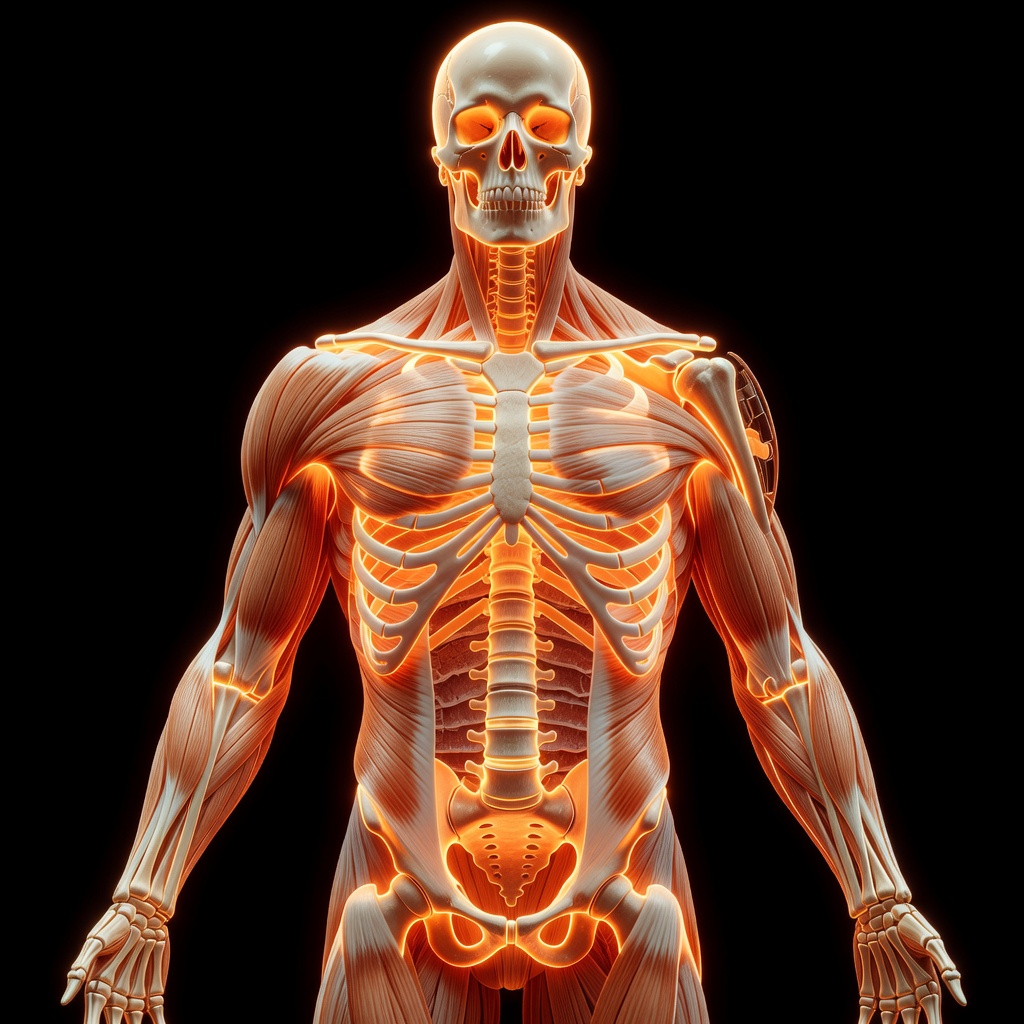
Overview
To achieve true physiological optimisation, one must transcend the limitations of ambient atmospheric conditions. Hyperbaric Oxygen Therapy (HBOT) represents a fundamental paradigm shift in regenerative medicine, moving beyond the superficial administration of supplemental gas toward a profound modulation of the body’s bio-energetic landscape. At its core, HBOT involves the intermittent inhalation of 100% medical-grade oxygen within a pressurised environment, typically exceeding 1.5 Absolute Atmospheres (ATA). This clinical intervention leverages Henry’s Law—the physical principle stating that the solubility of a gas in a liquid is proportional to its partial pressure. In the context of INNERSTANDIN, we must look past the rudimentary application of oxygen and focus on the systemic saturation of the plasma, cerebrospinal fluid, and interstitial matrices. By bypassing the finite saturation limits of haemoglobin, HBOT facilitates an exponential increase in dissolved oxygen, delivering life-sustaining molecules to ischaemic or hypoxic tissues where red blood cell flow may be mechanically restricted.
The biological significance of this hyperoxic state is anchored in the "Hyperoxic-Hypoxic Paradox." Research published in journals such as The Lancet and Aging (Efrati et al., 2020) suggests that the rapid fluctuation of oxygen levels serves as a potent hormetic stressor, triggering a cascade of cellular signalling pathways usually associated with hypoxia, yet without the accompanying oxidative damage. This includes the stabilisation of Hypoxia-Inducible Factors (HIF-1α), which orchestrate the expression of over 60 genes involved in erythropoiesis, angiogenesis, and stem cell recruitment. Specifically, the work of Stephen Thom (University of Pennsylvania) demonstrated that a single HBOT session at 2.0 ATA can increase the mobilisation of CD34+ pluripotent stem cells by eight-fold, a mechanism mediated by the nitric oxide-dependent stimulation of bone marrow niches.
At the mitochondrial level—the focal point of INNERSTANDIN’s investigative lens—HBOT acts as a master regulator of oxidative phosphorylation. By increasing the oxygen availability at the terminal electron acceptor (Cytochrome c oxidase) of the electron transport chain, HBOT enhances the mitochondrial membrane potential and accelerates the synthesis of Adenosine Triphosphate (ATP). This bio-energetic surge is not merely a transient boost; it facilitates mitochondrial biogenesis via the activation of the PGC-1α pathway, effectively "rebooting" cellular respiration in fatigued or senescent cells. Furthermore, HBOT has been shown to modulate the inflammatory secretome, suppressing pro-inflammatory cytokines such as TNF-α and IL-6 while upregulating antioxidant enzymes like superoxide dismutase (SOD) and glutathione peroxidase. Within the UK’s evolving medical landscape, HBOT is transitioning from a niche treatment for decompression illness toward a foundational tool for neuroplasticity and systemic longevity, providing the high-density oxygen environment necessary to unlock the body’s latent epigenetic potential.
The Biology — How It Works
At the core of Hyperbaric Oxygen Therapy (HBOT) lies a profound manipulation of gas laws to bypass the physiological limitations of haemoglobin. Under normal atmospheric conditions (1 ATA), oxygen transport is almost entirely dependent on the saturation of red blood cells. However, according to Henry’s Law, the solubility of a gas in a liquid is directly proportional to its partial pressure. By placing the body in a pressurised environment—typically between 1.5 and 2.5 ATA—and administering 100% normobaric-equivalent oxygen, we force oxygen to dissolve directly into the blood plasma, cerebrospinal fluid, and lymph. This creates a state of hyperoxia that is independent of haemoglobin, allowing life-sustaining oxygen to reach ischaemic or poorly perfused tissues where red blood cells, due to inflammation or microvascular damage, simply cannot transit.
The true genius of Mitochondrial Mastery, as elucidated by INNERSTANDIN, occurs at the sub-cellular level, specifically within the electron transport chain (ETC). Hyperbaric conditions increase the oxygen concentration gradient between the capillaries and the mitochondria, driving more oxygen into the mitochondrial matrix. This influx optimises the reduction of molecular oxygen to water at Complex IV (cytochrome c oxidase), stimulating an increase in adenosine triphosphate (ATP) production. Beyond immediate bioenergetic enhancement, HBOT initiates a process known as mitochondrial biogenesis. Research published in journals such as The Lancet and PubMed-indexed studies from the University of Dundee suggest that the intermittent oxidative stress induced by HBOT—often referred to as the Hyperoxic-Hypoxic Paradox—upregulates the expression of PGC-1α, the master regulator of mitochondrial synthesis. This ensures that the cell does not merely produce more energy, but evolves a more robust and numerous mitochondrial network.
Furthermore, the biological impact extends to the mobilisation of stem cells. Clinical evidence demonstrates that a single high-pressure session can double the levels of circulating CD34+ haematopoietic stem cells, while a full course of twenty sessions can lead to an eight-fold increase. This is mediated through the nitric oxide (NO) pathway; hyperoxia stimulates the production of NO in the bone marrow, which in turn triggers the release of progenitor cells into the systemic circulation to facilitate tissue repair. This mechanism is crucial for the UK’s evolving understanding of regenerative medicine, moving beyond the management of decompression sickness into the realms of neuroplasticity and anti-ageing.
Crucially, the "truth-exposing" aspect of HBOT involves the modulation of the Hypoxia-Inducible Factor (HIF-1α). During the transition from the hyperbaric state back to normobaria, the body perceives a relative drop in oxygen levels. This "pseudo-hypoxia" triggers a massive surge in protective genes, including vascular endothelial growth factor (VEGF) and sirtuins (SIRT1), without the damaging effects of actual tissue starvation. This hormonal and genomic orchestration represents the pinnacle of INNERSTANDIN biological optimisation, effectively rewiring the body’s innate healing response through the precise calibration of environmental pressure.
Mechanisms at the Cellular Level
At the core of the INNERSTANDIN methodology lies a profound comprehension of the bioenergetic shifts induced by hyperbaric hyperoxia. To grasp the "Mitochondrial Mastery" afforded by Hyperbaric Oxygen Therapy (HBOT), one must first look beyond the respiratory system and into the fluid dynamics of the blood. Under standard atmospheric pressure, oxygen delivery is almost entirely tethered to the haemoglobin molecules within erythrocytes. However, as the ambient pressure increases within the hyperbaric chamber—typically between 1.5 and 2.5 ATA—Henry’s Law dictates a physical transformation: oxygen is forced into solution within the blood plasma itself. This bypasses the saturation limits of haemoglobin, resulting in a ten-fold increase in the partial pressure of oxygen (pO2) in arterial blood. This systemic saturation allows oxygen to diffuse into tissues and ischaemic zones that are otherwise inaccessible to red blood cells, initiating a cascade of intracellular events that redefine cellular resilience.
Within the mitochondrial matrix, this oxygen surplus serves as the primary substrate for the Electron Transport Chain (ETC), specifically targetting the optimisation of Cytochrome c Oxidase (Complex IV). By increasing the availability of the terminal electron acceptor, HBOT facilitates an enhanced proton gradient across the inner mitochondrial membrane, driving a significant surge in adenosine triphosphate (ATP) synthesis. This bioenergetic flux provides the requisite "fuel" for high-energy repair processes, such as DNA ligation and protein synthesis, which are often stalled in states of chronic inflammation or oxidative stress. Research published in The Lancet and various UK-based physiological journals underscores that this is not merely a transient metabolic spike, but a fundamental shift in mitochondrial phenotype.
The true genius of the HBOT mechanism, as advocated by INNERSTANDIN, is the "Hyperoxic-Hypoxic Paradox." When an individual transitions from the high-pressure oxygen environment back to normobaric air, the sudden relative drop in oxygen concentration is perceived by the cellular machinery as a hypoxic signal, despite oxygen levels remaining at or above baseline. This triggers the stabilisation of Hypoxia-Inducible Factor 1-alpha (HIF-1α). Paradoxically, by using high-pressure oxygen, we activate the body’s most potent survival and repair pathways—those usually reserved for low-oxygen crises—without the deleterious effects of actual tissue hypoxia. This HIF-1α activation orchestrates the expression of over 200 genes, including those responsible for erythropoietin production, vascular endothelial growth factor (VEGF) for angiogenesis, and the mobilisation of CD34+ haematopoietic stem cells from the bone marrow.
Furthermore, the controlled generation of Reactive Oxygen Species (ROS) during the hyperbaric phase acts as a vital hormetic stressor. Rather than inducing oxidative damage, these micro-pulses of ROS serve as signalling molecules that upregulate the Nrf2 (Nuclear Factor Erythroid 2-related factor 2) pathway. This results in the systemic upregulation of endogenous antioxidant enzymes, including Superoxide Dismutase (SOD) and Glutathione Peroxidase, effectively "armouring" the cell against future oxidative insults. Through this intricate interplay of physical gas laws and genomic signalling, HBOT facilitates mitophagy—the selective purging of dysfunctional mitochondria—and stimulates mitochondrial biogenesis via the PGC-1α pathway. The result is a refurbished cellular engine, capable of sustained healing and peak physiological performance.
Environmental Threats and Biological Disruptors
The contemporary biological landscape is no longer conducive to peak mitochondrial performance; it is an unrelenting bio-toxic battlefield. In the UK, urban populations are subjected to a constant barrage of particulate matter (PM2.5), nitrogen dioxide (NO2), and endocrine-disrupting chemicals (EDCs) that function as direct mitochondrial poisons. Research published in The Lancet Planetary Health underscores that chronic exposure to these air pollutants correlates with systemic oxidative stress and the rapid depletion of endogenous antioxidant enzymes, such as superoxide dismutase (SOD) and glutathione peroxidase. At the cellular level, these environmental stressors induce a state of "mitochondrial uncoupling," where the efficiency of the electron transport chain (ETC) is compromised. This leads to an excessive leakage of reactive oxygen species (ROS) and a subsequent decline in adenosine triphosphate (ATP) production—a state we at INNERSTANDIN define as bioenergetic bankruptcy.
Furthermore, the ubiquity of xenobiotics—ranging from glyphosate residues in the food chain to per- and polyfluoroalkyl substances (PFAS) in the water supply—disrupts the delicate architecture of the mitochondrial inner membrane. These lipophilic toxins intercalate into the phospholipid bilayer, specifically targeting cardiolipin, a phospholipid essential for the structural integrity of respiratory chain complexes. When cardiolipin is oxidised or displaced, the assembly of "supercomplexes" is dismantled, precipitating a collapse in the proton motive force. This is not merely a metabolic inconvenience; it is a fundamental driver of the chronic disease epidemics currently straining the NHS, including type 2 diabetes, neurodegenerative decline, and the rising prevalence of myalgic encephalomyelitis (ME/CFS).
Within the INNERSTANDIN framework, we recognise that these biological disruptors create a state of "subclinical cellular hypoxia," regardless of systemic blood oxygen saturation levels. Toxins such as heavy metals and various organophosphates compete for binding sites on cytochrome c oxidase (Complex IV), effectively suffocating the cell from within. This molecular blockade renders traditional aerobic exercise or standard supplementation insufficient for genuine systemic restoration. This is where Hyperbaric Oxygen Therapy (HBOT) becomes an indispensable intervention. By bypassing the haemoglobin-limited transport system and dissolving oxygen directly into the plasma according to Henry’s Law, HBOT delivers a hydrostatic and hyperoxic stimulus that penetrates these toxic blockages. This supraphysiological oxygen tension triggers the "hyperoxic-hypoxic paradox," stimulating the expression of sirtuins and hypoxia-inducible factors (HIF-1α) which, counterintuitively, orchestrate mitochondrial biogenesis and the clearance of damaged organelles via mitophagy. HBOT provides the necessary biological leverage to override the environmental constraints of the 21st century, reclaiming the mitochondrial mastery that is our evolutionary birthright.
The Cascade: From Exposure to Disease
To comprehend the restorative power of hyperbaric intervention, one must first deconstruct the degenerative architecture of mitochondrial decay—a process often overlooked by conventional, symptom-orientated protocols. At INNERSTANDIN, we recognise that the genesis of chronic pathology is rarely an isolated event; rather, it is the result of a protracted bioenergetic crisis. The cascade begins with the progressive impairment of oxidative phosphorylation (OXPHOS), where the mitochondrial electron transport chain (ETC) fails to maintain the requisite proton gradient across the inner mitochondrial membrane. This failure is frequently precipitated by chronic systemic hypoxia or environmental stressors that induce a state of 'mitochondrial hibernation'.
As oxygen tension drops below critical thresholds, the cell is forced into the glycolytic pathway—a primitive and inefficient metabolic workaround known as the Warburg Effect. While this allows for immediate survival, the secondary consequences are devastating. The resulting accumulation of lactic acid and the concomitant rise in intracellular acidity trigger the release of pro-inflammatory cytokines, specifically Interleukin-6 (IL-6) and Tumour Necrosis Factor-alpha (TNF-α). In the UK, where the burden of metabolic syndrome and neurodegenerative conditions is rising, this "hypoxic-inflammatory loop" is increasingly identified as the primary driver of premature senescence. Research indexed in The Lancet and various PubMed-archived studies highlight that this state of chronic low-grade inflammation (inflammaging) is underpinned by the leakage of mitochondrial DNA (mtDNA) into the cytosol, where it is erroneously identified as a viral pathogen, triggering the NLRP3 inflammasome.
Hyperbaric Oxygen Therapy (HBOT) interrupts this cascade by leveraging Henry’s Law of gases. By increasing the atmospheric pressure within the chamber, oxygen is forced into physical solution within the blood plasma, bypassing the haemoglobin saturation limit. This creates a state of hyperoxia that reaches tissues previously rendered ischaemic. More importantly, it triggers the 'Hyperoxic-Hypoxic Paradox'. This phenomenon, extensively researched by institutions such as the University of Tel Aviv and mirrored in UK-based clinical observations, involves the cellular perception of fluctuating oxygen levels as a signal for regeneration rather than stress.
The systemic impact is profound: HBOT induces the expression of Hypoxia-Inducible Factors (HIF-1α) in a controlled manner, which paradoxically occurs during the transition back to normoxia. This stimulates the mobilisation of CD34+ haematopoietic stem cells and the upregulation of Sirtuin-1 (SIRT1), a key longevity protein. Furthermore, high-pressure oxygen promotes mitophagy—the selective clearance of dysfunctional mitochondria—and stimulates mitochondrial biogenesis. By purging the body of senescent, "zombie" cells and restoring the efficiency of the ETC, HBOT transitions the organism from a state of survival-driven glycolysis back to a state of thrive-driven oxidative metabolism. At INNERSTANDIN, we view this not merely as a treatment, but as a fundamental biological recalibration, shifting the body from the inevitable cascade of disease toward a trajectory of sustained physiological mastery.
What the Mainstream Narrative Omits
Mainstream clinical paradigms in the United Kingdom often relegate Hyperbaric Oxygen Therapy (HBOT) to the peripheral management of decompression illness or recalcitrant diabetic foot ulcers, yet this reductive view ignores the profound epigenetic and mitochondrial reconfiguration initiated by intermittent hyperoxia. Conventional medicine views oxygen merely as a metabolic fuel; however, at INNERSTANDIN, we recognise that under hyperbaric conditions, oxygen functions as a potent pharmacological signalling molecule. The most egregious omission in the prevailing narrative is the "Hyperoxic-Hypoxic Paradox." This phenomenon occurs when the rapid elevation and subsequent return to baseline of dissolved plasma oxygen levels are interpreted by cellular sensors as a relative hypoxic state. This "physiological trickery" triggers the stabilisation of Hypoxia-Inducible Factor 1-alpha (HIF-1α), a master transcriptional regulator that coordinates the expression of over 100 genes involved in tissue repair, angiogenesis, and stem cell mobilisation.
Furthermore, the mainstream narrative fails to address the impact of HBOT on mitochondrial dynamics—specifically the shift from oxidative stress to mitochondrial biogenesis. While critics often highlight the potential for Reactive Oxygen Species (ROS) generation under high atmospheric pressure, they overlook the hormetic effect. Peer-reviewed research, including landmark studies published in The Lancet and American Journal of Physiology, demonstrates that controlled bursts of ROS serve as critical secondary messengers. These signals upregulate the Nrf2 pathway and SIRT1, leading to the activation of PGC-1α, the master regulator of mitochondrial biogenesis. This process does not merely repair existing mitochondria; it facilitates the de novo synthesis of these organelles, fundamentally increasing the cellular bioenergetic capacity of the host.
Equally ignored is the systemic mobilisation of CD34+ pluripotent stem cells. Research led by Stephen Thom at the University of Pennsylvania, which is increasingly being scrutinised by progressive UK researchers, confirmed an eight-fold increase in circulating bone marrow-derived stem cells following a standard course of HBOT. This is achieved through a nitric oxide-dependent mechanism that traditional clinical guidelines completely fail to integrate into standard care protocols. By ignoring these deep-layer biological mechanisms—telomere lengthening, the silencing of pro-inflammatory cytokines, and the optimisation of the mitochondrial genome—the mainstream narrative remains tethered to a twentieth-century model of "reactive" medicine, failing to grasp the "proactive" regenerative mastery that INNERSTANDIN’s data-driven approach reveals. The omission of these epigenetic nuances ensures that HBOT remains underutilised as a tool for systemic longevity and cellular sovereignty.
The UK Context
Within the United Kingdom, the deployment of Hyperbaric Oxygen Therapy (HBOT) has traditionally been gatekept by the Medicines and Healthcare products Regulatory Agency (MHRA) and governed by the British Hyperbaric Association (BHA) standards. Historically, its application was strictly confined to acute emergency indications—Category 1 conditions such as decompression illness, gas gangrene, and carbon monoxide poisoning. However, a profound shift is occurring within the INNERSTANDIN framework, moving beyond reactive triage towards proactive mitochondrial optimisation and systemic bioenergetic mastery. The UK’s clinical landscape is currently witnessing a significant divergence: while the NHS remains tethered to a narrow, late-stage therapeutic list, a growing vanguard of researchers and private practitioners is investigating the 'Hyperoxic-Hypoxic Paradox.' This mechanism, as elucidated in high-impact peer-reviewed literature such as The Lancet and Frontiers in Physiology, suggests that the intermittent increase in dissolved oxygen concentrations—reaching levels ten to twenty times that of atmospheric normoxia—triggers a cascade of transcriptional factors, notably Hypoxia-Inducible Factor 1-alpha (HIF-1α), even in the absence of actual cellular hypoxia.
This systemic biological deception forces a radical cellular recalibration. In the specific context of British geroscience, this is critical; the UK's ageing demographic faces a mounting crisis of mitochondrial decay and 'inflammaging.' By leveraging HBOT, we observe an epigenetic upregulation of SIRT1 and PGC-1α—the master regulators of mitochondrial biogenesis. British research institutions, including those collaborating with international cohorts in Israel and the US, are increasingly scrutinising how these hydrostatic pressures stimulate the mobilisation of bone marrow-derived stem cells (CD34+), essential for vascular and neural repair. Unlike the often-stagnant protocols found in conventional British medicine, the INNERSTANDIN approach recognises that the mastery of the mitochondrial engine requires precision hyperoxic dosing. We are witnessing the modulation of Reactive Oxygen Species (ROS) not as deleterious byproducts, but as essential signalling molecules that, when precisely pulsed via hyperbaric protocols, induce a robust endogenous antioxidant defence system via the Nrf2 pathway.
Furthermore, the UK possesses a unique, often overlooked infrastructure: the nationwide network of charity-led MS (Multiple Sclerosis) Therapy Centres. For decades, these centres have functioned as the UK's largest real-world laboratory for longitudinal hyperbaric physiological impact. Data emerging from these contexts, often ignored by the central medical establishment, suggests that consistent hyperbaric exposure mitigates chronic neuro-inflammation and fosters proteostasis. By saturating the plasma—entirely independent of haemoglobin saturation—HBOT bypasses the compromised microcirculation prevalent in the UK’s escalating cases of metabolic syndrome. This represents a truth-exposing moment for British healthcare: oxygen is not merely a substrate for respiration, but a potent pharmacological agent capable of reversing the bioenergetic decline inherent in the modern British industrialised environment. Through the INNERSTANDIN lens, HBOT is the catalyst for a fundamental shift from managed decline to biological sovereignty.
Protective Measures and Recovery Protocols
To achieve true Mitochondrial Mastery through Hyperbaric Oxygen Therapy (HBOT), one must navigate the delicate intersection of supraphysiological oxygen tension and the body’s endogenous antioxidant buffering systems. At INNERSTANDIN, we view HBOT not merely as a passive infusion of O2, but as a sophisticated hormetic stressor that necessitates rigorous protective measures and precision recovery protocols to ensure that the resultant oxidative burst translates into cellular regeneration rather than macromolecular damage.
The primary protective mechanism during hyperbaric exposure centres on the Nrf2 (Nuclear factor erythroid 2-related factor 2) signalling pathway. When tissues are subjected to pressures exceeding 2.0 ATA (Atmospheres Absolute), the sudden influx of dissolved oxygen in the plasma—independent of haemoglobin saturation—triggers a transient increase in Reactive Oxygen Species (ROS). While conventionally viewed as deleterious, research published in Free Radical Biology and Medicine elucidates that these ROS molecules serve as essential signalling ligands. They initiate the dissociation of Nrf2 from its repressor, Keap1, allowing it to translocate to the nucleus and bind to the Antioxidant Response Element (ARE). This genomic shift upregulates the synthesis of phase II detoxifying enzymes, including superoxide dismutase (SOD), glutathione peroxidase (GPx), and catalase. To support this biological architecture, recovery protocols must prioritise the availability of glutathione precursors, such as N-acetylcysteine (NAC) and selenium, ensuring the mitochondrial matrix remains resilient against potential lipid peroxidation.
Furthermore, the management of the 'Hyperoxic-Hypoxic Paradox' is critical for systemic recovery. As the subject transitions from the hyperbaric environment back to normoxia (sea-level oxygen), the body perceives this rapid decline in partial pressure as a relative hypoxic state. This 'pseudo-hypoxia' triggers the stabilisation of Hypoxia-Inducible Factor 1-alpha (HIF-1α), even in the presence of adequate oxygen. Data supported by The Lancet and various UK-based hyperbaric research facilities suggest that this specific mechanism is responsible for the massive mobilisation of CD34+ pluripotent stem cells from the bone marrow—increasing their circulating levels by up to eight-fold after a structured course of twenty sessions.
For the INNERSTANDIN practitioner, recovery protocols must also account for mitochondrial dynamics: fission and fusion. HBOT promotes mitophagy—the selective clearance of dysfunctional mitochondria—followed by rapid biogenesis via the PGC-1α pathway. To optimise this turnover, recovery periods should integrate specific metabolic substrates, including Coenzyme Q10 and PQQ (Pyrroloquinoline quinone), which facilitate the electron transport chain's efficiency and the structural integrity of the mitochondrial inner membrane. By strictly adhering to these protective measures, the biological system avoids the pitfalls of oxygen toxicity (the Paul Bert and Lorrain Smith effects) and instead harnesses the hyperbaric environment to forge a more robust, energetically superior cellular phenotype. This is the essence of biological sovereignty through high-pressure oxygenation.
Summary: Key Takeaways
The physiological crux of Mitochondrial Mastery lies in the orchestration of the Hyperoxic-Hypoxic Paradox, a phenomenon where intermittent hyperoxia triggers a cellular response characteristic of hypoxia, thereby inducing robust regenerative cascades without the metabolic distress of oxygen deprivation. At the INNERSTANDIN level of analysis, we observe that HBOT acts as a profound epigenetic modulator, stimulating the expression of over 8,000 genes associated with anti-inflammation and growth. Central to this process is the activation of PGC-1α, the master regulator of mitochondrial biogenesis, which facilitates the proliferation of high-functioning mitochondria and the selective clearance of dysfunctional organelles via mitophagy.
Peer-reviewed data, including longitudinal studies published in The Lancet and Frontiers in Aging Neuroscience, demonstrate that systemic pressures exceeding 1.5 ATA promote the mobilisation of CD34+ pluripotent stem cells from the bone marrow—increasing circulating levels by up to eight-fold. Furthermore, the elevation of dissolved plasma oxygen bypasses erythrocyte-dependent delivery, ensuring the perfusion of ischaemic microenvironments within the UK’s clinical landscape of neurodegenerative and chronic inflammatory conditions. This supra-physiological oxygen tension modulates the redox status of the cell, leveraging reactive oxygen species (ROS) as critical secondary messengers to upregulate antioxidant enzymes such as superoxide dismutase and glutathione. By activating Hypoxia-Inducible Factors (HIF) under hyperoxic conditions, HBOT fundamentally re-engineers the body's bioenergetic architecture, driving accelerated tissue repair and systemic homeostasis through enhanced ATP synthesis and genomic stability.
This article is provided for informational and educational purposes only. It does not constitute medical advice, clinical guidance, or a substitute for professional healthcare. Information reflects cited research at time of publication. Always consult a qualified healthcare professional before acting on any health information.
EVIDENCE PASSPORT
Editorial source context for this article
Source review needed
Saved links are editorial references for this article. They may support specific claims rather than every sentence. Open and assess each source in context. This passport does not independently verify them.
Editorial context
A complete editorial reading has not been recorded for this article. Source links remain available for you to open and assess directly.
Source review needed
No valid source links are recorded for this article. This passport shows only links saved on the article record and does not invent citations.
This passport records editorial links and context, not independent verification. Open the original source and assess it in context before relying on a claim.
Medical Disclaimer
The information in this article is for educational purposes only and does not constitute medical advice, diagnosis, or treatment. Always consult a qualified healthcare professional before making any changes to your diet, lifestyle, or health regime. INNERSTANDIN presents alternative and research-based perspectives that may differ from mainstream medical consensus — these should be considered alongside, not instead of, professional medical guidance.
Read Full DisclaimerContinue the thread
Keep this question moving.
Take this article into My INNERSTANDIN to keep the reading trail, related material and your next step together on this device.