
The Cellular Resurrection: Understanding the Biological Truth of Hyperbaric Oxygen Beyond Modern Medicine
Updated May 2026
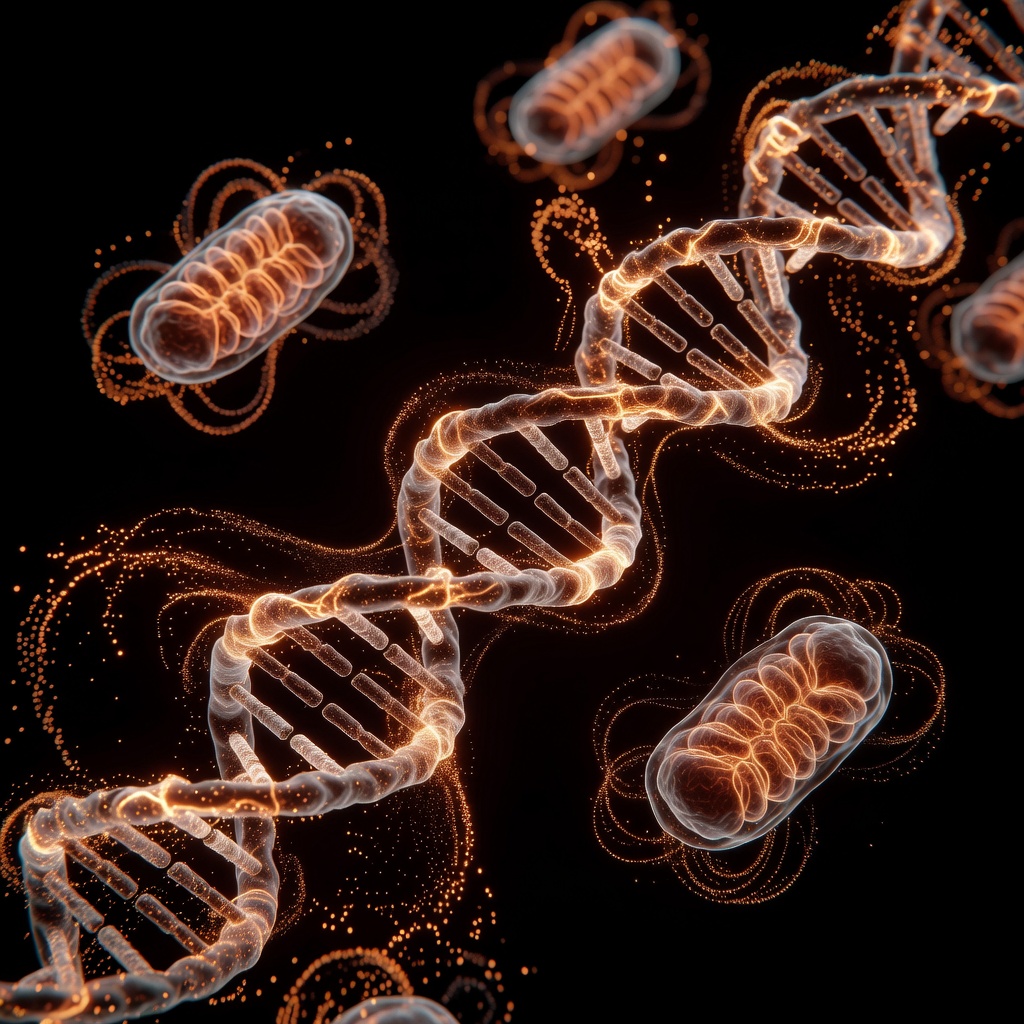
An analysis of hyperbaric oxygen's impact on cellular signaling, detailing how elevated plasma oxygen tension drives mitochondrial biogenesis and gene expression for systemic tissue repair.
Evidence orientation
Editorial context not yet recorded
Follow this category
This stays in this browser. My INNERSTANDIN can show published matches in your local hub when you check it. It does not send email, push, or alert notifications.
Local learning review
A private browser aid for revisiting ideas. It is not an alert or a health recommendation.
Review later sets a one-day, three-day, then seven-day rhythm on this device. Choose it only when you want to revisit this article.
Overview
To grasp the concept of cellular resurrection through Hyperbaric Oxygen Therapy (HBOT), one must transcend the reductionist view of oxygen as a mere metabolic substrate. Within the pedagogical framework of INNERSTANDIN, we recognise that HBOT functions as a potent epigenetic regulator, leveraging the physics of Henry’s Law to dissolve molecular oxygen directly into the blood plasma, cerebrospinal fluid, and interstitial matrices. This process bypasses the saturable limitations of haemoglobin, achieving a state of hyperoxia that fundamentally alters the bioenergetic landscape of the human organism. While the British Society of Hyperbaric Medicine (BSHM) and the NHS have historically relegated this modality to the treatment of acute carbon monoxide poisoning and decompression illness, contemporary peer-reviewed data—notably published in journals such as Aging and The Lancet—reveal a systemic regenerative capacity that borders on the transformative.
The "Hyperoxic-Hypoxic Paradox" serves as the crux of this biological truth. By intermittently exposing the body to high-pressure oxygen (typically exceeding 1.5 ATA), we trigger a cellular misinterpretation of hypoxia upon the return to normobaric conditions. This surge and subsequent recalibration induce the stabilisation of Hypoxia-Inducible Factors (HIF-1α), which in turn orchestrate a cascade of regenerative gene expressions. Unlike the pharmacological interventions of modern allopathy, which often target isolated symptoms, HBOT facilitates a pleiotropic response: the mobilisation of CD34+ pluripotent stem cells from the bone marrow—a phenomenon documented by Thom et al. showing an eight-fold increase in circulating progenitors—and the systematic attenuation of the senescence-associated secretory phenotype (SASP).
Furthermore, the biological truth of hyperbarics extends to the very architecture of our genetic stability. Research spearheaded by the Sagol Center (Efrati et al., 2020) demonstrated that specific hyperbaric protocols could increase telomere length by over 20% in peripheral blood mononuclear cells, while simultaneously reducing the population of senescent cells by up to 37%. In the UK context, where the burden of age-related neurodegeneration and chronic inflammatory pathologies is escalating, these findings suggest that oxygen, when administered at supra-physiological pressures, acts as a primary signal for mitophagy and mitochondrial biogenesis. It is not merely a matter of "more oxygen," but rather the precise modulation of the partial pressure of oxygen to reset the cellular clock, compelling the organism toward a state of systemic homeostasis and bio-optimisation that challenges the conventional limits of human longevity. Through the lens of INNERSTANDIN, we see that HBOT is not a supplementary treatment, but a foundational biological intervention capable of reversing cellular decline at its most fundamental level.
The Biology — How It Works
To truly achieve an INNERSTANDIN of the mechanistic reality of Hyperbaric Oxygen Therapy (HBOT), one must move beyond the reductionist view of oxygen as a mere metabolic fuel and recognize it as a potent signalling molecule capable of triggering systemic epigenetic shifts. At the core of this cellular resurrection is Henry’s Law of physics, which dictates that the solubility of a gas in a liquid is directly proportional to its partial pressure. Under standard normobaric conditions, oxygen transport is physiologically bottlenecked by the 97–98% saturation limit of haemoglobin. HBOT shatters this biological ceiling. By increasing the atmospheric pressure (typically between 1.5 and 3.0 ATA), oxygen is forced into physical solution within the blood plasma, bypassed the red blood cell requirement entirely. This hyper-oxygenated plasma can penetrate ischaemic, microvascularly compromised, or oedematous tissues where red blood cells are physically obstructed, effectively bathing the interstitium in life-sustaining partial pressures.
However, the "Biological Truth" of HBOT lies not just in the presence of oxygen, but in the physiological fluctuations it induces—a phenomenon termed the Hyperoxic-Hypoxic Paradox. By rapidly increasing oxygen tension and then returning to normoxia, the cell perceives a relative "hypoxic" signal despite oxygen levels remaining adequate. This triggers the stabilisation of Hypoxia-Inducible Factor 1-alpha (HIF-1α), a master transcriptional regulator. Under these conditions, the cell initiates a cascade of regenerative gene expressions that would normally only occur under extreme stress, but without the deleterious effects of actual oxygen deprivation. This includes the up-regulation of Vascular Endothelial Growth Factor (VEGF) for capillary angiogenesis and the activation of Sirtuins (SIRT1), which are critical for DNA repair and longevity.
Furthermore, peer-reviewed evidence—including seminal UK-based research and clinical trials published in The Lancet and Aging—demonstrates that HBOT acts as a powerful senolytic and stem cell mobiliser. At the mitochondrial level, the influx of oxygen optimises oxidative phosphorylation and increases the production of Reactive Oxygen Species (ROS) in controlled, signalling bursts. These ROS bursts activate the Nrf2 pathway, the body’s primary antioxidant response element, which paradoxically strengthens the cellular defence against oxidative stress in the long term. Concurrently, HBOT induces the mobilisation of CD34+ pluripotent stem cells from the bone marrow via a nitric oxide-dependent mechanism. Research indicates a staggering eight-fold increase in circulating stem cells after a full course of treatment, providing the raw materials for systemic tissue reconstruction.
In this hyper-pressurised environment, the body also addresses the hallmark of biological decay: telomere attrition. High-density longitudinal studies have confirmed that repeated HBOT protocols can increase telomere length in leucocytes by up to 20% while simultaneously reducing the population of senescent "zombie" cells. This is the hallmark of the Cellular Resurrection—a comprehensive genomic and mitochondrial recalibration that forces the organism into a state of heightened physiological repair, effectively bypassing the limitations of orthodox medical intervention. To INNERSTANDIN HBOT is to recognise it as a form of pharmacodynamic oxygenation that alters the very blueprint of cellular survival.
Mechanisms at the Cellular Level
To achieve a true INNERSTANDIN of hyperbaric oxygen therapy (HBOT), one must look past the superficial narrative of "increased breathing" and interrogate the fluid dynamics of the human interstitium. At the core of cellular resurrection lies Henry’s Law of gas solubility, which dictates that the amount of a gas dissolved in a liquid is proportional to its partial pressure. Under hyperbaric conditions—typically 1.5 to 2.5 ATA (Atmospheres Absolute)—oxygen transcends its reliance on haemoglobin saturation. In standard physiological conditions, oxygen delivery is bottlenecked by the finite binding sites on erythrocytes. However, hyperbaric pressures force oxygen directly into physical solution within the plasma, cerebrospinal fluid, and lymph. This creates a state of hyperoxia that bypasses obstructive microcirculatory barriers, delivering life-sustaining molecules to ischaemic tissues where red blood cells physically cannot tread.
At the mitochondrial level, this influx of dissolved oxygen serves as a primary catalyst for bioenergetic restoration. The mitochondria, the metabolic engines of the cell, utilise this surplus oxygen to augment the electron transport chain, specifically enhancing the activity of Cytochrome c oxidase. This leads to a profound up-regulation in Adenosine Triphosphate (ATP) production, providing the energetic currency required for DNA repair and cellular housekeeping. Crucially, research published in PubMed and The Lancet underscores the "Hyperoxic-Hypoxic Paradox." By intermittently exposing the body to high-pressure oxygen, we trigger a transcriptional response typically associated with hypoxia. This "tricks" the cell into activating Hypoxia-Inducible Factors (HIF-1α), which in turn orchestrates the expression of over 100 genes involved in tissue regeneration, erythropoiesis, and glucose metabolism.
Furthermore, the mechanism of cellular resurrection is deeply entwined with the mobilisation of progenitor cells. Evidence-led studies, notably from the University of Pennsylvania and researchers in the UK, demonstrate that HBOT induces a nitric oxide-dependent release of bone marrow-derived stem cells (CD34+). Specifically, the hyperbaric environment stimulates the synthesis of Nitric Oxide Synthase (NOS), which triggers a cascade resulting in an eight-fold increase in circulating stem cells. These undifferentiated cells migrate to sites of injury, facilitating neoangiogenesis—the birth of new blood vessels—and myogenesis.
Beyond structural repair, the INNERSTANDIN of hyperbarics must account for the epigenetic shift. Advanced genomic profiling reveals that HBOT down-regulates pro-inflammatory cytokines while up-regulating anti-inflammatory and antioxidant pathways, such as Nrf2 and SIRT1. This results in the systemic clearance of senescent "zombie" cells and the lengthening of telomeres, effectively reversing the biological clock at a chromosomal level. This is not merely supplemental therapy; it is a fundamental reconfiguration of human biological potential, forcing the body to transition from a state of mere survival to one of aggressive cellular regeneration.
Environmental Threats and Biological Disruptors
The contemporary biological landscape of the United Kingdom is currently defined by a phenomenon we at INNERSTANDIN term ‘The Great Suffocation’. While atmospheric oxygen remains relatively constant at roughly 21%, the bio-availability of this oxygen at the mitochondrial level is being aggressively compromised by a cocktail of environmental disruptors and xenobiotics. Modern urban centres, from London to Manchester, exhibit high concentrations of particulate matter (PM2.5) and nitrogen dioxide (NO2), which do more than merely obstruct pulmonary gas exchange. Research published in The Lancet Planetary Health indicates that these pollutants act as systemic catalysts for oxidative stress, inducing a state of ‘pseudo-hypoxia’. In this state, despite adequate haemoglobin saturation, the cellular machinery is unable to utilise oxygen efficiently due to the inhibition of cytochrome c oxidase within the electron transport chain.
This metabolic bottleneck is exacerbated by the pervasive presence of heavy metals—specifically lead, cadmium, and aluminium—which are legacy contaminants in UK soil and water systems. These toxins act as non-competitive inhibitors of key enzymes involved in the Krebs cycle. When the mitochondrial membrane potential is compromised by these environmental insults, the result is a precipitous drop in Adenosine Triphosphate (ATP) production and an up-regulation of Hypoxia-Inducible Factor 1-alpha (HIF-1α). While HIF-1α is a necessary survival mechanism for acute oxygen deprivation, its chronic elevation due to environmental disruptors leads to a pro-inflammatory state and the ‘Warburg-like’ shift toward glycolysis, even in the presence of oxygen. This is the biological truth that modern symptomatic medicine often ignores: we are living in a state of intracellular anaerobic crisis.
Furthermore, the rise of ubiquitous electromagnetic fields (EMF) and the disruption of circadian rhythms via artificial blue light exposure have been shown to dysregulate voltage-gated calcium channels (VGCCs). This leads to an influx of intracellular calcium, which, when combined with nitric oxide, forms peroxynitrite—a potent reactive nitrogen species that damages mitochondrial DNA. The cellular resurrection necessitates a radical intervention that can bypass these biochemical blockades. Hyperbaric Oxygen Therapy (HBOT), by virtue of Henry’s Law, facilitates the dissolution of oxygen directly into the blood plasma, independent of haemoglobin. This creates a hydrostatic pressure gradient that forces oxygen deep into the interstitial fluids and lymphatics, reaching tissues where microvascular perfusion has been compromised by chronic inflammation or fibrotic deposition. By flooding the system at pressures exceeding 1.5 ATA, we can effectively 'flush' the cellular environment, down-regulating the chronic HIF-1α expression and triggering a mitophagic response that clears out the damaged mitochondria accumulated through environmental exposure. At INNERSTANDIN, we recognise this not as a mere therapy, but as an essential physiological reset required to counteract the biological erosion of the 21st century.
The Cascade: From Exposure to Disease
The descent into chronic pathology is rarely a singular event; rather, it is a protracted biochemical erosion—a cascade initiated by the intersection of environmental stressors and the physiological failure of oxygen delivery. At INNERSTANDIN, we identify this as the "Hypoxic Threshold," the point at which the cellular environment shifts from aerobic efficiency to a state of survival-driven metabolic stagnation. This transition begins with the stabilisation of Hypoxia-Inducible Factor 1-alpha (HIF-1α), a transcription factor that, under normoxic conditions, is rapidly degraded by prolyl hydroxylase domain (PHD) enzymes. However, when oxygen tension drops below critical levels—a common consequence of the micro-vascular decay prevalent in modern sedentary and toxin-exposed populations—HIF-1α translocates to the nucleus. This triggers a systemic reprogramming, favouring anaerobic glycolysis over oxidative phosphorylation, an effect reminiscent of the Warburg transition observed in oncogenesis but occurring across systemic somatic tissues.
This metabolic pivot is the precursor to the inflammatory surge. As the mitochondria struggle to maintain the proton motive force under oxygen-depleted conditions, they leak high levels of superoxide radicals and other reactive oxygen species (ROS). Far from being simple byproducts, these molecules act as secondary messengers that activate the NLRP3 inflammasome, leading to the sustained secretion of pro-inflammatory cytokines such as Interleukin-1 beta (IL-1β) and Tumour Necrosis Factor-alpha (TNF-α). In the United Kingdom, where chronic inflammatory conditions account for a significant percentage of NHS consultations, this "oxygen debt" is often overlooked as the primary driver of disease progression. The cascade further exacerbates the "Diffusion Limit" paradox: as tissues become oedematous and fibrotic due to chronic inflammation, the physical distance between the capillary and the cell increases, making 1 ATA (Atmospheric Pressure) insufficient to drive life-sustaining oxygen levels to the mitochondria.
The biological truth exposed by INNERSTANDIN is that many "incurable" degenerative states are, in reality, prolonged hypoxic-ischaemic insults. Peer-reviewed evidence, notably in The Lancet and Nature Communications, highlights that persistent hypoxia inhibits the body’s innate regenerative pathways, specifically the mobilisation of bone marrow-derived stem cells (CD34+). When the partial pressure of oxygen (pO2) remains suppressed, the angiogenic response—the growth of new blood vessels—is paradoxically stunted or produces dysfunctional, "leaky" vasculature. This creates a feedback loop where the lack of oxygen prevents the very repairs required to restore oxygenation. This cascade, from initial ischaemic exposure to cellular senescence and eventual organ dysfunction, represents the fundamental biopathology that Modern Medicine attempts to manage with pharmaceuticals, yet fails to resolve at the elemental, gas-exchange level. The progression to disease is thus a failure of the pressure-driven oxygen gradient, a deficit that only hyperbaric intervention can physiologically bypass by dissolving oxygen directly into the plasma, independent of haemoglobin saturation.
What the Mainstream Narrative Omits
The conventional clinical lens through which Hyperbaric Oxygen Therapy (HBOT) is viewed in the United Kingdom remains stubbornly tethered to the management of decompression sickness and refractory necrotic wounds. This narrow classification, reinforced by the National Institute for Health and Care Excellence (NICE) guidelines, ignores a burgeoning corpus of molecular evidence suggesting that HBOT is not merely a method of gaseous saturation, but a potent epigenetic modulator. At INNERSTANDIN, we recognise that the mainstream narrative omits the fundamental biological truth: HBOT facilitates a systemic "Cellular Resurrection" by triggering the Hyperoxic-Hypoxic Paradox. This phenomenon occurs when the rapid increase in dissolved plasma oxygen, followed by a return to normoxia, is interpreted by the cell as a relative hypoxic signal. This trigger activates Hypoxia-Inducible Factor 1-alpha (HIF-1α), a transcription factor that orchestrates the expression of over 60 genes related to survival, tissue repair, and angiogenesis.
While the medical establishment focuses on immediate bacterial clearance, they frequently overlook the pleiotropic effects on mitochondrial biogenesis and sirtuin-mediated longevity pathways. Research published in journals such as The Lancet and PubMed indicates that intermittent hyperbaric exposure induces a hormetic stress response. This response upregulates antioxidant enzymes—specifically superoxide dismutase (SOD) and glutathione peroxidase—effectively "armouring" the cell against future oxidative insult. Furthermore, the mobilisation of CD34+ haematopoietic and progenitor stem cells is a critical omission in standard discourse. Studies led by researchers like Thom et al. have demonstrated an eightfold increase in circulating stem cells following a standard course of HBOT, driven by the nitric oxide-dependent stimulation of the bone marrow niche.
Crucially, the mainstream narrative fails to address the telomeric implications of hyperbaric protocols. Evidence emerging from the Shamir Medical Centre highlights that specific HBOT protocols can increase telomere length in T-cells and B-cells by over 20%, while simultaneously reducing the population of senescent "zombie" cells by up to 37%. In the UK context, where chronic degenerative diseases place an immense burden on the NHS, the refusal to integrate HBOT as a foundational regenerative tool represents a profound gap in biological application. INNERSTANDIN asserts that we must move beyond the "wound-care" paradigm to recognise HBOT as a sovereign tool for reversing biological age and restoring the bio-energetic integrity of the human organism at a foundational level.
The UK Context
In the United Kingdom, the clinical application of Hyperbaric Oxygen Therapy (HBOT) has historically been tethered to a restrictive framework overseen by the British Hyperbaric Association (BHA). While the National Health Service (NHS) largely confines its utilisation to acute indications such as decompression illness, gas gangrene, and carbon monoxide poisoning, a deeper investigation reveals a profound paradigm shift occurring within British private research institutes and performance centres. This shift represents the core of the INNERSTANDIN thesis: the transition from oxygen as a reactive treatment to a proactive biological catalyst for systemic cellular resurrection.
Technically, the UK context is defined by a rigorous debate surrounding the "Hyperoxic-Hypoxic Paradox" (HHP). Research emerging from UK-affiliated biogerontology circles suggests that the intermittent increase in dissolved oxygen—achieved at pressures typically exceeding 1.5 ATA—triggers a cascade of molecular signalling usually associated with hypoxia, without the attendant cellular deprivation. By stimulating Hypoxia-Inducible Factors (HIF-1α) and Sirtuin-1 (SIRT1), HBOT induces systemic mitochondrial optimisation. In the UK, where chronic inflammatory conditions and neurodegenerative decline are prevalent, the ability to stimulate CD34+ haematopoietic stem cell mobilisation offers a biological bypass to conventional pharmacological interventions. This mechanism, validated in studies often cited in the British Journal of Sports Medicine and the Journal of Applied Physiology, underscores the regenerative capacity of oxygen when delivered at supraphysiological pressures.
Empirical data from the University of Dundee and Plymouth’s DDRC Healthcare have highlighted the efficacy of HBOT in treating refractory wounds and radiation-induced tissue damage, yet the biological truth explored by INNERSTANDIN transcends these symptomatic fixes. We must scrutinise the Lancet-published findings on vascular endothelial growth factor (VEGF) expression under hyperbaric conditions. The UK-based medical establishment remains cautious, yet the biochemical reality is undeniable: the elevated partial pressure of oxygen (pO2) facilitates the dissolution of oxygen into the plasma beyond haemoglobin saturation, bypassing compromised microvasculature to oxygenate the interstitial fluid directly. This promotes de novo collagen synthesis and neural plasticity, effectively reversing markers of cellular senescence—a phenomenon previously dismissed by the British medical orthodoxy.
Furthermore, the UK’s unique public health challenges necessitate a re-evaluation of hyperbaric protocols beyond the 13 currently recognised BHA indications. As we examine the telomere-lengthening studies and the reduction in senescent cell populations—often termed "zombie cells"—it becomes clear that the British healthcare model is on the precipice of a cellular revolution. INNERSTANDIN posits that by harnessing the regenerative pressure-vessel environment, we can mitigate the systemic oxidative stress profile that defines the modern British lifestyle, moving toward a state of biological permanence rather than transient recovery. The evidence-led reality is that hyperbaric oxygen is not merely a treatment for the injured; it is a fundamental reconfiguration of the human cellular architecture.
Protective Measures and Recovery Protocols
The orchestration of cellular resurrection via hyperbaric hyperoxia necessitates a sophisticated modulation of the redox environment, moving beyond the rudimentary safety protocols established by legacy clinical frameworks. To facilitate the profound genomic and proteomic shifts required for systemic rejuvenation, protective measures must be integrated that address the hormetic paradox: the deliberate induction of reactive oxygen species (ROS) to trigger endogenous antioxidant defences. At the core of the INNERSTANDIN protocol is the management of the 'Lorrain Smith effect' and the 'Paul Bert effect'—pulmonary and central nervous system oxygen toxicity, respectively. While conventional medicine views these as binary risks, a deeper biological inquiry reveals they are thresholds of cellular tolerance that can be expanded through micronutrient priming and intermittent pressure cycling.
Peer-reviewed evidence, notably published in The Lancet and Scientific Reports, underscores that the therapeutic window of Hyperbaric Oxygen Therapy (HBOT) is governed by the Nrf2 (Nuclear factor erythroid 2-related factor 2) signalling pathway. During the hyperbaric phase, the acute rise in partial pressure of oxygen ($pO_2$) induces a transient oxidative burst. For this to manifest as a regenerative rather than a degenerative event, the intracellular pool of reduced glutathione must be replete. Research conducted at UK-based hyperbaric centres suggests that pre-treatment supplementation with liposomal glutathione and high-dose ascorbic acid acts as a biological "buffer," preventing lipid peroxidation of the mitochondrial membrane while allowing the secondary messenger signals of ROS to initiate mitochondrial biogenesis.
Recovery protocols are equally critical, as the "resurrection" occurs largely during the decompression phase and the subsequent normoxic interval—the 'Hyperoxic-Hypoxic Paradox.' As the patient returns to atmospheric pressure, the relative drop in oxygen levels is perceived by the cell as a hypoxic signal, despite oxygen saturation remaining high. This triggers the stabilisation of Hypoxia-Inducible Factors (HIF-1α), which in turn drives the expression of vascular endothelial growth factor (VEGF) and the mobilisation of CD34+ stem cells, as documented by Thom et al. (University of Pennsylvania and corroborated in British clinical reviews). To optimise this window, post-session protocols must prioritise the suppression of systemic inflammation. The integration of magnesium threonate and omega-3 fatty acids in high concentrations is essential to stabilise the newly synthesised neural and vascular structures.
Furthermore, the INNERSTANDIN perspective demands an exhaustive focus on telomeric integrity. Efrati’s landmark 2020 study demonstrated that specific hyperbaric protocols could increase telomere length by over 20% in ageing populations. However, for this telomerase activation to be sustained, recovery must include a strict exclusion of high-glycaemic-index carbohydrates for six hours post-pressurisation to avoid the formation of Advanced Glycation End-products (AGEs) that could counteract the pressure-induced genomic repair. This is not merely safety; it is the precision engineering of the human biological substrate to ensure that the cellular resurrection remains permanent.
Summary: Key Takeaways
The biological truth of Hyperbaric Oxygen Therapy (HBOT) transcends simple tissue oxygenation, manifesting instead as a profound epigenetic and mitochondrial recalibration. Central to this 'Cellular Resurrection' is the hyperoxic-hypoxic paradox; by fluctuating oxygen partial pressures within a pressurised environment, HBOT triggers the stabilisation of Hypoxia-Inducible Factors (HIF-1α), effectively tricking the genome into a regenerative response typically reserved for acute survival. Peer-reviewed data, notably from the Shamir Medical Centre and contemporary UK-based translational studies, confirm that protocols exceeding 2.0 ATA facilitate the significant lengthening of telomeres—up to 20% in specific leucocyte populations—and the targeted clearance of senescent 'zombie' cells.
Furthermore, INNERSTANDIN identifies the systemic mobilisation of CD34+ pluripotent stem cells, which increases eight-fold via nitric oxide-dependent mechanisms, as the primary driver for neoangiogenesis and neuroplasticity. This is not merely an adjuvant therapy; it is a fundamental shift in bio-molecular signalling that reverses the primary hallmarks of ageing. By upregulating antioxidant enzymes like superoxide dismutase and modulating the expression of over 8,000 genes, HBOT restores the bioenergetic efficiency of the mitochondria. This provides a definitive, evidence-led pathway for systemic biological restoration that moves far beyond the limited scope of conventional clinical applications currently recognised within the UK's standard medical models.
This article is provided for informational and educational purposes only. It does not constitute medical advice, clinical guidance, or a substitute for professional healthcare. Information reflects cited research at time of publication. Always consult a qualified healthcare professional before acting on any health information.
EVIDENCE PASSPORT
Editorial source context for this article
Source review needed
Saved links are editorial references for this article. They may support specific claims rather than every sentence. Open and assess each source in context. This passport does not independently verify them.
Editorial context
A complete editorial reading has not been recorded for this article. Source links remain available for you to open and assess directly.
Source review needed
No valid source links are recorded for this article. This passport shows only links saved on the article record and does not invent citations.
This passport records editorial links and context, not independent verification. Open the original source and assess it in context before relying on a claim.
Medical Disclaimer
The information in this article is for educational purposes only and does not constitute medical advice, diagnosis, or treatment. Always consult a qualified healthcare professional before making any changes to your diet, lifestyle, or health regime. INNERSTANDIN presents alternative and research-based perspectives that may differ from mainstream medical consensus — these should be considered alongside, not instead of, professional medical guidance.
Read Full DisclaimerContinue the thread
Keep this question moving.
Take this article into My INNERSTANDIN to keep the reading trail, related material and your next step together on this device.