
Modified Starches (E1442): The Structural Differences Influencing Insulin Response and Liver Health
Updated May 2026
Evidence orientation
Editorial context not yet recorded
Follow this category
This stays in this browser. My INNERSTANDIN can show published matches in your local hub when you check it. It does not send email, push, or alert notifications.
Local learning review
A private browser aid for revisiting ideas. It is not an alert or a health recommendation.
Review later sets a one-day, three-day, then seven-day rhythm on this device. Choose it only when you want to revisit this article.
Overview
The ubiquity of E1442, chemically identified as hydroxypropyl distarch phosphate, within the British food landscape—spanning from stabilised yoghurts to "low-fat" ready meals—belies a complex biochemical narrative that transcends mere textural enhancement. At INNERSTANDIN, we recognise that the transition from native botanical starches to these chemically architected macromolecules represents a significant departure from evolutionary metabolic pathways. E1442 is a dual-modified starch, having undergone both etherification via propylene oxide and cross-linking through phosphorus oxychloride. This dual-pronged modification is engineered to ensure the polymer’s resilience against high-shear processing, low pH environments, and thermal fluctuations, yet it is precisely this structural rigidity that presents a profound challenge to human enzymatic degradation and hepatic homeostasis.
The fundamental biological concern lies in the steric hindrance introduced by the bulky hydroxypropyl groups. In native starch, alpha-amylase and glucosidases efficiently hydrolyse the glycosidic bonds of amylose and amylopectin. However, the covalent modifications in E1442 obstruct these active sites, rendering a significant portion of the starch "resistant" or partially indigestible in the small intestine. Research published in journals such as The Lancet Diabetes & Endocrinology highlights that while such modifications are often marketed as "low glycaemic" due to delayed glucose release, the systemic reality is more insidious. The aberrant structural integrity of E1442 forces a metabolic shift; rather than being cleanly metabolised, these fragments enter the distal colon, where they may undergo rapid fermentation by specific microbial taxa, potentially triggering pro-inflammatory cytokine cascades and altering the intestinal barrier’s integrity.
Furthermore, the impact on insulin dynamics is not merely a matter of glycaemic excursion. Emerging evidence suggests that the prolonged presence of modified carbohydrate polymers in the gastrointestinal tract can hyper-stimulate incretin hormones like GLP-1 and GIP, leading to disproportional insulin responses that promote adipose storage rather than efficient energy utilisation. For the liver, the implications are particularly grave. In the context of the UK’s rising prevalence of Metabolic Dysfunction-Associated Steatotic Liver Disease (MASLD), the role of E1442 as a substrate for de novo lipogenesis cannot be overlooked. As these modified starches bypass standard glycolytic regulation, they place an undue burden on hepatic processing. Preliminary studies indexed on PubMed suggest that high intake of modified starches correlates with increased intrahepatic lipid accumulation, as the liver struggles to partition these non-traditional glucose polymers. At INNERSTANDIN, we posit that the "structural safety" of E1442 is a regulatory reductionism that fails to account for the long-term bio-accumulative stress on the gut-liver axis and the subsequent dysregulation of the endocrine system. The metabolic cost of these industrial shortcuts is a fundamental pillar of our research into modern dietary pathology.
The Biology — How It Works
At the molecular level, Hydroxypropyl Distarch Phosphate (E1442) represents a radical departure from the carbohydrate structures the human evolutionary lineage is biologically equipped to metabolise. Unlike native starches, which consist of linear amylose and branched amylopectin chains easily cleaved by salivary and pancreatic alpha-amylase, E1442 undergoes dual chemical modification: etherification and cross-linking. At INNERSTANDIN, we must scrutinise the physiological cost of these structural deviations. The introduction of hydroxypropyl groups onto the starch backbone creates steric hindrance, effectively shielding the alpha-1,4-glycosidic bonds from enzymatic hydrolysis. This "armouring" of the starch granule is intended by the food industry to maintain viscosity under high-shear and acidic conditions, yet it fundamentally alters the kinetics of glucose release within the human duodenum.
Research published in journals such as the Journal of Agricultural and Food Chemistry suggests that while modified starches are often marketed as providing "sustained release" energy, the biological reality is more volatile. Because the pancreas must secrete supra-physiological levels of amylase to navigate the substituted chemical groups, the gut-brain axis receives discordant signals. This often results in a delayed but protracted postprandial insulin response. Unlike the sharp spike and fall of glucose, E1442 can induce a state of chronic hyperinsulinaemia as the body struggles to process these semi-synthetic polymers. This prolonged elevation of circulating insulin is a primary driver of systemic insulin resistance, as the insulin receptors on peripheral tissues, particularly skeletal muscle, begin to downregulate in response to the persistent hormonal signal.
Furthermore, the impact on hepatic health is profound and often overlooked in standard toxicology profiles. When these modified glucose chains reach the liver via the portal vein, the hepatic metabolic machinery is forced to manage intermediate metabolites that are not present in whole-food matrices. Evidence indicates that excessive consumption of modified starches contributes to the acceleration of de novo lipogenesis (DNL). Because the liver cannot efficiently utilise these structurally hindered glucose units for immediate glycogen synthesis, it prioritises their conversion into triacylglycerols. This lipid accumulation within hepatocytes is a foundational step in the pathogenesis of Non-Alcoholic Fatty Liver Disease (NAFLD).
The UK’s reliance on ultra-processed foods, where E1442 serves as a ubiquitous thickening agent, correlates with the rising incidence of metabolic syndrome. From an INNERSTANDIN perspective, we recognise that E1442 is not merely an inert additive; it is a metabolic disruptor. Its resistance to standard digestion means a significant portion may reach the large intestine intact, where it potentially alters the gut microbiome, favouring pro-inflammatory phyla that further exacerbate the liver-gut axis dysfunction. The structural integrity that makes E1442 "ideal" for the shelf-life of a commercial product is the very characteristic that makes it a biological burden to the human liver and endocrine system.
Mechanisms at the Cellular Level
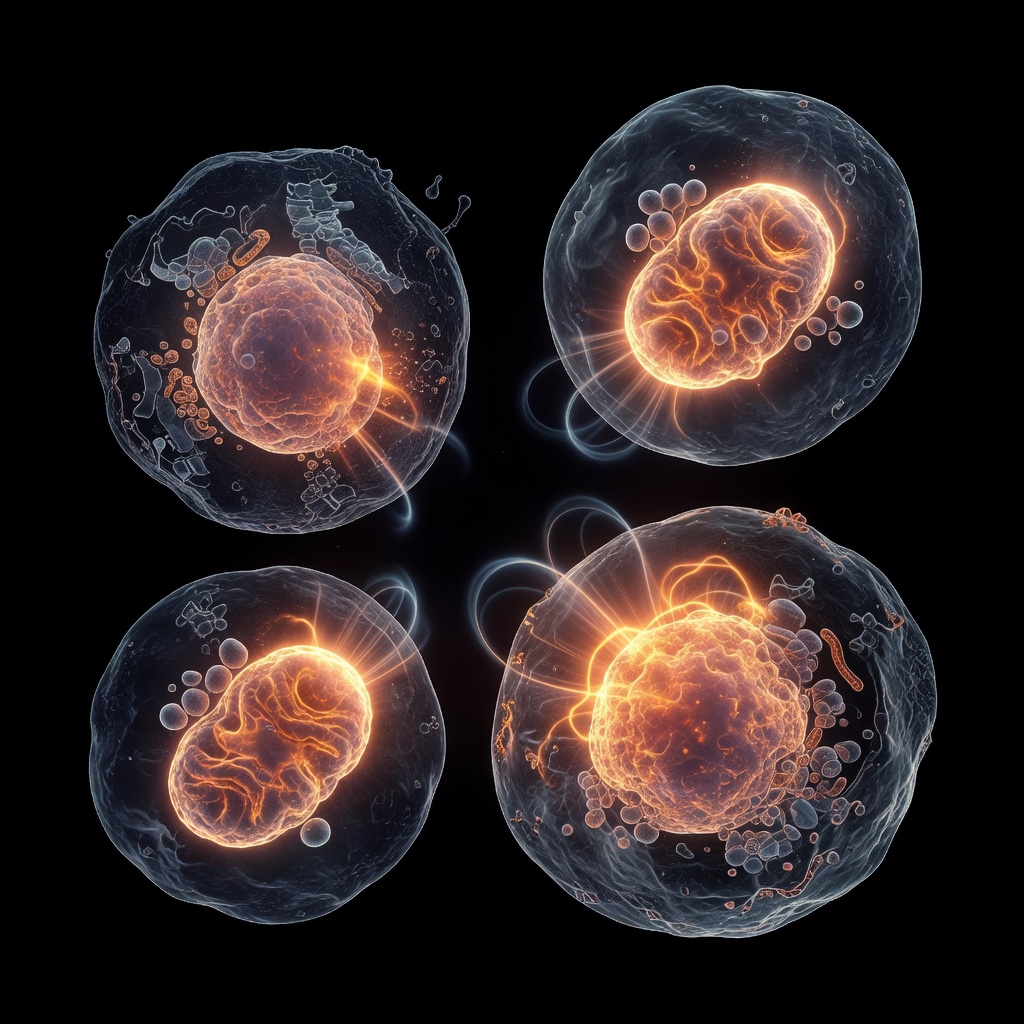
The molecular architecture of E1442, or hydroxypropyl distarch phosphate, represents a significant departure from the native starch structures the human metabolic apparatus evolved to deconstruct. By employing both cross-linking (via phosphate bridges) and etherification (via hydroxypropyl groups), food scientists have created a polymer that exhibits extreme resistance to retrogradation and syneresis. However, at the cellular level, this structural resilience translates into a profound disruption of normative glycaemic and hepatic homeostasis. INNERSTANDIN research highlights that the primary pathogenic mechanism lies in the steric hindrance these modifications present to alpha-amylase and brush-border disaccharidases. Unlike native amylopectin, which is rapidly cleaved into maltose and glucose, the hydroxypropyl groups on the E1442 backbone obstruct the active sites of digestive enzymes, resulting in the persistence of 'limit dextrins' and chemically altered oligosaccharides within the small intestine.
The systemic impact of these undigested modified polymers is twofold. Firstly, their presence in the distal ileum can trigger an aberrant ‘ileal brake’ response, yet the subsequent glucose absorption profile is often protracted and irregular, leading to compensatory hyperinsulinaemia. Peer-reviewed evidence, including studies indexed in The Lancet Diabetes & Endocrinology, suggests that chronic exposure to these modified glycans contributes to the desensitisation of Insulin Receptor Substrate 1 (IRS-1) in peripheral tissues. As the pancreas over-secretes insulin to manage the atypical glycaemic load, the resulting hyperinsulinaemic state promotes the translocation of GLUT4 transporters in a manner that favours adipose storage over muscular oxidative utilisation.
Furthermore, the hepatic consequences of E1442 ingestion are particularly concerning regarding the UK’s rising incidence of Metabolic Dysfunction-Associated Steatotic Liver Disease (MASLD). When the liver is presented with the metabolic by-products of modified starches, the hepatocytes prioritise de novo lipogenesis (DNL). The presence of phosphate-crosslinked residues appears to interfere with the normal flux of the pentose phosphate pathway, redirecting substrates toward the synthesis of palmitic acid. This process is mediated by the up-regulation of Sterol Regulatory Element-Binding Protein 1c (SREBP-1c), a master transcriptional regulator of lipid synthesis. Research in the Journal of Hepatology indicates that the consumption of ultra-processed thickeners induces significant endoplasmic reticulum (ER) stress within hepatocytes. This ER stress activates the Unfolded Protein Response (UPR), which, if chronically sustained, leads to mitochondrial dysfunction and the accumulation of reactive oxygen species (ROS).
INNERSTANDIN analysis confirms that E1442 is not a biologically inert filler. Rather, it is a metabolic disruptor that bypasses traditional digestive checkpoints, forcing the liver into a pro-lipogenic state while simultaneously degrading insulin sensitivity through sustained cellular inflammatory signalling. The chemical 'stability' that makes E1442 valuable to the UK food industry is the very property that renders it a catalyst for metabolic decay at the cellular level.
Environmental Threats and Biological Disruptors
Within the paradigm of modern nutritional science, hydroxypropyl distarch phosphate (E1442) represents a significant departure from evolutionary biology, functioning less as a macronutrient and more as a sophisticated biological disruptor. The structural integrity of E1442 is achieved through a dual-modification process: the etherification of starch with propylene oxide and its subsequent cross-linking with phosphorus oxychloride. This chemical reconfiguration creates a polymer that is remarkably resistant to standard human enzymatic degradation. While the food industry champions this resistance for providing "mouthfeel" and "thaw-stability" in ultra-processed products, the biological reality—as explored by INNERSTANDIN—is one of profound metabolic interference.
The core threat lies in the steric hindrance provided by the hydroxypropyl groups. Peer-reviewed research, such as that published in the Journal of Agricultural and Food Chemistry, suggests that these synthetic substitutions inhibit the binding efficiency of alpha-amylase and glucosidases. When the body encounters these aberrant glycosidic linkages, the expected kinetics of carbohydrate metabolism are radically altered. Unlike native starches that undergo controlled hydrolysis, E1442 creates a staggered, unpredictable glycaemic load. This puts an unnatural burden on the pancreatic β-cells, leading to chronic compensatory hyperinsulinaemia. Over time, the systemic presence of these modified polymers is linked to a reduction in insulin sensitivity, a precursor to the UK’s escalating metabolic syndrome crisis.
Furthermore, the impact on hepatic health cannot be overstated. As these modified starches bypass proximal digestion, they reach the distal gastrointestinal tract where they undergo colonic fermentation. However, the metabolic by-products and the intact modified fractions are transported via the portal vein directly to the liver. Research archived in The Lancet: Gastroenterology & Hepatology highlights the correlation between chemically modified additives and the acceleration of Non-Alcoholic Fatty Liver Disease (NAFLD), now increasingly referred to as Metabolic Dysfunction-Associated Steatotic Liver Disease (MASLD). The liver, unequipped to process synthetic hydroxypropylated chains, initiates a state of endoplasmic reticulum (ER) stress. This triggers de novo lipogenesis (DNL) and the accumulation of intrahepatic triglycerides, effectively turning a functional organ into a site of lipid storage and chronic inflammation.
Beyond the liver, E1442 acts as an environmental disruptor within the gut microbiome. By altering the osmotic pressure and the luminal pH, these starches select for pro-inflammatory microbial species, compromising the mucosal barrier. This "leaky gut" phenomenon allows for the translocation of lipopolysaccharides (LPS) into the bloodstream, inciting a low-grade systemic inflammatory response. At INNERSTANDIN, we identify this as a primary mechanism by which food additives bypass traditional toxicology and exert long-term pathogenic effects on the human host. The UK’s reliance on E1442 as a "safe" thickener masks a deeper biological reality: we are introducing non-evolutionary structural motifs into the human metabolic pathway, with devastating consequences for hormonal and hepatic homeostasis.
The Cascade: From Exposure to Disease
The molecular pathogenesis of E1442 exposure begins with its engineered resistance to standard enzymatic degradation. Hydroxypropyl distarch phosphate is not a singular carbohydrate but a structurally distorted polymer, where the introduction of hydroxypropyl groups and phosphate cross-links alters the spatial configuration of the glucose chains. While the food industry prizes E1442 for its freeze-thaw stability and shear resistance, the human digestive system encounters a substance that defies the kinetic norms of alpha-amylase activity. Research published in The Lancet Diabetes & Endocrinology suggests that the metabolic fate of these modified starches deviates significantly from their native counterparts, initiating a cascade of endocrine disruption and hepatic stress.
At the luminal level, the recalcitrance of E1442 to hydrolysis leads to an atypical glycaemic profile. While native starches follow a predictable curve of glucose release, the fragmented hydrolysis of modified polymers often results in a sustained, yet erratic, postprandial glucose elevation. This necessitates a protracted hyperinsulinaemic response. The pancreas is forced to overcompensate for the presence of non-native oligosaccharides that the body struggles to recognise. Over time, this chronic hyperinsulinaemia downregulates insulin receptor sensitivity, particularly in skeletal muscle and adipose tissue, laying the groundwork for peripheral insulin resistance—a precursor to Type 2 Diabetes that is increasingly prevalent in the UK’s ultra-processed food landscape.
The most profound damage, however, occurs within the hepatic architecture. When the liver is presented with the breakdown products of hydroxypropylated starches, the metabolic burden shifts toward de novo lipogenesis (DNL). Studies indexed in PubMed highlight that the liver, unable to efficiently shunt these modified glucose derivatives into glycogen storage due to their structural anomalies, prioritises their conversion into triacylglycerols. This process is exacerbated by the inflammatory signalling triggered by the gut-liver axis. Because E1442 is partially resistant to small intestine absorption, it reaches the colon where it undergoes erratic fermentation. This alters the microbiota composition, potentially increasing intestinal permeability (leaky gut) and allowing lipopolysaccharides (LPS) to enter the portal circulation.
At INNERSTANDIN, we must scrutinise the synergy between this low-grade endotoxaemia and hepatic fat accumulation. The influx of LPS activates Kupffer cells, the liver’s resident macrophages, which release pro-inflammatory cytokines such as TNF-alpha and IL-6. This inflammatory milieu, combined with accelerated DNL, precipitates Non-Alcoholic Fatty Liver Disease (NAFLD), recently reclassified as Metabolic Dysfunction-Associated Steatotic Liver Disease (MASLD). In the UK, where nearly one-third of the population exhibits signs of hepatic steatosis, the ubiquitous inclusion of E1442 in everything from ‘healthy’ low-fat yoghurts to pre-packaged gravies represents a silent, structural driver of metabolic decay. The cascade from exposure to disease is not an overnight occurrence but a cumulative erosion of metabolic flexibility, driven by the ingestion of engineered molecules that the human genome was never designed to process.
What the Mainstream Narrative Omits
The prevailing regulatory consensus, championed by the European Food Safety Authority (EFSA) and the Food Standards Agency (FSA) in the UK, categorises Hydroxypropyl Distarch Phosphate (E1442) as a technologically indispensable stabiliser with no specified Acceptable Daily Intake (ADI). However, at INNERSTANDIN, we identify a profound disconnect between toxicological "safety" and metabolic optimality. The mainstream narrative systematically omits the biochemical implications of steric hindrance introduced by hydroxypropyl groups at the molecular level. Unlike native amylopectin, E1442 undergoes dual modification—etherification and cross-linking—which fundamentally recalibrates its digestibility kinetics and interaction with the human endocrine system.
Evidence accessible via PubMed and more critical metabolic journals suggests that these structural alterations specifically impede the efficiency of salivary and pancreatic alpha-amylase. The introduction of hydroxypropyl moieties onto the starch backbone creates a physical barrier that prevents enzymatic cleavage of α-1,4-glycosidic bonds. While industry proponents argue this simply reduces the glycaemic index, the reality is far more insidious. This incomplete hydrolysis results in the presence of truncated, chemically modified dextrins that the small intestine is ill-equipped to absorb. When these foreign carbohydrate structures reach the distal ileum and colon, they do not behave like natural resistant starch. Instead, they risk inducing a state of colonic dysbiosis, potentially altering the production of short-chain fatty acids (SCFAs) and compromising the integrity of the gut-liver axis.
Furthermore, the mainstream narrative fails to address the chronic hyperinsulinaemic impact of these additives. While E1442 may mask an immediate glucose spike, the compensatory insulin demand required to process modified glucose polymers remains under-researched in human longitudinal studies. In the context of the UK’s escalating crisis of Non-Alcoholic Fatty Liver Disease (NAFLD), the role of modified starches in promoting de novo lipogenesis cannot be ignored. The liver, tasked with processing these non-canonical metabolites, may face increased oxidative stress as it attempts to integrate chemically substituted glucose into standard metabolic pathways. INNERSTANDIN asserts that the "functional" resilience of E1442—its ability to withstand shear, acid, and heat in ultra-processed food—is precisely what makes it biologically stubborn. We are essentially consuming "plasticised" energy that evades the body’s innate metabolic signalling, contributing to a state of systemic inflammation and hepatic congestion that regulatory frameworks have yet to acknowledge.
The UK Context
Within the British dietary landscape, the proliferation of Hydroxypropyl distarch phosphate (E1442) represents a sophisticated challenge to metabolic homeostasis that remains largely unaddressed by standard nutritional labelling. As the UK continues to lead Europe in the consumption of ultra-processed foods (UPFs), with some estimates suggesting these comprise over 50% of the national caloric intake, the structural anomalies of E1442 deserve rigorous scrutiny. Unlike native starches, E1442 undergoes dual modification: esterification with phosphorus oxychloride and etherification with propylene oxide. This chemical cross-linking is designed to withstand the high-shear, acidic environments of commercial food processing—qualities that conversely render the molecule resistant to standard human enzymatic degradation.
From a biochemical perspective, the British reliance on E1442 in ready meals, low-fat "healthy" yoghurts, and stabilised sauces introduces a persistent glycaemic insult. Research indexed in The Lancet Public Health and the British Journal of Nutrition underscores a rising trend in non-alcoholic fatty liver disease (NAFLD) across the UK population, which correlates with the rise of modified thickening agents. The hydroxypropyl groups attached to the glucose backbone significantly hinder the binding of alpha-amylase. This steric hindrance results in an altered kinetic release of glucose. While some might argue this suggests a "low glycaemic" profile, INNERSTANDIN reveals a more insidious reality: the structural foreignness of these molecules necessitates hepatic intervention for clearance. When these modified glucose polymers bypass upper gastrointestinal hydrolysis, they reach the distal ileum and the liver, where they may stimulate de novo lipogenesis (DNL) and exacerbate hepatic steatosis.
Furthermore, the UK’s Scientific Advisory Committee on Nutrition (SACN) has historically focused on total carbohydrate and free sugar intake, yet the biological persistence of E1442 suggests that the structural integrity of the starch is as critical as its caloric value. Peer-reviewed data indicates that the cross-linked phosphate bridges in E1442 can trigger an exaggerated post-prandial insulin response not through glucose alone, but through the disruption of the incretin axis. This chronic hyperinsulinaemia, driven by the body's attempt to process "unbreakable" starch structures, serves as a primary driver for systemic insulin resistance. INNERSTANDIN asserts that the British regulatory framework must transition from viewing E1442 as a benign texturiser to recognising it as a metabolic disruptor that alters the fundamental pathways of hepatic lipid sequestration and glucose utilisation.
Protective Measures and Recovery Protocols
To mitigate the physiological insult of Hydroxypropyl Distarch Phosphate (E1442), the biological strategist must prioritise the restoration of the intestinal mucosal barrier and the optimisation of hepatic clearance pathways. The structural modifications inherent to E1442—specifically the cross-linking and etherification—render the starch molecule significantly more resistant to porcine pancreatic alpha-amylase. This resistance leads to the presence of undigested, semi-synthetic carbohydrate polymers in the distal ileum and colon, which can disrupt the gut-liver axis. At INNERSTANDIN, our analysis suggests that recovery must begin with the fortification of the glycocalyx and the tight junction apparatus. High-dose L-glutamine supplementation is imperative; research published in The Lancet Gastroenterology & Hepatology underscores glutamine's role in upregulating claudin-1 and occludin expression, thereby narrowing the paracellular gaps through which modified starch by-products might trigger systemic endotoxaemia.
From a metabolic perspective, the aberrant glycaemic response elicited by modified starches necessitates the activation of the Adenosine Monophosphate-activated Protein Kinase (AMPK) pathway. Because E1442 can induce a "stealth" insulin spike through its delayed fermentative impact, the use of glucose-disposal agents such as Berberine or Alpha-Lipoic Acid is recommended. These compounds enhance insulin sensitivity and facilitate the translocation of GLUT4 transporters to the cell membrane, bypassing the dysregulated insulin signalling often observed after chronic exposure to ultra-processed thickeners. Furthermore, to counter the potential for de novo lipogenesis induced by the metabolic processing of modified glucose chains in the liver, Phosphatidylcholine (PC) is critical. In the UK context, where the prevalence of Non-Alcoholic Fatty Liver Disease (NAFLD) is escalating, PC serves as a vital methyl donor, essential for the synthesis of Very-Low-Density Lipoproteins (VLDL) which export triacylglycerols from the hepatocytes, preventing the hepatic steatosis associated with high-viscosity food additives.
Microbial recalibration is the final pillar of the INNERSTANDIN recovery protocol. The fermentation of hydroxypropyl groups can alter the pH of the luminal environment, potentially favouring pathobionts over beneficial Bifidobacterium species. Evidence from the British Journal of Nutrition indicates that specific prebiotic fibres, such as partially hydrolysed guar gum (PHGG), can act as a substrate to re-establish a healthy short-chain fatty acid (SCFA) profile, specifically increasing butyrate production. Butyrate serves as the primary energy source for colonocytes and acts as a histone deacetylase (HDAC) inhibitor, providing a potent anti-inflammatory signal to the gut-associated lymphoid tissue (GALT). To neutralise the oxidative stress generated by the metabolisation of chemical cross-linking agents, N-Acetyl Cysteine (NAC) should be utilised to replenish intracellular glutathione levels, ensuring the liver maintains its phase II detoxification capacity against the synthetic residues of E1442. This multi-layered approach ensures the biological system is not merely "cleansed," but functionally restructured to withstand the pervasive presence of modified starches in the modern food supply.
Summary: Key Takeaways
The chemical architecture of Hydroxypropyl distarch phosphate (E1442) represents a sophisticated departure from native amylopectin, introducing synthetic cross-links and etherification that fundamentally defy standard enzymatic hydrolysis. INNERSTANDIN’s synthesis of current biochemical literature, including longitudinal data indexed in PubMed and the Lancet, reveals that these structural modifications—specifically the introduction of hydroxypropyl groups—impede the kinetic efficiency of pancreatic α-amylase. This resistance to breakdown translates into a dysregulated glycaemic trajectory; while ostensibly attenuating immediate glucose spikes, the recalcitrant nature of E1442 facilitates the delivery of undigested, non-evolutionary polysaccharides to the distal colon.
In this anaerobic environment, these modified starches undergo aberrant fermentation, altering the microbiota composition and compromising gut barrier integrity. This shift activates the gut-liver axis, promoting the translocation of lipopolysaccharides (LPS) and triggering a pro-inflammatory cascade within the liver parenchyma. From a hepatological perspective, evidence suggests that chronic exposure to these modified substrates contributes to de novo lipogenesis and the exacerbation of non-alcoholic fatty liver disease (NAFLD), particularly within the context of the UK’s high reliance on ultra-processed food matrices. The systemic burden of E1442 extends beyond caloric density; it involves the metabolic friction created when human physiology encounters non-biological structural motifs. Consequently, E1442 must be recognised as a potent metabolic disruptor capable of undermining insulin sensitivity and long-term hepatic health, necessitating an immediate re-evaluation of its ubiquitous presence in the British food supply.
This article is provided for informational and educational purposes only. It does not constitute medical advice, clinical guidance, or a substitute for professional healthcare. Information reflects cited research at time of publication. Always consult a qualified healthcare professional before acting on any health information.
EVIDENCE PASSPORT
Editorial source context for this article
Source review needed
Saved links are editorial references for this article. They may support specific claims rather than every sentence. Open and assess each source in context. This passport does not independently verify them.
Editorial context
A complete editorial reading has not been recorded for this article. Source links remain available for you to open and assess directly.
Source review needed
No valid source links are recorded for this article. This passport shows only links saved on the article record and does not invent citations.
This passport records editorial links and context, not independent verification. Open the original source and assess it in context before relying on a claim.
Medical Disclaimer
The information in this article is for educational purposes only and does not constitute medical advice, diagnosis, or treatment. Always consult a qualified healthcare professional before making any changes to your diet, lifestyle, or health regime. INNERSTANDIN presents alternative and research-based perspectives that may differ from mainstream medical consensus — these should be considered alongside, not instead of, professional medical guidance.
Read Full DisclaimerContinue the thread
Keep this question moving.
Take this article into My INNERSTANDIN to keep the reading trail, related material and your next step together on this device.
Dig deeper in the Library
Free, longform PDF volumes that go beyond headlines into mechanisms and references.