Molecular Mimicry: How Aluminium (Al3+) Subverts Iron Homeostasis through Transferrin Receptors
An in-depth exploration of the biochemical mechanism by which aluminium ions impersonate iron, hijacking transferrin transport systems to cross biological barriers and disrupt cellular metabolism.
# Molecular Mimicry: The Identity Thief of the Mineral World In the realm of clinical toxicology and biochemistry, the concept of molecular mimicry typically refers to pathogens mimicking host tissues to trigger autoimmunity. However, at the inorganic level, a more insidious form of mimicry occurs: the substitution of essential metal ions by toxic analogues. Aluminium (Al3+), a non-essential trivalent cation, serves as the primary protagonist in this biochemical subversion. Despite having no known biological role in the human body, aluminium is remarkably proficient at gaining entry into systemic circulation and cross-sectoral tissues, most notably the central nervous system. It achieves this by ‘impersonating’ the trivalent ferric iron ion (Fe3+).
This article examines the root-cause mechanisms of aluminium-induced iron dysregulation, focusing on the Transferrin (Tf) and Transferrin Receptor (TfR) pathway. ## The Chemical Basis of Mimicry To understand why the body mistakes aluminium for iron, we must look at their coordination chemistry. Aluminium (Al3+) and Ferric Iron (Fe3+) share striking similarities. Both are trivalent cations with high charge densities. Their ionic radii are remarkably close—Al3+ is approximately 0.54 Å, while Fe3+ is 0.64 Å. In the world of bio-inorganic chemistry, this similarity allows aluminium to compete for the same binding ligands as iron.
Within the aqueous environment of human blood, iron is never ‘free,’ as it would catalyze the production of lethal reactive oxygen species (ROS). Instead, it is chaperoned by a glycoprotein called Transferrin. Because of the aforementioned chemical similarities, aluminium possesses a high affinity for the iron-binding sites on the Transferrin molecule. While iron binds slightly more strongly under ideal conditions, the abundance of aluminium in the modern environment and the body’s inability to effectively sequester it allows Al3+ to successfully compete for occupancy. ## The Trojan Horse: Subverting the Transferrin Receptor Once aluminium binds to Transferrin, it forms an Al-Tf complex. This complex is a ‘Trojan Horse’ in the truest sense.
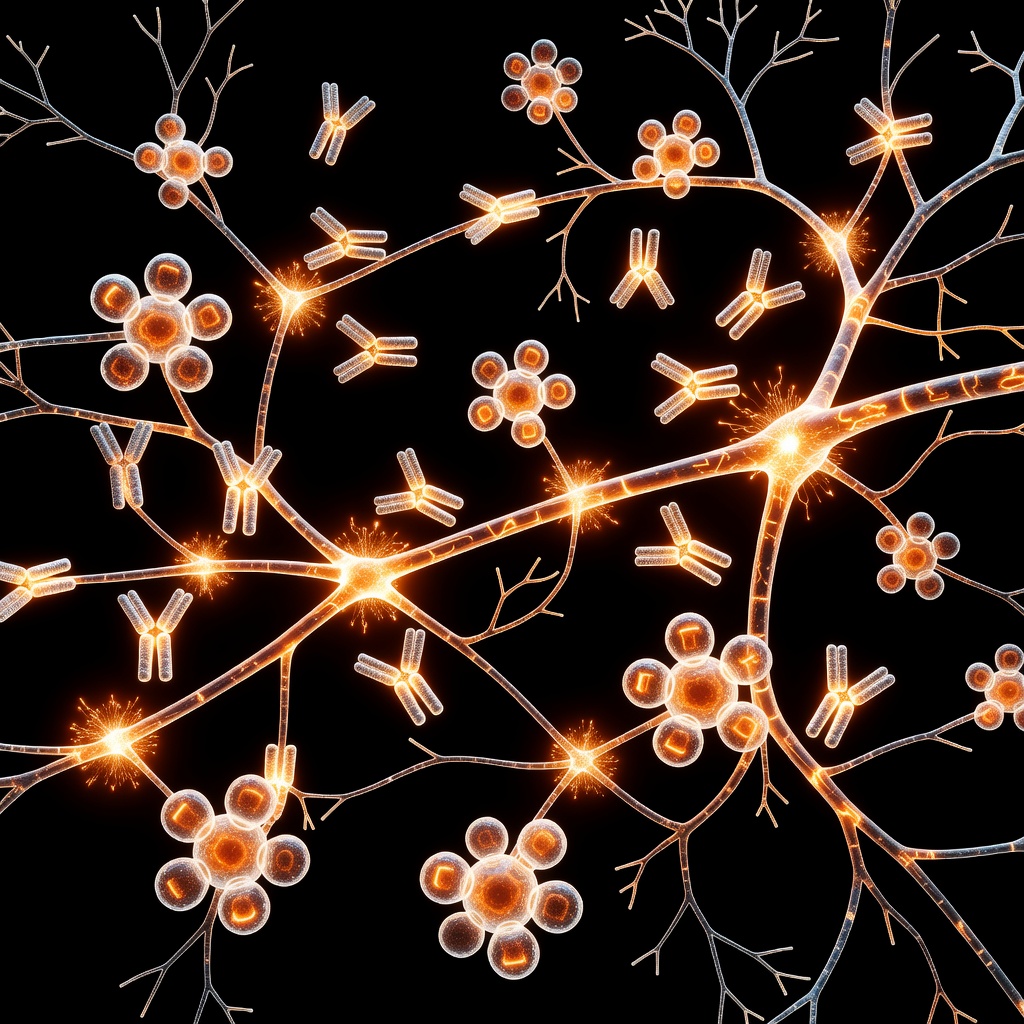
The body’s cells, particularly those with high metabolic demands like neurons and erythroid cells, express Transferrin Receptor 1 (TfR1). These receptors are designed to recognize and internalize the Fe-Tf complex to provide the cell with necessary iron. However, the TfR1 cannot distinguish between a Transferrin molecule carrying iron and one carrying aluminium. When the Al-Tf complex docks with the receptor, the cell initiates receptor-mediated endocytosis. The complex is engulfed in a vesicle (an endosome), and the pH is lowered to facilitate the release of the metal ion.
In a healthy state, iron is released and utilized for enzyme synthesis or stored in ferritin. In the presence of aluminium, Al3+ is released into the intracellular environment. Unlike iron, which is tightly regulated, aluminium has no dedicated storage protein or exit strategy. It begins to accumulate, disrupting the very homeostasis it used for entry. ## Crossing the Blood-Brain Barrier (BBB) One of the most critical consequences of this molecular mimicry is aluminium’s ability to breach the Blood-Brain Barrier. The BBB is designed to protect the brain from toxins, yet it is densely populated with Transferrin Receptors because the brain requires a constant supply of iron for neurotransmitter synthesis and myelin maintenance.
By hijacking the iron transport system, aluminium is effectively ‘fast-tracked’ into the brain. Studies have shown that the rate of aluminium uptake in the brain correlates directly with the density of TfR1. Once aluminium crosses the BBB, it tends to accumulate in the hippocampus and cortex—regions associated with memory and cognitive function. This accumulation is cumulative, as the brain lacks a robust mechanism for aluminium efflux. ## Disruption of the Labile Iron Pool and Intracellular Chaos Once inside the cell, aluminium’s subversion continues. It interferes with the Iron Regulatory Proteins (IRP1 and IRP2), which act as the ‘thermostats’ for cellular iron levels.
Aluminium can bind to these proteins or interfere with their sensing mechanisms, leading the cell to believe it is iron-deficient even when iron levels are adequate. This leads to a paradoxical state of ‘functional iron deficiency.’ The cell responds by upregulating the expression of more Transferrin Receptors and downregulating Ferritin (the storage protein). This ‘open door’ policy increases the uptake of even more aluminium, while simultaneously increasing the amount of ‘free’ or labile iron. This free iron is highly reactive. Through the Fenton Reaction, free iron reacts with hydrogen peroxide to produce hydroxyl radicals—the most destructive of all reactive oxygen species.
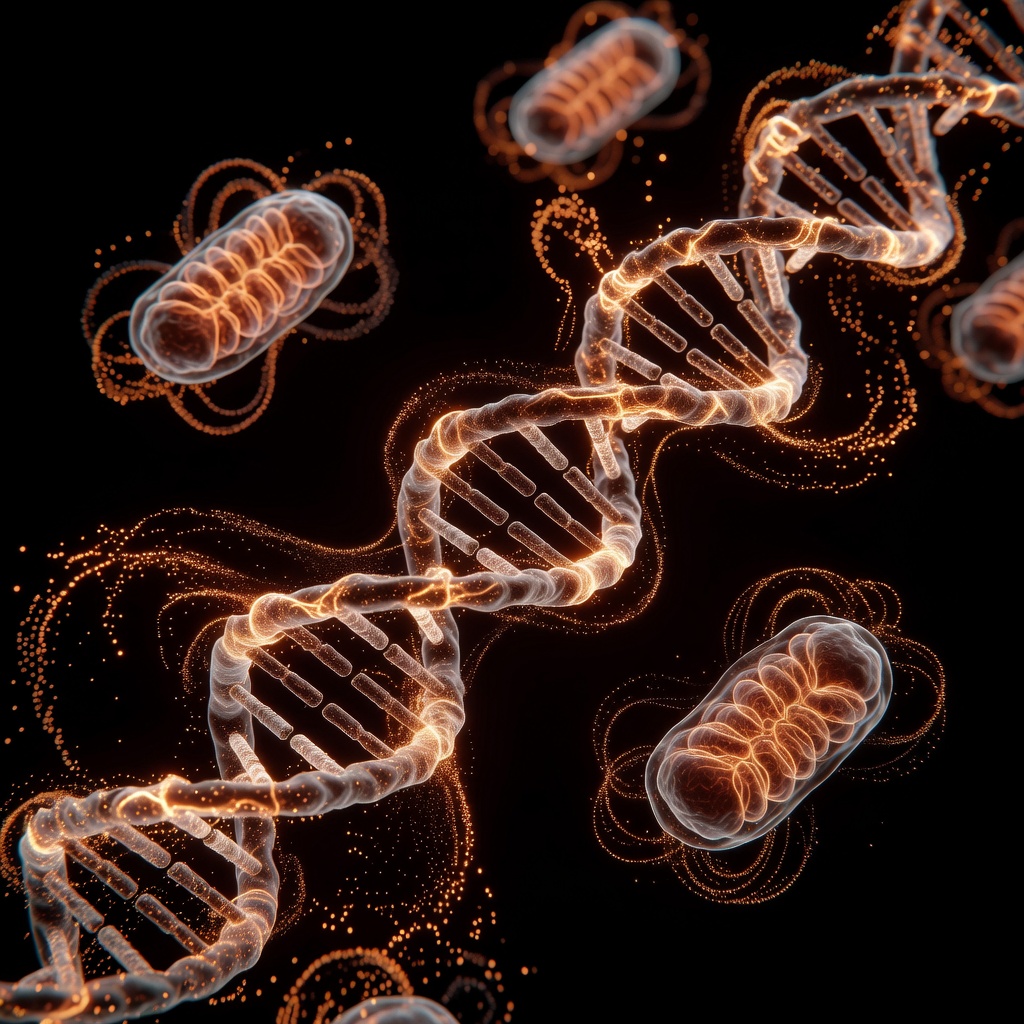
Aluminium, while not redox-active itself, acts as a pro-oxidant by facilitating this iron-mediated oxidative stress. It stabilizes the transition state of iron, making it even more reactive. This leads to lipid peroxidation, protein folding errors, and DNA damage. ## Downstream Pathological Consequences The long-term disruption of iron homeostasis by aluminium is linked to several chronic health challenges: 1. Neurodegeneration: The chronic oxidative stress and accumulation of misfolded proteins (like amyloid-beta and tau) are hallmarks of Alzheimer’s disease, where aluminium levels in the brain have been found to be significantly elevated in specific cases. 2. Anaemia of Chronic Toxicity: By competing with iron for transport and incorporation into haemoglobin, aluminium can contribute to microcytic anaemia that is unresponsive to iron supplementation. 3. Mitochondrial Dysfunction: Mitochondria are the primary sites of iron utilization for the Electron Transport Chain. Aluminium’s presence in the mitochondria disrupts ATP production and triggers apoptosis (programmed cell death). ## Addressing the Root Cause At INNERSTANDING, we emphasize that recovery and prevention must address the root biochemical cause. Since aluminium enters via the Transferrin pathway, strategies for mitigation include: - Silica-Rich Mineral Waters: Orthosilicic acid has been shown to bind with aluminium to form hydroxyaluminosilicates, which are then excreted via the kidneys, preventing Al-Tf binding. - Optimising Iron Status: Ensuring adequate (but not excessive) iron levels ensures that Transferrin sites are more likely to be occupied by the intended nutrient rather than the toxic mimic. - Supporting Autophagy: Encouraging the body’s cellular ‘cleaning’ mechanisms to help remove accumulated metal-protein aggregates. ## Conclusion Molecular mimicry allows aluminium to bypass some of the most sophisticated biological defences in the human body.
By masquerading as iron, Al3+ gains access to the brain and the heart of cellular metabolism, where it proceeds to trigger a cascade of oxidative damage and iron dysregulation. Understanding this ‘Trojan Horse’ mechanism is essential for anyone looking to navigate the challenges of modern environmental toxicity and protect their long-term neurological health.
This article is provided for informational and educational purposes only. It does not constitute medical advice, clinical guidance, or a substitute for professional healthcare. Information reflects cited research at time of publication. Always consult a qualified healthcare professional before acting on any health information.
RESEARCH FOUNDATIONS
Biological Credibility Archive
Citations provided for educational reference. Verify via PubMed or institutional databases.
Medical Disclaimer
The information in this article is for educational purposes only and does not constitute medical advice, diagnosis, or treatment. Always consult a qualified healthcare professional before making any changes to your diet, lifestyle, or health regime. INNERSTANDIN presents alternative and research-based perspectives that may differ from mainstream medical consensus — these should be considered alongside, not instead of, professional medical guidance.
Read Full DisclaimerReady to learn more?
Continue your journey through our classified biological research.
DISCUSSION ROOM
Members of THE COLLECTIVE discussing "Molecular Mimicry: How Aluminium (Al3+) Subverts Iron Homeostasis through Transferrin Receptors"
SILENT CHANNEL
Be the first to discuss this article. Your insight could help others understand these biological concepts deeper.
RABBIT HOLE
Follow the biological thread deeper