Molecular Transport Kinetics: Analyzing TRPM6 and TRPM7 Mutations in Refractory Hypomagnesemia
A comprehensive analysis of the molecular mechanisms and kinetic disruptions caused by TRPM6 and TRPM7 mutations, leading to refractory hypomagnesemia and systemic electrolyte dysfunction.

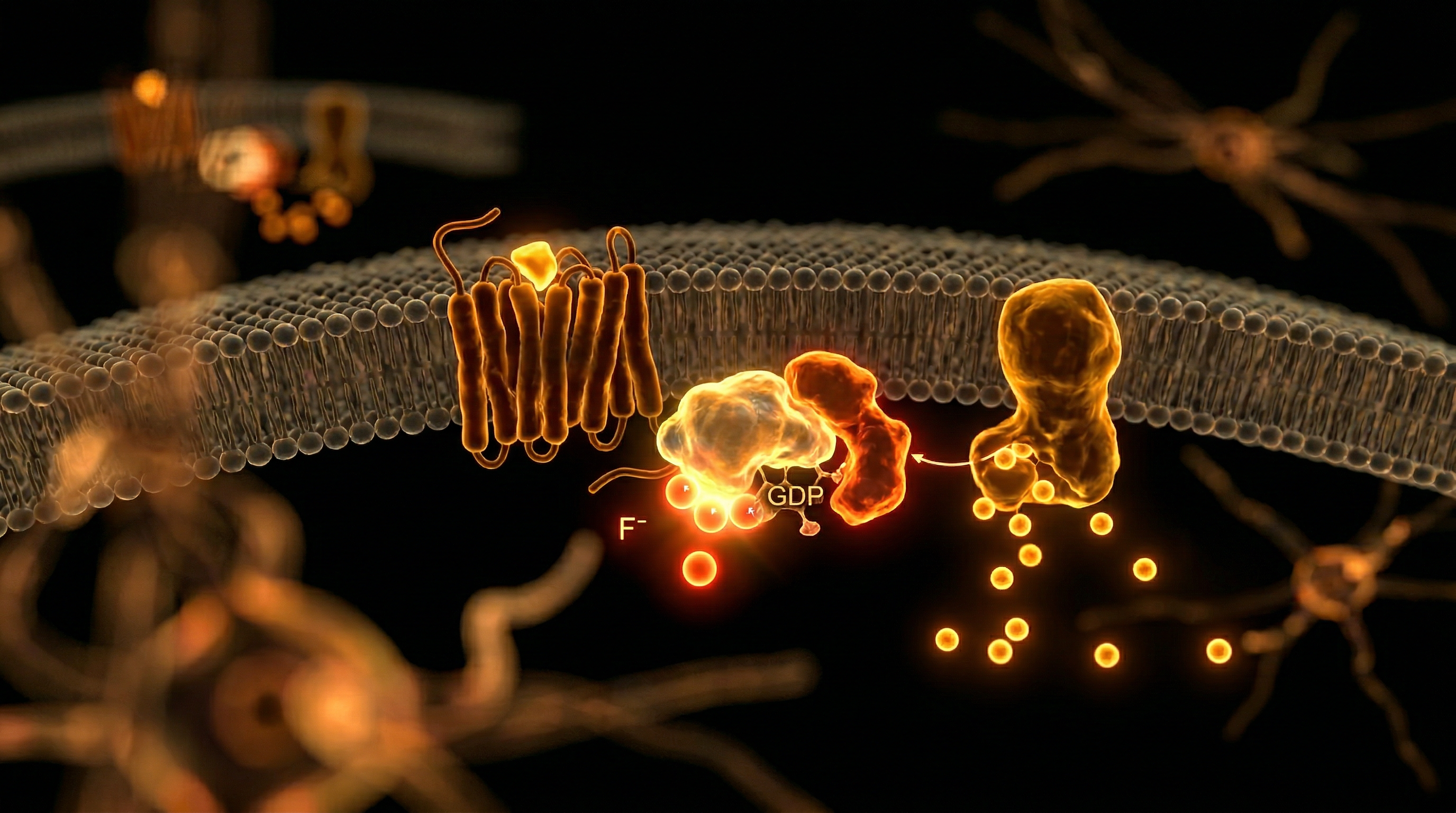
# Molecular Transport Kinetics: Analyzing TRPM6 and TRPM7 Mutations in Refractory Hypomagnesemia Magnesium (Mg2+) serves as an essential divalent cation, acting as a mandatory cofactor for over 300 enzymatic reactions, including those involving ATP metabolism, nucleic acid synthesis, and protein translation. Despite its systemic importance, the molecular regulation of magnesium homeostasis remained largely elusive until the discovery of the Transient Receptor Potential Melastatin (TRPM) family, specifically the TRPM6 and TRPM7 ion channels. In clinical practice, the most challenging cases of deficiency are those classified as refractory hypomagnesemia—where oral and even intravenous replenishment fail to maintain serum levels. This article explores the root-cause molecular transport kinetics of TRPM6 and TRPM7 mutations and why they are central to understanding refractory magnesium states. ## The TRPM Family: The Gatekeepers of Magnesium Within the TRP superfamily, TRPM6 and TRPM7 are unique. They are frequently referred to as 'chanzymes' because they possess a functional ion channel pore fused to a C-terminal alpha-kinase domain.
This dual-function structure allows the protein to sense intracellular metabolic status and adjust ion conductance accordingly. TRPM6 is primarily expressed in the apical membranes of the distal convoluted tubule (DCT) in the kidneys and the enterocytes of the small intestine. It is the primary gatekeeper for the active transcellular uptake of magnesium. TRPM7, by contrast, is ubiquitously expressed in nearly all human tissues and is essential for cellular viability and embryonic development. While TRPM6 manages systemic balance, TRPM7 ensures cellular-level magnesium homeostasis. ## Molecular Kinetics and Heteromerization The transport of magnesium through these channels is not a simple passive process; it follows specific kinetic parameters.
Under normal physiological conditions, TRPM6 and TRPM7 can form homotetramers (four identical subunits) or, more crucially, heterotetramers (mixed subunits). Research suggests that TRPM6 must assemble with TRPM7 at the plasma membrane to achieve optimal conductance. Mutations that disrupt this heteromerization significantly alter the transport kinetics, effectively lowering the 'Vmax' (maximum rate of transport) or increasing the 'Km' (the concentration at which transport is half-maximal). When the affinity for magnesium decreases or the total capacity of the channels is reduced due to genetic defects, the body cannot compensate for the daily loss of magnesium through urine or sweat, leading to a chronic deficit. ## TRPM6 Mutations: The Foundation of HSH The most prominent clinical manifestation of TRPM6 dysfunction is Hypomagnesemia with Secondary Hypocalcemia (HSH). This is an autosomal recessive disorder characterized by extremely low serum magnesium levels, usually presenting in early infancy with neurological symptoms such as tetany, seizures, and muscle spasms.
The primary root cause is the failure of the intestinal lining to absorb magnesium and the failure of the renal tubules to reabsorb it. In HSH, the secondary hypocalcemia occurs because magnesium is required for the release and peripheral action of Parathyroid Hormone (PTH). Without sufficient magnesium, the parathyroid glands become 'numb,' and the body cannot mobilize calcium from the bones or absorb it from the gut, leading to a dual-electrolyte crisis. Genetic analysis of HSH patients often reveals 'loss-of-function' mutations in the TRPM6 gene, such as nonsense mutations that truncate the protein or missense mutations that alter the selectivity filter of the pore. ## TRPM7 and Cellular Refractory States While TRPM6 mutations explain systemic loss, TRPM7 mutations have more profound cellular implications. Because TRPM7 is vital for cell cycle progression, complete loss-of-function is usually lethal in the embryonic stage.
However, subtle mutations or polymorphisms in the TRPM7 kinase domain have been linked to magnesium-sensitive conditions such as neurodegeneration and certain cardiovascular pathologies. The TRPM7 kinase domain acts as a sensor; it is inhibited by intracellular magnesium-ATP levels. When mutated, this feedback loop is broken. In a refractory state, even if serum magnesium is artificially elevated through high-dose supplementation, the mutated TRPM7 channel may remain in a 'closed' or 'low-conductance' state, preventing the magnesium from actually entering the cells where it is needed. This creates a clinical paradox: normal or near-normal serum levels with profound intracellular deficiency. ## The Kinetic Breakdown: Why Oral Supplementation Fails In refractory hypomagnesemia caused by TRPM-family mutations, the transport kinetics are fundamentally 'broken.' Standard magnesium salts (such as magnesium oxide or sulfate) rely on both passive paracellular transport and active transcellular transport.
In TRPM6-deficient individuals, the active transcellular pathway—which is essential for absorbing magnesium at lower concentrations—is non-functional. To overcome this, clinicians often use massive oral doses to force magnesium through the passive paracellular gaps between cells (the Claudin-16/19 pathway). However, this often leads to osmotic diarrhea, as the unabsorbed magnesium in the gut lumen pulls water into the intestines, further exacerbating nutrient loss. This is the hallmark of 'refractory' deficiency: the molecular machinery required for high-affinity transport is missing, and the alternative pathways are too inefficient to maintain homeostasis. ## Future Directions in Molecular Therapy Understanding the kinetics of TRPM6 and TRPM7 opens the door to precision medicine. Current research is investigating 'pharmacological chaperones'—small molecules that can help misfolded TRPM6 proteins reach the cell surface.
Additionally, targeting the alpha-kinase domain of TRPM7 offers a potential way to bypass the inhibitory feedback loops that prevent magnesium uptake in certain disease states. For practitioners, recognizing that hypomagnesemia may have a genetic root in the TRPM system is vital. It shifts the treatment focus from simply 'giving more magnesium' to 'optimizing transport efficiency.' This may include splitting doses to maximize paracellular windows, using highly bioavailable chelates like magnesium taurate or glycinate that utilize alternative peptide transporters, and monitoring the PTH-Calcium axis as a surrogate marker for intracellular magnesium status. ## Conclusion Molecular transport kinetics provide the definitive explanation for why some magnesium deficiencies are inherently refractory to treatment. Mutations in TRPM6 and TRPM7 do not just cause a 'lack' of magnesium; they represent a fundamental failure of the body's sensing and transport infrastructure. By focusing on the root-cause disruptions in chanzyme function, we move closer to providing targeted, effective interventions for patients caught in the cycle of chronic, unresponsive magnesium depletion.
This article is provided for informational and educational purposes only. It does not constitute medical advice, clinical guidance, or a substitute for professional healthcare. Information reflects cited research at time of publication. Always consult a qualified healthcare professional before acting on any health information.
RESEARCH FOUNDATIONS
Biological Credibility Archive
Citations provided for educational reference. Verify via PubMed or institutional databases.
Medical Disclaimer
The information in this article is for educational purposes only and does not constitute medical advice, diagnosis, or treatment. Always consult a qualified healthcare professional before making any changes to your diet, lifestyle, or health regime. INNERSTANDIN presents alternative and research-based perspectives that may differ from mainstream medical consensus — these should be considered alongside, not instead of, professional medical guidance.
Read Full DisclaimerReady to learn more?
Continue your journey through our classified biological research.
DISCUSSION ROOM
Members of THE COLLECTIVE discussing "Molecular Transport Kinetics: Analyzing TRPM6 and TRPM7 Mutations in Refractory Hypomagnesemia"
SILENT CHANNEL
Be the first to discuss this article. Your insight could help others understand these biological concepts deeper.
THE ARSENAL
Based on Magnesium Forms, Functions & Deficiency — products curated by our research team for educational relevance and biological support.

Magnesium Blend – The Most Important Mineral
INNERSTANDING may earn a commission on purchases made through these links. All products are selected based on rigorous educational relevance to our biological research.
RABBIT HOLE
Follow the biological thread deeper