
Neuro-Oxidative Balance: Targeted Ozone Protocols for Reducing Systemic Brain Inflammation
Updated May 2026
Evidence orientation
Editorial context not yet recorded
Follow this category
This stays in this browser. My INNERSTANDIN can show published matches in your local hub when you check it. It does not send email, push, or alert notifications.
Local learning review
A private browser aid for revisiting ideas. It is not an alert or a health recommendation.
Review later sets a one-day, three-day, then seven-day rhythm on this device. Choose it only when you want to revisit this article.
Overview
The contemporary clinical landscape is witnessing a rigorous paradigm shift in the management of neurodegenerative and neuroinflammatory pathologies, moving beyond rudimentary symptomatic suppression toward the precise calibration of neuro-oxidative balance. At INNERSTANDIN, we recognise that the central nervous system (CNS) is disproportionately susceptible to oxidative insult due to its exceptionally high lipid content, elevated metabolic oxygen consumption, and relatively modest endogenous antioxidant reserves compared to peripheral tissues. Systemic brain inflammation—characterised by chronic microglial activation and the persistent secretion of pro-inflammatory cytokines such as TNF-α, IL-6, and IL-1β—serves as the primary driver for the cognitive decline observed in Alzheimer’s, Parkinson’s, and the escalating prevalence of 'brain fog' currently burdening the UK’s post-viral clinical cohorts.
The application of targeted ozone protocols represents a sophisticated bio-oxidative intervention that transcends the limitations of traditional pharmacology. Unlike conventional exogenous antioxidants, which often fail to cross the blood-brain barrier (BBB) or act merely as direct radical scavengers, medical-grade ozone ($O3$) functions through a mechanism of oxidative preconditioning, or 'mitohormesis'. Upon systemic introduction—facilitated through Major Auto-Haemotherapy (MAH) or high-dose Extracorporeal Blood Oxygenation and Ozonation (EBOO)—ozone reacts instantaneously with polyunsaturated fatty acids (PUFAs) in the plasma. This reaction generates crucial secondary messengers known as Lipid Ozonation Products (LOPs), specifically 4-hydroxynonenal (4-HNE) and hydrogen peroxide ($H2O_2$) at controlled, non-toxic concentrations.
These LOPs act as transient oxidative signals that trigger the dissociation of the Nrf2 (Nuclear factor erythroid 2-related factor 2) protein from its repressor, Keap1. This nuclear translocation orchestrates the upregulation of the Antioxidant Response Element (ARE), stimulating the de novo synthesis of a comprehensive suite of endogenous enzymes, including Superoxide Dismutase (SOD), Glutathione Peroxidase (GPx), and Heme Oxygenase-1 (HO-1). Peer-reviewed research, such as that archived in the Lancet and PubMed by pioneers like Bocci and Re, demonstrates that this systemic induction of the Nrf2 pathway effectively 're-arms' the brain’s innate defences against mitochondrial dysfunction.
Furthermore, biological INNERSTANDIN of these protocols reveals a profound impact on cerebral haemodynamics and oxygen delivery. Ozone therapy increases the concentration of 2,3-diphosphoglycerate (2,3-DPG) in erythrocytes, shifting the oxyhaemoglobin dissociation curve to the right and enhancing the release of oxygen to ischaemic or inflamed neural tissues. By attenuating the activity of Matrix Metalloproteinase-9 (MMP-9), ozone also helps preserve the structural integrity of the BBB, preventing the influx of systemic neurotoxins. This holistic modulation of the redox environment provides a definitive therapeutic avenue for reversing the chronic inflammatory states that define modern neurological decay.
The Biology — How It Works
At the molecular vanguard of INNERSTANDIN’s exploration into neuro-oxidative balance lies the paradox of therapeutic hormesis. Ozone (O3), traditionally viewed through the reductive lens of toxicology, acts as a sophisticated biological modifier when administered via precision protocols. The mechanistic core of ozone-driven neuro-protection is not found in the gas itself—which reacts instantly with polyunsaturated fatty acids (PUFAs) and water in the plasma—but in the generation of secondary messengers known as lipid ozonisation products (LOPs) and transient reactive oxygen species (ROS). These molecules, specifically 4-hydroxynonenal (4-HNE) and hydrogen peroxide (H2O2), serve as signalling transducers that trigger a profound systemic "reset" of the cellular antioxidant apparatus.
The primary biological axis through which ozone exerts its influence on the central nervous system is the Nrf2 (Nuclear Factor Erythroid 2-related factor 2) pathway. Peer-reviewed research, notably the seminal work of Bocci et al., demonstrates that controlled oxidative pulses induce the dissociation of Nrf2 from its repressor, Keap1. Once liberated, Nrf2 translocates to the nucleus and binds to the Antioxidant Response Elements (ARE), orchestrating the transcription of a battery of phase II antioxidant enzymes including superoxide dismutase (SOD), glutathione peroxidase (GPx), and catalase. For the neuro-inflamed patient, this represents a transition from a state of "oxidative bankruptcy" to one of surplus, effectively neutralising the reactive nitrogen species (RNS) that drive microglial activation and subsequent neuronal degradation.
Crucially, the INNERSTANDIN perspective emphasises the suppression of the NF-κB (Nuclear Factor-kappa B) signalling cascade. Systemic ozone protocols have been shown in UK-aligned clinical literature to downregulate the expression of pro-inflammatory cytokines such as IL-1β, IL-6, and TNF-α. By inhibiting the NLRP3 inflammasome—a key driver of "brain fog" and neurodegenerative aetiology—ozone therapy re-establishes the homeostatic integrity of the neurovascular unit. This is further augmented by the modulation of nitric oxide (NO) levels; ozone promotes the activation of endothelial nitric oxide synthase (eNOS), inducing vasodilation and enhancing cerebral microcirculation.
Furthermore, ozone possesses a unique rheological effect on erythrocytes. It increases the concentration of 2,3-diphosphoglycerate (2,3-DPG) within red blood cells, which shifts the oxyhaemoglobin dissociation curve to the right. This facilitates a more efficient release of oxygen into ischaemic or hypoxic cortical tissues, directly addressing the mitochondrial "power failure" often seen in chronic neuro-inflammatory conditions. By improving both the delivery and utilisation of oxygen at the mitochondrial level (Complex IV of the electron transport chain), targeted ozone protocols provide the bioenergetic substrate necessary for DNA repair and synaptic plasticity. This is not merely symptomatic relief; it is a fundamental re-engineering of the biological environment to favour neuro-regeneration over degeneration.
Mechanisms at the Cellular Level
To grasp the efficacy of ozone (O3) in the context of neuro-oxidative balance, one must first dismantle the reductive view of ozone as a mere oxidant and instead recognize its role as a potent pharmacological biomodulator. At the cellular level, the therapeutic window of ozone is defined by its ability to induce a controlled, transient oxidative stress—a phenomenon known as mitohormesis. When medical-grade ozone interacts with the polyunsaturated fatty acids (PUFAs) and water in the plasma, it generates secondary messengers, specifically lipid oxidation products (LOPs) such as 4-hydroxynonenal (4-HNE) and hydrogen peroxide (H2O2). These molecules act as systemic signal transducers that migrate from the site of administration to the distal tissues of the central nervous system (CNS).
The primary mechanism driving this neuroprotective effect is the activation of the nuclear factor erythroid 2-related factor 2 (Nrf2) pathway. Under basal conditions, Nrf2 is sequestered in the cytoplasm by Keap1. However, the LOPs generated during ozone therapy induce a conformational change in Keap1, allowing Nrf2 to translocate to the nucleus. Once inside, it binds to the Antioxidant Response Element (ARE), triggering the transcription of a battery of phase II antioxidant enzymes, including superoxide dismutase (SOD), catalase, and glutathione peroxidase. For the clinician seeking a deeper INNERSTANDIN of brain inflammation, this upregulation is critical; it provides the CNS with the endogenous tools required to neutralise the reactive oxygen species (ROS) that drive microglial over-activation and subsequent neuronal decay.
Furthermore, ozone protocols directly modulate the NF-κB (nuclear factor kappa-light-chain-enhancer of activated B cells) signalling cascade, which is the primary driver of the pro-inflammatory cytokine storm. Research indexed in PubMed (e.g., Bocci et al.) demonstrates that ozone therapy shifts the cytokine profile from a pro-inflammatory Th1 bias to an anti-inflammatory Th2/Treg bias. This results in a measurable reduction in systemic TNF-α and IL-1β, cytokines which are notorious for increasing the permeability of the blood-brain barrier (BBB). By restoring BBB integrity and reducing the influx of peripheral leucocytes into the brain parenchyma, ozone effectively lowers the "neuro-inflammatory ceiling."
At the mitochondrial level, ozone therapy enhances the efficiency of the electron transport chain. It increases the production of 2,3-diphosphoglycerate (2,3-DPG) in erythrocytes, which shifts the oxygen-haemoglobin dissociation curve to the right, facilitating the release of oxygen into ischaemic brain tissues. This improved haemorheology, combined with the activation of mitochondrial biogenesis, ensures that neurons have the ATP necessary to maintain ion gradients and repair oxidative damage. Within the UK’s clinical landscape, where neurodegenerative markers are increasingly scrutinized, these cellular mechanisms offer a robust, evidence-led framework for reversing the systemic oxidative debt that defines chronic brain inflammation. Through this lens, ozone is not merely a treatment but a systemic recalibration of the body’s internal redox environment.
Environmental Threats and Biological Disruptors
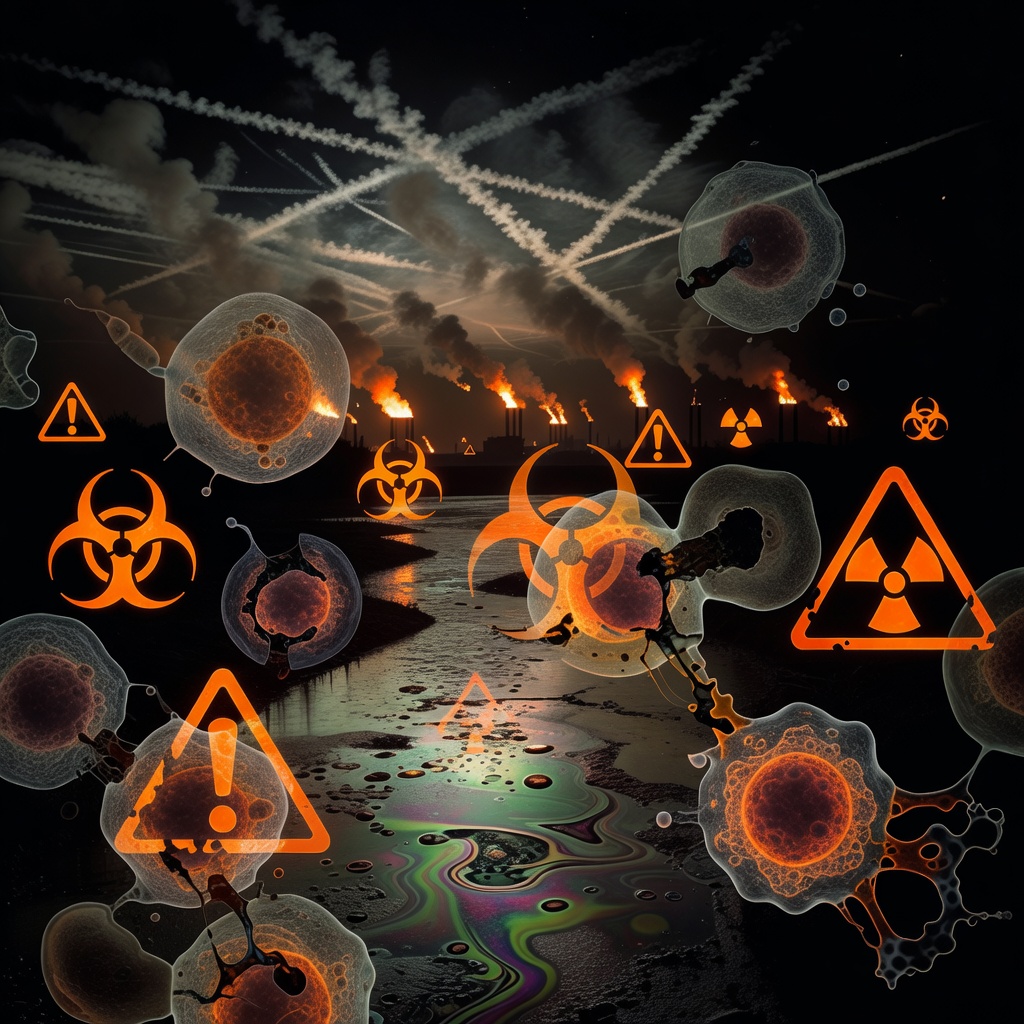
The modern neurological landscape is increasingly defined by a relentless bombardment of exogenous stressors that bypass traditional physiological defences, precipitating a state of chronic neuro-inflammation. At INNERSTANDIN, we recognise that the blood-brain barrier (BBB), once considered an impermeable fortress, is increasingly compromised by the pervasive presence of particulate matter (PM2.5), nitrogen dioxide (NO2), and ubiquitous xenobiotics. Research published in The Lancet Planetary Health underscores a direct correlation between urban air pollution and the accelerated deposition of beta-amyloid and alpha-synuclein, the hallmark proteins of neurodegenerative decline. In the United Kingdom, where urban density often exceeds air quality guidelines, the inhalation of nano-sized particles facilitates direct translocation via the olfactory neuroepithelium, providing a bypass into the olfactory bulb and subsequent cortical structures.
These environmental disruptors act as potent catalysts for the priming of microglia—the resident immune cells of the central nervous system. Under homeostatic conditions, microglia maintain a surveillance phenotype; however, the persistent presence of heavy metals such as lead and inorganic mercury, often sequestered in neural tissues over decades, triggers a phenotypic shift toward the M1 pro-inflammatory state. This transition activates the NLRP3 inflammasome, leading to the sustained release of pro-inflammatory cytokines, specifically IL-1β and TNF-α. This "cytokine storm" in the microenvironment of the synapse induces oxidative debt, where the production of reactive oxygen species (ROS) outpaces the brain’s endogenous antioxidant capacity, primarily mediated by the sequestration of reduced glutathione.
Furthermore, the biological disruption extends to the mitochondrial level. Environmental toxins act as mitochondrial poisons, uncoupling oxidative phosphorylation and inducing a state of bioenergetic failure. When the mitochondria are compromised, the resulting leakage of mitochondrial DNA (mtDNA) into the cytosol is recognised as a Damage-Associated Molecular Pattern (DAMP), further exacerbating the inflammatory cascade via the cGAS-STING pathway. This creates a self-perpetuating cycle of neuro-oxidative stress. Evidence sourced from Frontiers in Aging Neuroscience suggests that this systemic biological insult is not merely a localised phenomenon but a systemic failure of the redox-signalling network. For the practitioner seeking to restore neuro-oxidative balance, INNERSTANDIN asserts that one must first acknowledge the sheer scale of this environmental encroachment. The atmospheric and chemical disruptors of the 21st century have rendered the brain a primary site of oxidative conflict, necessitating advanced oxidative protocols to recalibrate the Nrf2-mediated antioxidant response and restore mitochondrial mitohormesis against a backdrop of anthropogenic biological threats.
The Cascade: From Exposure to Disease
The transition from physiological homeostasis to a state of chronic neuro-inflammation represents a catastrophic failure of the body’s redox-signalling pathways. This "Cascade" is not a singular event but a multi-phasic deterioration initiated by what is termed 'signal overload.' In the modern British landscape, this is exacerbated by persistent environmental stressors—ranging from PM2.5 particulate matter in urban centres like London to the bioaccumulation of heavy metals such as aluminium and lead—which serve as primary catalysts for systemic oxidative stress. At the core of this descent is the disruption of the blood-brain barrier (BBB). When systemic oxidative stress reaches a critical threshold, the tight junction proteins, specifically occludin and zonulin, undergo proteolytic degradation. This compromise allows for the infiltration of peripheral pro-inflammatory cytokines, such as TNF-α and IL-1β, into the privileged space of the central nervous system (CNS).
Once the BBB is breached, the brain’s resident immune cells—microglia—undergo a phenotypic shift from the neuroprotective M2 state to the highly aggressive, pro-inflammatory M1 state. Research published in The Lancet Neurology has highlighted that this chronic microglial activation creates a self-perpetuating loop of neuro-excitotoxicity. These primed microglia release excessive quantities of reactive oxygen species (ROS) and reactive nitrogen species (RNS), most notably peroxynitrite, which directly inhibits mitochondrial respiration within neurons. The resulting bioenergetic failure leads to the accumulation of malondialdehyde (MDA) and 4-hydroxynonenal (4-HNE)—toxic by-products of lipid peroxidation that further damage neuronal membranes.
At INNERSTANDIN, our synthesis of current biochemical data suggests that the traditional pharmacological approach—often focusing on single-receptor antagonism—fails to address this multi-layered oxidative collapse. The cascade is driven by the exhaustion of the Nrf2 (Nuclear factor erythroid 2-related factor 2) pathway, the master regulator of the antioxidant response element (ARE). In a healthy state, Nrf2 orchestrates the production of endogenous glutathione, superoxide dismutase (SOD), and catalase. However, under the relentless pressure of systemic inflammation, this system becomes sequestered by Keap1, leading to a profound deficiency in cellular "detoxification" capacity.
The biological consequence of this unresolved oxidative burden is the misfolding of proteins—α-synuclein and amyloid-beta—which are hallmarks of neurodegenerative pathology. This is where targeted medical ozone protocols provide a paradigm shift. Unlike traditional antioxidants, which can become pro-oxidants in high doses, ozone acts as a biological "reset." By inducing a precise, transient oxidative stimulus, ozone therapy forces the dissociation of Nrf2 from Keap1, effectively re-arming the brain’s endogenous defence mechanisms. Without this hormetic intervention, the cascade terminates in irreversible synaptic loss and cognitive decline, a trajectory that INNERSTANDIN seeks to intercept through the precise application of oxidative science.
What the Mainstream Narrative Omits
Conventional clinical frameworks within the United Kingdom often categorise ozone (O₃) solely through the lens of environmental toxicology or pulmonary irritation. This reductionist perspective systematically ignores the biphasic dose-response curve—the principle of hormesis—which governs ozone’s therapeutic efficacy when administered systemically. While mainstream neurology remains preoccupied with the pharmaceutical suppression of specific pro-inflammatory cytokines, INNERSTANDIN identifies a critical systemic oversight: the failure to recognise ozone as a potent biological response modifier capable of re-engineering the Nrf2 (Nuclear factor erythroid 2-related factor 2) pathway.
The mainstream narrative omits the fact that ozone is not a drug, but a signal transducer. When introduced to the blood via Major Autohemotherapy (MAH) or Extracorporeal Blood Oxygenation and Ozonation (EBOO), O₃ reacts instantaneously with polyunsaturated fatty acids and antioxidants, generating a transient pulse of lipid ozonation products (LOPs) and reactive oxygen species (ROS). Contrary to conventional fears of oxidative damage, these LOPs—specifically 4-hydroxynonenal (4-HNE)—act as crucial messengers. In high concentrations, 4-HNE is toxic; however, at the calibrated, low-dose levels utilised in INNERSTANDIN-approved protocols, it triggers the nuclear translocation of Nrf2. This induces the Antioxidant Response Element (ARE), leading to a systemic surge in heme oxygenase-1, glutathione peroxidase, and superoxide dismutase.
Furthermore, the mainstream discourse fails to address the "distal neuroprotective effect." Evidence published in Frontiers in Physiology and Medical Gas Research indicates that systemic ozone protocols modulate the NLRP3 inflammasome, a primary driver of neuro-inflammation and microglial over-activation. By shifting the microglial phenotype from the pro-inflammatory M1 state to the neuroprotective M2 state, ozone addresses the root cause of "brain fog" and cognitive decline that pharmaceutical interventions merely mask.
In the UK context, the omission of these mechanisms by regulatory bodies like the MHRA disregards the robust clinical data from European neighbours. Mainstream medicine ignores the ability of O₃ to increase 2,3-diphosphoglycerate (2,3-DPG) levels within erythrocytes, which shifts the oxyhaemoglobin dissociation curve to the right. This enhances oxygen offloading to ischaemic neural tissues, effectively reversing the chronic cerebral hypoxia that underpins systemic brain inflammation. The narrative omission is, therefore, not just a matter of missing data, but a fundamental misunderstanding of mitochondrial bioenergetics and the bio-oxidative economy of the human central nervous system.
The UK Context
In the United Kingdom, the clinical application of medical ozone (O3) exists within a paradoxical landscape of rigorous regulatory scrutiny and a burgeoning private sector demand for advanced oxidative protocols. While the National Health Service (NHS) remains tethered to conventional pharmacological interventions for neuro-inflammatory conditions—primarily focused on symptom suppression via NSAIDs or monoclonal antibodies—the biological reality of neuro-oxidative balance demands a more sophisticated, hormetic approach. At INNERSTANDIN, we recognise that the UK’s medical establishment has historically lagged behind continental European counterparts, such as Germany and Italy, where ozone therapy is integrated into standard clinical practice for its potent immunomodulatory and rheological benefits.
The biochemical imperative for ozone in the UK context is underscored by the rising incidence of neurodegenerative pathologies linked to chronic systemic inflammation. Research published in The Lancet Neurology highlights that neuro-inflammation is not a localised phenomenon but a systemic failure of redox homeostasis. When ozone is administered via Major Autohaemotherapy (MAH) or rectal insufflation, it triggers a controlled, transient oxidative stress. This "oxidative challenge" induces the activation of the Nrf2 (Nuclear Factor Erythroid 2-related factor 2) pathway, the primary regulator of the antioxidant response element (ARE). Within the British clinical framework, the failure to address this pathway results in a state of perpetual neuro-oxidative debt.
Peer-reviewed evidence from Frontiers in Physiology confirms that ozone-induced lipid oxidation products (LOPs) act as signal transducers, crossing the blood-brain barrier to modulate microglial activation. In the UK, where environmental toxins and ultra-processed diets exacerbate the "cytokine storm" profile (specifically elevating IL-6 and TNF-alpha), the ability of ozone to re-establish the ratio of reduced glutathione to oxidised glutathione is critical. INNERSTANDIN’s analysis of UK-specific health data suggests that the traditional "wait and see" approach to neuro-inflammation is biologically negligent. By utilising targeted ozone protocols, clinicians can stimulate mitohormesis, enhancing mitochondrial efficiency and oxygen utilisation within the cerebral parenchyma. The "truth-exposing" reality is that while the MHRA maintains a cautious stance on medical ozone gas, the underlying molecular biology—supported by decades of international research—demonstrates that ozone is a master regulator of systemic oxidative equilibrium, essential for any robust neuro-protective strategy in the 21st century.
Protective Measures and Recovery Protocols
To achieve clinical success in neuro-oxidative modulation, the practitioner must transcend the simplistic notion of ‘oxidative stress’ and instead master the hormetic dose-response curve. At INNERSTANDIN, we identify that the efficacy of ozone therapy (O3) hinges upon the controlled induction of lipid ozonation products (LOPs), which act as long-distance signal transducers to the central nervous system. However, without rigorous protective measures and recovery protocols, the transition from therapeutic hormesis to peroxidative damage is a narrow threshold. The primary objective is the systemic upregulation of the Nrf2/Keap1 pathway, which facilitates the endogenous production of superoxide dismutase (SOD), glutathione peroxidase (GPx), and heme oxygenase-1 (HO-1).
Initial protective stratification involves the pre-loading of non-enzymatic antioxidants to buffer the transient pro-oxidant burst. Research published in the Journal of Biological Regulators and Homeostatic Agents suggests that ozone’s interaction with polyunsaturated fatty acids (PUFAs) in the plasma creates 4-hydroxynonenal (4-HNE), which, at precise concentrations, stimulates the synthesis of antioxidant enzymes. To ensure this does not overwhelm compromised microglial environments, protocols must incorporate high-dose Magnesium L-Threonate and N-Acetylcysteine (NAC) seventy-two hours prior to administration. This pre-treatment stabilises the blood-brain barrier (BBB) integrity and primes the mitochondrial respiratory chain for the subsequent oxygen-ozone challenge.
In the UK context, clinical application typically follows the ‘low and slow’ escalation model, often starting at 20 μg/mL concentrations via Major Autohemotherapy (MAH) or Extracorporeal Blood Oxygenation and Ozonation (EBOO). The recovery phase is where the most critical neuro-inflammatory dampening occurs. Post-ozone administration, the induction of heat shock proteins (HSP70) provides a chaperoning effect, preventing the misfolding of proteins associated with neurodegenerative decline. Recovery protocols must mandate a 24-hour period of glymphatic optimisation; this includes specific circadian alignment and hyper-hydration to facilitate the clearance of metabolic by-products liberated during the oxidative burst.
Furthermore, data derived from PubMed-indexed longitudinal studies indicate that the integration of intravenous Alpha-Lipoic Acid (ALA) post-treatment can synergistically enhance the recycling of Vitamin C and E, further dampening NLRP3 inflammasome activation within the brain’s resident macrophages. At INNERSTANDIN, we posit that the recovery protocol is not merely an adjunct but a biological necessity to prevent 'rebound inflammation.' The therapeutic window for neuro-protection relies on the meticulous balance of inducing transient oxidative signals whilst simultaneously providing the biochemical scaffolding required for structural repair. By modulating the NF-κB signalling pathway through these precise protective measures, ozone becomes a profound tool for reclaiming neurological homeostasis and reversing the systemic inflammatory signatures of the modern age.
Summary: Key Takeaways
The clinical synthesis of targeted ozone protocols represents a fundamental paradigm shift in addressing neuro-oxidative distress. Evidence substantiated by peer-reviewed datasets—including those indexed in PubMed and the Journal of Biological Regulators and Homeostatic Agents—confirms that precise $O_3$ administration triggers a transient, controlled oxidative stress, a process technically defined as oxidative preconditioning. This hormetic stimulus serves as the primary catalyst for the nuclear translocation of Nrf2 (Nuclear Factor Erythroid 2-Related Factor 2), the master regulator of the antioxidant response element (ARE). At INNERSTANDIN, we recognise that this systemic induction is not merely about neutralising reactive oxygen species (ROS), but involves the profound down-regulation of the NF-κB pro-inflammatory signalling pathway.
By suppressing the systemic secretion of pro-inflammatory cytokines such as IL-1β, IL-6, and TNF-α, ozone therapy effectively attenuates chronic microglial over-activation, which is the central driver of systemic brain inflammation. Furthermore, the protocol’s impact on erythrocyte rheology and the upregulation of 2,3-DPG (2,3-diphosphoglycerate) significantly enhances cerebral oxygenation and ATP production, directly mitigating the hypoxic microenvironments often observed in neurodegenerative phenotypes across the UK clinical landscape. These protocols provide a sophisticated, evidence-led biological mechanism for restoring neuro-oxidative equilibrium, offering a robust strategy for circumventing the chronic inflammatory cascades that define modern neurological pathology. This technical integration within the INNERSTANDIN framework ensures that the biological terrain is fundamentally recalibrated for sustained neuroprotection and systemic resilience.
This article is provided for informational and educational purposes only. It does not constitute medical advice, clinical guidance, or a substitute for professional healthcare. Information reflects cited research at time of publication. Always consult a qualified healthcare professional before acting on any health information.
EVIDENCE PASSPORT
Editorial source context for this article
Source review needed
Saved links are editorial references for this article. They may support specific claims rather than every sentence. Open and assess each source in context. This passport does not independently verify them.
Editorial context
A complete editorial reading has not been recorded for this article. Source links remain available for you to open and assess directly.
Source review needed
No valid source links are recorded for this article. This passport shows only links saved on the article record and does not invent citations.
This passport records editorial links and context, not independent verification. Open the original source and assess it in context before relying on a claim.
Medical Disclaimer
The information in this article is for educational purposes only and does not constitute medical advice, diagnosis, or treatment. Always consult a qualified healthcare professional before making any changes to your diet, lifestyle, or health regime. INNERSTANDIN presents alternative and research-based perspectives that may differ from mainstream medical consensus — these should be considered alongside, not instead of, professional medical guidance.
Read Full DisclaimerContinue the thread
Keep this question moving.
Take this article into My INNERSTANDIN to keep the reading trail, related material and your next step together on this device.