
Neuroendocrine Effects of Psychedelics: Impact on the Hypothalamic-Pituitary-Adrenal Axis
Updated April 2026
Evidence orientation
Editorial context not yet recorded
Follow this category
This stays in this browser. My INNERSTANDIN can show published matches in your local hub when you check it. It does not send email, push, or alert notifications.
Local learning review
A private browser aid for revisiting ideas. It is not an alert or a health recommendation.
Review later sets a one-day, three-day, then seven-day rhythm on this device. Choose it only when you want to revisit this article.
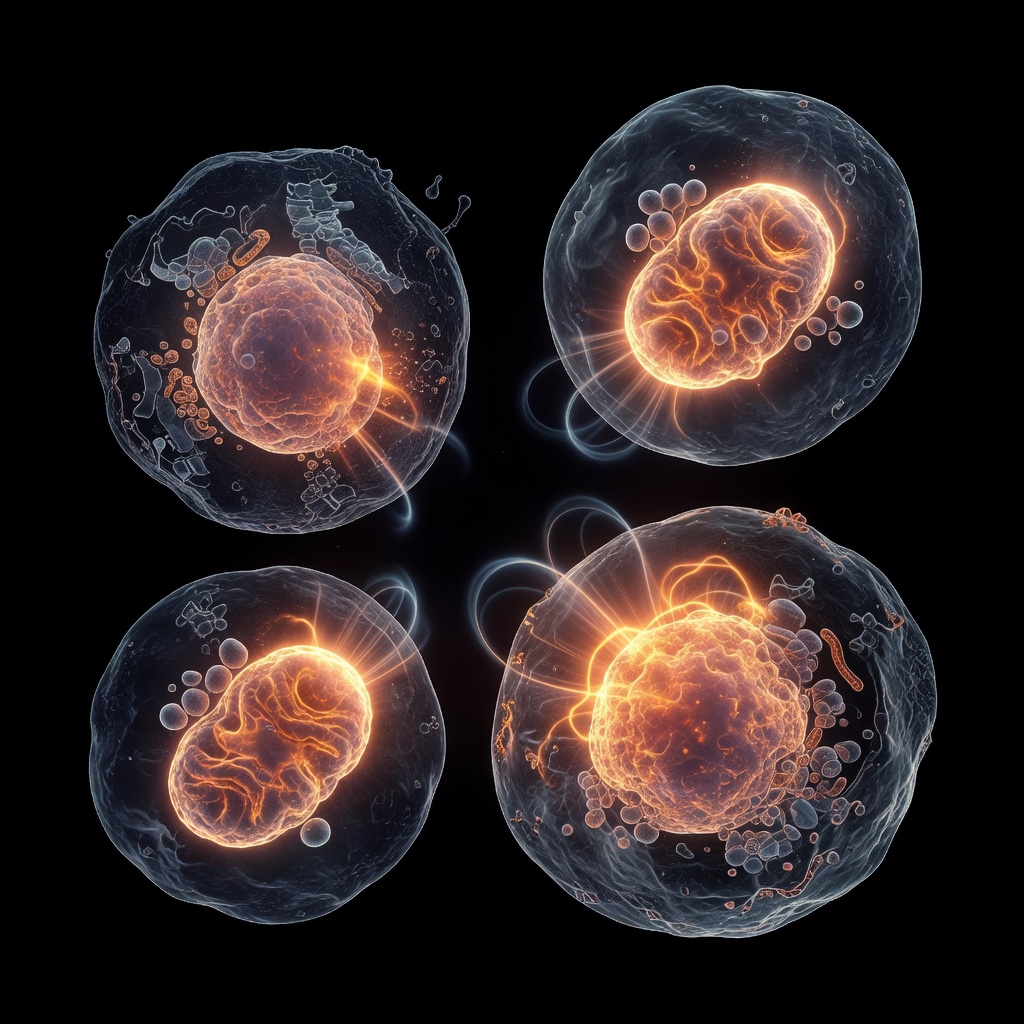
In the modern landscape of mental health, we are witnessing a paradigm shift that transcends the traditional "chemical imbalance" theory of depression. At the vanguard of this revolution is the study of psychedelics—substances once relegated to the fringes of counter-culture, now recognised as potent biological catalysts. To truly achieve an Innerstanding of how these compounds facilitate profound psychological healing, we must look beyond the "trip" and examine the intricate dance between the brain and the body’s primary stress management system: the Hypothalamic-Pituitary-Adrenal (HPA) axis.
Overview: The Stress Thermostat and the Psychedelic Intervention
The HPA axis is the body’s central neuroendocrine system, responsible for regulating our response to stress, immune function, and energy expenditure. It operates as a feedback loop involving the hypothalamus, the pituitary gland, and the adrenal glands. When we encounter a threat, this axis orchestrates the release of glucocorticoids, primarily cortisol (the "stress hormone").
In a healthy individual, cortisol levels rise to meet a challenge and then decline through a negative feedback mechanism. However, in those suffering from chronic depression, PTSD, or anxiety, this "thermostat" becomes broken. The HPA axis may become chronically overactive or, conversely, blunted and unresponsive.
Psychedelics—specifically classical serotonergic agonists like psilocybin, LSD, and DMT—interact with this system in a way that is both acute and transformative. They do not merely "numb" the stress response; they appear to engage it deeply, potentially facilitating a "biological reboot" of the entire neuroendocrine architecture.
Biological Mechanisms: The Serotonin-HPA Connection
To understand the impact of psychedelics, we must first identify the master key: the 5-HT2A receptor. These receptors are densely populated in the prefrontal cortex and the paraventricular nucleus (PVN) of the hypothalamus—the very "command centre" of the HPA axis.
The Acute Neuroendocrine Spike
When a psychedelic compound enters the system, it stimulates the 5-HT2A receptors, which in turn triggers a rapid release of Corticotropin-Releasing Hormone (CRH) from the hypothalamus. This sets off a cascade:
- CRH signals the pituitary gland to release Adrenocorticotropic Hormone (ACTH).
- ACTH travels through the bloodstream to the adrenal glands.
- The adrenals secrete a significant surge of cortisol.
Key Fact: Research indicates that the acute administration of psilocybin or LSD produces a cortisol peak comparable to that of a significant physical or psychological stressor. This is not a "side effect," but rather a fundamental component of the drug’s therapeutic mechanism.
The "Reset" Hypothesis
While a spike in cortisol might sound counter-intuitive for treating stress-related disorders, the "Reset Hypothesis" suggests that this acute activation is necessary for long-term stabilisation. By forcing the HPA axis into a high-intensity state, psychedelics may help "re-sensitise" the negative feedback loop. Following the experience, many patients show a marked reduction in baseline cortisol levels and a restored ability to regulate stress—a phenomenon sometimes referred to as the "afterglow effect."
Glutamate and Neuroplasticity
Beyond cortisol, psychedelics stimulate the release of glutamate in the prefrontal cortex. This leads to the expression of Brain-Derived Neurotrophic Factor (BDNF), a protein often described as "brain fertiliser." BDNF facilitates the growth of new neural connections and the repair of dendrites that have withered under the weight of chronic stress. This neuroplasticity provides the structural foundation upon which a newly calibrated HPA axis can operate.
The UK Context and Relevance: A Nation Under Pressure
In the United Kingdom, the relevance of neuroendocrine health cannot be overstated. With the NHS reporting record-breaking numbers of antidepressant prescriptions—exceeding 85 million in recent years—it is clear that traditional "maintenance" treatments are failing to address the root causes of neurobiological dysfunction.
The UK has become a global hub for psychedelic research, led by institutions such as Imperial College London. British researchers were among the first to demonstrate through fMRI and endocrine assays that psilocybin reduces activity in the Default Mode Network (DMN) while simultaneously modulating the HPA axis.
However, the UK’s legal framework remains a barrier. Under the Misuse of Drugs Act 1971, psilocybin and LSD remain Schedule 1 substances, cited as having "no medicinal value." This classification is increasingly viewed as scientifically illiterate by the medical community. The "truth-exposing" reality is that these compounds may offer a more profound and lasting endocrine correction than the "daily pill" model favoured by the pharmaceutical industry, which often merely masks HPA axis dysregulation rather than healing it.
Environmental Factors: The "Set and Setting" of Stress
The neuroendocrine response to psychedelics is not purely pharmacological; it is deeply influenced by environmental factors, famously known as "set and setting." Because the HPA axis is hypersensitive to external stimuli, the environment in which a psychedelic is consumed can dictate whether the cortisol spike is "therapeutic" or "traumatising."
- Psychological Set: If a participant enters the experience in a state of high resistance or fear, the HPA axis activation can lead to a "bad trip" characterised by a massive, sustained release of adrenaline and cortisol without the subsequent "release" or integration.
- Physical Setting: A sterile, clinical environment may inadvertently trigger a hospital-associated stress response. Conversely, a supportive, aesthetic, and calm environment allows the HPA axis to transition from a "threat" state to a "growth" state more effectively.
- Social Support: The presence of a trained facilitator provides a "social buffer" that can lower the perceived threat level, allowing the individual to navigate the neuroendocrine surge with a sense of safety.
Protective Strategies: Supporting the Endocrine System
For those exploring the therapeutic potential of psychedelics—whether in a clinical trial or a supervised retreat—protecting and supporting the HPA axis is paramount.
Pre-Session Preparation
- Magnesium Supplementation: Magnesium is a natural calcium channel blocker that helps regulate the adrenal response. Chronic stress depletes magnesium, making the HPA axis more "jittery."
- Adaptogenic Herbs: Herbs like Ashwagandha or Holy Basil can help "prime" the HPA axis, ensuring it is resilient enough to handle the acute psychedelic surge.
- Sleep Hygiene: A well-rested brain is more capable of processing the neuroplastic changes induced by 5-HT2A stimulation.
During and After the Experience
- Breathwork: Conscious, slow diaphragmatic breathing stimulates the vagus nerve, which acts as a "brake" on the HPA axis, preventing the cortisol spike from becoming overwhelming.
- Integration: The days following a psychedelic experience are a "critical window" for the neuroendocrine system. Avoiding high-stress environments and prioritising "soft" stimuli allows the new HPA calibration to solidify.
- Nutritional Support: The synthesis of neurotransmitters and hormones requires precursors such as Vitamin B6, Zinc, and Vitamin C (which is stored in high concentrations in the adrenal glands).
Truth-Exposing: The Pharmaceutical Stagnation
For decades, the narrative has been that "serotonin deficiency" causes depression. We now know this is a vast oversimplification. The deeper truth is that mental illness is often a disorder of adaptation. The HPA axis becomes "stuck" in a maladaptive pattern, unable to return to homeostasis.
Standard SSRIs (Selective Serotonin Reuptake Inhibitors) often result in "emotional blunting." They dampen the HPA axis across the board, which might reduce anxiety but also reduces the capacity for joy and deep emotional processing. Psychedelics offer a radical alternative: they provoke a controlled, intense emotional and endocrine experience that allows for a genuine "breaking through" rather than a "numbing down."
Key Takeaways: The Future of Innerstanding
The intersection of psychedelics and the HPA axis represents one of the most exciting frontiers in Therapeutic Neuroscience. As we move forward, the following points are essential for our collective understanding:
- Psychedelics are Endocrine Modulators: They are not just "psychological" tools; they are powerful biological agents that directly interact with the hypothalamus and adrenal glands.
- The Cortisol Surge is Functional: The acute increase in stress hormones during a psychedelic session may be a necessary catalyst for "resetting" the body’s stress response system.
- Neuroplasticity Requires Stability: The growth of new neural pathways (via BDNF) is most effective when the HPA axis is brought back into balance.
- Integration is Biological: "Integration" isn't just about talking; it’s about providing the body with the environment and nutrients it needs to stabilise its new neuroendocrine "set point."
- A Shift in Perspective: We must view mental health not as a lack of "happy chemicals," but as a dynamic state of neuroendocrine harmony.
By embracing this deeper Innerstanding of our biological reality, we can move away from the "patchwork" approach to mental health and towards a future where the body’s own healing mechanisms are respected, understood, and effectively harnessed. The UK, and the world at large, stands at the threshold of a new era—one where the alchemy of the mind and the chemistry of the body are finally treated as one.
This article is provided for informational and educational purposes only. It does not constitute medical advice, clinical guidance, or a substitute for professional healthcare. Information reflects cited research at time of publication. Always consult a qualified healthcare professional before acting on any health information.
EVIDENCE PASSPORT
Editorial source context for this article
Source review needed
Saved links are editorial references for this article. They may support specific claims rather than every sentence. Open and assess each source in context. This passport does not independently verify them.
Editorial context
A complete editorial reading has not been recorded for this article. Source links remain available for you to open and assess directly.
Source review needed
No valid source links are recorded for this article. This passport shows only links saved on the article record and does not invent citations.
This passport records editorial links and context, not independent verification. Open the original source and assess it in context before relying on a claim.
Medical Disclaimer
The information in this article is for educational purposes only and does not constitute medical advice, diagnosis, or treatment. Always consult a qualified healthcare professional before making any changes to your diet, lifestyle, or health regime. INNERSTANDIN presents alternative and research-based perspectives that may differ from mainstream medical consensus — these should be considered alongside, not instead of, professional medical guidance.
Read Full DisclaimerContinue the thread
Keep this question moving.
Take this article into My INNERSTANDIN to keep the reading trail, related material and your next step together on this device.
Explore this in the Body Map
See where this hits your biology. Interactive anatomy, threats, and protective protocols.
Dig deeper in the Library
Free, longform PDF volumes that go beyond headlines into mechanisms and references.