Neurological Bypassing: How GLP-1 Mimetic Drugs Rewire Satiety Signals
Synthetic GLP-1 agonists cross the blood-brain barrier to act directly on the hypothalamus, bypassing the gut-brain axis's natural feedback loops. This article investigates the long-term implications of over-stimulating the brain's reward centers and the potential for 'satiety signaling fatigue.' We examine the difference between pharmacological fullness and biological satisfaction.
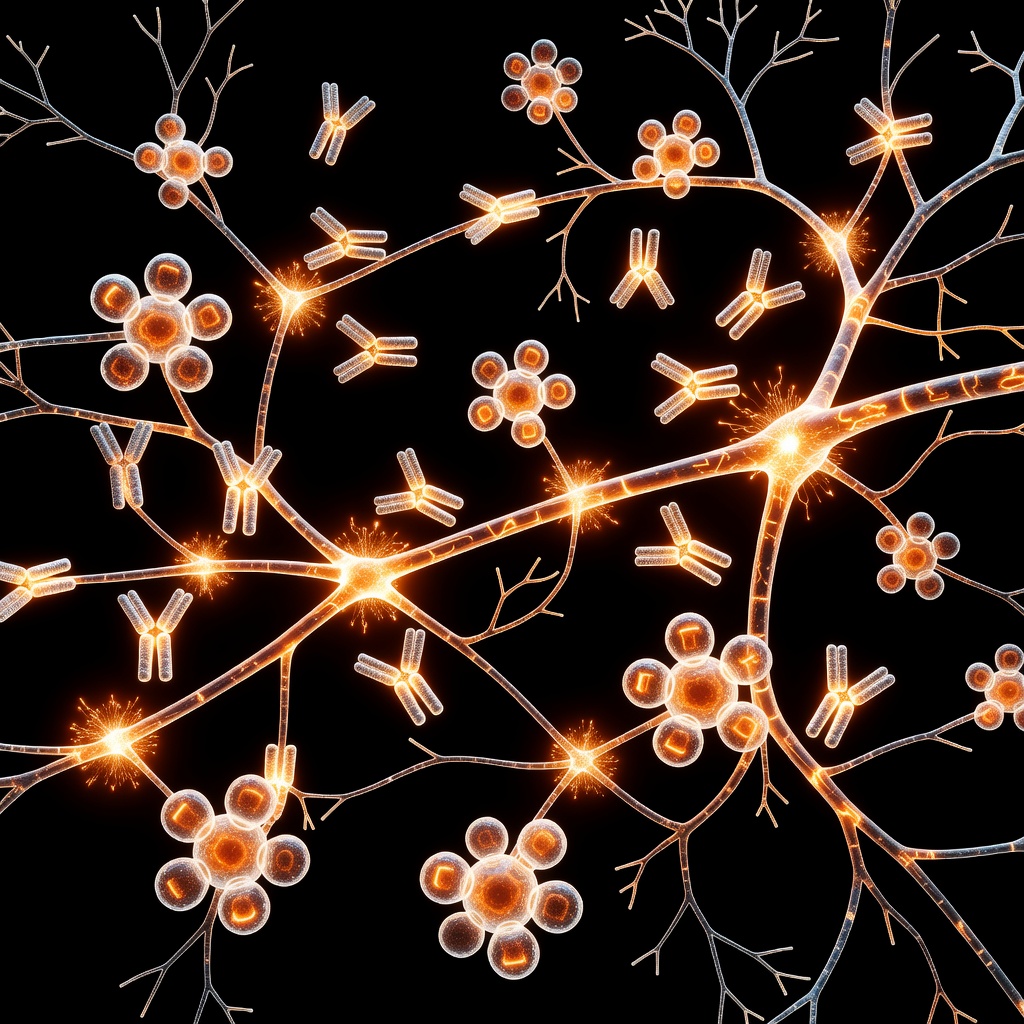
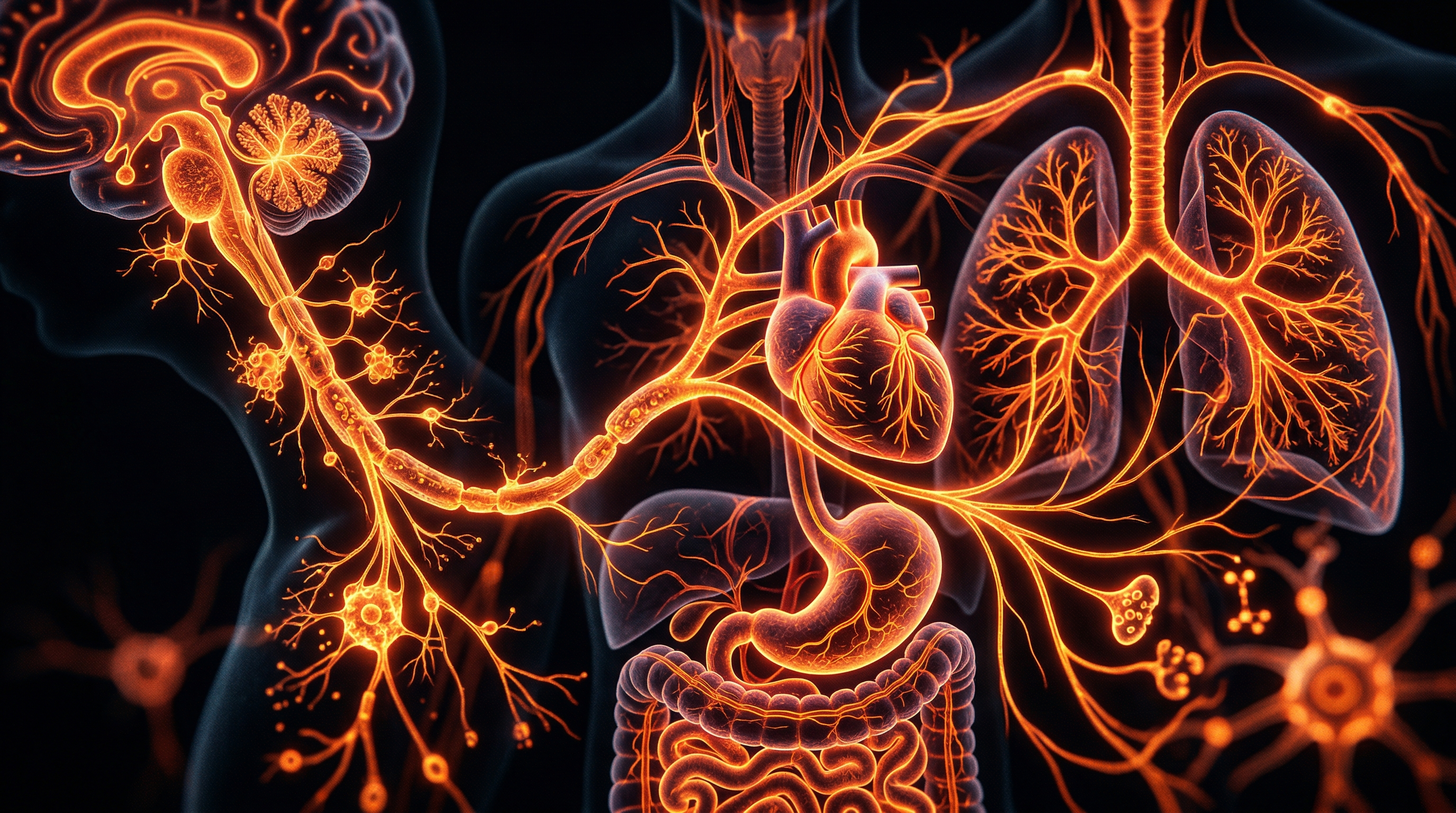
Natural satiety is a complex symphony of signals involving the vagus nerve, distention sensors in the stomach, and the release of endogenous peptides like PYY, CCK, and GLP-1 from the distal ileum. When we eat a meal rich in fiber and healthy fats, these signals travel to the Nucleus Tractus Solitarius (NTS) in the brainstem and then to the hypothalamus, telling us we are full. GLP-1 drugs like Wegovy and Ozempic operate differently; they are designed with a fatty-acid chain that allows them to circulate for extended periods and directly penetrate the blood-brain barrier. They act directly on the Pro-opiomelanocortin (POMC) neurons in the arcuate nucleus of the hypothalamus, which suppress appetite, and simultaneously inhibit the Neuropeptide Y (NPY) neurons that stimulate hunger. This is 'neurological bypassing'—it forces a state of satiety regardless of the nutritional status of the body.
Mainstream medicine views this as a benefit, but from a biological perspective, it creates a disconnection between the gut and the brain. There is growing concern among neurobiologists regarding 'receptor downregulation.' When a receptor is constantly flooded with a synthetic ligand, it may become less sensitive over time. This explains why some patients experience a 'plateau' after 12 to 18 months of treatment. Moreover, these drugs interact with the dopaminergic reward system in the ventral tegmental area, which is why users often report a loss of interest not just in food, but in other pleasures—a phenomenon some call 'anhedonia.' What is missing is the discussion of how to re-sensitize the vagus nerve. The vagus nerve is the 'metabolic highway' that these drugs effectively leapfrog.
To maintain long-term metabolic health, one must nurture the gut microbiome, as bacteria like Akkermansia muciniphila naturally stimulate the L-cells to produce endogenous GLP-1 in response to real food. This natural production respects the circadian rhythm and the body's need for periodic hunger, which is essential for autophagy. The takeaway for the investigative reader is that pharmacological satiety is a mimicry of health, not health itself. Transitioning off these drugs requires a conscious effort to rebuild the gut-brain signaling through prebiotic fiber, fermented foods, and mindful eating practices that engage the cephalic phase of digestion.
This article is provided for informational and educational purposes only. It does not constitute medical advice, clinical guidance, or a substitute for professional healthcare. Information reflects cited research at time of publication. Always consult a qualified healthcare professional before acting on any health information.
RESEARCH FOUNDATIONS
Biological Credibility Archive
Liraglutide mediates weight loss by directly activating POMC/CART neurons and indirectly inhibiting NPY/AgRP neurons via GABAergic interneurons in the arcuate nucleus.
GLP-1 receptor signaling in the vagus nerve and the brainstem is essential for the neural control of food intake and gastric emptying.
Gut-to-brain signaling via GLP-1 receptors modulates the activity of midbrain dopamine neurons to suppress the incentive value of food rewards.
GLP-1 receptor agonists induce functional plasticity within hypothalamic circuits to reset the metabolic set point and enhance long-term satiety.
Once-weekly semaglutide demonstrates superior weight loss efficacy by modulating central appetite-regulating pathways and enhancing physiological satiety signals.
Citations provided for educational reference. Verify via PubMed or institutional databases.
Medical Disclaimer
The information in this article is for educational purposes only and does not constitute medical advice, diagnosis, or treatment. Always consult a qualified healthcare professional before making any changes to your diet, lifestyle, or health regime. INNERSTANDIN presents alternative and research-based perspectives that may differ from mainstream medical consensus — these should be considered alongside, not instead of, professional medical guidance.
Read Full DisclaimerReady to learn more?
Continue your journey through our classified biological research.
DISCUSSION ROOM
Members of THE COLLECTIVE discussing "Neurological Bypassing: How GLP-1 Mimetic Drugs Rewire Satiety Signals"
SILENT CHANNEL
Be the first to discuss this article. Your insight could help others understand these biological concepts deeper.
THE ARSENAL
Based on GLP-1 Drugs & Metabolic Medicine — products curated by our research team for educational relevance and biological support.
Albedextrin – Specialist Cyclodextrin Complex
Vegan Essential Amino Acids – Plant-Powered Protein Building
INNERSTANDING may earn a commission on purchases made through these links. All products are selected based on rigorous educational relevance to our biological research.
RABBIT HOLE
Follow the biological thread deeper