Neurological Implications of Zinc-Induced Hypocupremia: A Mechanistic Review of Neurotransmitter Signaling
Discuss this resourceUpdated August 2026
An in-depth analysis of how excessive zinc supplementation disrupts copper homeostasis, leading to hypocupremia and significant neurochemical imbalances affecting neurotransmitter signaling.
Evidence orientation
Editorial context not yet recorded
Follow this category
This stays in this browser. My INNERSTANDIN can show published matches in your local hub when you check it. It does not send email, push, or alert notifications.
Local learning review
A private browser aid for revisiting ideas. It is not an alert or a health recommendation.
Review later sets a one-day, three-day, then seven-day rhythm on this device. Choose it only when you want to revisit this article.
The Metallostasis Equilibrium
In the realm of neurobiology, the balance between zinc and copper is a fundamental pillar of homeostasis. While zinc is often lauded for immune function and enzyme activity, its over-supplementation represents a significant clinical risk. The primary mechanism of toxicity is zinc-induced hypocupremia. When zinc levels are chronically elevated, it induces the synthesis of metallothionein in the enterocytes of the intestinal lining. Metallothionein has a higher binding affinity for copper than for zinc, effectively sequestering dietary copper and preventing its absorption into the bloodstream. This leads to a systemic copper deficiency with profound neurological consequences.
The Copper-Dependent Enzyme System
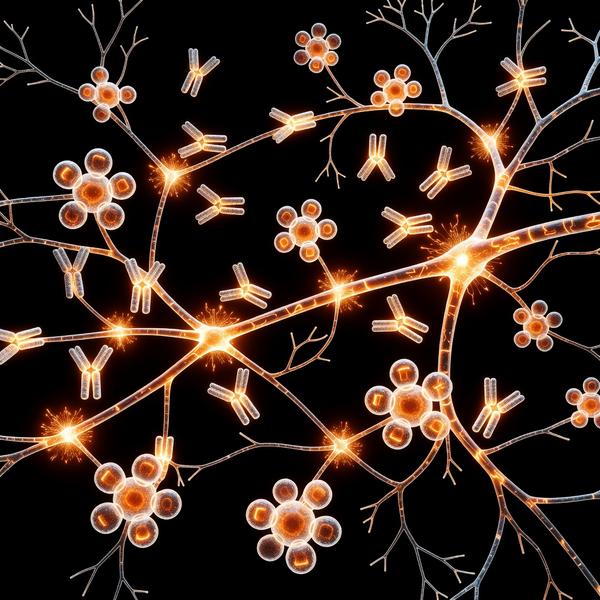
Copper is a critical cofactor for several enzymes essential to neurological integrity. Dopamine-beta-hydroxylase (DBH) is the most notable. This enzyme catalyzes the conversion of dopamine into norepinephrine. When systemic copper levels fall due to zinc-induced competitive inhibition, DBH activity is blunted. The resultant accumulation of dopamine and the depletion of norepinephrine create a paradoxical state of neurochemical instability. Patients often exhibit mood swings, cognitive fatigue, and disrupted catecholamine signaling, mimicking symptoms of treatment-resistant depression or anxiety disorders.
Cytochrome c Oxidase and Mitochondrial Dysfunction
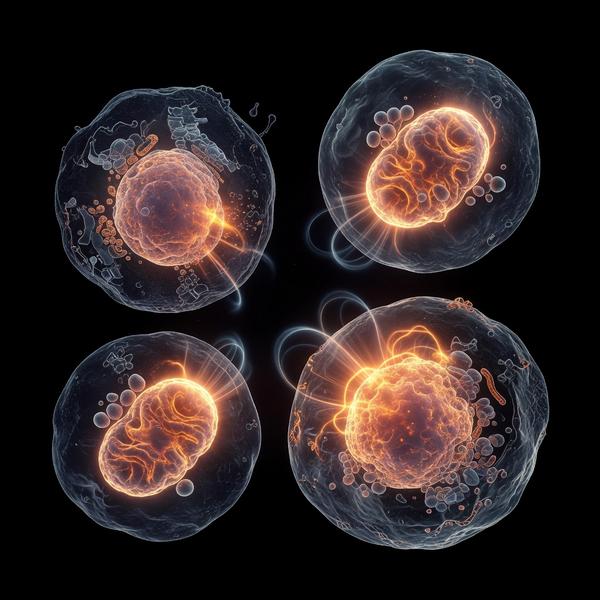
Beyond neurotransmitter conversion, copper is vital for the proper function of cytochrome c oxidase, the terminal enzyme of the mitochondrial electron transport chain. Mitochondrial inefficiency in neurons—which are exceptionally high-energy-demand cells—leads to oxidative stress and excitotoxicity. This oxidative damage can manifest as myelin degradation, mirroring the symptoms of demyelinating conditions like multiple sclerosis. This is particularly concerning as copper deficiency is a known, yet often overlooked, trigger for myelopathy.
Disruption of Glutamatergic Signaling
Recent studies suggest that copper levels also modulate the NMDA receptor function. Copper acts as an allosteric inhibitor of the NMDA receptor. Hypocupremia removes this 'brake,' potentially leading to chronic NMDA receptor over-activation. This shift promotes excitotoxicity, a condition characterized by excessive intracellular calcium influx and neuronal damage. Over time, this mechanism may contribute to neurodegenerative patterns, emphasizing the need for targeted micronutrient oversight.
Clinical Root-Cause Approach
For practitioners and patients, the focus must shift from isolated supplementation to a systems-biology perspective. Zinc supplementation should never occur in a vacuum. A diagnostic workup for patients presenting with unexplained neurological symptoms must include serum copper and ceruloplasmin levels. Restoration of the zinc-copper ratio is not merely about adding copper; it requires a period of zinc cessation and, in severe cases, chelation or specific therapeutic repletion protocols. Understanding the interplay between these two divalent cations is essential for anyone seeking deep, root-cause health solutions.
This article is provided for informational and educational purposes only. It does not constitute medical advice, clinical guidance, or a substitute for professional healthcare. Information reflects cited research at time of publication. Always consult a qualified healthcare professional before acting on any health information.
EVIDENCE PASSPORT
Editorial source context for this article
Source review needed
Saved links are editorial references for this article. They may support specific claims rather than every sentence. Open and assess each source in context. This passport does not independently verify them.
Editorial context
A complete editorial reading has not been recorded for this article, and no source links are saved on its record.
Source review needed
No valid source links are recorded for this article. Supplementary research, where available, is listed separately below.
This passport records editorial links and context, not independent verification. Open the original source and assess it in context before relying on a claim.
Medical Disclaimer
The information in this article is for educational purposes only and does not constitute medical advice, diagnosis, or treatment. Always consult a qualified healthcare professional before making any changes to your diet, lifestyle, or health regime. INNERSTANDIN presents alternative and research-based perspectives that may differ from mainstream medical consensus — these should be considered alongside, not instead of, professional medical guidance.
Read Full DisclaimerContinue the thread
Keep this question moving.
Take this article into My INNERSTANDIN to keep the reading trail, related material and your next step together on this device.
Explore this in the Body Map
Explore related body structures and their educational pages in the interactive Body Map.
Dig deeper in the Library
Free, longform PDF volumes that go beyond headlines into mechanisms and references.
RABBIT HOLE
Follow the biological thread deeper