
Nutritional Biochemistry of the Ileocecal Sphincter: The Essentiality of Magnesium and Myo-inositol for Proper Valve Relaxation
This educational deep-dive explores the biochemical role of magnesium and myo-inositol in maintaining ileocecal valve (ICV) function, highlighting their importance in preventing small intestinal bacterial overgrowth (SIBO) and retrograde toxicity.

Introduction: The Gatekeeper of the Gut
At the junction where the distal small intestine (ileum) meets the proximal large intestine (cecum) lies a critical yet often overlooked anatomical structure: the ileocecal valve (ICV). Functioning as a one-way physiological sphincter, the ICV serves two primary purposes: regulating the passage of chyme from the small intestine into the colon and preventing the retrograde flow of colonic bacteria back into the ileum.
In the context of modern functional health, the ICV is frequently cited as a root-cause factor in Small Intestinal Bacterial Overgrowth (SIBO). However, to address ICV dysfunction effectively, one must look beyond physical manipulation and explore the nutritional biochemistry that governs smooth muscle contractility. Specifically, the relationship between magnesium (Mg) and myo-inositol (MI) is paramount for ensuring this 'gatekeeper' can transition from a state of tonic contraction to necessary relaxation.
The Anatomy of Tension: How the ICV Operates
The ileocecal sphincter is composed of specialized circular smooth muscle layers. Unlike the skeletal muscles we use for movement, smooth muscle is under the control of the autonomic nervous system and local enteric signals. The resting state of the ICV is typically one of moderate contraction (tonicity), which is heightened by distension in the cecum (preventing backflow) and inhibited (relaxed) by distension in the terminal ileum (allowing forward passage).
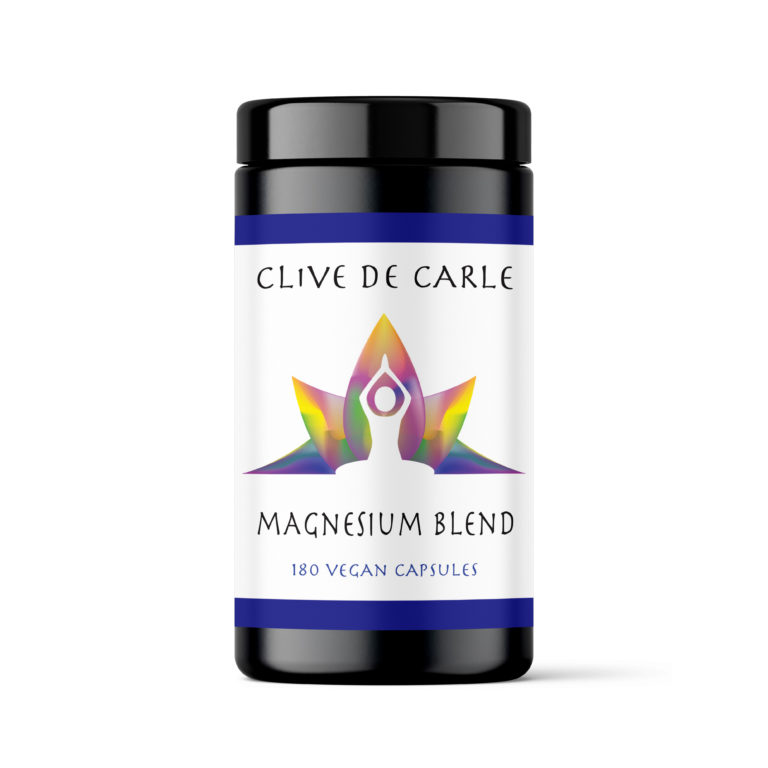
Magnesium Blend – The Most Important Mineral
A high-bioavailability mineral blend designed to support over 300 essential biochemical reactions, from energy production to muscle relaxation. This formula helps combat daily fatigue while providing the foundational support your nervous system and bones require.
Vetting Notes
Pending
Dysfunction usually manifests in two ways: a valve stuck open (allowing colonic reflux) or a valve stuck closed (causing stasis and toxicity). Both conditions are frequently driven by an imbalance in the mineral and phospholipid signals required for smooth muscle relaxation.
Magnesium: The Natural Calcium Channel Blocker
Magnesium is the fourth most abundant mineral in the body and acts as a cofactor for over 300 enzymatic reactions. In the realm of myology (muscle study), magnesium is the physiological antagonist to calcium. For a muscle to contract, calcium ions must enter the cytoplasm of the muscle cell, binding to proteins that trigger the 'ratcheting' of muscle fibers. For a muscle to relax, magnesium must compete with calcium for these binding sites and facilitate the sequestration of calcium back into the sarcoplasmic reticulum.
In the ileocecal sphincter, a localized magnesium deficiency leads to 'hyper-tonicity.' Without sufficient magnesium to dampen the excitatory signals of calcium, the sphincter can become chronically spasmed. This state not only prevents the timely passage of waste but can also lead to referred pain in the lower right quadrant of the abdomen, often misidentified as appendicitis or ovarian discomfort. From a biochemical perspective, the ICV requires a high magnesium-to-calcium ratio to maintain the flexibility needed for the 'ileocecal reflex.'
Myo-inositol: The Phospholipid Signaling Orchestrator
While magnesium manages the electrochemical gradient of the muscle cell, myo-inositol manages the intracellular signaling pathways. Myo-inositol is a carbocyclic sugar that serves as a precursor for phosphatidylinositol phosphate (PIP2), a key component of the cell membrane.
When the nervous system signals the ileocecal valve to relax, it often does so via the secondary messenger system involving Inositol Trisphosphate (IP3). Myo-inositol is essential for the structural integrity of these signaling molecules. Furthermore, myo-inositol plays a critical role in insulin sensitivity. Because the enteric nervous system is highly sensitive to insulin signaling, deficiencies in inositol can lead to 'neuropathic' signaling errors within the gut, where the sphincter fails to receive or process the signal to open.
Moreover, myo-inositol has been shown to modulate the sensitivity of serotonin (5-HT) receptors in the gut. Since serotonin is a major regulator of intestinal motility and sphincter tone, the presence of inositol ensures that the ICV does not react over-zealously to neurotransmitter fluctuations, providing a stabilizing effect on the valve's rhythmic movement.
The Synergy: Preventing Retrograde Toxicity
The combination of magnesium and myo-inositol creates a biochemical environment conducive to 'neuro-muscular harmony.' Magnesium provides the physical mechanism for the muscle fibers to let go, while myo-inositol ensures the message to 'let go' is transmitted clearly through the phospholipid membranes of the enteric neurons.
When these two nutrients are deficient, the result is often 'ICV Syndrome.' In this state, the valve may stay intermittently open or closed. If it remains open, 'leaky gut' symptoms are exacerbated as billions of bacteria from the large intestine migrate into the small intestine. This produces the gas, bloating, and nutrient malabsorption characteristic of SIBO. If it remains closed, the ileum becomes a site of fermentation and putrefaction, leading to the absorption of endotoxins (LPS) into the portal circulation—a process known as autointoxication.
Root Causes of Depletion
Why are these two nutrients so frequently lacking in the modern British diet?
- —Chronic Stress: Stress triggers the release of cortisol and adrenaline, which causes the rapid excretion of magnesium through the kidneys (the 'magnesium drain').
- —High Glucose Intake: High sugar consumption competes with myo-inositol for uptake into cells, as they share similar transport mechanisms. This is particularly problematic for those with insulin resistance.
- —Soil Depletion: Modern intensive farming in the UK and beyond has significantly reduced the magnesium content in leafy greens and grains.
- —Phytic Acid: Diets high in unfermented grains and legumes contain phytates that can bind to magnesium in the digestive tract, preventing its absorption at the very site where it is needed most.
Practical Strategies for ICV Health
To restore the biochemical integrity of the ileocecal valve, a multifaceted approach is required:
- —Magnesium Supplementation: Magnesium glycinate or malate are preferred for their high bioavailability and lower likelihood of causing osmotic diarrhea, which could further irritate a sensitive ICV.
- —Myo-inositol Loading: Supplemental myo-inositol (often in powder form) can help 'reset' the signaling pathways, particularly in individuals with metabolic dysfunction.
- —Visceral Manipulation: Manual therapy to physically release the ICV can be effective, but its results are often temporary if the underlying magnesium deficiency is not corrected.
- —Vagal Tone Support: Since the Vagus nerve influences the ICV, practices such as deep diaphragmatic breathing and cold-water immersion can support the neurological 'software' that directs the magnesium 'hardware.'
Conclusion
The ileocecal valve is more than a simple flap of tissue; it is a sophisticated biochemical sensor and effector. By ensuring adequate levels of magnesium to facilitate muscle relaxation and myo-inositol to safeguard cellular signaling, we can support the root-cause resolution of various digestive complaints. In the landscape of INNERSTANDING health philosophy, we recognize that when the gatekeeper is well-nourished, the entire internal ecosystem thrives.
This article is provided for informational and educational purposes only. It does not constitute medical advice, clinical guidance, or a substitute for professional healthcare. Information reflects cited research at time of publication. Always consult a qualified healthcare professional before acting on any health information.
RESEARCH FOUNDATIONS
Biological Credibility Archive
Citations provided for educational reference. Verify via PubMed or institutional databases.
Medical Disclaimer
The information in this article is for educational purposes only and does not constitute medical advice, diagnosis, or treatment. Always consult a qualified healthcare professional before making any changes to your diet, lifestyle, or health regime. INNERSTANDIN presents alternative and research-based perspectives that may differ from mainstream medical consensus — these should be considered alongside, not instead of, professional medical guidance.
Read Full DisclaimerReady to learn more?
Continue your journey through our classified biological research.
DISCUSSION ROOM
Members of THE COLLECTIVE discussing "Nutritional Biochemistry of the Ileocecal Sphincter: The Essentiality of Magnesium and Myo-inositol for Proper Valve Relaxation"
SILENT CHANNEL
Be the first to discuss this article. Your insight could help others understand these biological concepts deeper.
THE ARSENAL
Based on Ileocecal Valve Health — products curated by our research team for educational relevance and biological support.
Magnesium Blend – The Most Important Mineral
Magnesium L-Threonate
Energy Blend Supports
INNERSTANDING may earn a commission on purchases made through these links. All products are selected based on rigorous educational relevance to our biological research.
RABBIT HOLE
Follow the biological thread deeper
