
Obstetric Violence: The Biological Impact of Non-Consensual Intervention
Updated May 2026
Obstetric violence induces a physiological fight-or-flight response that stalls labor and increases intervention risk. Understanding these biological pathways is crucial for improving maternal outcomes in the UK.
Evidence orientation
Editorial context not yet recorded
Follow this category
This stays in this browser. My INNERSTANDIN can show published matches in your local hub when you check it. It does not send email, push, or alert notifications.
Local learning review
A private browser aid for revisiting ideas. It is not an alert or a health recommendation.
Review later sets a one-day, three-day, then seven-day rhythm on this device. Choose it only when you want to revisit this article.
Overview
For decades, the discourse surrounding childbirth has been dominated by a clinical paradigm that prioritises mechanical outcomes over biological integrity. In the United Kingdom and across the Western world, the term obstetric violence (OV) has emerged not merely as a sociological critique, but as a vital biological emergency. As a senior biological researcher, it is my duty to illuminate the hidden reality: obstetric violence—defined as the appropriation of the body and reproductive processes by health personnel, expressed through dehumanising treatment or the pathologisation of natural processes—is a physiological disruptor of the highest order.
When a labouring woman is subjected to non-consensual interventions, such as forced vaginal examinations, the administration of synthetic oxytocin without informed consent, or the denial of mobility, her body does not merely register a "bad experience." It initiates a profound neuro-endocrine shift. The mammalian birth process is a finely tuned orchestral performance of hormones, orchestrated by the oldest parts of our brain. When this process is interrupted by perceived threat, the biological consequences are immediate, cascading from the maternal brain to the foetal cellular architecture.
This article explores the systemic failure of modern maternity care to respect the biological imperative of safety. We will examine how the "cascade of intervention" is often a direct result of iatrogenic stress—stress caused by the medical environment itself—and how this trauma replicates at the cellular level, potentially altering the health trajectories of both mother and child for a lifetime.
The Biology — How It Works
To understand obstetric violence, one must first understand the neuro-endocrine blueprint of birth. Labour is governed by the primitive brain—the hypothalamus and the brainstem—which we share with all mammals. These structures are sensitive to environmental cues of safety or danger.
The Oxytocin-Adrenaline Antagonism
The primary driver of labour is Oxytocin, often called the "hormone of love." For oxytocin to be secreted in the high pulses required for effective uterine contractions, the neocortex (the rational, thinking brain) must be quieted, and the parasympathetic nervous system must be dominant.
When a woman experiences obstetric violence—be it through coercive language, physical restraint, or non-consensual touching—the body perceives an apex predator threat. This triggers the immediate release of Catecholamines (Adrenaline and Noradrenaline). In the context of evolution, if a labouring mammal is threatened, her body must halt labour so she can flee to safety.
Key Fact: High levels of adrenaline during the first stage of labour can divert blood flow away from the uterus and the placenta to the maternal skeletal muscles, effectively stalling cervical dilation and reducing oxygen supply to the foetus.
This is the "Fight-or-Flight" response. In a modern obstetric setting, the mother cannot flee. She is trapped in a state of tonic immobility or "freeze" response. Biologically, this creates a state of "uterine dystocia"—slow or stalled labour. Ironically, the medical response to this stalled labour is often more intervention (synthetic oxytocin/Pitocin), which further violates the mother’s autonomy and accelerates the trauma cycle.
The Neocortical Inhibition
The human brain is unique due to our highly developed neocortex. However, during birth, the neocortex is a hindrance. Michel Odent, the renowned obstetrician, has long argued that for birth to proceed safely, the mother must be allowed to go into a "different planet"—a state of altered consciousness.
Obstetric violence, characterised by frequent interruptions, bright lights, and the demand for rational communication (e.g., "sign this form while you are in transition"), forces the neocortex to stay active. This "neocortical inhibition" blocks the release of endogenous endorphins, which are the body’s natural opiates. Without these endorphins, the pain of labour becomes unbearable and traumatic, rather than transformative.
Mechanisms at the Cellular Level
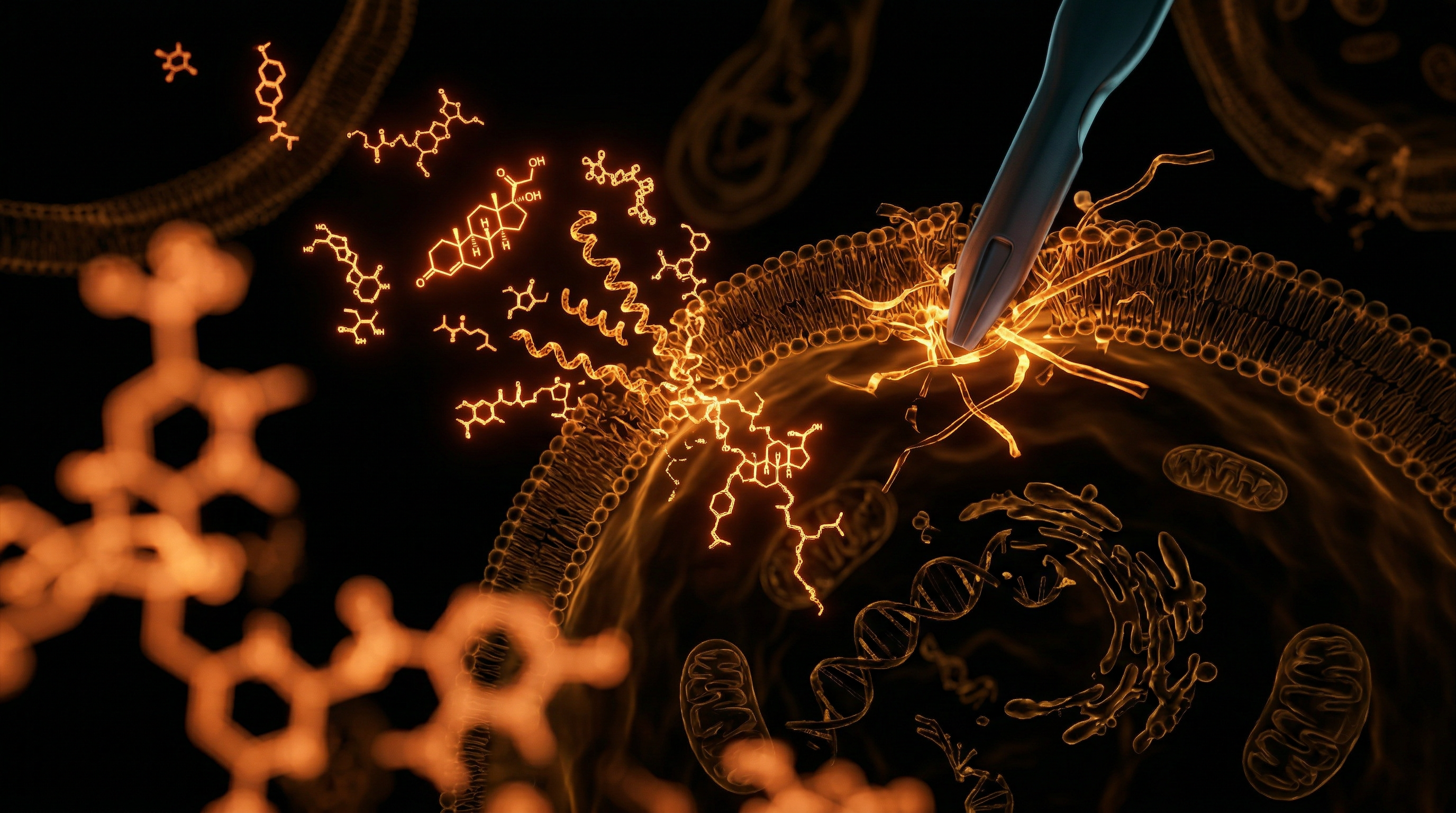
The impact of obstetric violence is not merely psychological; it is etched into the very cells of the mother and the neonate. We are now beginning to understand the epigenetic consequences of birth trauma.
The HPA Axis and Cortisol Flooding
The Hypothalamic-Pituitary-Adrenal (HPA) axis is the body's central stress response system. Non-consensual interventions trigger an overactive HPA axis. Excess Cortisol (the stress hormone) crosses the placental barrier. While some cortisol is necessary for foetal lung maturation, pathologically high levels during a traumatic delivery can "programme" the foetal HPA axis to be hyper-reactive.
- Glucocorticoid Receptor Sensitisation: Traumatic birth experiences have been linked to changes in the methylation of the NR3C1 gene in infants. This gene regulates glucocorticoid receptors; its alteration can lead to a lifetime of impaired stress regulation.
- Oxytocin Receptor Desensitisation: The use of high-dose synthetic oxytocin (Syntocinon in the UK) to "correct" a labour stalled by maternal fear can saturate and desensitise the mother's natural oxytocin receptors. This may impair the mother’s ability to bond postnatally and can interfere with the "maternal instinct" pathways in the brain.
Mitochondrial Stress
Emerging research suggests that the physiological stress of obstetric violence can lead to mitochondrial dysfunction. The mitochondria, our cellular powerhouses, are highly sensitive to oxidative stress. The intense, non-physiological contractions caused by synthetic induction—often forced upon women without true medical indication—can create periods of foetal hypoxia (oxygen deprivation), leading to the release of reactive oxygen species (ROS) that damage cellular DNA.
Environmental Threats and Biological Disruptors
The modern labour ward is often a biological minefield. For a labouring woman, the environment is the "third parent," and when that environment is hostile, the biology of birth is disrupted.
The Panopticon of the Hospital Ward
The feeling of being watched—surveillance—is a biological disruptor. The routine use of Continuous Electronic Foetal Monitoring (CEFM) in low-risk pregnancies is a primary example. While marketed as a safety tool, for many women, it becomes a "digital tether" that prevents movement.
- Movement Restriction: Gravity is a biological ally in birth. Forcing a woman to remain in the lithotomy position (on her back) reduces the pelvic outlet by up to 30%. This is often done for the convenience of the practitioner, not the safety of the mother.
- The "Vaginal Exam" as a Trigger: Non-consensual or frequent vaginal examinations are a form of biological intrusion. The cervix is a sphincter; like the anus, it does not open well under observation or duress. Forcing an exam against a woman's will can cause the cervix to "clamp down," a phenomenon known as cervical dystocia.
Iatrogenic Language
Words are biological signals. When a midwife or doctor says, "Your body isn't working," or "We need to get this baby out now," they are sending signals of failure to the mother's brain. This induces a state of nocebo—the opposite of placebo—where the expectation of failure leads to physiological dysfunction.
Statistic: Studies have shown that women who report feeling "unsupported" or "threatened" during labour are 50% more likely to require an emergency Caesarean section compared to those who feel safe and respected.
The Cascade: From Exposure to Disease
Obstetric violence rarely occurs as a single, isolated event; it is usually a cascade of intervention. This cascade is the biological pathway from a healthy, physiological process to a medicalised, pathological event.
- The Trigger: A woman is told she is "failing to progress" because she hasn't met the arbitrary 1cm-per-hour rule (the Friedman Curve, which has been largely debunked but is still used in many UK trusts).
- The Disruption: Without informed consent, her membranes are ruptured (ARM). This increases the intensity of pain and removes the protective cushion for the foetal head.
- The Escalation: The sudden increase in pain leads to a request for an epidural. The epidural numbs the pelvic floor, removing the mother's urge to push and further stalling labour.
- The Intervention: Synthetic oxytocin is started to force the uterus to contract. Because the mother cannot feel the contractions, the dosage is often pushed to supra-physiological levels.
- The Crisis: The foetus, stressed by the hyper-stimulation of the uterus, shows signs of distress (late decelerations on the monitor).
- The Trauma: An emergency C-section or instrumental delivery (forceps/ventouse) is performed. Often, in the heat of the "emergency"—which was iatrogenically created—consent is bypassed entirely.
Long-term Pathological Outcomes
The biological cost of this cascade extends far beyond the delivery room.
- Post-Traumatic Stress Disorder (PTSD): Approximately 4-6% of women develop clinical PTSD after birth, with much higher numbers experiencing "birth trauma." This is a biological injury to the brain's processing of memory.
- Postpartum Depression (PPD): The crash in hormones following a traumatic birth, combined with the lack of endogenous oxytocin, creates a neurochemical environment ripe for depression.
- Autoimmune Issues: There is increasing evidence that the massive inflammatory response triggered by traumatic birth and major surgery can act as a trigger for latent autoimmune conditions in genetically susceptible individuals.
What the Mainstream Narrative Omits
The mainstream medical narrative focuses almost exclusively on the "Healthy Baby" fallacy. We are told that "as long as the baby is healthy, nothing else matters." From a biological and evolutionary perspective, this is a dangerous lie.
The Maternal Brain Matters
The mother's brain undergoes "matrescence"—a period of neuroplasticity as significant as adolescence. Obstetric violence interrupts this process. The "pruning" of the brain that occurs during pregnancy is meant to prepare the mother for attachment. When that process is marred by violence and trauma, the "attachment circuitry" (including the medial preoptic area of the hypothalamus) can be compromised.
The Microbiome Theft
In a physiological birth, the infant is seeded with the mother’s vaginal and faecal microbiota. This is the foundation of the infant's immune system. Obstetric violence often leads to unnecessary C-sections or the prophylactic use of antibiotics during labour. This results in "dysbiosis"—a disruption of the infant's microbiome that is linked to higher rates of asthma, allergies, and obesity later in life. The mainstream narrative treats the C-section as a "different door," ignoring the complex biological exchange that occurs during a vaginal passage.
The Silencing of Maternal Instinct
Mainstream obstetrics often views maternal instinct as an unscientific nuisance. Biologically, however, a mother's intuition is the result of thousands of years of evolutionary tuning. When a woman is gaslit—told she is not in pain when she is, or told she must lie down when her body screams to move—it creates a state of cognitive dissonance. This undermines her confidence in her biological signals, which can have devastating effects on her confidence as a parent.
The UK Context
The United Kingdom’s National Health Service (NHS) is currently facing a crisis in maternity care. While the UK remains one of the safest places to give birth in terms of mortality, the quality of the birth experience is under intense scrutiny.
The Ockenden and Kirkup Reports
Recent inquiries into UK maternity services—most notably the Ockenden Report (Shrewsbury and Telford) and the Kirkup Report (East Kent)—have exposed a culture of systemic failure. While these reports often highlight "failures in clinical care," they also reveal a deep-seated culture of obstetric violence where women’s voices were systematically ignored.
Important Quote: "The failure to listen to women and their families is a recurring theme in every maternity scandal in the history of the NHS." — The Ockenden Report (2022).
The Birth Trauma Inquiry (2024)
The UK Parliament's recent Birth Trauma Inquiry heard harrowing evidence from thousands of women. The findings were clear: obstetric violence is not an outlier; it is a feature of a system that is overstretched, underfunded, and still steeped in paternalism. The "Postcode Lottery" means that in some UK trusts, the rate of intervention is double that of others, suggesting that interventions are driven by hospital policy rather than maternal or foetal biology.
The Midwifery Crisis
In the UK, midwives are the "guardians of normal birth." However, the current staffing crisis means that many midwives are forced to work in "obstetric mode"—managing machines and paperwork rather than supporting the woman. This loss of one-to-one care is a primary driver of the biological stress response in labouring women. When a woman does not know or trust her caregiver, her oxytocin levels drop.
Protective Measures and Recovery Protocols
How do we protect the biological process of birth in an environment that is often hostile to it? And how do we heal when the damage has already been done?
Protective Measures: The Biological Shield
- Continuity of Carer: This is the gold standard of maternity care. Having a known midwife reduces the "threat response" and increases endogenous oxytocin. The UK government has pledged to implement this, but progress has been slow.
- The Doula Effect: A doula provides continuous emotional and physical support. Their presence acts as a "buffer" against the hospital environment, lowering maternal cortisol levels and reducing the need for intervention by up to 50%.
- Birth Preferences (The "Biological Plan"): Rather than a "plan" (which can be "ruined"), women should create a list of biological preferences. This includes: minimal lighting, no interruptions during contractions, delayed cord clamping, and "Golden Hour" skin-to-skin contact.
- Informed Consent (BRAIN): Every intervention should be filtered through the BRAIN acronym:
- Benefits
- Risks
- Alternatives
- Intuition
- Nothing (What happens if we do nothing?)
Recovery Protocols: Healing the Nervous System
For those who have experienced obstetric violence, recovery is a process of re-regulating the nervous system.
- Somatic Experiencing: Trauma is stored in the body. Somatic therapies help "thaw" the freeze response that often occurs during obstetric violence.
- Closing the Bones: A traditional postnatal ritual used in many cultures (and gaining popularity in the UK) that involves wrapping the mother’s pelvis and body. Biologically, this provides the "deep pressure" input needed to calm the sympathetic nervous system.
- Microbiome Restoration: If the birth involved heavy intervention or a C-section, "seeding" or the use of specific postnatal probiotics can help restore the maternal and infant microbiome.
- Oxytocin Re-sensitisation: Spending extended periods of skin-to-skin contact with the baby, even months after the birth, can help "reset" the oxytocin pathways and aid in bonding.
Summary: Key Takeaways
The biology of birth is a delicate, ancient process that requires a sense of safety, privacy, and autonomy. Obstetric violence—through its use of coercion, non-consensual intervention, and dehumanisation—acts as a direct biological toxin.
- Obstetric violence is a physiological event. It triggers a catecholamine surge that stalls labour and creates a "cascade of intervention."
- The impact is cellular. Traumatic birth can alter epigenetic markers and "programme" the infant’s stress response (HPA axis) for life.
- The environment is a disruptor. Modern hospital settings often inhibit the "love hormone" (oxytocin) and activate the "rational brain" (neocortex), making birth more difficult and painful.
- The UK system is in crisis. Reports like Ockenden prove that failing to listen to women is a systemic issue with fatal and traumatic consequences.
- Healing is possible. Through somatic therapies, continuity of care, and a return to physiological principles, we can begin to repair the damage caused by a medical system that has forgotten its biological roots.
As we move forward, the goal of maternity care must shift. We must move beyond the "healthy baby" metric and recognise that a physiologically intact mother is the foundation of a healthy society. Anything less is not just a failure of care; it is a violation of our most fundamental biological imperatives.
This article is provided for informational and educational purposes only. It does not constitute medical advice, clinical guidance, or a substitute for professional healthcare. Information reflects cited research at time of publication. Always consult a qualified healthcare professional before acting on any health information.
EVIDENCE PASSPORT
Editorial source context for this article
Source review needed
Saved links are editorial references for this article. They may support specific claims rather than every sentence. Open and assess each source in context. This passport does not independently verify them.
Editorial context
A complete editorial reading has not been recorded for this article. Source links remain available for you to open and assess directly.
Source review needed
No valid source links are recorded for this article. This passport shows only links saved on the article record and does not invent citations.
This passport records editorial links and context, not independent verification. Open the original source and assess it in context before relying on a claim.
Medical Disclaimer
The information in this article is for educational purposes only and does not constitute medical advice, diagnosis, or treatment. Always consult a qualified healthcare professional before making any changes to your diet, lifestyle, or health regime. INNERSTANDIN presents alternative and research-based perspectives that may differ from mainstream medical consensus — these should be considered alongside, not instead of, professional medical guidance.
Read Full DisclaimerContinue the thread
Keep this question moving.
Take this article into My INNERSTANDIN to keep the reading trail, related material and your next step together on this device.
Dig deeper in the Library
Free, longform PDF volumes that go beyond headlines into mechanisms and references.