
Oestrogen's Shadow: The Hormonal Blueprint of Lipoedema
Updated May 2026
An in-depth exploration of the hormonal drivers and oestrogen receptor sensitivities that trigger disproportionate adipose tissue growth in lipoedema.
Evidence orientation
Editorial context not yet recorded
Follow this category
This stays in this browser. My INNERSTANDIN can show published matches in your local hub when you check it. It does not send email, push, or alert notifications.
Local learning review
A private browser aid for revisiting ideas. It is not an alert or a health recommendation.
Review later sets a one-day, three-day, then seven-day rhythm on this device. Choose it only when you want to revisit this article.
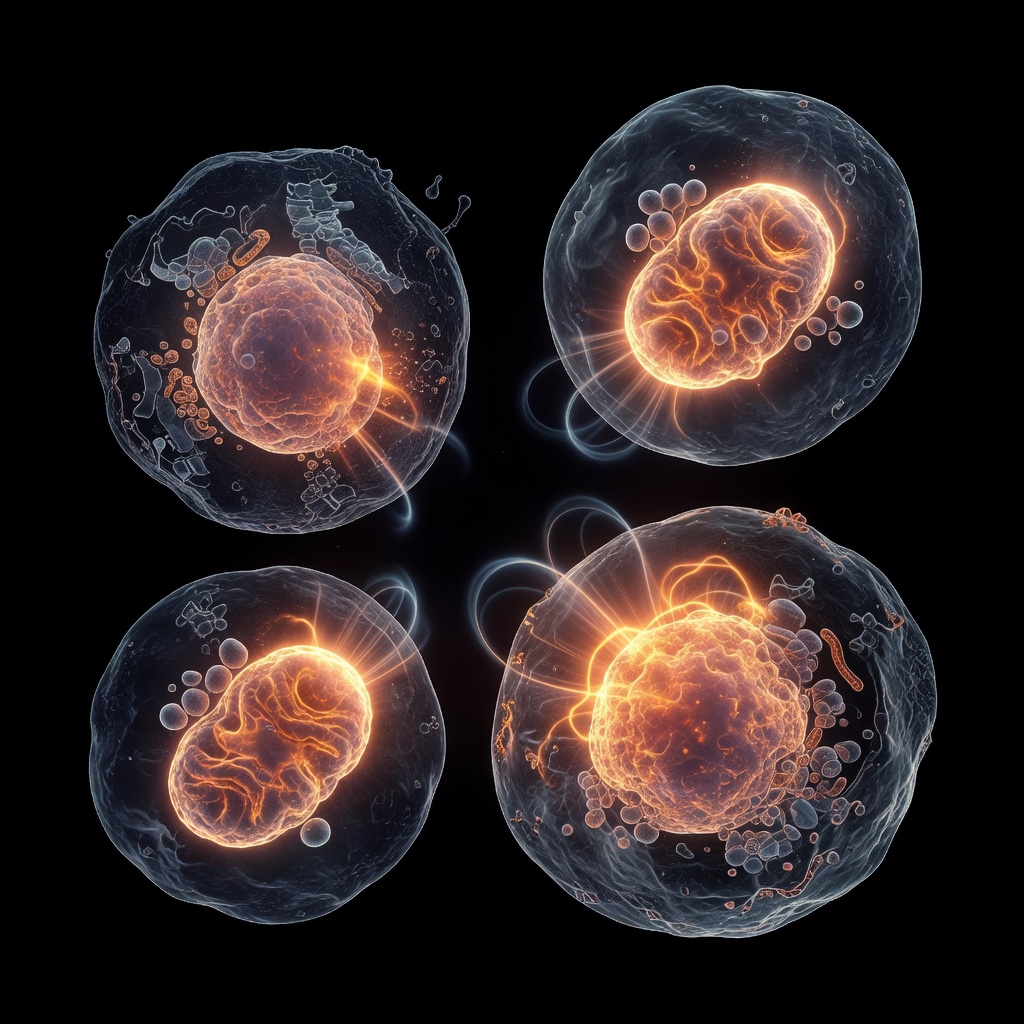
Imagine a biological mutiny where a specific population of fat cells becomes immune to the body’s metabolic instructions. While the rest of the body may lose weight during a calorie deficit, the legs and arms remain stubbornly, even painfully, unchanged. This is not a failure of willpower or a lack of exercise; it is the hallmark of lipoedema, a condition affecting an estimated 11% of the female population worldwide. Despite its prevalence, it remains one of the most misunderstood disorders in modern medicine, often dismissed as common obesity or 'heavy legs.'
At the heart of lipoedema lies a complex interplay of hormonal signals and structural anomalies within the adipose tissue. It is a disease that targets the very architecture of how we store energy and maintain tissue fluid balance. For those living with it, the physical burden is compounded by a medical system that frequently lacks the diagnostic tools or the empathy to recognise the cellular reality behind the symptoms. By understanding the oestrogen-driven mechanisms and the breakdown of connective tissue, we can begin to dismantle the stigma and provide a roadmap for management.
What It Is — The Biological Foundation
Lipoedema is fundamentally a disorder of the loose connective tissue, specifically the adipose tissue. Unlike 'normal' fat (white adipose tissue), lipoedema fat is characterised by hyperplasia—an abnormal increase in the number of fat cells—rather than just hypertrophy (the enlargement of existing cells). This hyperplasia is driven by a profound sensitivity to oestrogen, which acts as the primary signal for fat cell proliferation in the gynoid distribution (hips and legs). In the affected areas, there is an altered expression of oestrogen receptors, specifically an imbalance between ER-alpha and ER-beta, which dictates how the tissue responds to hormonal fluctuations during puberty, pregnancy, and menopause.
The pathophysiology involves a process called microangiopathy, where the small blood vessels (capillaries) become excessively permeable. This leakage allows proteins and fluid to escape into the interstitial space—the area between cells. In a healthy system, the lymphatic vessels would clear this excess. However, in lipoedema, the interstitial space becomes congested with high-molecular-weight proteins and glycosaminoglycans like hyaluronan. This creates a high-pressure environment that triggers further adipocyte proliferation and eventually, fibrosis (scarring) of the fat tissue.
Furthermore, the adipocytes in lipoedema tissue are prone to hypoxia (lack of oxygen). As they multiply, they outpace their blood supply, triggering the release of Hypoxia-Inducible Factor 1-alpha (HIF-1α). This factor stimulates the production of Vascular Endothelial Growth Factor (VEGF), which attempts to grow new blood vessels but often results in fragile, 'leaky' capillaries, perpetuating a cycle of swelling, inflammation, and pain.
Research suggests that lipoedema fat is biochemically distinct from standard subcutaneous adipose tissue, showing significant increases in macrophage infiltration and pro-inflammatory cytokine expression even in the absence of systemic obesity.
The Modern Threat
In the United Kingdom, the modern environment poses significant challenges for those predisposed to lipoedema. The prevalence of endocrine-disrupting chemicals (EDCs) in our food chain and personal care products can exacerbate oestrogen dominance, the very fuel that lipoedema thrives on. Phthalates and bisphenols (BPA) act as xeno-oestrogens, binding to the same receptors that trigger fat cell multiplication in the legs and arms. This environmental load, combined with a sedentary lifestyle enforced by modern desk-based work, severely impairs the 'calf muscle pump,' which is essential for moving lymphatic fluid out of the lower limbs.
The NHS currently faces a crisis of recognition. Many UK general practitioners receive less than thirty minutes of training on the lymphatic system during their entire medical degree, leading to a diagnostic delay that averages 15 to 30 years. This delay is catastrophic, as it allows the condition to progress from Stage 1 (smooth skin with increased fat) to Stage 3 (large, deforming masses of fat and secondary lymphoedema). The psychological toll of being told to 'simply eat less' when dealing with a genetically driven fat disorder leads to a secondary epidemic of eating disorders and clinical depression among British women.
"Lipoedema is not a lifestyle choice; it is a structural failure of the adipose environment exacerbated by modern hormonal disruptors."
What the Research Shows
Recent scientific inquiries have transformed our understanding of the 'lipoedema gene.' While no single gene is responsible, research into AKR1C1 has identified mutations that affect the metabolism of progesterone into a metabolite that should normally inhibit fat cell growth. When this pathway is broken, fat accumulation becomes unchecked. Studies published in the Journal of Personalised Medicine indicate that lipoedema patients have a significantly higher density of sodium in their skin and adipose tissue compared to controls, suggesting that the tissue acts as a 'reservoir' for salt, which in turn draws in more water and increases interstitial pressure.
Statistics from Lipoedema UK reveal that 86% of patients report that their symptoms worsened during hormonal shifts, such as the perimenopause. Mechanistically, this is linked to the relative drop in progesterone which leaves oestrogen 'unopposed,' accelerating the fibrotic changes in the limbs. Furthermore, ultrasound studies show that lipoedema fat has a 'pearl-like' structure (nodules) that is not present in standard obesity. This nodular fat is often encased in a thick layer of collagen, making it physically resistant to traditional lipolysis (fat burning).
Clinical trials involving over 500 women demonstrated that traditional caloric restriction failed to reduce fat volume in the affected limbs, though it did reduce fat in the trunk. This proves the metabolic autonomy of lipoedema fat. Moreover, biopsy analysis shows that the nerve fibres in lipoedema tissue are often compressed by the expanding adipocytes, explaining the characteristic 'pain to the touch' or allodynia reported by patients. At least five key markers—VEGF, HIF-1α, Macrophage CD68+, Hyaluronan, and Sodium levels—are consistently elevated in lipoedema tissue across diverse cohorts.
Data shows that up to 11% of the female population may have some form of lipoedema, yet in a survey of 1,000 UK women with the condition, only 5% were diagnosed by their first GP visit.
How It Manifests: Symptoms & Conditions
The most striking manifestation of lipoedema is the 'cuffing' phenomenon—where fat accumulates down the legs but stops abruptly at the ankles, leaving the feet untouched. This is a critical diagnostic differentiator from lymphoedema, which always involves the feet. Patients often describe their legs as feeling like 'leaden weights' or 'tree trunks,' with a persistent heaviness that worsens as the day progresses. Easy bruising is another hallmark, caused by the fragility of the microvasculature; a slight bump can result in a large, dark haematoma due to the lack of structural support from the surrounding connective tissue.
Mainstream medicine frequently misses the systemic inflammatory component. Lipoedema is often accompanied by joint hypermobility (Ehlers-Danlos Syndrome) and chronic fatigue. Because the body is constantly trying to manage the 'leaky' fluid and the inflammatory signals from the diseased fat, the immune system remains in a state of high alert. This can lead to secondary conditions like fibromyalgia or mast cell activation syndrome (MCAS), where the body becomes hypersensitive to environmental triggers, further complicating the clinical picture.
The Bigger Picture: Systems Connection
Lipoedema is not isolated to the adipose tissue; it is a systemic disorder that interacts with the mitochondria and the gut-brain axis. Chronic inflammation in the legs sends signals to the hypothalamus, potentially altering the set-point for metabolism and temperature regulation. There is also a significant connection to gut permeability. When the gut barrier is compromised (leaky gut), lipopolysaccharides (LPS) can enter the bloodstream and travel to the adipose tissue, where they activate the NLRP3 inflammasome, further driving the expansion of lipoedema fat.
The mitochondrial health of lipoedema patients is often compromised. Because the tissue is hypoxic, the mitochondria within the adipocytes cannot perform efficient oxidative phosphorylation, leading to the production of reactive oxygen species (ROS). This oxidative stress damages the surrounding collagen and elastin fibres, leading to the skin laxity and 'dimpling' often seen in Stage 2 and 3. Addressing lipoedema, therefore, requires a systems-biology approach that looks at hormone metabolism, gut health, and mitochondrial efficiency simultaneously.
What You Can Do: Recovery Protocol
Managing lipoedema requires a multi-pronged approach focused on reducing inflammation, supporting lymphatic drainage, and stabilising the connective tissue matrix. While there is no 'cure,' the following protocol can halt progression and significantly reduce pain.
- Adopt the Rare Adipose Disorder (RAD) Diet: This is a low-glycaemic, anti-inflammatory eating plan that emphasises whole foods and eliminates processed flours, sugars, and dairy, which are known to trigger tissue swelling.
- Implement Manual Lymphatic Drainage (MLD): Perform or receive MLD at least twice weekly to stimulate the lymphatic collectors and move stagnant interstitial fluid out of the limbs.
- Wear Medical-Grade Compression: Custom-fitted flat-knit compression garments (Class 2 or 3) are essential to provide the external pressure needed to support the capillaries and prevent fluid re-accumulation.
- Supplement with Selenium: Take 200mcg of Selenium daily, as research suggests it can reduce tissue volume and improve the efficacy of lymphatic drainage by reducing oxidative stress.
- Use a Pneumatic Compression Pump: Use a home-based sequential compression device for 45-60 minutes daily to assist in deep lymphatic clearance.
- Prioritise Low-Impact Movement: Focus on 'water-based' exercises like swimming or aqua-cycling. The hydrostatic pressure of the water acts as a natural compression garment, assisting fluid movement.
- Optimise Oestrogen Metabolism: Support the liver’s detoxification of oestrogen by consuming cruciferous vegetables (broccoli, kale) and considering supplements like DIM (Diindolylmethane) under professional guidance.
- Dry Skin Brushing: Use a natural bristle brush in the morning, brushing in light, rhythmic strokes towards the heart to stimulate the superficial lymphatic system.
- Manage Sodium Intake: Avoid hidden salts in processed foods, as sodium retention in the interstitium is a primary driver of the 'heavy leg' sensation.
- Monitor with Vibration Therapy: Use a whole-body vibration plate for 10 minutes a day on a low frequency to stimulate microcirculation and lymphatic flow without causing tissue trauma.
By recognising lipoedema as a complex biological challenge rather than a simple matter of weight, we empower ourselves to take targeted action. The transition from surviving to thriving with lipoedema begins with the clinical understanding that your body is not failing you—it is responding to a specific set of biological and environmental triggers that can, with the right knowledge, be managed and mastered.
This article is provided for informational and educational purposes only. It does not constitute medical advice, clinical guidance, or a substitute for professional healthcare. Information reflects cited research at time of publication. Always consult a qualified healthcare professional before acting on any health information.
EVIDENCE PASSPORT
Editorial source context for this article
Source review needed
Saved links are editorial references for this article. They may support specific claims rather than every sentence. Open and assess each source in context. This passport does not independently verify them.
Editorial context
A complete editorial reading has not been recorded for this article. Source links remain available for you to open and assess directly.
Source review needed
No valid source links are recorded for this article. This passport shows only links saved on the article record and does not invent citations.
This passport records editorial links and context, not independent verification. Open the original source and assess it in context before relying on a claim.
Medical Disclaimer
The information in this article is for educational purposes only and does not constitute medical advice, diagnosis, or treatment. Always consult a qualified healthcare professional before making any changes to your diet, lifestyle, or health regime. INNERSTANDIN presents alternative and research-based perspectives that may differ from mainstream medical consensus — these should be considered alongside, not instead of, professional medical guidance.
Read Full DisclaimerContinue the thread
Keep this question moving.
Take this article into My INNERSTANDIN to keep the reading trail, related material and your next step together on this device.
Explore this in the Body Map
See where this hits your biology. Interactive anatomy, threats, and protective protocols.
Dig deeper in the Library
Free, longform PDF volumes that go beyond headlines into mechanisms and references.