
Organoid Revolution: Modeling Human Disease Without Animal Testing
Updated May 2026
Stem cell-derived organoids are providing UK researchers with accurate 3D models of human organs. These 'mini-organs' are transforming how we test drugs and study developmental biology.
Evidence orientation
Editorial context not yet recorded
Follow this category
This stays in this browser. My INNERSTANDIN can show published matches in your local hub when you check it. It does not send email, push, or alert notifications.
Local learning review
A private browser aid for revisiting ideas. It is not an alert or a health recommendation.
Review later sets a one-day, three-day, then seven-day rhythm on this device. Choose it only when you want to revisit this article.
Overview
The landscape of biomedical research is currently undergoing a seismic shift, one that promises to dismantle the century-old reliance on animal models and replace them with a paradigm that is not only more ethical but significantly more accurate. This is the Organoid Revolution. For decades, the scientific community has operated under the shadow of a systemic failure: the "translation gap." We have cured cancer in mice thousands of times, yet over 90% of drugs that pass animal trials fail when they reach human clinical testing. This discrepancy arises from a fundamental biological truth—a mouse is not a human.
Organoids—three-dimensional, self-organised micro-tissues derived from human stem cells—are the bridge across this gap. These "mini-organs" mimic the structural and functional complexities of human organs, such as the brain, liver, kidneys, and lungs, with unprecedented fidelity. By utilizing induced Pluripotent Stem Cells (iPSCs), researchers can now grow a patient’s own biology in a petri dish, allowing for "personalised" medicine that was once the province of science fiction.
In the United Kingdom, this revolution is being spearheaded by leading institutions from the Francis Crick Institute to the University of Cambridge. The goal is clear: to move beyond the archaic and often misleading results of animal experimentation toward a human-centric model of discovery. This article explores the intricate biology of these systems, the environmental threats they are unmasking, and the uncomfortable truths about the mainstream research industry that have remained suppressed for too long.
Fact: Approximately 92% of drugs that appear safe and effective in animal studies fail in human clinical trials, often due to unforeseen toxicity or lack of efficacy in human biological systems.
The Biology — How It Works
The genesis of an organoid begins with the most versatile unit of life: the stem cell. Specifically, the field leverages two primary types: Embryonic Stem Cells (ESCs) and induced Pluripotent Stem Cells (iPSCs). The latter, pioneered by Shinya Yamanaka, allows researchers to "reprogramme" adult skin or blood cells back into a pluripotent state—essentially a biological blank slate capable of becoming any cell type in the human body.
The Power of Pluripotency
Pluripotency is the ability of a cell to differentiate into any of the three germ layers: the ectoderm (nervous system, skin), mesoderm (muscle, blood, bones), and endoderm (internal organs). In organoid culture, we provide these cells with a specific cocktail of growth factors and signalling molecules that mimic the natural embryonic environment. This process is known as directed differentiation.
3D Architecture and Self-Organisation
Unlike traditional 2D cell cultures, where cells grow in a flat monolayer on plastic, organoids are grown within a supportive 3D matrix, often a nutrient-rich hydrogel like Matrigel. This environment allows for self-organisation. When provided with the correct biochemical cues, stem cells do not just multiply; they communicate. Through juxtacrine and paracrine signalling, they arrange themselves into complex structures, developing internal cavities, branching patterns, and diverse cell populations that resemble a miniature version of the target organ.
Morphogenesis and Patterning
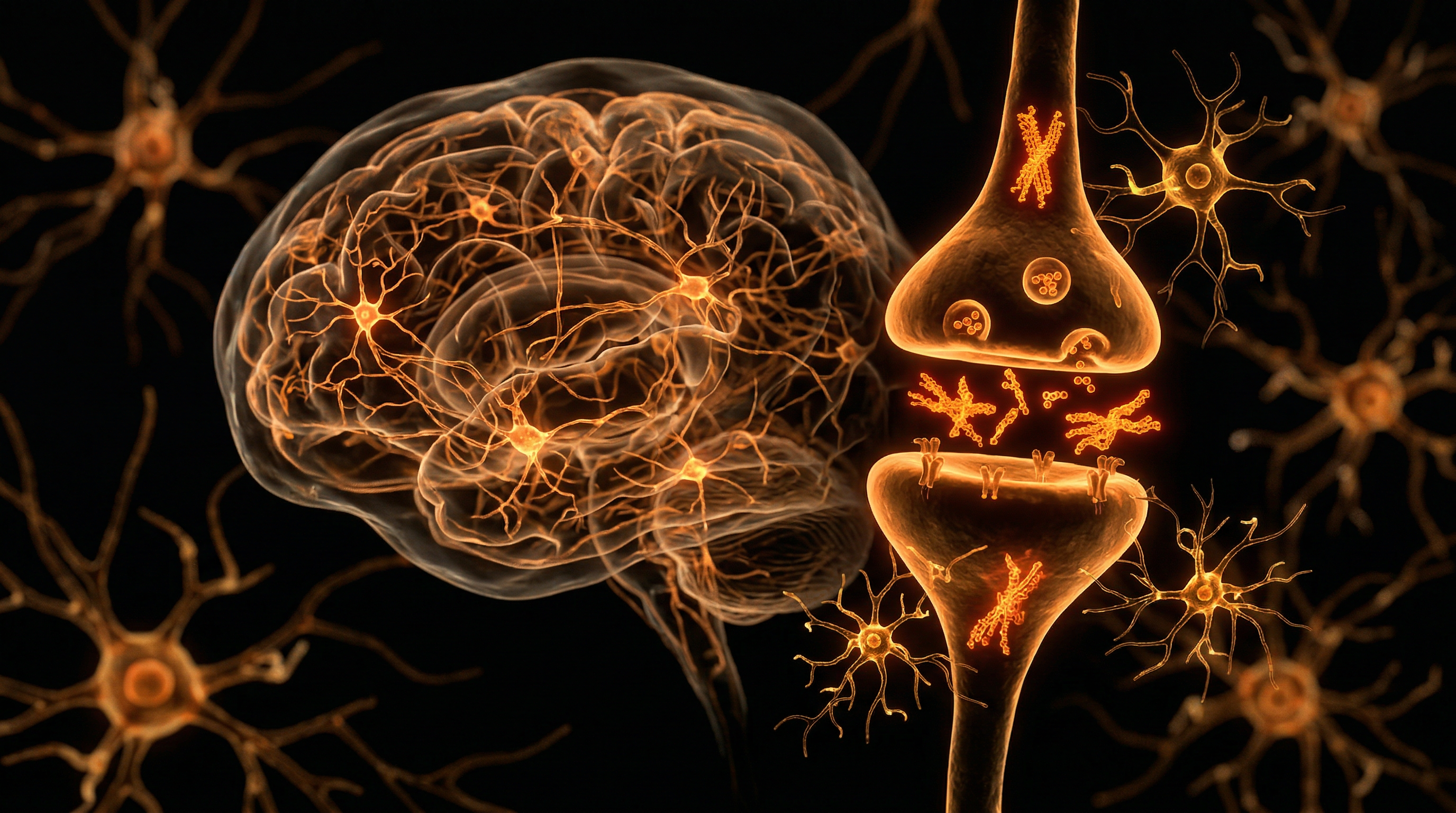
To create a cerebral organoid (a mini-brain), researchers inhibit the BMP and Wnt signalling pathways, pushing the cells toward a neural fate. Over weeks and months, these cells develop into discrete brain regions, including the cerebral cortex, midbrain, and hindbrain, exhibiting electrical activity and synaptic connections. Similarly, hepatic organoids (mini-livers) develop bile ducts and metabolic functions capable of processing toxins exactly as a human liver would.
- Neural Organoids: Model neurodevelopmental disorders like microcephaly and autism.
- Cardiomyocyte Organoids: Mimic the rhythmic beating and electrophysiology of the human heart.
- Intestinal Organoids: Feature the villi and crypts necessary for studying nutrient absorption and Crohn’s disease.
Mechanisms at the Cellular Level
At the heart of the organoid’s accuracy is its ability to replicate the microenvironment of human tissue. This involves complex interactions between different cell types and the Extracellular Matrix (ECM).
The Extracellular Matrix (ECM) Dynamics
The ECM is not merely a "glue" that holds cells together; it is a dynamic scaffolding that provides mechanical and chemical signals. In organoid models, the ECM's stiffness and composition dictate how cells migrate and mature. Researchers are now moving toward synthetic scaffolds to replace animal-derived Matrigel, ensuring that every variable is controlled and "humanised."
Cell-to-Cell Communication
Within an organoid, cells utilize specific pathways to maintain homeostasis:
- Notch Signalling: Crucial for determining cell fate and ensuring the correct ratio of different cell types within a tissue.
- Wnt/β-catenin Pathway: Regulates cell proliferation and the maintenance of the stem cell "niche."
- Hedgehog Pathway: Essential for organogenesis and the spatial arrangement of tissues.
The Role of Microfluidics: "Human-on-a-Chip"
While a single organoid is powerful, the human body is an integrated system. Enter Organ-on-a-Chip technology. By placing organoids into microfluidic devices, researchers can simulate blood flow and connect different "organs." For example, a "liver-chip" can be connected to a "kidney-chip" to observe how the liver metabolises a drug and how the kidney subsequently excretes the metabolites. This allows for the study of pharmacokinetics (what the body does to a drug) and pharmacodynamics (what the drug does to the body) without a single animal being harmed.
Statistic: Human-on-a-chip systems can predict human drug toxicity with an accuracy of up to 80-90%, compared to the 50-60% accuracy typically associated with animal models.
Environmental Threats and Biological Disruptors
The shift to human organoids has exposed a terrifying reality: many substances deemed "safe" by animal testing are significantly harmful to human cellular architecture. Animal models often have different metabolic rates, detoxification enzymes, and DNA repair mechanisms, which mask the true impact of environmental toxins.
Endocrine Disrupting Chemicals (EDCs)
Substances like Bisphenol A (BPA) and Phthalates are ubiquitous in modern life. In rodent models, the effects are often mitigated by higher levels of certain protective enzymes. However, in human endocrine organoids, these chemicals are shown to interfere directly with hormone receptors at much lower concentrations, leading to developmental abnormalities and metabolic dysfunction.
Microplastics and Nanoplastics
Recent studies using intestinal organoids have demonstrated that microplastics can penetrate the epithelial barrier, triggering chronic inflammation and altering the gut microbiome's "cross-talk" with the immune system. Animal models often excrete these particles more efficiently than humans, leading to a dangerous underestimation of the long-term bioaccumulation risks in the human population.
Glyphosate and Agricultural Runoff
The controversial herbicide glyphosate is a prime example of where animal testing fails. While many animal studies suggest low toxicity, human liver organoids have shown evidence of Non-Alcoholic Fatty Liver Disease (NAFLD) pathways being activated upon exposure. The organoids reveal mitochondrial stress and lipid accumulation that are specifically tuned to human metabolic pathways.
- Neurotoxins: Lead and mercury show distinct patterns of synaptic interference in human cerebral organoids that are not replicated in rat brains.
- Air Pollutants: PM2.5 particles tested on human lung organoids demonstrate a specific fibrotic response, highlighting a direct link to chronic obstructive pulmonary disease (COPD) that animal models struggle to mimic accurately.
The Cascade: From Exposure to Disease
How does a single toxic exposure lead to a systemic disease? Organoids allow us to watch this "cascade" in slow motion at the molecular level.
1. Initial Insult and Oxidative Stress
When an organoid is exposed to a disruptor (such as a synthetic food additive or a heavy metal), the first sign of distress is the production of Reactive Oxygen Species (ROS). In a human-specific environment, these ROS damage mitochondrial DNA more severely than in many animal counterparts.
2. Pro-Inflammatory Signalling
The damaged cells release cytokines (like IL-6 and TNF-alpha). In human neuro-organoids, this triggers the activation of microglia (the brain's immune cells). We have observed that in humans, this inflammatory state can become "locked," leading to the chronic neuroinflammation seen in Alzheimer’s and Parkinson’s.
3. Epigenetic Alterations
Perhaps the most significant discovery made through organoids is the "epigenetic memory" of toxin exposure. Environmental stressors can cause DNA methylation—essentially turning off "good" genes and turning on "bad" ones. These changes are human-specific. An animal's epigenetic response is tailored to its own life cycle and environmental pressures, making it a poor proxy for human long-term health.
4. Cellular Senescence and Organ Failure
Repeated exposure leads to cellular senescence—the state where cells stop dividing but refuse to die, secreting toxic chemicals that damage neighbouring cells. In kidney organoids, this process leads to tubular atrophy and fibrosis, perfectly mirroring the progression of chronic kidney disease in human patients.
Callout: Organoid technology has revealed that certain common pharmaceutical preservatives can trigger "cellular senescence" in human cells at levels previously considered "sub-toxic" in animal trials.
What the Mainstream Narrative Omits
The transition to organoid-based research is met with significant resistance, not because of scientific inadequacy, but because of institutional and financial inertia. There are "suppressed truths" within the biomedical industry that maintain the status quo of animal testing.
The Sunk Cost Fallacy
The pharmaceutical industry and academic institutions have invested billions of pounds into animal breeding facilities, specialized laboratories, and decades of comparative data. To admit that these models are fundamentally flawed would invalidate a century of research and necessitate a monumental (and expensive) restructuring of the global scientific infrastructure.
The "Black Box" of Animal Regulation
Regulatory bodies, such as the FDA in the US and historically the MHRA in the UK, have traditionally required animal data for drug approval. This has created a "box-ticking" exercise where researchers perform animal tests they know are irrelevant simply to satisfy outdated legal requirements. The mainstream narrative suggests animal testing is a "necessary evil" for safety, but the high rate of clinical trial failures proves that it is often a "scientific distraction" that provides a false sense of security.
Genomic Divergence
The mainstream media rarely discusses the genomic mismatch. Humans and mice share many genes, but the regulation of those genes—the when, where, and how they are expressed—is vastly different. A drug might target a protein that exists in both species, but if the downstream signalling pathway in the human is different, the drug will fail. Organoids eliminate this variable by using human DNA from the outset.
The Ethics of "The Human Spare Part"
There is a quiet suppression of the ethical implications of "humanised" organoids. As we create more complex brain organoids that exhibit neural oscillations (brain waves) similar to preterm infants, the scientific community avoids the conversation: At what point does a "model" deserve ethical consideration? By focusing only on the "animal vs. non-animal" debate, the mainstream avoids the deeper philosophical shift organoids represent.
The UK Context
The United Kingdom is a global leader in stem cell biology, but it exists in a state of regulatory tension. The UK’s Animals (Scientific Procedures) Act 1986 is one of the strictest in the world, yet the UK still performs millions of animal procedures every year.
Centres of Excellence
- The Francis Crick Institute (London): Leading the way in using lung organoids to study COVID-19 and other respiratory viruses, proving that human models are faster and more accurate during a pandemic.
- The Gurdon Institute (Cambridge): Specialising in the fundamental "blueprints" of how stem cells build organs, focusing on reducing the reliance on mammalian models.
- UK Organoid Network: A collaborative initiative designed to standardise organoid protocols across British universities to ensure reproducibility—a key hurdle in replacing animal tests.
The Brexit Factor and Regulatory Freedom
Post-Brexit, the UK has the opportunity to diverge from EU REACH regulations and create a more progressive framework that prioritizes New Approach Methodologies (NAMs). There is a growing movement within Westminster to amend the 1986 Act to mandate the use of organoids or "Organ-on-a-Chip" technologies whenever a human-relevant model is available.
Public Sentiment vs. Institutional Practice
While the British public is overwhelmingly in favour of moving away from animal testing, the funding structures still heavily favour traditional methods. However, British biotech start-ups in London and Manchester are increasingly attracting venture capital by offering "Animal-Free Lead Optimisation" for drug discovery, signalling a market-led shift toward the Organoid Revolution.
Protective Measures and Recovery Protocols
As a senior biological researcher, I am often asked: "If the world is full of these environmental disruptors and our models have been wrong, how do we protect ourselves?" Organoids are not just for testing drugs; they are for identifying biologically active recovery protocols.
1. Precision Nutritional Screening
Using organoids, we can test how specific phytonutrients—such as Sulforaphane from broccoli or Curcumin from turmeric—interact with human cellular pathways. We have found that these compounds can activate the Nrf2 pathway, a master regulator of antioxidant protection, far more effectively than many synthetic alternatives.
2. Identifying "Safe" Environments
Organoid sensors are being developed to test household products, from detergents to paints. By using a "mini-skin" or "mini-lung" organoid, we can identify which products trigger inflammatory cascades before they are brought into the home.
3. Personalised Detoxification
In the future, a "Liver-on-a-Chip" could be created using your own stem cells. We could then test various detoxification protocols—be it specific amino acids like N-Acetyl Cysteine (NAC) or dietary changes—to see which ones specifically upregulate your unique enzymatic profile to clear accumulated toxins.
4. Mitigating Electromagnetic Interference
Emerging research using neural organoids is examining the impact of non-ionising radiation (EMFs) on calcium signalling in human neurons. Protective measures, such as reducing exposure or using specific dietary calcium channel blockers, are being validated through these human-centric models.
- Protocol Alpha: High-dose liposomal glutathione to combat oxidative stress identified in hepatic organoids.
- Protocol Beta: Use of specific probiotics (e.g., Lactobacillus reuteri) to repair the "tight junctions" in intestinal organoids damaged by environmental glyphosate.
Summary: Key Takeaways
The Organoid Revolution is the most significant advancement in biomedical science since the discovery of DNA. It represents a move away from the "proxy" of animal biology toward the "reality" of human biology.
- Superior Accuracy: Organoids mimic human organ structure and function, providing a 90% predictive rate for drug toxicity compared to the flip-of-a-coin accuracy of animal models.
- Stem Cell Foundation: By using iPSCs, we can model specific diseases, ethnicities, and even individual patients, ushering in the era of truly personalised medicine.
- Exposing Toxins: Human organoids are revealing the devastating effects of microplastics, EDCs, and agricultural chemicals that animal testing failed to flag.
- Regulatory Shift: The UK is at the forefront of this change, though institutional inertia remains a barrier. The shift toward "Organ-on-a-Chip" technology is inevitable and necessary.
- A New Era of Ethics: Replacing animal testing is not just about animal welfare; it is about human safety. Using flawed models is a scientific and ethical failure that organoids are finally correcting.
The "mini-organ" is no longer a laboratory curiosity. It is the gold standard of the 21st century. As we continue to refine these systems, the requirement for animal suffering in the name of human health will be seen as a dark and unnecessary chapter in our scientific history. The truth is now visible under the microscope: the future of human health is human-derived.
This article is provided for informational and educational purposes only. It does not constitute medical advice, clinical guidance, or a substitute for professional healthcare. Information reflects cited research at time of publication. Always consult a qualified healthcare professional before acting on any health information.
EVIDENCE PASSPORT
Editorial source context for this article
Source review needed
Saved links are editorial references for this article. They may support specific claims rather than every sentence. Open and assess each source in context. This passport does not independently verify them.
Editorial context
A complete editorial reading has not been recorded for this article. Source links remain available for you to open and assess directly.
Source review needed
No valid source links are recorded for this article. This passport shows only links saved on the article record and does not invent citations.
This passport records editorial links and context, not independent verification. Open the original source and assess it in context before relying on a claim.
Medical Disclaimer
The information in this article is for educational purposes only and does not constitute medical advice, diagnosis, or treatment. Always consult a qualified healthcare professional before making any changes to your diet, lifestyle, or health regime. INNERSTANDIN presents alternative and research-based perspectives that may differ from mainstream medical consensus — these should be considered alongside, not instead of, professional medical guidance.
Read Full DisclaimerContinue the thread
Keep this question moving.
Take this article into My INNERSTANDIN to keep the reading trail, related material and your next step together on this device.