
Organophosphate Exposure and the Disruption of the Blood-Brain Barrier's P-Glycoprotein Efflux Pumps
An in-depth exploration of how organophosphate pesticides compromise the Blood-Brain Barrier by inhibiting P-glycoprotein efflux pumps, leading to increased neurotoxicity and long-term cognitive risks.
# The Gatekeeper Under Siege: Organophosphate Exposure and P-Glycoprotein Failure
The Blood-Brain Barrier (BBB) is the most critical physiological defence of the central nervous system (CNS). It is a highly selective semipermeable border of endothelial cells that prevents solutes in the circulating blood from non-selectively crossing into the extracellular fluid of the brain. While the structural integrity of 'tight junctions' between these cells is often discussed, the functional integrity of the BBB—specifically its active efflux mechanisms—is frequently overlooked. Central to this functional defence is P-glycoprotein (P-gp), a multidrug resistance protein that acts as an ATP-dependent 'vacuum,' pumping lipophilic xenobiotics out of the brain. At INNERSTANDING, we focus on the root causes of neurological dysfunction. One of the most pervasive, yet stealthy, threats to this system is the widespread use of organophosphate (OP) pesticides. This article examines the mechanism by which OPs disrupt P-gp, the subsequent 'leaky brain' effect, and the long-term implications for human health.
Understanding P-Glycoprotein: The Brain's Active Sentry
P-glycoprotein, encoded by the ABCB1 gene (formerly known as MDR1), is located on the luminal membrane of the brain's capillary endothelial cells. Its role is simple yet vital: it identifies potentially toxic substances that have entered the cell membrane and ejects them back into the bloodstream before they can reach the brain parenchyma. This includes not only environmental toxins but also a wide array of pharmaceutical drugs, such as certain antidepressants, anti-epileptics, and even common antihistamines. Without a functioning P-gp system, the brain's internal environment becomes vulnerable to chemical accumulation, leading to neuroinflammation and neuronal death. The efficacy of P-gp determines why two individuals exposed to the same environmental toxins may experience vastly different levels of neurotoxicity; those with compromised efflux pumps are essentially 'trapped' with the toxins inside their nervous system.
Organophosphates: Beyond Acetylcholinesterase Inhibition
Organophosphates, such as Chlorpyrifos, Malathion, and Diazinon, have been staples of industrial agriculture for decades. Historically, the primary concern regarding OP toxicity has been the inhibition of acetylcholinesterase (AChE), the enzyme responsible for breaking down the neurotransmitter acetylcholine. Inhibition of AChE leads to a 'cholinergic crisis'—overstimulation of the nervous system. However, modern research indicates that even at 'sub-toxic' levels (doses that do not cause overt cholinergic symptoms), OPs can cause profound damage to the BBB's transport systems. This non-cholinergic pathway of toxicity is particularly concerning because it is silent, cumulative, and often escapes standard regulatory detection.
The Mechanism of Disruption: How OPs Sabotage P-gp
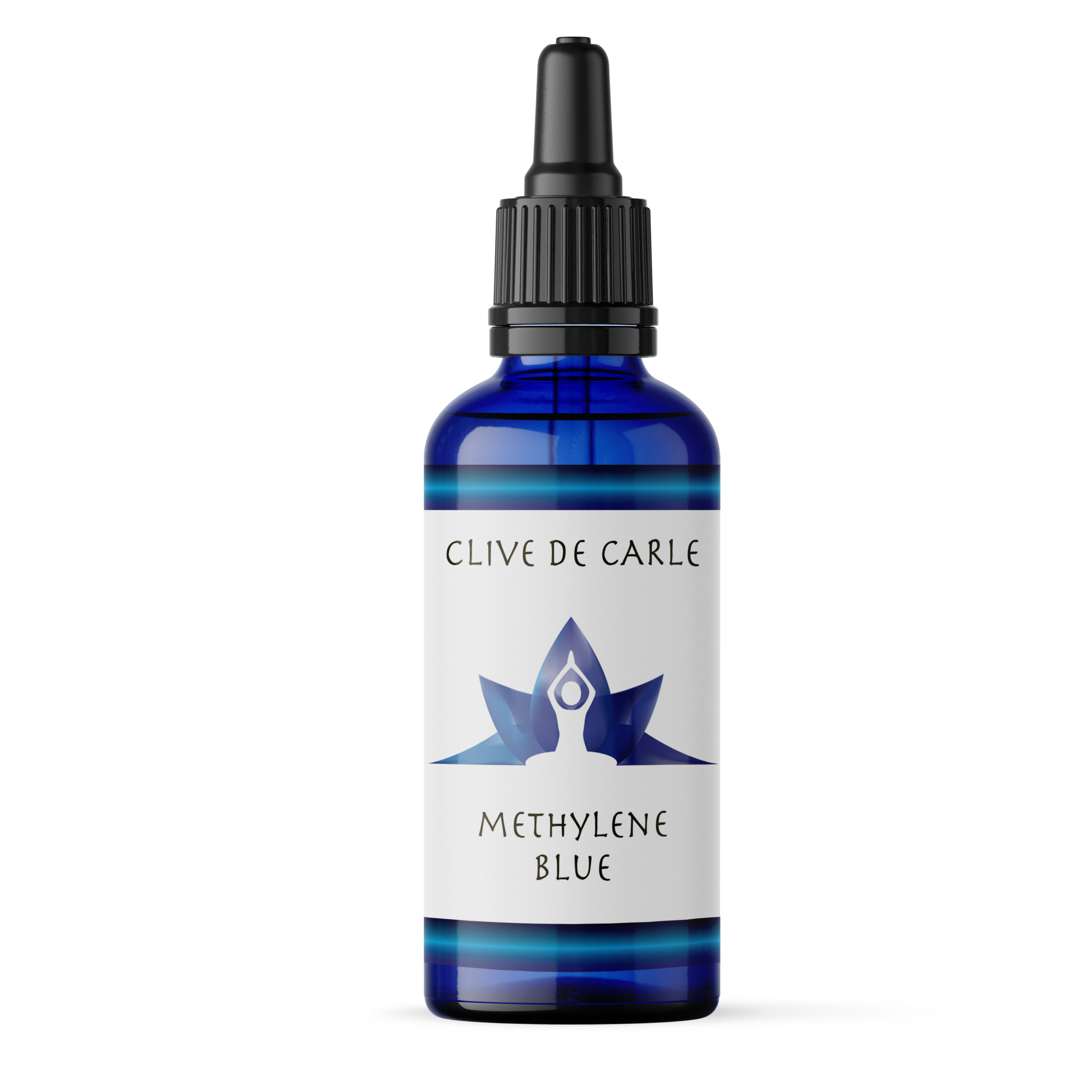
Methylene Blue – Advanced Cellular Chemistry
A pharmaceutical-grade compound designed to optimise mitochondrial function and cellular energy production. This high-purity formula supports metabolic efficiency and mental clarity by acting as a powerful electron donor within your cells.
Vetting Notes
Pending
The disruption of P-glycoprotein by organophosphates occurs through three primary mechanisms: competitive inhibition, oxidative stress, and genomic downregulation.
1. Competitive and Allosteric Inhibition
Many organophosphates and their metabolites are themselves substrates or inhibitors of P-gp. When OPs enter the endothelial cell, they may bind to the active site of the P-gp pump, preventing other toxins from being transported out. Effectively, the OPs 'clog' the machinery. Research has shown that common OPs can reduce the transport activity of P-gp by up to 50% shortly after exposure. This temporary inhibition creates a window of vulnerability where normally excluded toxins (such as heavy metals or medications) can flood the brain.
2. Oxidative Stress and Lipid Peroxidation
Organophosphates are potent drivers of oxidative stress. They induce the production of reactive oxygen species (ROS) that target the lipid-rich membranes of the BBB. Since P-gp is an integral membrane protein, its function is highly dependent on the fluidity and integrity of the surrounding lipid bilayer. When OPs cause lipid peroxidation, the 'housing' for these pumps becomes distorted. This structural damage can cause the P-gp proteins to become misfolded or detached, rendering them incapable of utilizing ATP to move molecules against a concentration gradient.
3. Altering Gene Expression
Long-term exposure to OPs has been shown to alter the expression of the ABCB1 gene. While acute exposure might initially cause a compensatory 'upregulation' (the body tries to make more pumps), chronic exposure often leads to a 'exhaustion' phase or a direct suppression of the gene's signalling pathways. This leads to a permanent reduction in the density of P-gp pumps on the BBB surface, lowering the 'seizure threshold' and increasing susceptibility to neurodegenerative conditions.
The 'Leaky Brain' and Clinical Implications
When P-gp efflux is compromised, the brain experiences what is colloquially known as 'leaky brain.' Unlike 'leaky gut,' which involves the passage of undigested proteins, 'leaky brain' via P-gp failure involves the accumulation of lipophilic chemicals. This accumulation triggers the brain's immune cells, the microglia, into a state of chronic activation. Chronic neuroinflammation is the root cause of many modern neurological epidemics.
Neurodegenerative Disease
There is a strong correlation between OP exposure and an increased risk of Parkinson's Disease. One theory suggests that the failure of P-gp allows environmental toxins (like paraquat or certain heavy metals) to reach the substantia nigra, where they destroy dopamine-producing neurons. If the P-gp pumps were functioning optimally, these toxins would be safely excluded.
Cognitive Decline and 'Brain Fog'
Sub-lethal OP exposure is frequently linked to cognitive deficits, memory loss, and what many describe as 'brain fog.' By impairing the BBB's ability to clear metabolic waste and excluded toxins, OPs create an environment of 'toxic stasis' within the brain. This affects synaptic plasticity and the ability of neurons to communicate effectively.
Drug-Toxin Interactions
Perhaps the most overlooked consequence is the alteration of pharmaceutical efficacy. If a patient is taking a medication that is typically excluded from the brain by P-gp (to prevent CNS side effects), and they are concurrently exposed to OPs through their diet or environment, the drug may cross the BBB in much higher concentrations than intended. This can lead to unexpected psychiatric side effects or neurological toxicity from seemingly safe doses of standard medications.
The Root Cause: Systemic Agriculture and Regulation
At INNERSTANDING, we believe in addressing the source. The root cause of P-gp disruption is the systemic reliance on organophosphate chemicals in the global food supply. Despite bans on certain OPs like Chlorpyrifos for residential use in some countries, they remain prevalent in commercial farming. The 'Acceptable Daily Intake' (ADI) levels set by regulators rarely account for the functional disruption of the BBB. They are primarily calculated based on AChE inhibition in animal models, ignoring the more subtle, long-term damage to efflux pumps and the resulting 'chemical vulnerability' of the population.
Strategies for Protection and Restoration
Protecting the BBB from OP-induced damage requires a dual approach: reducing exposure and supporting the physiological structures of the barrier.
- —Organic Sourcing: Choosing organic produce is the most effective way to reduce the OP load. Washing conventional produce helps but does not remove the systemic OPs that have been absorbed into the plant tissue.
- —Antioxidant Support: Nutrients that counteract oxidative stress, such as N-acetylcysteine (NAC), Alpha-lipoic acid, and Selenium, can help protect the lipid bilayer of the BBB from OP-induced peroxidation.
- —Sulforaphane: Found in broccoli sprouts, sulforaphane has been shown to support the Nrf2 pathway, which can upregulate the production of protective enzymes and potentially maintain the integrity of efflux transporters.
- —Avoiding 'Stacking' Factors: Minimising other factors that weaken the BBB, such as chronic stress, excessive alcohol consumption, and high-sugar diets, can provide the barrier with more 'bandwidth' to deal with unavoidable environmental exposures.
Conclusion
The disruption of P-glycoprotein by organophosphates represents a critical intersection between environmental toxicology and neurology. By sabotaging the brain's primary 'vacuum' system, OPs do more than just inhibit enzymes; they strip the brain of its essential privacy, allowing a cocktail of environmental pollutants to enter the sanctum of the CNS. Understanding this mechanism is vital for anyone looking to preserve cognitive health in the modern world. At INNERSTANDING, we advocate for a shift toward agricultural practices that respect the delicate biology of the human brain and for a regulatory framework that looks beyond the surface level of acute toxicity toward the deeper, functional root causes of neurological health.
This article is provided for informational and educational purposes only. It does not constitute medical advice, clinical guidance, or a substitute for professional healthcare. Information reflects cited research at time of publication. Always consult a qualified healthcare professional before acting on any health information.
RESEARCH FOUNDATIONS
Biological Credibility Archive
Citations provided for educational reference. Verify via PubMed or institutional databases.
Medical Disclaimer
The information in this article is for educational purposes only and does not constitute medical advice, diagnosis, or treatment. Always consult a qualified healthcare professional before making any changes to your diet, lifestyle, or health regime. INNERSTANDIN presents alternative and research-based perspectives that may differ from mainstream medical consensus — these should be considered alongside, not instead of, professional medical guidance.
Read Full DisclaimerReady to learn more?
Continue your journey through our classified biological research.
THE ARSENAL
Based on Blood-Brain Barrier Disruption — products curated by our research team for educational relevance and biological support.
Methylene Blue – Advanced Cellular Chemistry
INNERSTANDING may earn a commission on purchases made through these links. All products are selected based on rigorous educational relevance to our biological research.