
Organotherapy: The Targeted Biological Benefits of Consuming Glandular Tissues
Updated May 2026
Discusses the traditional practice of consuming organs to support corresponding human systems. It looks at the biological basis for "like-supports-like" nutrition.
Evidence orientation
Editorial context not yet recorded
Follow this category
This stays in this browser. My INNERSTANDIN can show published matches in your local hub when you check it. It does not send email, push, or alert notifications.
Local learning review
A private browser aid for revisiting ideas. It is not an alert or a health recommendation.
Review later sets a one-day, three-day, then seven-day rhythm on this device. Choose it only when you want to revisit this article.
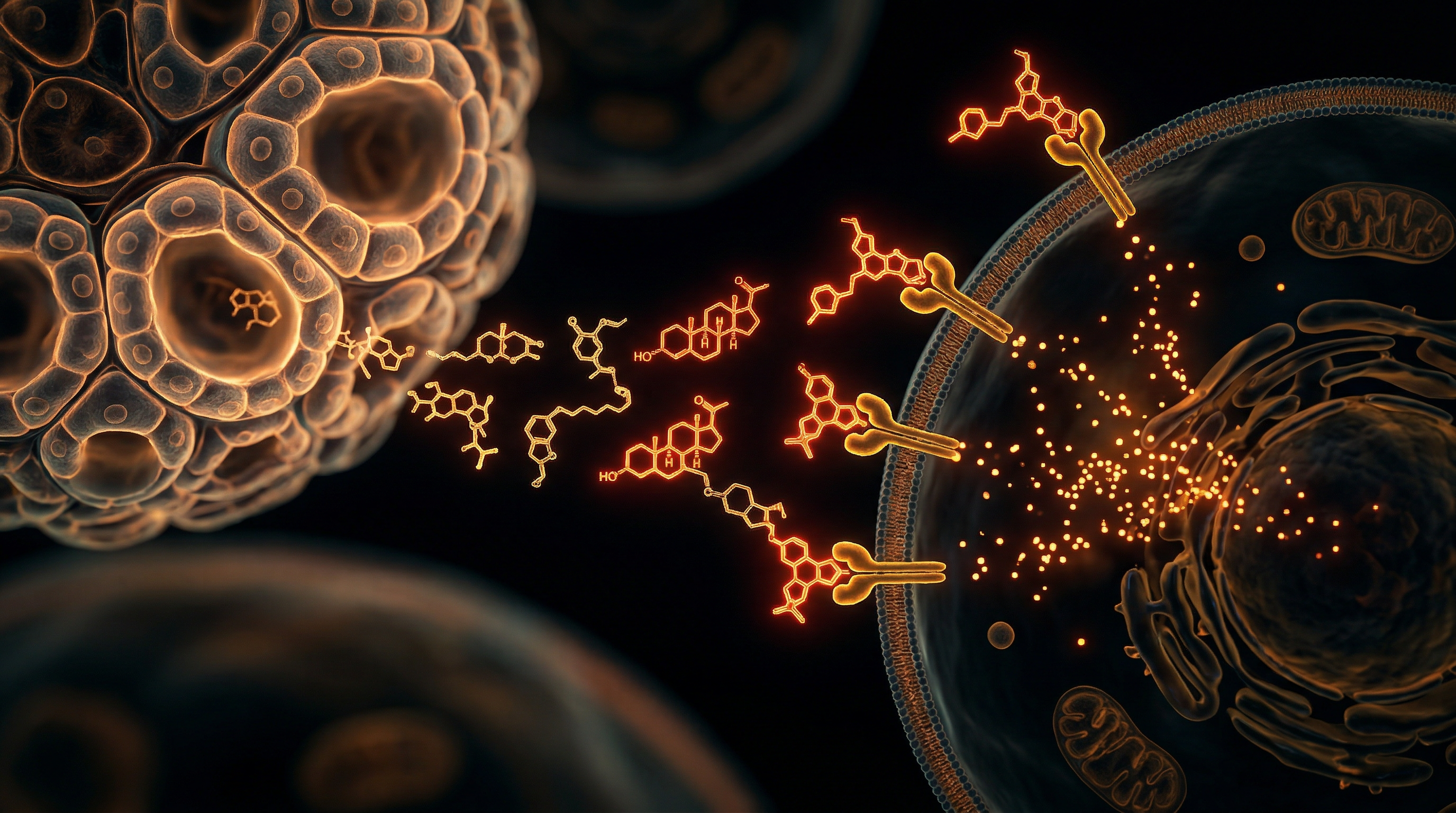
For millennia, the wisdom of the hunt was not merely in the kill, but in the distribution of the prize. Traditional societies, from the Inuit of the Arctic to the Maasai of the African Rift Valley, prioritised the consumption of internal organs—the liver, the heart, the kidneys, and the endocrine glands—over the skeletal muscle meat that dominates the modern Western palate. This was not a matter of desperation or resourcefulness; it was a sophisticated biological strategy. They understood, intuitively and empirically, the principle of Organotherapy: the practice of using animal organs and glandular tissues to support and heal the corresponding organs in the human body.
In the modern era, this "nose-to-tail" philosophy has been largely discarded in favour of sanitised, muscle-only cuts and synthetic supplements. However, as chronic degenerative diseases and endocrine disorders reach epidemic proportions, a new frontier of biological research is re-examining the molecular basis for "like-supports-like" nutrition. We are beginning to uncover that these tissues are not merely "food" in the caloric sense; they are complex biological response modifiers, containing a symphony of bioactive peptides, enzymes, and co-factors that the human body requires for homeostatic maintenance.
Overview
Organotherapy, also known as glandular therapy, is the clinical application of animal tissues to support human physiological function. The foundational premise is Similia Similibus Curantur—like treats like. If an individual suffers from hepatic insufficiency, they consume bovine liver; if they suffer from cardiac fatigue, they consume heart.
While this may sound like "primitive magic" to the reductionist scientist, the biochemical reality is far more profound. Every organ in a mammal’s body is a concentrated reservoir of the specific nutrients, signalling molecules, and genetic blueprints required for that organ’s unique function. For instance, the heart is exceptionally rich in Coenzyme Q10 (Ubiquinone) and taurine, both critical for mitochondrial respiration and contractile force. The liver is a powerhouse of retinol (pre-formed Vitamin A), B-vitamins, and highly bioavailable heme iron.
Fact: Prior to the synthesis of insulin in the 1920s, the primary treatment for diabetes involved the administration of porcine or bovine pancreatic extracts. This was the pinnacle of mainstream medical organotherapy.
In the early 20th century, pioneers like Dr. Henry Harrower and Dr. Weston A. Price documented the miraculous recoveries of patients treated with concentrated glandular extracts. Price, a dentist and researcher, travelled the globe to study "primitive" cultures and noted that the most robust, disease-resistant populations were those that prized "sacred foods"—almost exclusively glandular organs and animal fats.
Today, we are witnessing a resurgence of this knowledge. We are moving beyond the "Macronutrient Era" into the "Information Era" of nutrition, where we recognise that food provides the epigenetic signals that tell our cells how to behave.
The Biology — How It Works
The biological efficacy of organotherapy rests on the concept of nutritional synergy. A synthetic multivitamin provides isolated, often petrochemically derived, versions of nutrients. In contrast, glandular tissues provide these nutrients in their "whole-food matrix," surrounded by the enzymes and co-factors necessary for absorption and utilisation.
The Storage Concept
Organs serve as the body's primary storage sites. The liver is the metabolic "hub," storing fat-soluble vitamins (A, D, E, K) and minerals like copper and iron. The thyroid stores iodine. The adrenal glands contain the highest concentration of Vitamin C in the body. When we consume these tissues, we are essentially "plugging in" to a concentrated battery of specific biological precursors.
Bioavailability and Pre-formed Nutrients
One of the most significant biological advantages of organ consumption is the provision of pre-formed nutrients. For example, the human body must convert beta-carotene (from carrots) into retinol (active Vitamin A). For many, due to genetic polymorphisms or gut dysbiosis, this conversion rate is as low as 3%. Ruminant liver provides pure retinol, which is immediately bioavailable to the human retina, skin, and immune system.
Organ-Specific Signal Molecules
Research suggests that organs contain "tissue-specific" growth factors and signalling proteins. These molecules act as a biological template. When we ingest these tissues, we are not just getting raw materials; we are getting the "software" that directs the repair of the target organ. This is the essence of metabolic priming.
Mechanisms at the Cellular Level
To truly understand why "like-supports-like" works, we must look at the microscopic level, specifically at bioactive peptides and xenohormesis.
The Role of Bioactive Peptides
Peptides are short chains of amino acids that act as messengers in the body. Unlike large proteins that are broken down into basic amino acids during digestion, certain bioactive peptides can survive the gastric environment and enter the bloodstream via transcytosis.
- Splenin and Tuftsin: Derived from the spleen, these peptides have been shown to modulate the immune response and enhance phagocytosis (the "eating" of pathogens by white blood cells).
- Thymosin: Derived from the thymus gland, it is essential for the maturation of T-cells, the "special forces" of the immune system.
DNA and RNA Fragments
There is emerging evidence that consumed DNA and RNA fragments from specific animal organs can exert an influence on human gene expression. This is known as cross-kingdom regulation. These nucleic acid fragments may act as "chaperones," assisting in the correct folding of proteins within the human counterpart organ.
The Mitochondrial Connection
Organs with high metabolic demands, such as the heart, liver, and brain, are densely packed with mitochondria. Consuming these tissues provides high concentrations of cytochrome c, pyrroloquinoline quinone (PQQ), and L-carnitine. These are the literal spark plugs of the cell. In cases of "Mitochondrial Dysfunction"—the root of most modern chronic diseases—the concentrated nutrients in heart and liver provide the necessary components to restart the cellular engine.
Research Insight: Studies in the 1950s using radio-labelled isotopes showed that when an animal was fed processed organ tissue, the radioactive "tags" predominantly migrated to the corresponding organ in the recipient animal. This suggests a high degree of tissue-specific affinity.
Environmental Threats and Biological Disruptors
The necessity for organotherapy has never been greater, because the modern human is under a constant "biological siege." Our internal organs are failing because they are being deprived of ancestral nutrients while simultaneously being bombarded by industrial toxins.
Soil Depletion and Nutrient Bankruptcy
The UK and European soil quality has plummeted over the last 80 years due to intensive chemical farming. We are eating "empty" food. A modern apple has a fraction of the mineral content of an apple from 1940. This Nutrient Bankruptcy means that our organs (especially the liver and adrenals) are working overtime with zero "spare parts" for repair.
Endocrine Disrupting Chemicals (EDCs)
We live in an oestrogen-dominant world. Phthalates, Bisphenol A (BPA), and PFAS ("forever chemicals") mimic our natural hormones. These toxins bind to receptor sites on the thyroid, the ovaries, and the testes, causing "glandular confusion."
- Atrazine: A common herbicide that chemically castrates amphibians and is linked to thyroid dysfunction in humans.
- Glyphosate: Acts as a "mineral chelator," stripping our bodies of manganese, zinc, and magnesium—the very minerals concentrated in organ meats.
Fluoride and the Calcification of the Pineal Gland
In the UK, many water supplies are still fluoridated. Fluoride has a high affinity for the Pineal Gland, a small endocrine gland in the brain responsible for melatonin production. Calcification of this gland leads to disrupted sleep cycles and cognitive decline. Organotherapy using "brain and pineal" extracts provides the phospholipids and neuro-peptides required to maintain neural plasticity.
The Cascade: From Exposure to Disease
The path from environmental exposure to chronic disease is a predictable biological cascade. It begins with Glandular Fatigue.
- Phase 1: Compensation. The organ is exposed to a toxin or a nutrient deficiency. It works harder to maintain homeostasis, using up its "buffer" of minerals and enzymes.
- Phase 2: Functional Decline. The "buffer" is gone. The organ begins to underperform. A person might feel "tired" or have "brain fog." Standard blood tests often come back "normal" because the organ hasn't failed yet—it’s just struggling.
- Phase 3: Hypertrophy or Atrophy. The gland physically changes. In the case of the thyroid, it may enlarge (goitre) or begin to shrink (Hashimoto’s).
- Phase 4: Systemic Collapse. Because the endocrine system is an interconnected web, the failure of one gland (e.g., the Adrenals) leads to the failure of others (e.g., the Thyroid and Gonads). This is the "Ovarian-Adrenal-Thyroid (OAT) Axis" collapse.
Organotherapy interrupts this cascade by providing the failing organ with the specific "biological software" and "hardware" it needs to regenerate. It moves the body from a state of catabolism (breakdown) to anabolism (repair).
What the Mainstream Narrative Omits
There is a deliberate omission of organotherapy from modern medical and nutritional discourse. The reasons are primarily economic and ideological.
The Profitability of Chronic Disease
The pharmaceutical industry thrives on "management," not "cure." A patient with a failing thyroid is a customer for life, purchasing synthetic levothyroxine. A person who heals their thyroid using lifestyle changes and bovine thyroid extract is a "lost customer." Organ meats are incredibly cheap and cannot be patented.
The War on Saturated Fat and Cholesterol
For decades, we were told that animal fats and organ meats (which are high in cholesterol) cause heart disease. This has been comprehensively debunked by modern meta-analyses, yet the narrative persists.
- The Truth: Cholesterol is the precursor to all sex hormones (testosterone, oestrogen, progesterone). By avoiding organ meats and using statins to lower cholesterol, we are effectively inducing a state of hormonal bankruptcy.
The "Plant-Based" Agenda
There is a massive push toward "plant-based" diets for "sustainability." However, plants lack the B12, Creatine, Carnosine, and Taurine found in organ meats. Furthermore, the "anti-nutrients" in many plants (oxalates, phytates, lectins) actually block the absorption of what few minerals they contain. The suppression of organotherapy is, in many ways, an attempt to disconnect humans from the most nutrient-dense foods on the planet.
The UK Context
In Britain, we have a complex history with organ meats. In the post-war era, dishes like faggots (offal meatballs), haggis, steak and kidney pie, and black pudding (blood sausage) were staples of the working-class diet. These "peasant foods" were the secret to the resilience of previous generations.
The "Mad Cow" Legacy
The BSE (Bovine Spongiform Encephalopathy) crisis of the 1990s dealt a near-fatal blow to organ meat consumption in the UK. Fear of "vCJD" led to stringent regulations and a psychological aversion to eating "weird bits."
- The Modern Reality: British beef is now among the most strictly regulated and safest in the world. UK grass-fed cattle, raised on the lush pastures of Devon, the Highlands, or the Peak District, produce organ meats that are vastly superior in nutrient density to grain-fed counterparts from the US or Brazil.
The Loss of the Local Butcher
The rise of the supermarket "centralised supply chain" has removed offal from the shelves. Most supermarkets only stock liver, if anything at all. The artisanal skills required to prepare thymus (sweetbreads) or tripe are vanishing. To practice organotherapy in the UK today, one must seek out regenerative farmers or traditional high-street butchers who still value the whole animal.
UK Statistic: It is estimated that over 90% of the endocrine glands (thyroid, adrenal, pituitary) from UK-slaughtered livestock are currently discarded as "waste" or turned into low-grade pet food, rather than being utilised for human health.
Protective Measures and Recovery Protocols
How does one integrate organotherapy into a modern lifestyle? It requires a shift in mindset from "eating for calories" to "eating for cellular repair."
Sourcing: The Golden Rule
The quality of the organ is only as good as the life of the animal. Because the liver and kidneys are detoxification organs, you must only consume organs from Pasture-Raised, Grass-Finished animals. Avoid intensive factory-farmed "grain-fed" organs, which may have accumulated residues of pesticides and antibiotics.
The "Big Three" for Recovery
- Liver (The Multivitamin):
- Benefits: Immune function, skin health, energy production.
- Protocol: 100g to 200g per week. It is the highest source of Vitamin A and B12.
- Heart (The Powerhouse):
- Benefits: Athletic performance, blood pressure regulation, mitochondrial health.
- Protocol: Consume as a "muscle meat" replacement. It is rich in CoQ10 and collagen.
- Kidney (The Detoxifier):
- Benefits: Histamine intolerance (contains DAO enzyme), urinary health.
- Protocol: Ideal for those with allergies or "Mast Cell Activation Syndrome."
Targeted Glandular Support
For specific conditions, concentrated "desiccated" (dried) glandulars are often more practical than eating the fresh organ.
- Thyroid: For those with hypothyroidism or low basal body temperature. Contains natural T3 and T4 hormones.
- Adrenal: For "Burnout" and chronic fatigue. Provides the precursors for cortisol and adrenaline regulation.
- Pancreas: For digestive issues. Contains natural lipase, protease, and amylase.
Preparation and Palatability
If the taste of offal is a barrier, many find success with:
- "The Blend": Mixing 20% minced liver/heart into 80% minced beef for burgers or bolognese.
- Frozen Bites: Cutting raw liver into small, pill-sized pieces, freezing them, and swallowing them whole to bypass the taste.
- Desiccated Capsules: High-quality supplements that preserve the biological activity without the culinary challenge.
Summary: Key Takeaways
Organotherapy is not a "fad diet"; it is a return to the biological norm. Our ancestors were not healthier because they had better medicine; they were healthier because they were biologically "complete."
- Nutrient Density: Organ meats are the most nutrient-dense foods on Earth, containing 10 to 100 times the micronutrients of muscle meat.
- Biological Signalling: Glandular tissues provide bioactive peptides and nucleic acids that act as templates for human organ repair.
- Combatting Toxins: In an age of chemical disruption, the specific minerals and enzymes in organs (like the DAO in kidney or the Retinol in liver) are essential for our detoxification pathways.
- The "Like-Supports-Like" Principle: This ancient wisdom is being validated by modern peptide science and epigenetics.
- Regenerative Future: By consuming the whole animal, we not only improve our own health but also participate in a more ethical, sustainable, and respectful food system.
To reclaim our health, we must look backward to the traditions that sustained us for aeons. We must stop viewing the internal organs as "offal" (waste) and start viewing them as the biological treasures they truly are. The path to Innerstanding our own biology begins with the acknowledgement that we are what we eat—and to be a whole, functioning human, we must consume the whole animal.
This article is provided for informational and educational purposes only. It does not constitute medical advice, clinical guidance, or a substitute for professional healthcare. Information reflects cited research at time of publication. Always consult a qualified healthcare professional before acting on any health information.
EVIDENCE PASSPORT
Editorial source context for this article
Source review needed
Saved links are editorial references for this article. They may support specific claims rather than every sentence. Open and assess each source in context. This passport does not independently verify them.
Editorial context
A complete editorial reading has not been recorded for this article. Source links remain available for you to open and assess directly.
Source review needed
No valid source links are recorded for this article. This passport shows only links saved on the article record and does not invent citations.
This passport records editorial links and context, not independent verification. Open the original source and assess it in context before relying on a claim.
Medical Disclaimer
The information in this article is for educational purposes only and does not constitute medical advice, diagnosis, or treatment. Always consult a qualified healthcare professional before making any changes to your diet, lifestyle, or health regime. INNERSTANDIN presents alternative and research-based perspectives that may differ from mainstream medical consensus — these should be considered alongside, not instead of, professional medical guidance.
Read Full DisclaimerContinue the thread
Keep this question moving.
Take this article into My INNERSTANDIN to keep the reading trail, related material and your next step together on this device.
Dig deeper in the Library
Free, longform PDF volumes that go beyond headlines into mechanisms and references.