
Oxidative Stress Thresholds in Patients Denied Timely Management of Degenerative Joint Disease
Discuss this resourceUpdated August 2026
This article explores the physiological consequences of NHS waiting lists on patients with Degenerative Joint Disease, focusing on how systemic oxidative stress accelerates tissue degradation when clinical intervention is delayed.
Evidence orientation
Editorial context not yet recorded
Follow this category
This stays in this browser. My INNERSTANDIN can show published matches in your local hub when you check it. It does not send email, push, or alert notifications.
Local learning review
A private browser aid for revisiting ideas. It is not an alert or a health recommendation.
Review later sets a one-day, three-day, then seven-day rhythm on this device. Choose it only when you want to revisit this article.
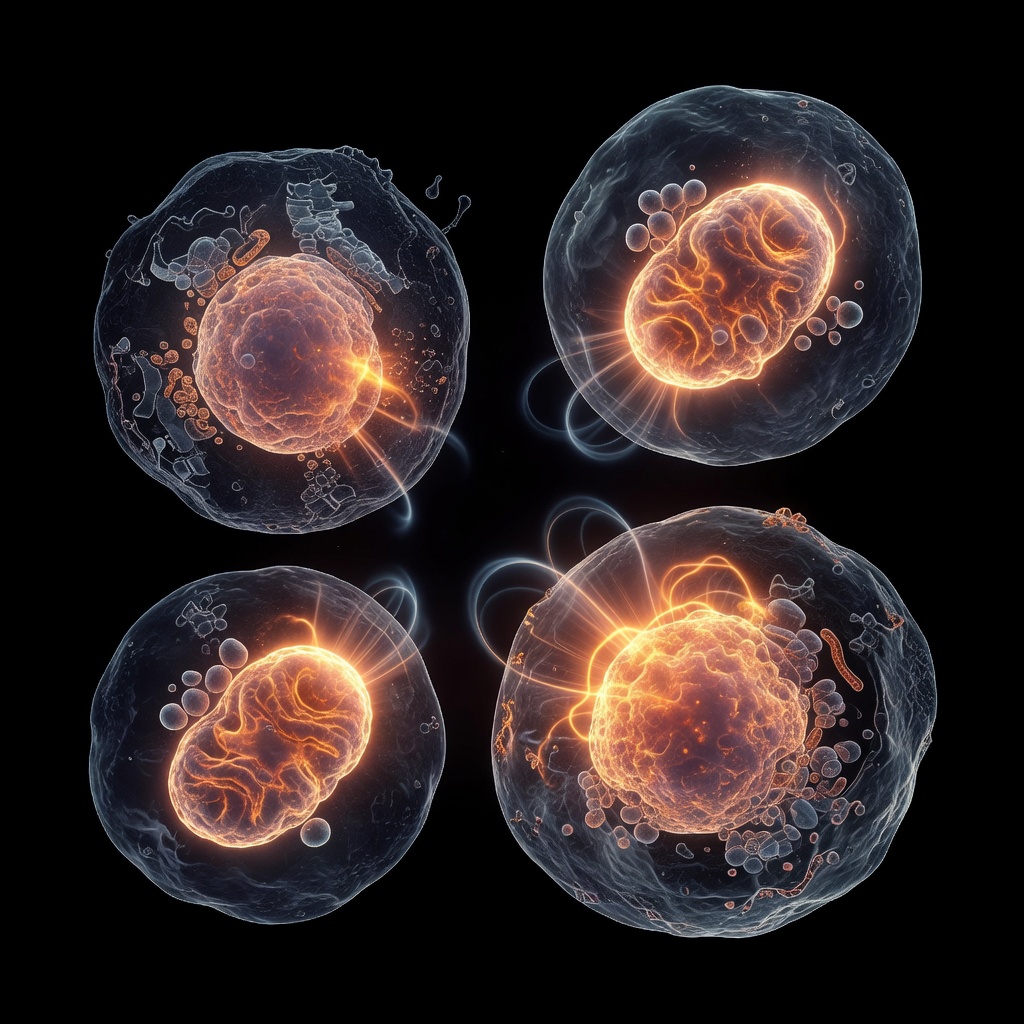
The Physiological Cost of the Waiting List
Within the context of the current NHS crisis, patients diagnosed with Degenerative Joint Disease (DJD), or osteoarthritis, often face protracted wait times for corrective orthopedic interventions. While administrators view these delays as logistical hurdles, the biological reality is far more severe. For a patient in chronic pain, time is not merely a measurement; it is a catalyst for biochemical deterioration. When the mechanical load on a compromised joint remains unmanaged, the body triggers a cascade of oxidative stress that pushes the joint beyond its biological threshold for repair.
Understanding the Oxidative Cascade
Degenerative Joint Disease is not just 'wear and tear.' It is a metabolically active, inflammatory state. In a healthy joint, synovial fluid provides shock absorption and lubrication. When the joint space narrows due to DJD, the articular cartilage becomes structurally compromised. If a patient is denied timely surgical or therapeutic management, they often enter a state of forced inactivity.
Reduced physical movement combined with chronic systemic inflammation creates an imbalance between reactive oxygen species (ROS) production and the body's antioxidant defenses. This imbalance, known as oxidative stress, damages the mitochondrial DNA of chondrocytes—the cells responsible for maintaining the cartilage matrix. Once these cells are damaged, they release inflammatory cytokines, which further accelerate the breakdown of collagen. We are essentially witnessing the 'rusting' of the joint from the inside out while the patient remains on a waiting list.
The Vicious Cycle of Inactivity and Inflammation
Lack of timely intervention forces a sedentary lifestyle. Movement is essential for synovial fluid circulation, which delivers nutrients to the avascular cartilage. When a patient stays immobile to avoid pain, the joint suffers from 'starvation,' further depleting the antioxidant enzymes like superoxide dismutase and glutathione peroxidase. As the oxidative threshold is crossed, the joint environment shifts from a state of repair to a state of rapid catabolic breakdown. This explains why patients often return to their surgeon after a 12-month wait with significantly worse clinical outcomes than at their initial consultation.
Moving Toward Holistic Management
At INNERSTANDING, we argue that the management of DJD must be prioritized based on biological urgency rather than just administrative chronicity. Patients waiting for care require proactive support to lower systemic oxidative stress. This includes nutritional interventions, such as high-bioavailability omega-3 fatty acids and turmeric extract, which can help buffer the inflammatory response. Furthermore, supervised low-impact mobility exercises are vital to maintain synovial flux and mitigate the rapid progression of cellular damage.
Conclusion: Redefining Clinical Urgency
The NHS must recognize that 'waiting' is a clinical intervention in itself, and currently, that intervention is causing harm. By quantifying oxidative stress markers in patients on waiting lists, the medical community can better prioritize those nearing a critical biological threshold. Until systemic reform arrives, patients must be empowered to understand the mechanisms of their own decline and provided with the tools to modulate their oxidative environment through lifestyle and targeted nutritional support.
This article is provided for informational and educational purposes only. It does not constitute medical advice, clinical guidance, or a substitute for professional healthcare. Information reflects cited research at time of publication. Always consult a qualified healthcare professional before acting on any health information.
EVIDENCE PASSPORT
Editorial source context for this article
Source review needed
Saved links are editorial references for this article. They may support specific claims rather than every sentence. Open and assess each source in context. This passport does not independently verify them.
Editorial context
A complete editorial reading has not been recorded for this article, and no source links are saved on its record.
Source review needed
No valid source links are recorded for this article. Supplementary research, where available, is listed separately below.
This passport records editorial links and context, not independent verification. Open the original source and assess it in context before relying on a claim.
Medical Disclaimer
The information in this article is for educational purposes only and does not constitute medical advice, diagnosis, or treatment. Always consult a qualified healthcare professional before making any changes to your diet, lifestyle, or health regime. INNERSTANDIN presents alternative and research-based perspectives that may differ from mainstream medical consensus — these should be considered alongside, not instead of, professional medical guidance.
Read Full DisclaimerContinue the thread
Keep this question moving.
Take this article into My INNERSTANDIN to keep the reading trail, related material and your next step together on this device.
Explore this in the Body Map
Explore related body structures and their educational pages in the interactive Body Map.