
The Pancreatic Price: Beyond Glucagon Suppression
Published April 2026
An investigative look into how synthetic GLP-1 modifications bypass natural degradation, potentially compromising pancreatic health and thyroid safety through chronic receptor activation.
Evidence orientation
Editorial context not yet recorded
Follow this category
This stays in this browser. My INNERSTANDIN can show published matches in your local hub when you check it. It does not send email, push, or alert notifications.
Local learning review
A private browser aid for revisiting ideas. It is not an alert or a health recommendation.
Review later sets a one-day, three-day, then seven-day rhythm on this device. Choose it only when you want to revisit this article.
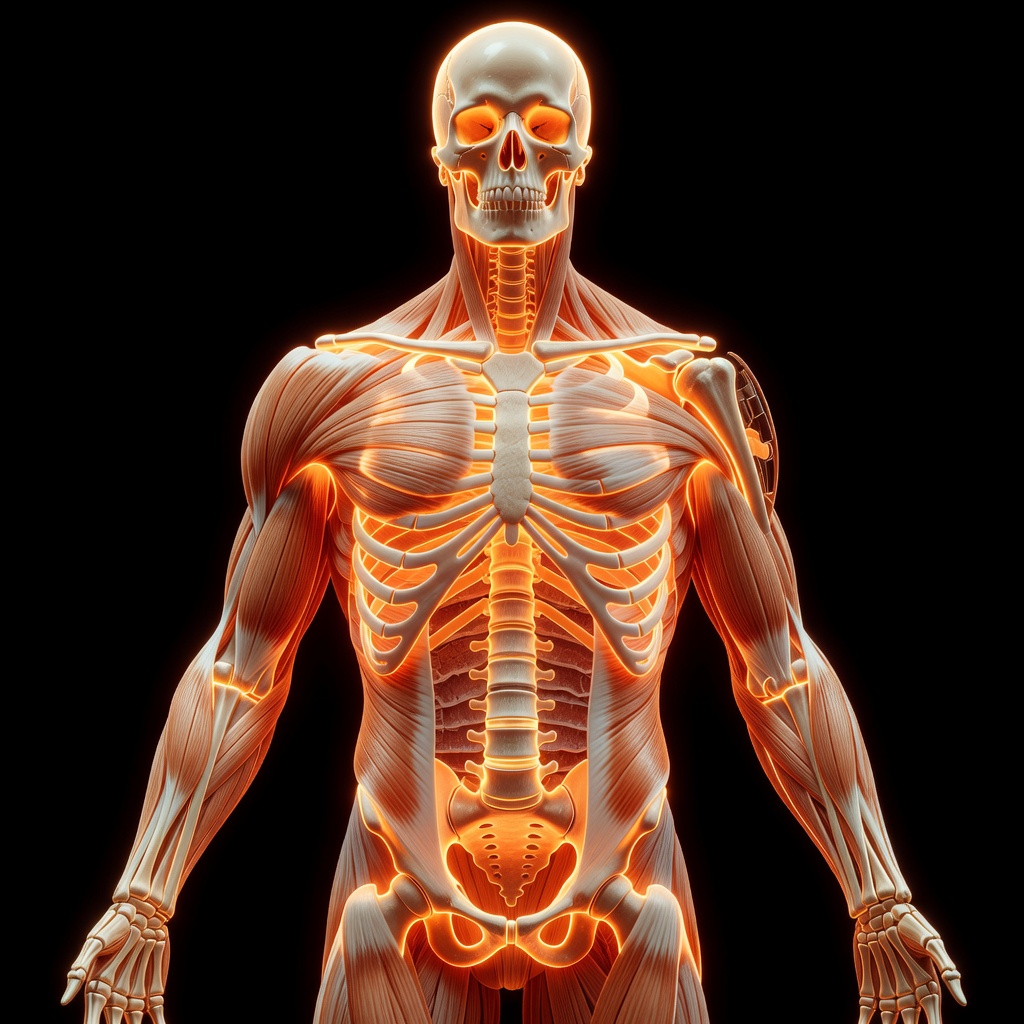
THE INCRETIN ILLUSION AND PANCREATIC DEMAND. The medical community has largely embraced Glucagon-Like Peptide-1 (GLP-1) receptor agonists as a silver bullet for the modern metabolic crisis. However, an intelligent investigation into the biological mechanism reveals a narrative far more nuanced than simple calorie reduction. GLP-1 is a peptide hormone naturally secreted by L-cells in the distal small intestine and colon in response to nutrient ingestion. In a physiological state, GLP-1 has a half-life of mere minutes, rapidly degraded by the enzyme dipeptidyl peptidase-4 (DPP-4).
Synthetic versions, such as semaglutide, are engineered with structural modifications—specifically the substitution of alanine for 2-aminoisobutyric acid at position 8—to resist this degradation, extending the half-life to approximately seven days. This persistent activation of the GLP-1 receptor (GLP-1R) forces the pancreas into a state of chronic, rather than pulsatile, insulin secretion. While this effectively lowers blood glucose, it ignores the long-term cost to pancreatic beta-cell health. THE GLUCAGON COUNTER-REGULATION. Mainstream discourse focuses on insulin, but the suppression of glucagon is equally vital to the weight-loss effect.
GLP-1 agonists inhibit the alpha-cells of the pancreas from releasing glucagon, the hormone responsible for mobilizing stored glucose (glycogen) from the liver. By silencing this signal, the body is forced to look elsewhere for energy during caloric deficits. However, when the drug is present 24/7, the body's natural glucose counter-regulatory response—a survival mechanism that prevents hypoglycemia—becomes blunted. Over years, this biochemical silencing may lead to a loss of metabolic flexibility, the body's ability to switch between burning carbohydrates and fats. We are essentially forcing a metabolic 'lock' that may prove difficult to undo.
CELLULAR PROLIFERATION RISKS. There is a deeper, more investigative concern regarding the proliferative effects of chronic GLP-1 stimulation. In animal models, GLP-1R activation has been linked to C-cell hyperplasia in the thyroid. While the translation to human medullary thyroid carcinoma is still debated by regulatory bodies, the underlying biological mechanism—the activation of the mTOR pathway and subsequent cellular growth—cannot be dismissed. For the health-literate adult, the question remains: what happens when we stimulate growth pathways in a body already struggling with systemic inflammation?
The pharmaceutical industry prioritizes the reduction of adiposity, but at the cellular level, the constant signalling for growth and secretion may lead to exhaustion or maladaptation of the very organs we are trying to protect. The 'Ozempic Truth' requires looking past the scale and into the microscopic stresses placed on the endocrine architecture.
This article is provided for informational and educational purposes only. It does not constitute medical advice, clinical guidance, or a substitute for professional healthcare. Information reflects cited research at time of publication. Always consult a qualified healthcare professional before acting on any health information.
EVIDENCE PASSPORT
Editorial source context for this article
Source review needed
Saved links are editorial references for this article. They may support specific claims rather than every sentence. Open and assess each source in context. This passport does not independently verify them.
Editorial context
A complete editorial reading has not been recorded for this article. Source links remain available for you to open and assess directly.
Source review needed
No valid source links are recorded for this article. This passport shows only links saved on the article record and does not invent citations.
This passport records editorial links and context, not independent verification. Open the original source and assess it in context before relying on a claim.
Medical Disclaimer
The information in this article is for educational purposes only and does not constitute medical advice, diagnosis, or treatment. Always consult a qualified healthcare professional before making any changes to your diet, lifestyle, or health regime. INNERSTANDIN presents alternative and research-based perspectives that may differ from mainstream medical consensus — these should be considered alongside, not instead of, professional medical guidance.
Read Full DisclaimerContinue the thread
Keep this question moving.
Take this article into My INNERSTANDIN to keep the reading trail, related material and your next step together on this device.
Explore this in the Body Map
See where this hits your biology. Interactive anatomy, threats, and protective protocols.