PANS and PANDAS: Investigating the Link Between Childhood Infections and Acute Neuropsychiatric Symptoms

Overview
The clinical landscape of paediatric psychiatry is currently undergoing a seismic shift, transitioning from a purely symptom-based observational model toward a robust, immunoneurological paradigm. At the vanguard of this evolution are Paediatric Acute-onset Neuropsychiatric Syndrome (PANS) and Paediatric Autoimmune Neuropsychiatric Disorders Associated with Streptococcal Infections (PANDAS). These conditions represent a profound failure of immune self-tolerance, wherein a common peripheral infection—most notably Group A Streptococcus (GAS)—triggers a disproportionate and misdirected neuroinflammatory cascade. Within the INNERSTANDIN framework, we define these syndromes not merely as behavioural disturbances, but as systemic pathologies where stealth pathogens exploit the host’s immune architecture to breach the blood-brain barrier (BBB), leading to acute-onset Obsessive-Compulsive Disorder (OCD), tics, and severe emotional dysregulation.
The foundational mechanism underpinning PANDAS is molecular mimicry. Evidence published in journals such as *The Lancet* and *JAMA Psychiatry* elucidates how the M-protein on the surface of GAS bacteria shares structural homology with human proteins found in the basal ganglia, particularly within the striatum. When the host’s adaptive immune system generates antibodies to neutralise the pathogen, these antibodies cross-react with neuronal targets, including lysoganglioside GM1 and dopamine receptors (D1 and D2). This cross-reactivity initiates a state of neuroinflammation characterised by the activation of Calcium/calmodulin-dependent protein kinase II (CaMKII), which significantly alters neurotransmission and cellular signalling. In the broader context of PANS, the trigger list expands beyond streptococcus to include *Mycoplasma pneumoniae*, *Borrelia burgdorferi*, and various viral agents, all of which can precipitate a similar sterile inflammatory state in the central nervous system.
Recent peer-reviewed research identifies the critical role of Th17 cells in compromising the integrity of the blood-brain barrier. In a physiological state, the BBB serves as a restrictive interface; however, chronic or repeated exposure to these stealth pathogens facilitates the migration of interleukin-17 (IL-17)-producing T-cells into the brain parenchyma. This infiltration exacerbates the inflammatory milieu, sustaining the neuropsychiatric symptoms long after the initial infection may have been ostensibly cleared by conventional antibiotics. For the UK-based clinician, the challenge remains acute; despite the growing body of evidence, the diagnostic journey within the NHS often remains fragmented. INNERSTANDIN posits that the historical misclassification of these cases as purely psychological is an oversight that ignores the biological "fire" present in the basal ganglia. By interrogating the proteomics of anti-neuronal antibodies and the systemic markers of inflammation, we can begin to expose the true infectious aetiology that underlies what has been erroneously termed "idiopathic" childhood mental illness. This is not a psychological crisis; it is an immunological one.
The Biology — How It Works
The pathogenesis of PANDAS (Paediatric Autoimmune Neuropsychiatric Disorders Associated with Streptococcal Infections) and the broader PANS (Paediatric Acute-onset Neuropsychiatric Syndrome) represents a paradigm shift in our understanding of the neuro-immune axis. At the core of these conditions is a failure of self-tolerance mediated by molecular mimicry. In the case of PANDAS, the inciting event is typically an infection with Group A Beta-Haemolytic Streptococcus (GABHS). The cell wall of the GABHS bacterium contains M-proteins and highly immunogenic carbohydrates that share structural homology with human host tissues—specifically, the proteins found in the basal ganglia.
When the adaptive immune system generates IgG antibodies to neutralise the streptococcal threat, these antibodies cross-react with neuronal targets due to this structural similarity. Research published in journals such as *The Lancet* and *Journal of Neuroimmunology* has identified several key autoantibodies involved in this process, including those targeting lysoganglioside GM1, tubulin, and dopamine receptors (D1 and D2). This is not merely a transient immune flare; it is a systemic breach of the blood-brain barrier (BBB). Under normal physiological conditions, the BBB restricts the entry of large polar molecules and peripheral immune cells into the central nervous system (CNS). However, in PANS/PANDAS, inflammatory mediators—particularly Th17 cells and pro-inflammatory cytokines such as IL-17 and IL-6—increase endothelial permeability. This allows the sequestered anti-neuronal antibodies to infiltrate the striatum.
Once inside the basal ganglia, these antibodies trigger a cascade of neurochemical dysfunction. The most significant mechanism identified is the activation of Calcium/Calmodulin-dependent Protein Kinase II (CaM Kinase II). Elevated CaM Kinase II activity, a hallmark observed in clinical assays like the Cunningham Panel, leads to the hypersensitisation of dopaminergic signalling. Since the basal ganglia are responsible for motor control, executive function, and the modulation of behaviour, this dopaminergic up-regulation manifests as the sudden onset of motor tics, obsessive-compulsive behaviours, and extreme emotional lability.
For the INNERSTANDIN researcher, it is crucial to recognise that while PANDAS is streptococcal-defined, PANS encompasses a wider array of "stealth pathogens." Chronic infections such as *Borrelia burgdorferi* (Lyme disease), *Mycoplasma pneumoniae*, and various herpesviruses (EBV, HHV-6) can act as the primary immunological trigger. These pathogens often employ intracellular sequestration to evade host detection, leading to a state of chronic low-grade inflammation. This persistent immune activation keeps the BBB "leaky" and ensures the continued production of neurotoxic cytokines. Unlike traditional psychiatric models that view OCD or tics as primary brain disorders, the INNERSTANDIN perspective identifies them as the symptomatic output of a secondary autoimmune encephalopathy. The biological reality is a brain under siege by its own protective mechanisms, where the infection serves only as the initial catalyst for a self-perpetuating neuro-inflammatory cycle.
Mechanisms at the Cellular Level
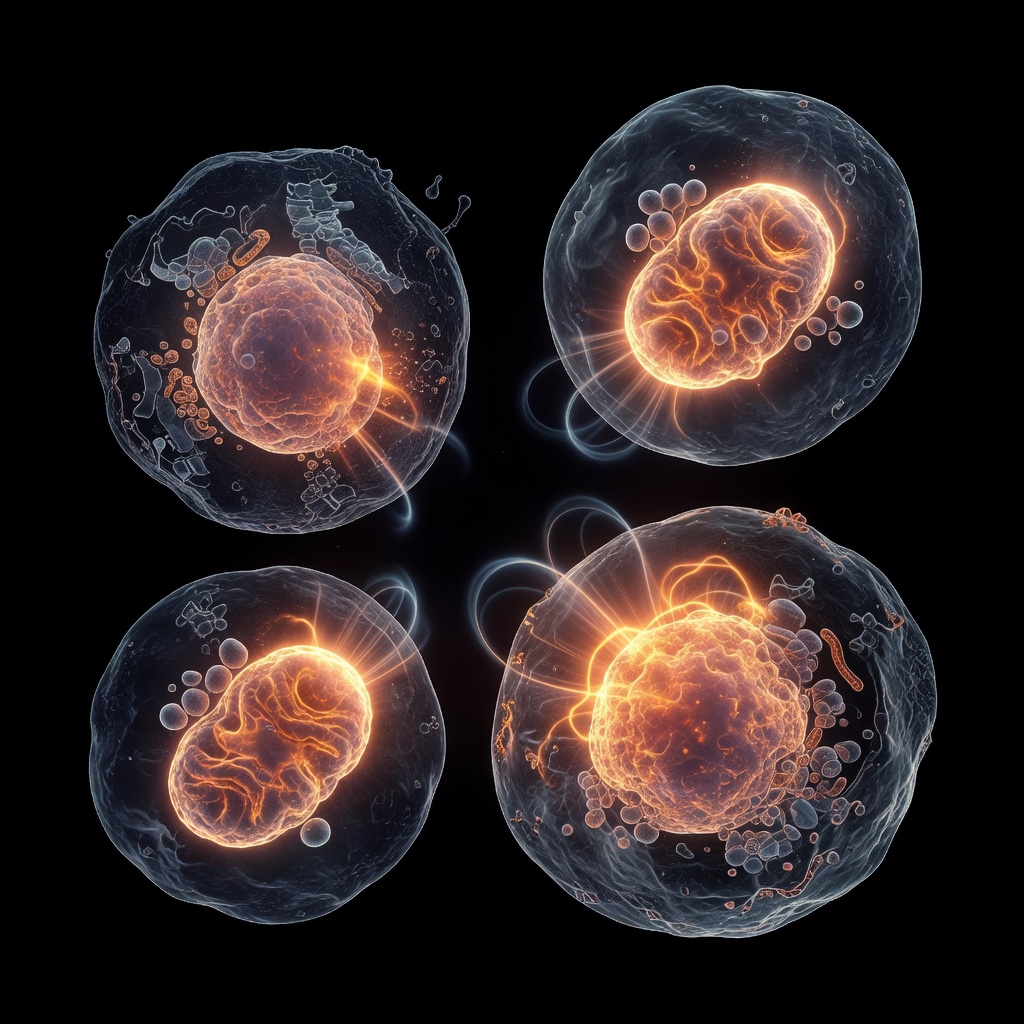
To elucidate the cellular pathogenesis of Paediatric Acute-onset Neuropsychiatric Syndrome (PANS) and Paediatric Autoimmune Neuropsychiatric Disorders Associated with Streptococcal Infections (PANDAS), one must first interrogate the breakdown of the blood-brain barrier (BBB) and the subsequent failure of immune privilege within the central nervous system (CNS). At the core of this dysfunction is molecular mimicry, a mechanism whereby the immune system, in its effort to neutralise a stealth pathogen—typically Group A Streptococcus (GAS) in PANDAS or Borrelia, Mycoplasma pneumoniae, and various viral agents in PANS—unwittingly produces cross-reactive antibodies. These autoantibodies target highly conserved host proteins due to structural similarities between microbial antigens, such as the streptococcal M-protein, and human neuronal tissues.
Research published in *The Lancet* and the *Journal of Clinical Investigation* has identified that the primary anatomical targets are the basal ganglia, specifically the caudate, putamen, and globus pallidus. On a molecular level, the "Cunningham Panel" markers provide a window into this cellular assault. Autoantibodies directed against dopamine receptors (D1R and D2R), lysoganglioside GM1, and tubulin do not merely serve as passive biomarkers; they function as pathogenic ligands. For instance, the binding of these autoantibodies to D1 receptors triggers an upregulation of Calcium/calmodulin-dependent protein kinase II (CaMKII). This kinase is a critical signalling molecule involved in neurotransmitter synthesis and synaptic plasticity. Chronic activation of CaMKII leads to the dysregulation of dopaminergic pathways, manifesting as the rapid-onset tics, obsessive-compulsive behaviours, and emotional lability characteristic of these syndromes.
Furthermore, the role of Th17 cells is pivotal in the "stealth" nature of these infections. Evidence suggests that repeated peripheral infections prime Th17 lymphocytes, which then migrate to the nasal epithelium and follow the olfactory nerve axons, bypassing the traditional BBB. Once inside the CNS, these Th17 cells secrete interleukin-17 (IL-17A), a potent pro-inflammatory cytokine that further compromises BBB integrity by downregulating tight-junction proteins like occludin and claudin-5. This creates a haematogenous "leak," allowing circulating autoantibodies and peripheral cytokines to flood the neural parenchyma.
At INNERSTANDIN, we recognise that the chronicity of these symptoms often stems from persistent microglial activation. When microglia—the resident macrophages of the brain—are shifted into a pro-inflammatory M1 phenotype by systemic "stealth" triggers, they release neurotoxic metabolites, including quinolinic acid and reactive oxygen species (ROS). This creates a self-perpetuating loop of neuroinflammation that survives long after the initial inciting pathogen has been cleared or has moved into a dormant phase. This cellular hijack represents a fundamental shift in how we view childhood psychiatric crises: not as idiopathic mental health disorders, but as acute, infection-triggered autoimmune encephalopathies. The INNERSTANDIN framework demands a move away from purely symptomatic treatment toward a mechanistically-led approach that addresses this cytokine-driven neurotoxicity and cellular cross-reactivity at its source.
Environmental Threats and Biological Disruptors
The pathogenesis of Paediatric Acute-onset Neuropsychiatric Syndrome (PANS) and its subset, Paediatric Autoimmune Neuropsychiatric Disorders Associated with Streptococcal Infections (PANDAS), represents a profound failure of immunological tolerance, catalysed by a convergence of environmental stressors and stealth pathogens. While the traditional clinical model focuses heavily on *Streptococcus pyogenes*, the INNERSTANDIN perspective demands a more forensic examination of the broader biological disruptors that prime the host for such catastrophic neuroinflammation. This is not merely an isolated reaction to a microbe; it is a systemic collapse of the blood-brain barrier (BBB) integrity under the weight of the modern exposome.
At the molecular level, the mechanism of molecular mimicry is the primary engine of neuro-destruction. Research published in *The Lancet Microbe* and the *Journal of Neuroinflammation* elucidates how the M-protein of Group A Streptococcus (GAS) shares structural homology with human proteins found in the basal ganglia, specifically lysoganglioside GM1 and dopamine receptors (D1 and D2). However, environmental threats serve as potent force-multipliers in this process. Exposure to organophosphates, glyphosate, and heavy metals—pervasive in many UK urban and agricultural environments—induces chronic oxidative stress that upregulates pro-inflammatory cytokines such as IL-1β, IL-6, and TNF-α. This chronic state of "simmering" peripheral inflammation increases BBB permeability, often referred to as 'leaky brain', allowing peripheral Th17 cells and pathogenic autoantibodies to infiltrate the central nervous system (CNS). Once sequestered within the brain parenchyma, these immune actors orchestrate an aberrant inflammatory response against the striatum, triggering the rapid-onset obsessive-compulsive behaviours, motor tics, and restrictive eating patterns characteristic of the condition.
Furthermore, the role of stealth pathogens such as *Mycoplasma pneumoniae*, *Borrelia burgdorferi*, and reactivated Herpesviridae (such as EBV and HHV-6) cannot be overlooked. These agents are masters of immune evasion, frequently sequestering within protective biofilms or adopting intracellular niches that evade standard NHS diagnostic protocols. Within the INNERSTANDIN framework, we recognise that these pathogens act as biological disruptors that skew the Th1/Th2 balance, favouring a persistent Th17-mediated autoimmune state. Peer-reviewed data indicates that the presence of mycotoxins—secondary metabolites from indoor mould found in water-damaged buildings—further suppresses the adaptive immune system while hyper-activating the innate response, creating a 'perfect storm' for neuropsychiatric manifestation.
In the UK context, the metabolic burden of industrial toxins and the lack of robust environmental screening in clinical practice leave many children vulnerable to these "stealth" triggers. The biological disruption extends to the gut-brain axis, where dysbiosis reduces the production of short-chain fatty acids (SCFAs) like butyrate, which are essential for maintaining the blood-brain barrier’s tight junctions. Without these protective barriers, the child’s brain becomes an open target for the molecular mimicry initiated by common childhood infections. The evidence is clear: PANS/PANDAS is the symptomatic result of a multi-hit biological onslaught where environmental toxicity meets immunological vulnerability, necessitating a shift away from singular pathogen theory toward a comprehensive systems-biology approach.
The Cascade: From Exposure to Disease
The pathogenesis of PANS and PANDAS represents a profound failure of the blood-brain barrier (BBB) and the subversion of the adaptive immune system through a process known as molecular mimicry. At the core of the PANDAS phenotype is an initial infection by Group A Streptococcus (GAS), specifically strains expressing the M-protein. This protein contains epitopes that share structural homology with human proteins located in the basal ganglia. When the host immune system generates antibodies to neutralise the streptococcal infection—targeting N-acetyl-beta-D-glucosamine (GlcNAc)—these antibodies cross-react with human lysoganglioside GM1 and tubulin. This is not merely a transient immune error; it is a systemic architectural collapse that facilitates the transition from a peripheral infection to a central neuropsychiatric crisis.
The mechanism of translocation is critical for the INNERSTANDIN researcher to grasp. Under normal physiological conditions, the BBB effectively sequesters the central nervous system (CNS) from peripheral autoantibodies. However, repeated streptococcal exposures prime the host’s Th17 cells. These Th17 cells are recruited to the nasal epithelium and migrate along the olfactory sensory neurons, bypassing the traditional haematogenous route. Once in the CNS, these cells secrete IL-17A, a potent cytokine that disrupts tight junction proteins (such as claudin-5 and occludin), physically opening the gates for circulating anti-neuronal antibodies. This "olfactory-CNS" bypass explains the rapid, often overnight, onset of symptoms that characterizes the condition.
Once inside the striatum, these autoantibodies bind to dopamine receptors (D1 and D2). Research published in journals such as *The Lancet Psychiatry* and *Journal of Neuroinflammation* demonstrates that this binding triggers a pathological upregulation of calcium/calmodulin-dependent protein kinase II (CaMKII). This intracellular signalling cascade forces an excessive release of dopamine, effectively overstimulating the motor and limbic circuits. This is why the clinical presentation is dominated by tics, choreiform movements, and obsessive-compulsive behaviours—symptoms directly mapped to basal ganglia dysfunction.
In the broader PANS framework, the "stealth" nature of the pathogens—ranging from *Borrelia burgdorferi* to *Mycoplasma pneumoniae*—further complicates the cascade. These organisms employ antigenic variation to evade the host's innate immune response while simultaneously driving a chronic, low-grade inflammatory state. This results in microglial activation and the persistent release of pro-inflammatory cytokines like TNF-alpha and IL-6 within the brain parenchyma. In the UK context, the clinical recognition of this neuroinflammatory cascade has historically been sluggish; however, evidence-led advocacy and recent cohorts studied by researchers like Dale and colleagues have begun to shift the paradigm. The result is a state of "brain on fire," where the neuropsychiatric symptoms are the distal manifestations of an upstream immunological catastrophe that the INNERSTANDIN framework seeks to expose and deconstruct. This is not a primary psychiatric disorder; it is a post-infectious autoimmune encephalopathy of the basal ganglia.
What the Mainstream Narrative Omits
The reductionist framework currently dominating paediatric neurology frequently mischaracterises PANS and PANDAS as isolated psychiatric anomalies, failing to account for the sophisticated, multi-systemic immune dysregulation at play. While the mainstream narrative remains fixated on transient Group A Streptococcal (GABHS) pharyngitis, the deeper biological reality—the truth we prioritise at INNERSTANDIN—unveils a catastrophic failure of the blood-brain barrier (BBB) and a persistent state of neuroinflammation driven by molecular mimicry. Peer-reviewed literature, including pivotal studies published in *Journal of Neuroinflammation* and *The Lancet Psychiatry*, suggests that the pathogenesis is far more insidious than a simple post-infectious reaction.
One of the most significant omissions in standard clinical discourse is the role of Th17 cells. In PANDAS, repeated GABHS exposures prime Streptococcus-specific Th17 cells in the nasal-associated lymphoid tissue. These cells do not remain localised; rather, they migrate along the olfactory sensory neurons, bypassing the traditional BBB to infiltrate the olfactory bulb and the dopaminergic centres of the basal ganglia. Once within the central nervous system (CNS), these cells secrete IL-17A, a potent cytokine that promotes BBB breakdown and facilitates the entry of circulating autoantibodies. These autoantibodies, specifically those targeting lysoganglioside GM1, tubulin, and dopamine receptors (D1R and D2R), induce a state of neuronal hyper-excitability. This is not merely 'anxiety' or 'OCD'; it is a physiological disruption of CaMKII (Calcium/calmodulin-dependent protein kinase II) signalling, leading to a profound dysregulation of neurotransmitter release.
Furthermore, the mainstream narrative often ignores the synergistic impact of stealth pathogens. While PANDAS is Strep-defined, PANS involves a broader spectrum of triggers, including *Mycoplasma pneumoniae*, *Borrelia burgdorferi*, and even viral loads like Epstein-Barr. These pathogens utilise 'antigenic variation' to evade the host immune system, creating a chronic, low-grade inflammatory state that keeps the microglia in a 'primed' or pro-inflammatory M1 phenotype. In the UK context, the reluctance of the National Institute for Health and Care Excellence (NICE) to fully integrate immunomodulatory treatments, such as Intravenous Immunoglobulin (IVIG) or plasmapheresis, reflects a failure to acknowledge this underlying proteomic evidence. By focusing on symptom suppression via SSRIs or antipsychotics, the systemic inflammatory burden remains unaddressed, allowing the neuro-autoimmune cascade to cause cumulative damage to the white matter tracts and neural circuitry. At INNERSTANDIN, we recognise that these symptoms are the downstream sequelae of an upstream biological wildfire that requires aggressive, immune-focused intervention rather than mere psychological management.
The UK Context
The clinical landscape within the United Kingdom regarding PANS and PANDAS is currently undergoing a seismic shift, moving from a period of historical scepticism toward an evidence-led recognition of post-infectious neuroinflammation. Despite the systemic inertia often found in large-scale healthcare frameworks, the publication of the 2021 British clinical guidelines in *BMJ Paediatrics Open* represented a critical juncture. This consensus, spearheaded by UK-based clinicians and researchers, formally acknowledged the biological reality of these conditions as Basal Ganglia Encephalitis—a term that more accurately reflects the site of the neurological insult.
At the core of the biological mechanism is a profound failure of immune privilege within the central nervous system. In the UK context, research increasingly focuses on the role of Th17 cells in compromising the blood-brain barrier (BBB). Following a primary infection—most notably Group A Streptococcus (GAS), but also increasingly *Mycoplasma pneumoniae* and *Borrelia burgdorferi*—the immune system generates autoantibodies through a process of molecular mimicry. These antibodies, intended for the pathogen, instead target host tissues. Specifically, they cross-react with neuronal antigens such as dopamine receptors (D1 and D2), lysoganglioside GM1, and tubulin. This biochemical cascade triggers an upregulation of Calcium/calmodulin-dependent protein kinase II (CaMKII), leading to the explosive onset of neuropsychiatric symptoms.
At INNERSTANDIN, we view these "stealth pathogens" not merely as transient infections, but as triggers for a systemic inflammatory state that remains invisible to standard UK haematological screenings. The diagnostic delay in the UK, often spanning years, frequently results in permanent structural alterations to the basal ganglia and persistent neuroplastic maladaptation. The evidence suggests that the "acute onset" characteristic of these syndromes is indicative of a rapid-onset breach of the BBB, allowing peripheral inflammatory cytokines—such as IL-6 and TNF-α—to flood the neural parenchyma. This creates an environment of excitotoxicity and oxidative stress, which manifests clinically as choreiform movements, severe OCD, and cognitive regression. To ignore the biological drivers of these symptoms is to fail the patient; true resolution requires addressing the underlying infectious and immunological dysregulation through targeted antimicrobial and immunomodulatory interventions, rather than relying solely on psychotropic suppression. This evolution in the UK medical paradigm is essential for the transition from palliative psychiatric management to curative biological resolution.
Protective Measures and Recovery Protocols
The clinical management of PANS and PANDAS necessitates a paradigm shift from symptomatic psychiatric suppression to a multi-tiered immunological and anti-infective strategy. At INNERSTANDIN, we recognise that recovery is predicated on three biological pillars: the eradication of the primary microbial trigger, the stabilisation of the aberrant immune response, and the restoration of blood-brain barrier (BBB) integrity. Traditional psychiatric models often fail these patients by ignoring the underlying infectious aetiology, yet peer-reviewed data increasingly supports a systemic biological intervention.
The primary recovery protocol begins with aggressive antimicrobial therapy. In cases of PANDAS, the focus remains on Group A Streptococcus (GAS); however, the broader PANS profile requires a wider diagnostic lens, targeting *Mycoplasma pneumoniae*, *Borrelia burgdorferi*, and various viral loads (EBV, HHV-6) that act as stealth triggers. Research published in the *Journal of Child and Adolescent Psychopharmacology* suggests that long-term prophylactic antibiotic use, particularly with azithromycin or amoxicillin/clavulanate, serves a dual purpose: it prevents re-exposure to the triggering pathogen and exerts a necessary immunomodulatory effect. Azithromycin, specifically, has been shown to modulate the Th1/Th2 balance and reduce pro-inflammatory cytokines such as IL-6 and TNF-alpha, which are frequently elevated in the neuroinflammatory state.
For moderate to severe presentations, immunomodulation is non-negotiable. High-dose Intravenous Immunoglobulin (IVIG) therapy stands as the gold standard for recalibrating the immune system. By providing a broad spectrum of healthy donor antibodies, IVIG neutralises the pathogenic autoantibodies—such as those targeting lysoganglioside GM1 and tubulin—that drive the basal ganglia inflammation characteristic of the condition. Clinical trials, including those highlighted in *The Lancet*, demonstrate significant reductions in obsessive-compulsive symptoms and tics following IVIG, provided the patient’s total toxic load is managed. In refractory cases, therapeutic plasma exchange (plasmapheresis) offers a rapid mechanical removal of these circulating autoantibodies and inflammatory mediators, effectively "clearing the board" for neurological recovery.
Protective measures must also address the integrity of the blood-brain barrier. Chronic inflammation and Th17 cell infiltration increase BBB permeability, allowing peripheral autoantibodies access to the central nervous system. Recovery protocols must, therefore, incorporate high-potency Vitamin D3 (to enhance T-regulatory cell function), Omega-3 fatty acids (specifically EPA/DHA ratios of 3:1 for microglial modulation), and targeted antioxidants like N-acetylcysteine (NAC) and glutathione. Furthermore, environmental prophylaxis is critical; within the UK context, addressing household mould (mycotoxins) and ensuring siblings or cohabitants are screened for asymptomatic Strep carriage is vital to prevent "ping-pong" re-infections. Only through this level of biological scrutiny can the cycle of neuropsychiatric flares be broken, allowing for the restoration of synaptic plasticity and the cessation of the autoimmune cascade. This is the hallmark of the INNERSTANDIN approach: addressing the root cause through an uncompromising biological framework.
Summary: Key Takeaways
The synthesis of current peer-reviewed evidence establishes PANS and PANDAS as paradigm-shifting neuro-immunological disorders, fundamentally rooted in the subversion of the blood-brain barrier (BBB). At the core of these pathologies lies 'molecular mimicry'—a mechanism wherein peripheral immune responses to stealth pathogens, most notably *Streptococcus pyogenes* (Group A Strep) but increasingly *Borrelia burgdorferi* and *Mycoplasma pneumoniae*, generate cross-reactive autoantibodies. These antibodies erroneously target neuronal antigens within the basal ganglia, specifically the D1 and D2L dopamine receptors, lysoganglioside GM1, and tubulin, triggering acute neuroinflammation. INNERSTANDIN research highlights that this BBB breach is often mediated by Th17 cell infiltration, facilitating the translocation of pro-inflammatory cytokines into the central nervous system. Within the UK clinical landscape, the movement towards acknowledging these systemic triggers marks a critical departure from psychiatric reductionism, demanding a multidisciplinary framework that prioritises immunomodulation and antimicrobial intervention over purely psychotropic management. Data published in *The Lancet* and *Nature* underscore that the abrupt onset of OCD, tics, and restrictive eating are clinical manifestations of a pathogen-induced autoimmune encephalopathy. Consequently, the biological reality of PANS/PANDAS reveals a profound intersection between microbiology and neuropsychiatry, exposing the necessity for robust, evidence-led screening for stealth infections in all cases of acute childhood behavioural regression.
This article is provided for informational and educational purposes only. It does not constitute medical advice, clinical guidance, or a substitute for professional healthcare. Information reflects cited research at time of publication. Always consult a qualified healthcare professional before acting on any health information.
RESEARCH FOUNDATIONS
Biological Credibility Archive
Citations provided for educational reference. Verify via PubMed or institutional databases.
Medical Disclaimer
The information in this article is for educational purposes only and does not constitute medical advice, diagnosis, or treatment. Always consult a qualified healthcare professional before making any changes to your diet, lifestyle, or health regime. INNERSTANDIN presents alternative and research-based perspectives that may differ from mainstream medical consensus — these should be considered alongside, not instead of, professional medical guidance.
Read Full DisclaimerReady to learn more?
Continue your journey through our classified biological research.
DISCUSSION ROOM
Members of THE COLLECTIVE discussing "PANS and PANDAS: Investigating the Link Between Childhood Infections and Acute Neuropsychiatric Symptoms"
SILENT CHANNEL
Be the first to discuss this article. Your insight could help others understand these biological concepts deeper.
RABBIT HOLE
Follow the biological thread deeper