
PFAS in the Womb: The Invisible Threat to UK Infants
Updated May 2026
Per- and polyfluoroalkyl substances (PFAS) are increasingly found in the umbilical blood of infants across the UK. These chemicals disrupt fetal thyroid function and metabolic programming.
Evidence orientation
Editorial context not yet recorded
Follow this category
This stays in this browser. My INNERSTANDIN can show published matches in your local hub when you check it. It does not send email, push, or alert notifications.
Local learning review
A private browser aid for revisiting ideas. It is not an alert or a health recommendation.
Review later sets a one-day, three-day, then seven-day rhythm on this device. Choose it only when you want to revisit this article.
Overview
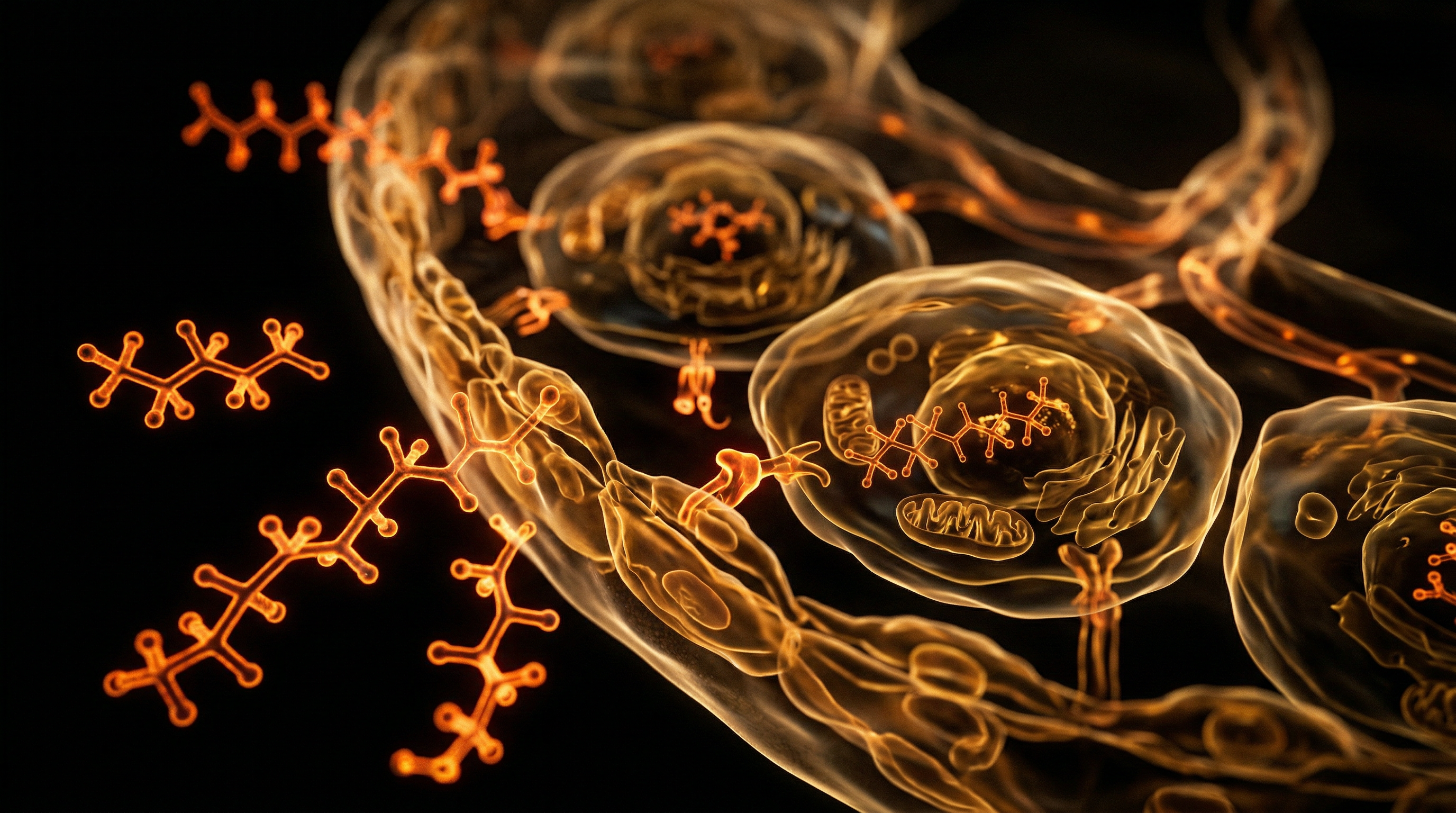
In the quiet, ostensibly sterile environment of the womb, a silent invasion is occurring. For decades, the placental barrier was viewed by the medical establishment as a near-impenetrable fortress, a biological filter designed by evolution to shield the developing foetus from the external world's harms. We now know this to be a dangerous fallacy. Today, every infant born in the United Kingdom enters the world "pre-polluted."
Per- and polyfluoroalkyl substances (PFAS), often termed 'forever chemicals' due to their refusal to break down in the environment or the human body, have been detected in the umbilical cord blood of 100% of tested samples in various global and domestic pilot studies. These synthetic compounds, characterised by their indestructible carbon-fluorine bonds, are not merely passive passengers. They are active endocrine disruptors and metabolic re-programmers that threaten the very blueprint of human development.
In the UK, the crisis is particularly acute. Despite our image as a nation with rigorous health standards, our regulatory frameworks regarding PFAS in drinking water and consumer products lag behind the emerging science. While the mainstream narrative focuses on adult exposure and cancer risks, the most profound and irreversible damage is occurring during the perinatal period. This article serves as a comprehensive forensic investigation into the molecular mechanisms, environmental sources, and systemic failures that have allowed these invisible toxins to compromise the health of the next generation of British citizens.
Key Statistic: Research indicates that PFAS concentrations in the foetal liver can be even higher than those found in maternal blood, suggesting a bio-accumulative effect across the placental interface.
The Biology — How It Works
To understand the threat, one must understand the unique chemistry of PFAS. These are a class of over 12,000 synthetic chemicals used since the 1940s for their water- and grease-resistant properties. The most well-known are PFOA (perfluorooctanoic acid) and PFOS (perfluorooctane sulfonate), though these are being replaced by "short-chain" alternatives like GenX, which are proving to be equally, if not more, mobile in the environment.
The Placental Breach
The placenta is a complex organ, serving as the foetus's lungs, gut, and kidneys. However, PFAS possess a structural mimicry that allows them to hijack the transport proteins intended for essential nutrients.
- Albumin Binding: PFAS have a high affinity for serum albumin. As albumin is transported across the placenta to provide necessary proteins to the foetus, PFAS molecules "hitchhike" along.
- Fatty Acid Mimicry: PFAS structurally resemble long-chain fatty acids. The placenta, which actively pumps fatty acids to the foetus to fuel brain development, cannot distinguish between a vital nutrient like Omega-3 and a toxic fluorinated surfactant.
- Active Transport: Specific transporters, such as Organic Anion Transporters (OATs), which usually move metabolic waste or hormones, are exploited by PFAS to gain entry into the foetal circulation.
The Developmental Window of Vulnerability
Biology dictates that the timing of exposure is as critical as the dose. During the first trimester, the foetus is entirely dependent on maternal thyroid hormones for brain development. PFAS disruption during this specific window can lead to permanent alterations in neurological architecture. Unlike adults, whose systems are largely formed, the foetus is in a state of rapid, high-fidelity replication. A single molecular disruption in the womb can result in a lifetime of systemic dysfunction.
Mechanisms at the Cellular Level
The toxicity of PFAS is not a result of a single "poisonous" strike, but rather a sophisticated interference with cellular signalling and gene expression.
Endocrine Disruption: The Thyroid-Brain Axis
The most documented cellular mechanism of PFAS is its interference with thyroid hormone (TH) homeostasis. Thyroid hormones are the primary "conductors" of foetal growth.
- Competitive Binding: PFAS molecules compete with thyroxine (T4) for binding sites on Transthyretin (TTR), a transport protein that carries thyroid hormones across the blood-brain barrier and the placenta. By displacing T4, PFAS reduce the amount of available hormone reaching the developing foetal brain.
- Deiodinase Interference: PFAS can alter the activity of deiodinase enzymes, which convert T4 into the active T3 form. This leads to "localised hypothyroidism" in tissues even if maternal blood levels appear normal.
PPAR Activation and Metabolic Programming
PFAS are potent activators of Peroxisome Proliferator-Activated Receptors (PPARs), specifically PPAR-alpha and PPAR-gamma. These receptors are the "master switches" for lipid metabolism and adipogenesis (the creation of fat cells).
- The "Obesogen" Effect: By activating PPAR-gamma in the womb, PFAS can pre-programme a foetus to produce more fat cells and larger fat cells. This epigenetic "imprinting" creates a metabolic predisposition to obesity and Type 2 diabetes that is difficult to reverse through diet or exercise in later life.
- Mitochondrial Dysfunction: Emerging evidence suggests PFAS uncouple the oxidative phosphorylation process in the mitochondria. This creates Reactive Oxygen Species (ROS), leading to oxidative stress in the developing heart and liver tissues.
Epigenetic Modification
PFAS do not necessarily change the DNA sequence, but they change how genes are read. Through DNA methylation changes, PFAS exposure in the womb can "silence" genes responsible for immune regulation or "turn on" genes associated with inflammation. This explains the correlation between high cord-blood PFAS and the subsequent development of childhood asthma and allergies.
Environmental Threats and Biological Disruptors
The British landscape is saturated with PFAS, far beyond what the public is led to believe. The sources of exposure for an expectant mother in the UK are multi-faceted and often unavoidable.
The Water Crisis
In the UK, the "safe" limit for PFAS in drinking water is significantly higher than in the United States or the EU. While the US EPA has recently moved toward a limit of 4 parts per trillion (ppt) for PFOA/PFOS, the UK's "trigger level" for monitoring remains at 100 ppt.
- Groundwater Contamination: Areas near firefighting training sites, airports (such as Heathrow and Stansted), and industrial hubs (like the Mersey estuary) show alarmingly high levels of PFAS in the water table.
- Recycled Wastewater: Standard UK water treatment plants are not equipped to filter out PFAS. Consequently, these chemicals are cycled through the municipal supply indefinitely.
Food and Consumer Goods
Diet is a primary route of exposure. PFAS bio-accumulate in the food chain, meaning animal products often contain the highest concentrations.
- Non-stick Cookware: While PFOA was phased out of Teflon, it was replaced by other PFAS variants that leach into food when pans are scratched or overheated.
- Greaseproof Packaging: A significant portion of UK fast-food packaging and supermarket "ready-meal" liners are coated with PFAS to prevent grease leakage.
- Pesticides: Recent investigations have revealed that many pesticides used on UK crops are either formulated with PFAS or stored in fluorinated plastic containers that leach the chemicals into the product.
The "Chemical Soup" Effect
Toxicology has traditionally studied chemicals in isolation. However, the womb is subject to a "cocktail effect." PFAS interact synergistically with other British environmental pollutants, such as phthalates (from plastics) and heavy metals (from old lead piping), creating a cumulative toxic load that far exceeds the sum of its parts.
Callout: In the UK, the "Forever Pollutant Project" identified over 17,000 sites across Europe, including thousands in Britain, where PFAS concentrations reach levels hazardous to health.
The Cascade: From Exposure to Disease
What begins as a molecular disruption in the umbilical cord manifests as a cascade of clinical pathologies throughout the child's life. This is not a theoretical risk; it is a burgeoning public health crisis.
1. Birth Trauma and Low Birth Weight
Higher maternal PFAS levels are consistently linked to lower birth weights. While a few hundred grams might seem negligible, in neonatal medicine, low birth weight is a primary marker for "thrifty phenotype" development—a survival mechanism where the foetus prepares for a nutrient-poor environment, leading to cardiovascular disease in adulthood.
2. Immunological Suppression
One of the most alarming effects of PFAS is the suppression of the vaccine response.
- Studies on children exposed in utero show a significantly reduced production of antibodies following routine childhood vaccinations (such as MMR and DTaP).
- This suggests that PFAS permanently "retrain" the immune system, potentially leading to increased susceptibility to infections and a higher risk of autoimmune disorders.
3. Neurodevelopmental Impacts
Because PFAS interfere with the thyroid-brain axis, they are increasingly implicated in the UK's rising rates of Neurodiversity diagnoses.
- ADHD and Autism: Epidemiological data suggest a correlation between high prenatal PFAS exposure and impaired executive function and social communication deficits.
- IQ Reduction: Subtle but population-wide shifts in cognitive potential are being observed, with some researchers estimating a loss of 2–5 IQ points per standard deviation of PFAS increase in cord blood.
4. Early-Onset Puberty
PFAS are xenoestrogens. In girls, high prenatal and early childhood exposure is linked to earlier onset of breast development and menarche. This hormonal acceleration is not just a social issue; it significantly increases the lifetime risk of breast and ovarian cancers.
What the Mainstream Narrative Omits
The mainstream discourse, filtered through government press releases and industry-funded "safety" assessments, omits several harrowing truths about the PFAS crisis in the UK.
The Replacement Scam
When PFOA and PFOS were restricted, the chemical industry introduced GenX and other "short-chain" PFAS (like PFBS). The narrative was that these are safer because they have shorter half-lives in human blood. However, this is a distraction.
- Short-chain PFAS are more mobile, making them harder to filter from water.
- They have been shown to accumulate more readily in organs like the liver and kidneys than the long-chain versions they replaced.
- They exhibit the same endocrine-disrupting mechanisms.
The Failure of UK REACH
Since Brexit, the UK has moved away from the EU's REACH (Registration, Evaluation, Authorisation and Restriction of Chemicals) framework. The "UK REACH" has been criticised for being underfunded and slow to act. While the EU is moving toward a "universal PFAS ban," the UK government has been hesitant, citing the need for "further evidence"—a classic stalling tactic used by the chemical lobby to ensure another decade of profit at the expense of public health.
The Economic Burden
The mainstream narrative focuses on the cost of cleaning up water supplies (estimated in the billions for the UK). It ignores the externality costs: the billions of pounds the NHS will spend treating the resultant obesity, infertility, and developmental disorders over the next 50 years. We are essentially subsidising the chemical industry with the health of our children.
The UK Context
The United Kingdom faces a unique set of challenges regarding PFAS contamination. Our industrial heritage and geographic density create "hotspots" of exposure that are often overlooked.
The "Chemical North"
Areas in the North West of England, particularly around the Mersey Estuary, have some of the highest recorded levels of PFAS in Europe. This is a legacy of the region's dense concentration of chemical manufacturing plants. Families living in these areas often have multi-generational PFAS accumulation, where the "body burden" is passed from mother to daughter in an unbroken chain of toxicity.
The Sewage Scandal
The UK's ongoing crisis with sewage discharge into rivers has a PFAS dimension. PFAS are found in high concentrations in sewage sludge, which is often spread on agricultural land as fertiliser. This allows PFAS to enter the terrestrial food chain, accumulating in British-grown vegetables and grazing livestock, which then find their way onto the dinner tables of pregnant women.
Regulatory Stagnation
While countries like Denmark have banned PFAS in food packaging, the UK continues to permit its use. The Health and Safety Executive (HSE) and the Environment Agency (EA) have issued reports acknowledging the risk, yet legislative action remains stalled in the corridors of Westminster. This regulatory paralysis is often the result of "revolving door" politics, where former industry lobbyists hold positions in regulatory advisory boards.
Protective Measures and Recovery Protocols
While the systemic issue requires legislative action, individuals—particularly those planning a family or currently pregnant—must take proactive steps to mitigate their "body burden."
1. Water Filtration: The First Line of Defence
Standard charcoal filters (like those in most water jugs) are largely ineffective against PFAS.
- Reverse Osmosis (RO): This is the gold standard for PFAS removal. Installing an RO system under the kitchen sink can remove up to 99% of PFAS compounds.
- Ion Exchange: Certain specialised resin filters are effective but require frequent replacement to prevent "breakthrough" where the chemicals are released back into the water.
2. Dietary Modifications
Since PFAS accumulate in animal fats, dietary choices can significantly impact exposure levels.
- Source Conscious: Avoid "wild-caught" fish from UK inland rivers, which are often heavily contaminated. Opt for smaller, wild-caught marine fish or certified organic sources.
- Eliminate Non-Stick: Replace all PTFE-coated (Teflon) cookware with stainless steel, cast iron, or high-quality ceramic.
- Avoid Fast Food Packaging: Minimise consumption of takeaway foods that come in greaseproof wraps or moulded fibre bowls, as these are primary sources of "migratory" PFAS.
3. Biological Support and "Detoxification"
While "detox" is a word often maligned by the mainstream, in a toxicological sense, supporting the body's natural elimination pathways is vital.
- Bile Sequestrants: PFAS circulate through enterohepatic circulation—they are excreted into bile and then reabsorbed in the gut. Consuming high-fibre diets or specific natural binders like cholestyramine (under medical supervision) or certain clays may help "trap" PFAS in the gut and facilitate excretion.
- Glutathione Support: PFAS cause oxidative stress. Supporting the body’s master antioxidant, glutathione, through precursors like N-acetylcysteine (NAC) and selenium can help protect foetal tissues from the inflammatory damage PFAS cause.
- Iodine Optimisation: Since PFAS compete with thyroid hormones, ensuring adequate (but not excessive) iodine intake is crucial for pregnant women to support foetal TH production.
4. Air and Dust Control
PFAS are semi-volatile and accumulate in household dust, particularly from treated carpets and upholstery.
- HEPA Filtration: Use vacuum cleaners with HEPA filters and high-quality air purifiers to reduce inhalation of PFAS-laden dust.
- Avoid "Stain-Resistant" Treatments: When purchasing new furniture or carpets, opt for materials that have not been treated with "easy-clean" fluorinated coatings.
Summary: Key Takeaways
The presence of PFAS in the UK's perinatal environment is a biological emergency. These chemicals are not merely contaminants; they are fundamental disruptors of the human developmental programme.
- Ubiquitous Exposure: PFAS are found in 100% of UK infants' cord blood, bypassing the placental barrier through molecular mimicry.
- Molecular Sabotage: PFAS interfere with thyroid function and activate metabolic "fat switches" (PPARs), pre-programming infants for a lifetime of disease.
- Regulatory Neglect: The UK government's failure to match international safety standards for PFAS in water and consumer products leaves British families uniquely vulnerable.
- The "Forever" Legacy: Short-chain replacements are no safer than the original chemicals, representing a "regrettable substitution" by the chemical industry.
- Individual Action is Essential: In the absence of state protection, the use of Reverse Osmosis water filtration, dietary changes, and household modifications are the only ways to reduce the "pre-pollution" of the next generation.
The "invisible threat" of PFAS is a testament to a systemic failure to prioritise biological integrity over industrial convenience. For the senior biological researcher, the data is clear: we are conducting an uncontrolled toxicological experiment on our children. The time for "monitoring" has passed; the time for radical avoidance and systemic removal is now. The health of the UK's future depends entirely on our ability to purge these "forever chemicals" from the womb.
This article is provided for informational and educational purposes only. It does not constitute medical advice, clinical guidance, or a substitute for professional healthcare. Information reflects cited research at time of publication. Always consult a qualified healthcare professional before acting on any health information.
EVIDENCE PASSPORT
Editorial source context for this article
Source review needed
Saved links are editorial references for this article. They may support specific claims rather than every sentence. Open and assess each source in context. This passport does not independently verify them.
Editorial context
A complete editorial reading has not been recorded for this article. Source links remain available for you to open and assess directly.
Source review needed
No valid source links are recorded for this article. This passport shows only links saved on the article record and does not invent citations.
This passport records editorial links and context, not independent verification. Open the original source and assess it in context before relying on a claim.
Medical Disclaimer
The information in this article is for educational purposes only and does not constitute medical advice, diagnosis, or treatment. Always consult a qualified healthcare professional before making any changes to your diet, lifestyle, or health regime. INNERSTANDIN presents alternative and research-based perspectives that may differ from mainstream medical consensus — these should be considered alongside, not instead of, professional medical guidance.
Read Full DisclaimerContinue the thread
Keep this question moving.
Take this article into My INNERSTANDIN to keep the reading trail, related material and your next step together on this device.
Explore this in the Body Map
See where this hits your biology. Interactive anatomy, threats, and protective protocols.
Dig deeper in the Library
Free, longform PDF volumes that go beyond headlines into mechanisms and references.