
PFAS: The Forever Chemicals and Thyroid Nodules
Updated May 2026
Per- and polyfluoroalkyl substances in UK water supplies are driving thyroid abnormalities misdiagnosed as idiopathic. This article explores the bioaccumulation of PFAS in endocrine tissue.
Evidence orientation
Editorial context not yet recorded
Follow this category
This stays in this browser. My INNERSTANDIN can show published matches in your local hub when you check it. It does not send email, push, or alert notifications.
Local learning review
A private browser aid for revisiting ideas. It is not an alert or a health recommendation.
Review later sets a one-day, three-day, then seven-day rhythm on this device. Choose it only when you want to revisit this article.
Overview
In the quiet corridors of the British healthcare system, an epidemic is brewing—one that is frequently brushed aside as a series of unrelated "idiopathic" occurrences. We are witnessing a monumental surge in thyroid abnormalities, specifically the formation of thyroid nodules and multi-nodular goitres, which the National Health Service (NHS) increasingly classifies as "incidentalomas." Yet, as we peer through the lens of environmental toxicology and molecular biology, a far more sinister pattern emerges. This is not a coincidence of genetics or "ageing"; it is the biological manifestation of persistent chemical warfare.
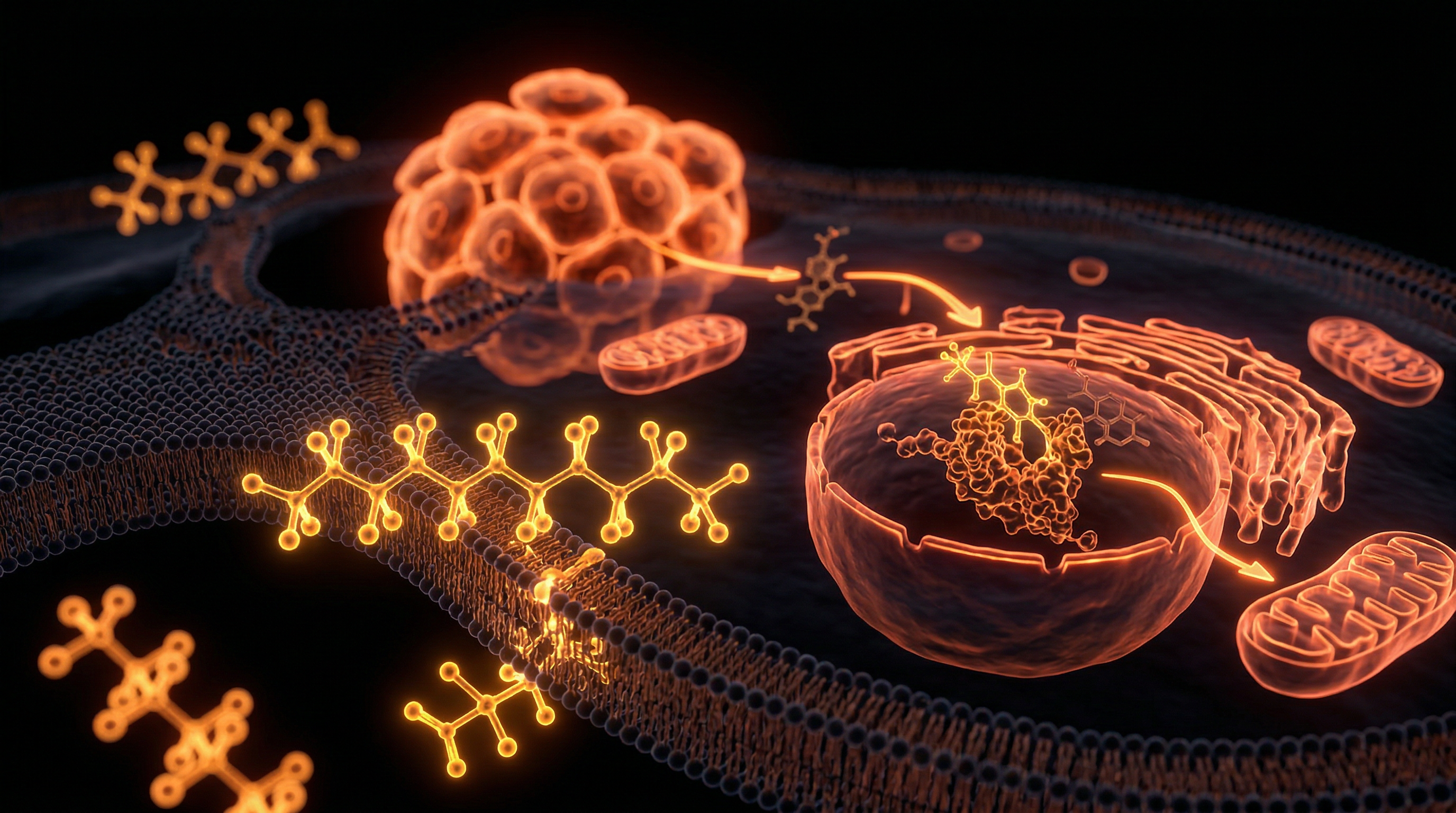
The primary culprits are Per- and polyfluoroalkyl substances (PFAS), a class of over 12,000 synthetic chemicals defined by their carbon-fluorine bonds—the strongest in organic chemistry. These are the "Forever Chemicals." They do not break down in the environment, and more importantly, they do not easily leave the human body. Instead, they bioaccumulate, with a particular affinity for the endocrine system and the thyroid gland.
For decades, the UK’s industrial and agricultural sectors have allowed these substances to leach into our groundwater, our rivers, and ultimately, our taps. While the mainstream medical narrative focuses on TSH (Thyroid Stimulating Hormone) levels as the "gold standard" of health, it ignores the structural changes occurring at the cellular level within the thyroid tissue. This article serves as a comprehensive exposé on how PFAS exposure is driving a surge in thyroid nodules and why the current NHS diagnostic framework is fundamentally ill-equipped to handle this environmental crisis.
Fact: Recent data suggests that nearly 40% of the UK population may have detectable thyroid nodules upon ultrasound examination, yet less than 5% of these are investigated for environmental toxicant triggers.
The Biology — How It Works
The thyroid gland is a butterfly-shaped powerhouse located in the neck. It serves as the master regulator of metabolism, heart rate, and body temperature. Its function relies on the delicate synthesis of thyroid hormones: Thyroxine (T4) and Triiodothyronine (T3). This process is highly dependent on the uptake of iodine, a halogen.
PFAS chemicals are structurally insidious. Because of their electronegative properties and molecular weight, they interfere with the thyroid's homeostatic mechanisms at several key junctures:
The Sodium-Iodide Symporter (NIS) Interference
The first step in thyroid hormone production is the transport of iodide from the bloodstream into the thyroid follicular cells. This is managed by the Sodium-Iodide Symporter (NIS). PFAS compounds, particularly PFOA (Perfluorooctanoic acid) and PFOS (Perfluorooctane sulfonate), have been shown to competitively inhibit this symporter. Essentially, the PFAS molecules "clog" the gate, preventing the gland from receiving the iodine it needs to function.
Binding Protein Competition
Once thyroid hormones are released into the blood, they are transported by carrier proteins, primarily Transthyretin (TTR) and Thyroxine-binding globulin (TBG). PFAS molecules possess a high structural similarity to T4. They compete for these binding sites, effectively "kicking" the actual hormones off their transport vehicles. This results in an increase in "free" hormone levels that the body cannot properly utilise, leading to a state of cellular hypothyroidism despite "normal" blood tests.
The Hypothalamic-Pituitary-Thyroid (HPT) Axis Disruption
The body operates on a feedback loop. When PFAS interferes with hormone binding and uptake, the pituitary gland senses a deficiency and increases the production of TSH. This constant, chronic stimulation of the thyroid gland to "work harder" in a toxic environment leads to hyperplasia—the abnormal multiplication of cells. This is the biological genesis of a nodule.
Mechanisms at the Cellular Level
To understand why a nodule forms, we must look deeper than the tissue level; we must look at the mitochondrial and genomic disruption caused by PFAS.
PPAR Signalling and Lipid Metabolism
PFAS are known agonists of Peroxisome Proliferator-Activated Receptors (PPARs). These are nuclear receptor proteins that act as transcription factors, regulating the expression of genes. When PFAS binds to PPAR-alpha or PPAR-gamma in thyroid cells, it disrupts normal lipid metabolism and cellular differentiation. This disruption signals the cell to enter a state of unregulated growth, bypassing the natural "checkpoints" of the cell cycle.
Oxidative Stress and DNA Damage
The thyroid gland is already an environment of high oxidation because the synthesis of thyroid hormones requires hydrogen peroxide ($H2O2$). Under normal conditions, the body uses antioxidants like Selenium (as selenoproteins) to neutralise this. However, PFAS exposure depletes intracellular glutathione and inhibits antioxidant enzyme activity.
- The resulting oxidative stress leads to lipid peroxidation of the follicular cell membranes.
- Chronic inflammation (thyroiditis) ensues.
- Persistent DNA damage occurs, which can cause benign nodules to undergo neoplastic transformation, potentially leading to thyroid carcinoma.
Membrane Permeability and Bioaccumulation
Unlike many toxins that store in fat (lipophilic), PFAS compounds are amphiphilic; they have both water-loving and fat-loving properties. This allows them to bind to serum proteins and accumulate in the highly vascularised tissue of the thyroid. Once inside the follicular cells, PFAS can alter the fluidity of the cell membrane, making the gland more susceptible to other environmental triggers, such as heavy metals or viruses.
Callout: PFAS have a half-life in the human body ranging from 3 to 7 years, meaning even if exposure stops today, the biological disruption continues for a decade.
Environmental Threats and Biological Disruptors
The United Kingdom faces a unique set of challenges regarding PFAS contamination. Unlike the vast landscapes of the US, the UK is a densely populated island with an integrated water system that has been recycling industrial runoff for over a century.
Water Supplies: The Silent Source
The primary route of exposure for the British public is drinking water. UK water companies are currently not required by law to remove PFAS to "non-detectable" levels. Most conventional water treatment plants use sand filtration and chlorination, neither of which is effective against the carbon-fluorine bond of PFAS.
- Agricultural Runoff: PFAS-laden sludge (biosolids) is often spread on UK farmland as fertiliser, which then leaches into the aquifers.
- Firefighting Foams (AFFF): Military bases and airports across the UK (such as those in Lakenheath or the various regional hubs) have used PFAS-heavy foams for decades. These have created "plumes" of contamination in the surrounding groundwater.
Consumer Goods and Indoor Air
While water is the primary vector, the "Forever Chemical" load is supplemented by:
- Non-stick Cookware: Polytetrafluoroethylene (PTFE) coatings that degrade at high temperatures.
- Stain-resistant Textiles: Carpets and upholstery common in British households.
- Food Packaging: Grease-resistant linings in takeaway boxes and microwave popcorn bags.
The cumulative effect is a "chemical soup" that the human endocrine system was never evolved to process. The thyroid, being the most sensitive gland to halogen competition, bears the brunt of this toxic load.
The Cascade: From Exposure to Disease
The progression from PFAS ingestion to the clinical diagnosis of a thyroid nodule follows a predictable, yet often ignored, cascade.
- Initial Accumulation: PFAS enters the bloodstream via the gut. It binds to albumin and begins concentrating in the thyroid tissue due to the gland's high blood flow.
- Enzymatic Inhibition: PFAS begins to inhibit the Deiodinase enzymes (D1, D2, and D3), which are responsible for converting the inactive T4 into the active T3. This creates "tissue-level hypothyroidism."
- Compensatory Hypertrophy: The thyroid gland, sensing it cannot produce or convert enough active hormone, begins to enlarge. Initially, this is diffuse (a simple goitre).
- Focal Proliferation: Over time, specific clusters of cells within the gland, under constant stress and oxidative pressure, begin to replicate autonomously.
- Nodule Formation: These clusters form palpable or visible nodules. In the UK, these are usually found during unrelated scans (e.g., for carotid arteries) or when a patient complains of a "lump" or "difficulty swallowing."
Statistical Insight: Studies in highly contaminated PFAS regions have shown a direct correlation between serum PFOA levels and a 20% increased risk of being diagnosed with thyroid disease.
What the Mainstream Narrative Omits
The NHS and the broader medical establishment are currently operating under a paradigm that is decades out of date. When a patient presents with a thyroid nodule, the protocol is generally:
- Blood test for TSH and T4.
- Ultrasound.
- Fine Needle Aspiration (FNA) if the nodule is over a certain size.
If the TSH is within the "normal" range (which is notoriously wide in the UK) and the FNA is benign, the patient is told there is "nothing to worry about" and the cause is "unknown" or "idiopathic."
The Failure of TSH Testing
The mainstream narrative omits the fact that TSH is a pituitary hormone, not a thyroid hormone. It does not measure the toxic load within the thyroid tissue itself. A patient can have "perfect" blood results while their thyroid tissue is riddled with PFAS and undergoing morphological changes.
The Myth of "Safe Levels"
Regulatory bodies like the European Food Safety Authority (EFSA) have drastically lowered their recommended "tolerable weekly intake" for PFAS in recent years. However, the UK has been slow to adopt these more stringent limits. The "safe" levels quoted by water companies often focus on only two chemicals (PFOA and PFOS), ignoring the "cocktail effect" of the thousands of other PFAS variants currently in circulation.
Ignoring the "Why"
In the current NHS model, there is no investigation into why the nodule formed. By labelling these conditions "idiopathic," the medical system abdicates its responsibility to address the environmental causes. This allows the exposure to continue, leading to further complications such as autoimmune thyroiditis (Hashimoto’s), which is frequently the next step after nodule formation.
The UK Context
The UK’s relationship with PFAS is particularly troubling due to the privatisation of water and the lack of aggressive regulatory oversight compared to our European neighbours.
The "Forever Chemicals" Map
Mapping projects by investigative journalists and environmental groups have revealed that PFAS "hotspots" exist across the length and breadth of the UK. Areas near the River Mersey, the Thames, and the Severn show concentrations of PFAS that far exceed the levels linked to endocrine disruption in peer-reviewed studies.
Regulatory Inertia
The Health and Safety Executive (HSE) and the Environment Agency (EA) have been slow to implement a total ban on the PFAS class. Instead, they favour a substance-by-substance approach, which allows manufacturers to swap one toxic PFAS (like PFOA) for another slightly different, yet equally persistent, version (like GenX or PFBS). This "chemical whack-a-mole" ensures that the UK population remains a living laboratory for these substances.
The Misdiagnosis Pattern
In the UK, the rise in thyroid nodules coincides perfectly with the historical peak of PFAS production and use (1970s–2000s). Because these chemicals bioaccumulate, we are now seeing the "lag effect." The patients currently presenting with nodules in their 40s, 50s, and 60s are those who grew up during the height of the Teflon and Scotchgard era, drinking water from pipes and sources that were never screened for these compounds.
Protective Measures and Recovery Protocols
While the systemic issue requires legislative change, individuals must take proactive steps to reduce their body burden and protect their thyroid tissue from the damaging effects of PFAS.
1. Advanced Water Filtration
Standard "jug" filters are largely ineffective for PFAS removal. To truly protect the thyroid, one must utilise:
- Reverse Osmosis (RO): The most effective method for removing over 90% of PFAS.
- Activated Carbon (Solid Block): High-quality carbon block filters can significantly reduce PFAS concentrations if they are certified for NSF/ANSI Standard 53.
2. Nutritional Support for the Thyroid
To counter the "competitive inhibition" caused by PFAS, the thyroid requires specific nutrients:
- Iodine: While crucial, iodine supplementation must be handled with care. If one is iodine-deficient in a PFAS-rich environment, the thyroid is even more vulnerable. However, taking high doses of iodine without sufficient Selenium can trigger autoimmune responses.
- Selenium: Essential for the deiodinase enzymes and the production of glutathione peroxidase. Selenium helps protect the gland from the oxidative damage caused by PFAS accumulation.
- Zinc and Vitamin A: Necessary for the conversion of T4 to T3 and for the thyroid hormone receptors at the cellular level.
3. Enhancing Phase II Detoxification
The liver is responsible for processing and excreting PFAS (primarily via bile). Supporting the liver’s Phase II glucuronidation and sulfation pathways is vital.
- Calcium D-Glucarate: May help prevent the reabsorption of toxins from the gut.
- Cholestyramine: In severe cases of toxic load, this bile acid sequestrant has been used clinically to "trap" PFAS in the digestive tract and prevent its enterohepatic circulation, though this should only be done under medical supervision.
4. Eliminating Sources
- Cookware: Transition to stainless steel, cast iron, or 100% ceramic.
- Waterproofing: Avoid "breathable" waterproof clothing (Gore-Tex and similar) that utilizes PFAS coatings, opting for wax-based alternatives where possible.
- Personal Care: Check labels for "Fluoro" or "PTFE" ingredients in dental floss and cosmetics.
Summary: Key Takeaways
The connection between PFAS and thyroid nodules is a glaring example of how environmental degradation translates directly into human pathology. The NHS’s failure to acknowledge this link is a failure of preventive medicine.
- PFAS are persistent: They do not break down and have a high affinity for the thyroid gland, where they interfere with iodine uptake and hormone transport.
- Nodules are a reactive response: The formation of thyroid nodules is often a compensatory or inflammatory reaction to the chronic presence of these toxic "mimics."
- Testing is inadequate: Standard NHS thyroid panels (TSH/T4) do not reflect the cellular and structural damage occurring within the gland.
- The UK is a hotspot: Due to industrial history and water management practices, the UK population faces significant and ongoing exposure.
- Proactive steps are necessary: In the absence of state-level protection, individuals must employ high-level water filtration and targeted nutritional strategies to mitigate the "Forever Chemical" threat.
We must stop viewing thyroid nodules as "idiopathic" mysteries of the human body and start seeing them for what they truly are: biological markers of a world saturated in synthetic toxins. The "Forever Chemicals" may be here to stay in our environment, but by understanding their mechanisms and exposing the truth behind the misdiagnosis patterns, we can take the necessary steps to protect the health of our own internal environments.
This article is provided for informational and educational purposes only. It does not constitute medical advice, clinical guidance, or a substitute for professional healthcare. Information reflects cited research at time of publication. Always consult a qualified healthcare professional before acting on any health information.
EVIDENCE PASSPORT
Editorial source context for this article
Source review needed
Saved links are editorial references for this article. They may support specific claims rather than every sentence. Open and assess each source in context. This passport does not independently verify them.
Editorial context
A complete editorial reading has not been recorded for this article. Source links remain available for you to open and assess directly.
Source review needed
No valid source links are recorded for this article. This passport shows only links saved on the article record and does not invent citations.
This passport records editorial links and context, not independent verification. Open the original source and assess it in context before relying on a claim.
Medical Disclaimer
The information in this article is for educational purposes only and does not constitute medical advice, diagnosis, or treatment. Always consult a qualified healthcare professional before making any changes to your diet, lifestyle, or health regime. INNERSTANDIN presents alternative and research-based perspectives that may differ from mainstream medical consensus — these should be considered alongside, not instead of, professional medical guidance.
Read Full DisclaimerContinue the thread
Keep this question moving.
Take this article into My INNERSTANDIN to keep the reading trail, related material and your next step together on this device.
Explore this in the Body Map
See where this hits your biology. Interactive anatomy, threats, and protective protocols.
Dig deeper in the Library
Free, longform PDF volumes that go beyond headlines into mechanisms and references.