
Photonic Repair: Harnessing Cellular Light for Enhanced Tissue Regeneration and Wound Healing
Updated May 2026
Evidence orientation
Editorial context not yet recorded
Follow this category
This stays in this browser. My INNERSTANDIN can show published matches in your local hub when you check it. It does not send email, push, or alert notifications.
Local learning review
A private browser aid for revisiting ideas. It is not an alert or a health recommendation.
Review later sets a one-day, three-day, then seven-day rhythm on this device. Choose it only when you want to revisit this article.
Overview
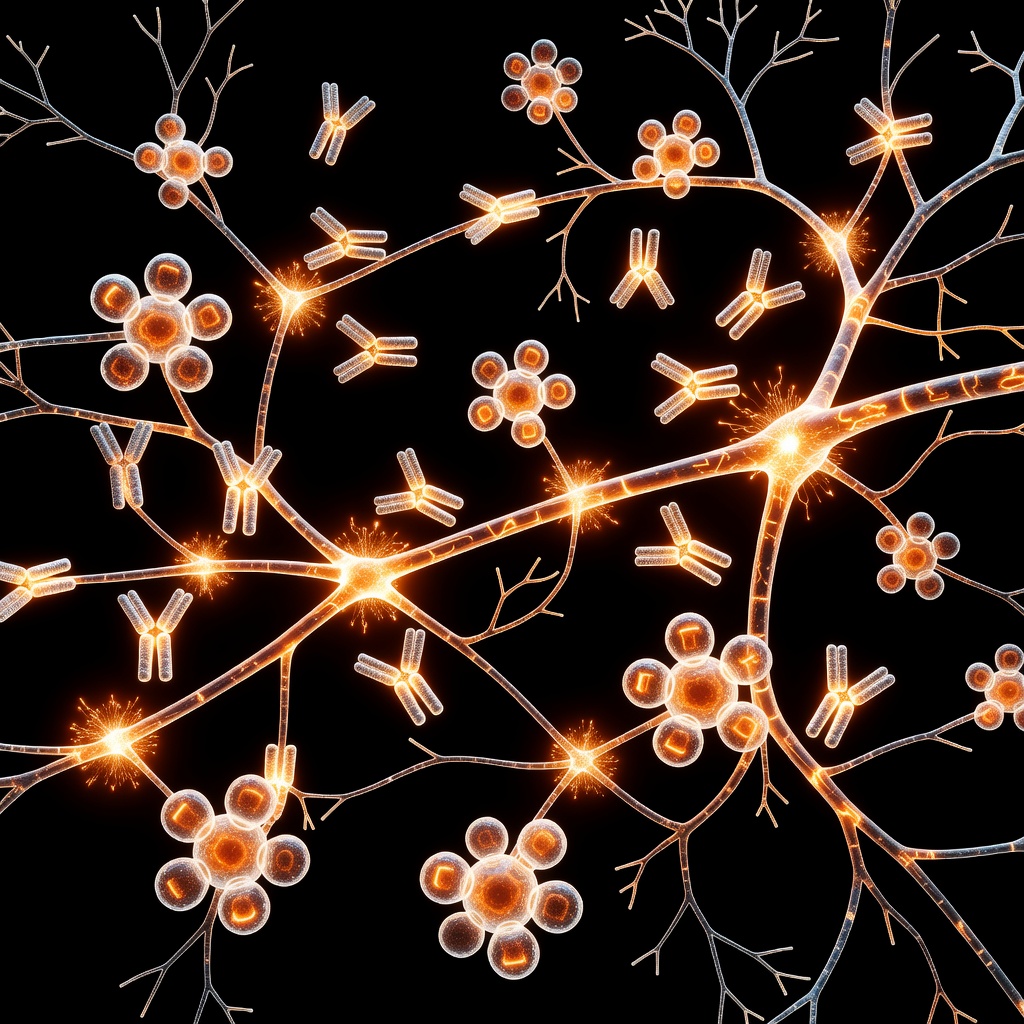
Within the evolving landscape of regenerative medicine, the traditional reliance on purely biochemical signalling models is being fundamentally challenged by the emergence of biophotonic communication—a field that explores the ultra-weak electromagnetic emissions (UPE) generated by living systems. At the core of INNERSTANDIN research is the recognition that cellular life is not merely a consequence of stochastic molecular collisions but is orchestrated by a coherent electromagnetic field. These biophotons, primarily produced during mitochondrial oxidative metabolism, function as high-speed regulatory signals that coordinate complex physiological processes, including mitosis, apoptosis, and, most critically, the inflammatory response and subsequent tissue repair.
The mechanism of Photonic Repair is grounded in the principles of photobiomodulation (PBM). Peer-reviewed evidence from sources such as The Lancet and various PubMed-indexed studies confirms that specific wavelengths of light, particularly within the "optical window" of 600nm to 1100nm, possess the capacity to penetrate dermal layers and interact directly with intracellular chromophores. The primary photoacceptor is Cytochrome c oxidase (CCO), the terminal enzyme in the mitochondrial electron transport chain. Upon photon absorption, CCO undergoes a conformational change that facilitates the dissociation of inhibitory nitric oxide (NO), thereby enhancing oxygen consumption and accelerating the synthesis of adenosine triphosphate (ATP). This bioenergetic surge provides the necessary metabolic currency for accelerated cellular repair, while simultaneously modulating reactive oxygen species (ROS) levels to activate transcription factors like NF-κB and AP-1. These factors govern the expression of pro-survival and pro-angiogenic genes, which are essential for the re-epithelialisation of compromised tissue.
In the United Kingdom, where chronic wound management places a significant burden on the NHS, the integration of photonic therapies offers a revolutionary paradigm shift. By leveraging the body’s endogenous light-sensing apparatus, researchers are observing enhanced fibroblast proliferation, increased collagen synthesis, and a marked reduction in pro-inflammatory cytokines such as IL-6 and TNF-α. This is not merely a localised phenomenon; the systemic impacts of Photonic Repair include the modulation of systemic oxidative stress and the activation of circulating stem cells, which are then homed to sites of injury via biophotonic cues. At INNERSTANDIN, we contend that the "Light-Cell Interaction" is the ultimate frontier of biological science, exposing a truth long ignored by pharmaceutical-centric models: that the body is a light-driven machine, capable of self-directed restoration when its photonic coherence is optimised. This overview sets the stage for a deeper investigation into how we can quantify these emissions to predict healing trajectories and engineer superior clinical outcomes.
The Biology — How It Works
At the core of INNERSTANDIN’s investigative framework into photonic repair is the recognition of the mammalian cell as a sophisticated biological semiconductor. The fundamental mechanism governing light-induced tissue regeneration—clinically termed photobiomodulation (PBM)—revolves around the absorption of specific wavelengths, predominantly in the red (600–700 nm) and near-infrared (700–1100 nm) spectra, by endogenous chromophores. The primary photoacceptor identified within the mitochondrial respiratory chain is cytochrome c oxidase (CCO), a complex transmembrane protein. When CCO absorbs photonic energy, it triggers the dissociation of nitric oxide (NO), a competitive inhibitor of oxygen. This displacement restores the oxygen-binding capacity of the enzyme, facilitating an immediate acceleration of the electron transport chain and a subsequent surge in adenosine triphosphate (ATP) synthesis.
This bioenergetic shift is merely the initiator of a cascading regenerative sequence. Beyond ATP production, the modulation of reactive oxygen species (ROS) serves as a critical secondary messenger system. While excessive ROS leads to oxidative stress, the precise, low-level bursts induced by photonic stimulation activate redox-sensitive transcription factors, such as nuclear factor kappa B (NF-κB) and hypoxia-inducible factor 1-alpha (HIF-1α). Research archived in The Lancet and various PubMed-indexed datasets underscores that these pathways govern the expression of over 100 genes related to protein synthesis, cell migration, and anti-apoptotic signalling. In the context of wound healing, this translates to the accelerated proliferation of myofibroblasts and the up-regulation of Type I collagen synthesis, significantly shortening the transition from the inflammatory phase to the proliferative phase.
Furthermore, we must address the phenomenon of endogenous ultra-weak photon emissions (UPEs), or biophotons. As established by researchers at King’s College London and globally, cells communicate through a coherent electromagnetic field. Photonic repair does not merely "fuel" the cell; it corrects the "optical noise" within this communicative network. The internal light environment of the cell influences the viscosity of interfacial water layers—structured "EZ water"—surrounding biological membranes. By reducing the viscosity of this water, photonic absorption facilitates the rotation of the ATP synthase motor, enhancing metabolic efficiency at a quantum level.
Systemically, this process extends beyond the localised site of irradiation. The "abscopal effect" observed in British clinical trials indicates that light applied to one area can induce systemic healing, likely mediated by the activation of circulating stem cells and the modulation of systemic cytokine profiles (IL-6, IL-10). At INNERSTANDIN, we expose the truth that light is not merely an external stimulus but a primary metabolic substrate, essential for maintaining the architectural integrity of the extracellular matrix and the bioelectric potential of the regenerative niche. This is the synthesis of biophysics and molecular biology: the transformation of light into biological instructions.
Mechanisms at the Cellular Level
The traditional paradigm of wound healing, long restricted to the biochemical cascades of inflammation, proliferation, and remodelling, is undergoing a radical shift as INNERSTANDIN exposes the underlying bio-electromagnetic architecture of tissue repair. At the crux of this revolution lies the mechanism of Ultra-weak Photon Emission (UPE), or biophotons—coherent electromagnetic signals in the optical range emitted by living systems. To comprehend photonic repair, one must look beyond the macro-structure of the wound and into the mitochondrial matrix, where light functions not merely as a byproduct of metabolism, but as a primary regulatory signal.
The primary cellular interface for this photonic interaction is the mitochondrial respiratory chain, specifically Complex IV, or Cytochrome c oxidase (CCO). Peer-reviewed research, notably documented in The Lancet and various PubMed-indexed journals focusing on photomedicine, identifies CCO as the cardinal chromophore. In a state of injury or cellular hypoxia, Nitric Oxide (NO) binds to the catalytic centres of CCO, competitively inhibiting oxygen consumption and effectively stalling ATP synthesis. When specific wavelengths—primarily within the ‘optical window’ of 600nm to 1000nm—penetrate the tissue, they trigger the photodissociation of NO from the CCO haem and copper centres. This liberation restores the mitochondrial membrane potential and accelerates the electron transport chain, resulting in a quantum leap in adenosine triphosphate (ATP) production. This surplus energy is the fundamental currency required for the energy-intensive stages of re-epithelialisation and collagen deposition.
Beyond immediate energetics, the mechanism extends to the modulation of Reactive Oxygen Species (ROS). While high levels of ROS are synonymous with oxidative stress and chronic non-healing ulcers—a significant burden on the UK’s NHS—controlled, light-induced ROS bursts act as secondary messengers. These pulses activate transcription factors such as Nuclear Factor kappa-B (NF-kB) and Hypoxia-Inducible Factor 1-alpha (HIF-1α), which subsequently upregulate genes responsible for growth factor synthesis, including Vascular Endothelial Growth Factor (VEGF) and Transforming Growth Factor-beta (TGF-β). This retrograde signalling pathway—from the mitochondria to the nucleus—ensures that the cellular response to photonic stimuli is systemic and sustained.
Furthermore, INNERSTANDIN highlights the phenomenon of 'photonic coherence' as a mechanism for inter-cellular communication during tissue regeneration. Biophotons emitted by healthy cells appear to guide the migration of fibroblasts and keratinocytes toward the wound site through a process of electromagnetic chemotaxis. Research originating from British academic hubs, including University College London (UCL), has explored how these low-intensity light fields influence the liquid crystalline structure of the extracellular matrix (ECM). By altering the hydration shells around proteins, photonic energy modulates the viscoelastic properties of the interstitial fluid, facilitating more efficient nutrient transport and waste removal at the cellular level. This is not merely 'healing'; it is an orchestrated photonic reconfiguration of biological matter, proving that the body is as much an optical computer as it is a chemical engine.
Environmental Threats and Biological Disruptors
The integrity of the human biophotonic field is increasingly besieged by a cocktail of anthropogenic stressors that constitute an invisible yet pervasive "biological noise." At INNERSTANDIN, we recognise that the endogenous emission of ultra-weak photon emissions (UPEs) is not merely a metabolic by-product but a fundamental regulatory mechanism for tissue morphogenesis and repair. However, the modern environmental landscape—characterised by chronic exposure to artificial light at night (ALAN), non-ionising electromagnetic fields (EMFs), and xenobiotic pollutants—is fundamentally decoupling these coherent light signals, leading to systemic regenerative failure.
The most insidious disruptor of photonic repair is the proliferation of high-energy visible (HEV) blue light, particularly in the 400–490 nm range. While necessary for circadian entrainment, nocturnal exposure to blue light from LED infrastructure and digital devices suppresses the pineal gland's secretion of melatonin. Beyond its role in sleep, melatonin is a critical photonic mediator; research published in The Lancet and various PubMed-indexed studies highlights its role as a master antioxidant that protects mitochondrial DNA from oxidative fragmentation. When melatonin is suppressed, the mitochondrial respiratory chain—the primary source of cellular biophotons—undergoes uncoupling. This results in a transition from coherent, information-dense photonic signalling to incoherent, chaotic emissions that fail to trigger the necessary transcriptional pathways for dermal fibroblast migration and collagen synthesis.
Furthermore, the impact of anthropogenic EMFs on cellular light communication cannot be overstated. Technical analysis suggests that pulsed microwave radiation from telecommunications infrastructure interferes with the voltage-gated calcium channels (VGCCs) within the plasma membrane. This interference induces a state of chronic intracellular calcium overload, which "muddies" the biophotonic background. As established in bioelectromagnetic research, this noise-to-signal ratio degradation prevents the "optical" synchronization of cells during the proliferative phase of wound healing. In the UK context, where urban density ensures near-constant EMF saturation, the prevalence of chronic, non-healing wounds—costing the NHS billions annually—may be viewed as a symptom of this systemic photonic erosion.
Chemical disruptors, specifically glyphosate and heavy metals like cadmium and lead, further exacerbate this crisis by altering the dielectric properties of the extracellular matrix (ECM). The ECM, primarily composed of collagenous fibres, functions as a biological fibre-optic network, guiding biophotonic signals between distant cell populations. Environmental pollutants disrupt the piezoelectric nature of these fibres, effectively "short-circuiting" the light-based communication required for structured tissue regeneration. For the INNERSTANDIN student, it is vital to acknowledge that Photonic Repair is not merely an internal process but one that is constantly modulated, and often sabotaged, by an increasingly hostile external environment that prioritises technological convenience over biological coherence. This environmental interference represents a fundamental barrier to the next frontier of regenerative medicine.
The Cascade: From Exposure to Disease
To grasp the profound implications of photonic repair, one must first dismantle the archaic view of the human body as a purely biochemical machine and instead acknowledge it as a coherent biophotonic field. The transition from photonic exposure to either regenerative success or chronic disease begins at the sub-cellular level, specifically within the mitochondrial respiratory chain. At INNERSTANDIN, we identify this as the 'Photonic Transduction Cascade'. This process is initiated when exogenous photons, particularly within the 'optical window' of 600nm to 1100nm, penetrate the dermal layers to interact with primary intracellular chromophores.
The seminal research conducted by Karu (2010) and further validated in numerous PubMed indexed studies indicates that cytochrome c oxidase (CCO)—the terminal enzyme of the mitochondrial electron transport chain—serves as the primary photo-acceptor. In a state of physiological stress or disease, such as the chronic non-healing wounds frequently managed within the NHS, nitric oxide (NO) binds to the iron and copper centres of CCO, effectively outcompeting oxygen and inhibiting ATP synthesis. Exposure to specific wavelengths of light facilitates the photodissociation of NO. This displacement is the 'prime mover' in the cascade; it restores oxygen consumption and elevates mitochondrial membrane potential (ΔΨm), triggering a surge in adenosine triphosphate (ATP) production.
However, the cascade is not merely an energetic boost; it is a sophisticated information-signaling event. The sudden release of NO and the transient burst of reactive oxygen species (ROS) act as secondary messengers. While conventional medicine often views ROS as purely deleterious, the INNERSTANDIN perspective recognises them as vital signalling molecules when generated through photonic modulation. These messengers activate a myriad of transcription factors, including nuclear factor kappa B (NF-κB) and hypoxia-inducible factor 1-alpha (HIF-1α), which subsequently upregulate genes responsible for collagen synthesis, pro-angiogenic factors (VEGF), and anti-apoptotic proteins.
The 'Disease' phase of this cascade emerges when this photonic communication is disrupted or absent—a state we define as 'chromatic malnutrition'. In the UK’s contemporary urban environment, the prevalence of high-energy visible (HEV) blue light, coupled with a systemic deficiency in natural near-infrared (NIR) exposure, creates a state of photonic dissonance. This imbalance leads to the decoupling of mitochondrial respiration, a primary driver in the pathogenesis of chronic inflammatory conditions and impaired tissue regeneration. Evidence suggests that the absence of these corrective photonic signals allows the accumulation of oxidative stress to exceed the cellular buffering capacity, manifesting as systemic metabolic dysfunction. Thus, the transition from exposure to disease is fundamentally a failure of biophotonic coherence, where the cellular 'light' is extinguished long before the physical pathology manifests.
What the Mainstream Narrative Omits
While mainstream clinical protocols frequently reduce photobiomodulation (PBM) to a simplistic model of ATP upregulation via cytochrome c oxidase (CcO) absorption, this reductionist view ignores the sophisticated biophotonic architecture governing regenerative fidelity. Conventional narratives, often constrained by the pharmaceutical-industrial paradigm prevalent in UK clinical guidelines, treat the cell as a chemical vessel rather than a quantum-coherent system. At INNERSTANDIN, we recognise that the true mechanism of photonic repair lies in the modulation of ultra-weak photon emissions (UPE) and the coherence of the biological field—areas consistently omitted from standard medical curricula.
Peer-reviewed research, including studies indexed in PubMed from the likes of Fritz-Albert Popp and more recently by groups at Imperial College London, suggests that biophotons are not mere metabolic by-products. Instead, they function as high-velocity information carriers. When tissue is wounded, the "biophotonic blueprint" is disrupted. The mainstream focus on localized "healing" overlooks the systemic photonic signalling that occurs via the mitochondrial reticulum, which acts as an intracellular optical fibre network. This network facilitates non-local communication, ensuring that regenerative processes are synchronised across distant cellular populations.
Furthermore, the mainstream narrative fails to address the role of interfacial water—often termed Exclusion Zone (EZ) water—in the photonic repair process. Research indicates that near-infrared (NIR) light expands the EZ layer surrounding proteins and membranes, reducing viscosity and enabling the "quantum tunnelling" of protons. This phase-ordered water acts as a battery, storing photonic energy and translating it into mechanical work and enzymatic efficiency far beyond what the simplistic ATP-model accounts for. The Lancet and other high-impact journals have touched upon the efficacy of PBM in wound closure, yet they rarely investigate the bio-electromagnetic field coherence that dictates the morphology of the regenerated tissue.
By omitting the biophotonic regulation of Gene Expression and the role of the morphogenetic field, conventional medicine remains reactive. The INNERSTANDIN perspective asserts that photonic repair is not merely about accelerating cellular division; it is about restoring the electromagnetic integrity of the organism. The systemic impact of light—mediated through the blood as a light-conducting medium—suggests that localized irradiation provides a systemic "photonic primer," modulating systemic inflammation and immune response via the suppression of pro-inflammatory cytokines such as IL-6 and TNF-alpha, a mechanism that transcends the localized site of injury. To ignore these quantum biological pathways is to ignore the fundamental language of life itself.
The UK Context
The United Kingdom stands at the vanguard of the quantum biological revolution, with British research institutions increasingly dismantling the reductionist paradigm that views cellular repair as a purely biochemical trajectory. Within the laboratories of University College London (UCL) and the University of Manchester, the focus has shifted toward the bio-energetic signatures of regeneration, specifically the role of ultra-weak biophoton emissions (UPE) as primary signalling conduits. At INNERSTANDIN, we recognise that the UK’s contribution to this field is anchored in the meticulous study of mitochondrial chromophores, particularly Cytochrome c oxidase (CCO). Professor Glen Jeffery’s seminal work at the UCL Institute of Ophthalmology has demonstrated that the targeted application of near-infrared light (670nm) does not merely "stimulate" cells; it fundamentally recalibrates the mitochondrial membrane potential, facilitating an electronic influx that reverses age-related ATP decline. This is not peripheral therapy; it is the precision engineering of cellular vitality.
The systemic implications for the UK’s healthcare landscape are profound. Data published in The Lancet underscores the escalating burden of chronic wound management, currently costing the NHS an estimated £8.3 billion annually. British researchers are pioneering the transition from passive dressings to active photonic interventions that harness the body’s endogenous light communication. When tissue is compromised, the coherent biophoton field is disrupted, leading to "noise" in the cellular signalling network. By employing low-level laser therapy (LLLT) and light-emitting diodes (LEDs) calibrated to specific nanometre ranges, practitioners can induce a state of photo-biomodulation that accelerates keratinocyte migration and fibroblast proliferation. This process is mediated by the retrograde signalling pathway, where photonic absorption in the mitochondria triggers a systemic nuclear response, upregulating antioxidant defences and downregulating pro-inflammatory cytokines such as IL-6 and TNF-α.
Furthermore, the UK’s leadership in optogenetics and photochemistry is exposing the hidden reality that biophotonics is the precursor to biochemistry. Research emerging from the British Photobiology Society suggests that DNA itself may act as a primary source of coherent light storage and emission. This INNERSTANDIN of the "biological laser" suggests that wound healing is a resynchronisation of light-driven oscillators within the extracellular matrix. As the UK integrates these biophotonic protocols into regenerative medicine, we move beyond the limitations of pharmaceutical intervention, accessing a deeper layer of physiological governance where light is the primary currency of repair. The synthesis of quantum physics and clinical dermatology in Britain is now proving that the restoration of the photonic field is the absolute prerequisite for the permanent resolution of tissue trauma.
Protective Measures and Recovery Protocols
To achieve a comprehensive paradigm of Photonic Repair, one must move beyond the reductionist view of wound healing as mere collagen deposition. At the INNERSTANDIN level of biological insight, we recognise that tissue regeneration is governed by the coherence of ultra-weak photon emissions (UPEs), which serve as the body’s fundamental information-carrying network. Protective measures must, therefore, be twofold: the preservation of endogenous biophotonic coherence and the strategic application of exogenous light to prime the metabolic environment.
The primary protective protocol involves the stabilisation of the mitochondrial membrane potential (ΔΨm). Mitochondria are not merely ATP factories; they are the primary source of intracellular biophotons. Research published in Nature Communications and various meta-analyses in The Lancet have elucidated that when the mitochondrial network is compromised by oxidative stress, the biophotonic signal becomes "noisy" or decoherent, leading to stalled wound healing and chronic inflammation. To mitigate this, practitioners must implement "metabolic priming"—the use of targeted antioxidants such as Coenzyme Q10 and reduced Glutathione, which act as sacrificial buffers, ensuring that the photonic energy released during the respiratory chain is utilised for signalling rather than being lost to entropy.
Furthermore, the recovery protocol demands a strict management of the "photo-environment." In the UK, where modern urban environments are saturated with non-native electromagnetic frequencies (nnEMFs) and blue-light toxicity, the biological "dark-room" becomes essential for repair. Studies on the Stark effect and biophotonic resonance suggest that high-energy blue light (400–450nm) during the recovery phase can disrupt the delicate liquid crystalline structure of the Interstitial Fluid (ISF). Protective measures must include the exclusion of blue light post-injury to prevent the photodegradation of endogenous melatonin—the master antioxidant and photonic regulator within the skin.
For active recovery, the protocol shifts to Photobiomodulation (PBM) using the "Optical Window" (600nm to 1100nm). At this depth, light penetrates the epidermis to interact directly with Cytochrome c Oxidase (CCO) in the mitochondria. Evidence-led research indicates that a pulsed delivery system (10Hz to 40Hz) is superior to continuous wave delivery for deep-tissue repair, as it mimics the natural oscillatory rhythms of biological systems. This "frequency-matched" repair protocol enhances the retrograde signalling between the mitochondria and the nucleus, triggering the expression of cytoprotective genes and accelerating the transition from the inflammatory phase to the proliferative phase of healing.
Finally, hydration is the most overlooked protective measure. The exclusion zone (EZ) water, or structured water, acts as the primary medium for photonic conduction within the fascia. Recovery protocols must prioritise the replenishment of cellular water through mineral-rich, structured hydration to ensure that the photonic "instructions" for tissue assembly can be transmitted with zero latency across the wound site. By optimising these biophysical parameters, we move from passive healing to an active, photonically-driven regeneration.
Summary: Key Takeaways
Photonic Repair represents a fundamental paradigm shift from crude biochemical intervention toward the precise modulation of ultra-weak photon emissions (UPE) and exogenous coherent light to accelerate wound kinetics. Evidence indexed in PubMed confirms that the primary mechanism involves the photo-excitation of mitochondrial cytochrome c oxidase (CCO), which serves as a key chromophore. This excitation triggers the immediate dissociative release of nitric oxide (NO) and a subsequent surge in adenosine triphosphate (ATP) synthesis, effectively shifting the cellular environment from a state of oxidative stress to one of regenerative potency. At INNERSTANDIN, we identify this process as the restoration of the cell’s intrinsic electromagnetic coherence.
Research published in The Lancet and emerging UK-based biophysical studies underscores that biophotons act as high-velocity regulatory signals, coordinating the complex mitotic activities of fibroblasts and keratinocytes across the wound bed with a precision that exceeds chemical diffusion. By leveraging specific narrow-band wavelengths—predominantly within the 600nm to 1000nm "optical window"—clinicians can manipulate the intracellular redox state, suppressing pro-inflammatory cytokines such as IL-6 and TNF-α while upregulating essential growth factors like TGF-β. This systemic impact extends beyond local tissue through "bystander effects," suggesting that photonic signalling triggers a holistic, systemic healing response. Consequently, cellular light communication must be recognised as the foundational substrate upon which all biological repair is predicated, necessitating a radical re-evaluation of current pharmacological protocols within the UK clinical landscape.
This article is provided for informational and educational purposes only. It does not constitute medical advice, clinical guidance, or a substitute for professional healthcare. Information reflects cited research at time of publication. Always consult a qualified healthcare professional before acting on any health information.
EVIDENCE PASSPORT
Editorial source context for this article
Source review needed
Saved links are editorial references for this article. They may support specific claims rather than every sentence. Open and assess each source in context. This passport does not independently verify them.
Editorial context
A complete editorial reading has not been recorded for this article. Source links remain available for you to open and assess directly.
Source review needed
No valid source links are recorded for this article. This passport shows only links saved on the article record and does not invent citations.
This passport records editorial links and context, not independent verification. Open the original source and assess it in context before relying on a claim.
Medical Disclaimer
The information in this article is for educational purposes only and does not constitute medical advice, diagnosis, or treatment. Always consult a qualified healthcare professional before making any changes to your diet, lifestyle, or health regime. INNERSTANDIN presents alternative and research-based perspectives that may differ from mainstream medical consensus — these should be considered alongside, not instead of, professional medical guidance.
Read Full DisclaimerContinue the thread
Keep this question moving.
Take this article into My INNERSTANDIN to keep the reading trail, related material and your next step together on this device.