
Proteostasis: Maintaining the Integrity of the Proteome to Prevent Age-Related Decline
Updated May 2026
Evidence orientation
Editorial context not yet recorded
Follow this category
This stays in this browser. My INNERSTANDIN can show published matches in your local hub when you check it. It does not send email, push, or alert notifications.
Local learning review
A private browser aid for revisiting ideas. It is not an alert or a health recommendation.
Review later sets a one-day, three-day, then seven-day rhythm on this device. Choose it only when you want to revisit this article.
Overview
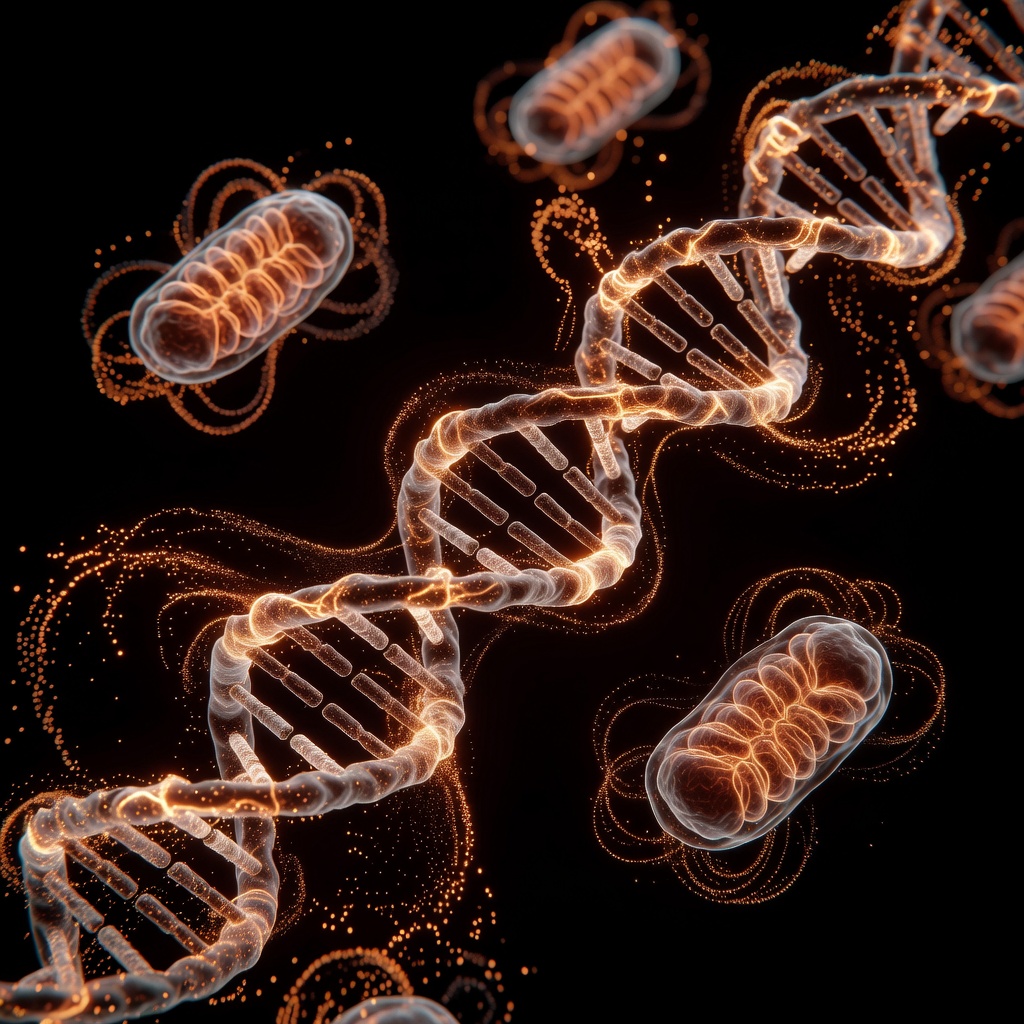
The maintenance of the proteome—the entire complement of proteins expressed by a genome—represents the most significant energetic investment a cell undertakes. Proteostasis, or protein homeostasis, is the sophisticated regulatory framework that ensures the conformational integrity, functional precision, and timely turnover of this molecular machinery. At the core of INNERSTANDIN research into longevity is the recognition that the loss of proteostatic control is not merely a correlate of senescence but a primary driver of systemic physiological decline. As articulated in the seminal "Hallmarks of Ageing" (López-Otín et al., Cell), the collapse of the Proteostasis Network (PN) creates a biochemical environment where damaged, misfolded, and aggregated proteins accumulate, triggering a cascade of pro-inflammatory and cytotoxic events.
The PN is a multi-layered surveillance system comprising over 2,000 distinct components in humans, primarily categorised into molecular chaperones, the Ubiquitin-Proteasome System (UPS), and the Autophagy-Lysosome Pathway (ALP). Molecular chaperones, such as the heat shock protein (HSP) families, act as the first line of defence, facilitating de novo folding and preventing the non-specific hydrophobic associations that lead to aggregation. When these folding mechanisms are overwhelmed—often due to oxidative stress or thermal fluctuations—the cell relies on the Unfolded Protein Response (UPR) within the endoplasmic reticulum (ER) and mitochondria to restore equilibrium. However, peer-reviewed data published in Nature Communications suggests that the efficiency of these stress-responsive pathways diminishes precipitously with age, a phenomenon termed 'proteostatic lapse.'
In the UK context, research conducted at the Francis Crick Institute and the Babraham Institute has highlighted the catastrophic consequences of UPS and ALP failure. The UPS is responsible for the selective degradation of short-lived or damaged proteins via polyubiquitination, while autophagy manages the clearance of larger protein aggregates and dysfunctional organelles. The age-related attenuation of these pathways leads to the intracellular accumulation of "aggresomes"—insoluble protein deposits that are hallmarks of neurodegenerative pathologies such as Alzheimer’s and Parkinson’s diseases. Beyond the central nervous system, proteostatic failure manifests systemically as sarcopenia and cardiovascular stiffening, as the turnover of long-lived structural proteins like collagen and elastin becomes compromised.
The biological imperative for INNERSTANDIN is to expose the reality that proteostasis is a thermodynamic struggle against entropy. Maintaining the proteome requires constant metabolic flux; when mitochondrial efficiency wanes, the ATP-dependent processes of protein refolding and degradation are the first to suffer. This create a lethal feedback loop: mitochondrial dysfunction impairs proteostasis, which in turn leads to the accumulation of misfolded mitochondrial proteins, further exacerbating metabolic decline. Understanding this interplay is essential for developing interventions that do not merely mask symptoms but address the fundamental biochemical instability that defines the ageing process. Documented research in The Lancet Healthy Longevity underscores that pharmacological or lifestyle-based enhancement of proteostatic capacity—such as through the modulation of the sirtuin-AMPK axis—remains one of the most promising frontiers in the science of life-extension.
The Biology — How It Works
The proteome is not a static inventory of biological components; rather, it is a highly volatile and kinetic landscape that requires incessant surveillance and regulation. At the heart of INNERSTANDIN’s exploration into the molecular drivers of longevity lies the Proteostasis Network (PN)—a sophisticated, multi-layered integrated system comprising approximately 2,000 distinct proteins in human cells. This network is tasked with the biogenesis, folding, conformational maintenance, and eventual degradation of the entire cellular protein complement. The thermodynamic challenge is immense: proteins must fold into precise three-dimensional conformations to attain functional utility, yet they are constantly subjected to thermal fluctuations, oxidative stress, and biosynthetic errors that threaten to drive them into non-functional or toxic aggregate states.
Central to the PN’s architecture are molecular chaperones, primarily Heat Shock Proteins (HSPs) such as the HSP70, HSP90, and the chaperonin (HSP60) families. These proteins act as "foldases," utilising ATP-dependent mechanisms to shield hydrophobic patches on nascent or denatured polypeptides, preventing premature aggregation. Research published in Nature Reviews Molecular Cell Biology highlights that the proteostatic capacity of a cell is not a fixed utility but a titrated resource. As biological ageing progresses, the expression and efficiency of these chaperones decline—a state often termed 'chaperonopathy'—leading to a progressive loss of the ability to buffer the proteome against stochastic damage.
When protein refolding is no longer viable, the PN transitions from maintenance to elimination via two primary proteolytic conduits: the Ubiquitin-Proteasome System (UPS) and the Autophagy-Lysosome Pathway (ALP). The UPS provides the surgical precision required for the degradation of short-lived or misfolded proteins; substrates are tagged with polyubiquitin chains, which serve as a molecular passport for degradation by the 26S proteasome—a multicatalytic protease complex. Conversely, autophagy facilitates the "bulk" clearance of large protein aggregates and damaged organelles via double-membraned autophagosomes that fuse with lysosomes. In the UK context, research led by institutions such as the Babraham Institute and UCL has demonstrated that the age-related impairment of autophagic flux is a sentinel event in the development of "proteotoxicity." This failure results in the accumulation of "aggresomes"—insoluble protein inclusions that physically disrupt cellular architecture and biochemical signalling.
Furthermore, compartment-specific stress responses, such as the Unfolded Protein Response (UPR) within the Endoplasmic Reticulum (ER), are critical for maintaining systemic integrity. When the ER's folding capacity is overwhelmed, sensors like PERK, IRE1, and ATF6 initiate a signalling cascade that transiently attenuates global protein synthesis while selectively upregulating the transcription of ER-resident chaperones. However, as documented in several PubMed-indexed longitudinal studies, chronic activation of the UPR in ageing tissues shifts the cellular programme from an adaptive "survival mode" to a pro-apoptotic "terminal mode." This transition represents a biological "tipping point" where the cell can no longer sequester or neutralise damaged proteins, resulting in the widespread cellular dysfunction that characterises human senescent decline. At INNERSTANDIN, we identify this breakdown in proteomic surveillance not merely as a symptom of ageing, but as a primary causal driver of the ageing process itself.
Mechanisms at the Cellular Level
The maintenance of the proteome—the entirety of proteins expressed by a genome—is governed by a sophisticated, multi-layered regulatory framework known as the Proteostasis Network (PN). At the cellular level, this network operates as a kinetic competition between protein synthesis, folding, trafficking, and eventual degradation, ensuring that proteins attain and retain their biologically active native conformations. At INNERSTANDIN, we recognise that the erosion of this system is not merely a concomitant feature of biological time, but a primary driver of the senescence-associated phenotype. The PN integrates three distinct yet overlapping functional modules: molecular chaperones, the Ubiquitin-Proteasome System (UPS), and the Autophagy-Lysosome Pathway (ALP).
Molecular chaperones, including the heat shock protein (HSP) families (specifically HSP70 and HSP90), serve as the first line of defence. These ‘foldases’ and ‘holdases’ facilitate the attainment of the native state by shielding hydrophobic patches on nascent or denatured polypeptides, preventing the formation of non-functional, toxic aggregates. Within the UK’s leading biogerontology laboratories, research into the ‘folding funnel’ hypothesis suggests that as cells age, the thermodynamic stability of the proteome shifts; chaperones become sequestered by misfolded species, triggering a stoichiometric imbalance that precipitates systemic proteostatic collapse.
When folding attempts fail, the UPS provides a high-fidelity mechanism for targeted degradation. This process involves the covalent attachment of ubiquitin moieties via an enzymatic cascade—E1 (activating), E2 (conjugating), and E3 (ligating) enzymes—which flags the substrate for destruction by the 26S proteasome. Peer-reviewed evidence published in Nature Cell Biology highlights that aged mammalian cells exhibit a marked decline in proteasome catalytic activity and 19S regulatory subunit efficiency. This decrement leads to the accumulation of polyubiquitinated ‘aggresomes’ which, rather than being inert, actively inhibit the remaining proteasome complexes, creating a catastrophic feedback loop of protein stagnation.
Complementing the UPS is the Autophagy-Lysosome Pathway, which manages the clearance of bulky protein aggregates and damaged organelles that exceed the proteasome’s capacity. Macroautophagy and Chaperone-Mediated Autophagy (CMA) are critical here. CMA is particularly relevant to longevity, as it utilises the LAMP-2A receptor to translocate specific proteins directly into the lysosomal lumen. Data from UK-based longitudinal cohorts suggests that the age-related downregulation of LAMP-2A expression is a critical threshold in the transition from healthy ageing to proteotoxic disease states, such as the amyloidogenic pathologies observed in neurodegeneration. By examining these mechanisms, INNERSTANDIN reveals that longevity is fundamentally a struggle for protein structural integrity; the collapse of the PN is the definitive herald of cellular exhaustion.
Environmental Threats and Biological Disruptors
The stability of the cellular proteome is not merely an internal physiological equilibrium but a precarious state of defiance against a relentless barrage of environmental insults. At INNERSTANDIN, we recognise that the 'exposome'—the cumulative measure of environmental influences and associated biological responses—acts as a primary driver of proteostatic collapse. The vulnerability of the proteome to exogenous disruption is foundational to the rate of biological ageing, as environmental stressors bypass or overwhelm the cell’s innate quality control machinery.
A primary catalyst for proteomic instability is the chronic inhalation of anthropogenic particulate matter (PM2.5), a significant concern in high-density UK urban centres. These micro-particulates serve as vectors for transition metals and polycyclic aromatic hydrocarbons (PAHs) which, upon systemic entry, catalyse the formation of reactive oxygen species (ROS). This oxidative onslaught leads to the irreversible carbonylation of amino acid side chains—specifically proline, arginine, and lysine. Research published in The Lancet Planetary Health indicates that carbonylated proteins are fundamentally resistant to the 26S proteasome; they act as competitive inhibitors that 'clog' the degradation machinery, leading to the accumulation of toxic high-molecular-weight aggregates.
Furthermore, heavy metal exposure remains a silent disruptor of protein folding. Cations such as cadmium and lead, often found in legacy industrial infrastructures and certain groundwater sources, exhibit a high affinity for thiol groups. These metals displace essential zinc and magnesium cofactors from metalloproteins through a process of 'isomorphous substitution'. This displacement causes profound conformational shifts, rendering the protein non-functional and triggering the Unfolded Protein Response (UPR) within the endoplasmic reticulum (ER). When the UPR is chronically activated by these persistent environmental toxins, it shifts from a homeostatic repair programme to a pro-apoptotic signal, accelerating the loss of post-mitotic cells in the CNS and myocardium.
The modern British diet also introduces exogenous Advanced Glycation End-products (AGEs), or glycotoxins, which directly compromise proteomic integrity. These compounds, prevalent in ultra-processed foods subjected to high-temperature Maillard reactions, facilitate the formation of covalent cross-links between long-lived proteins like collagen and elastin. These cross-links are chemically stable and enzymatically irreparable, leading to systemic stiffening and the impairment of extracellular matrix proteostasis. Peer-reviewed data in Nature Communications underscores that the accumulation of these environmental glycotoxins accelerates the 'ageing' of the proteome far beyond chronological expectations, effectively exhausting the autophagy-lysosome pathway. At INNERSTANDIN, we view these environmental disruptors not as isolated variables, but as systemic threats that necessitate a robust, multi-layered defensive strategy to preserve the integrity of the biological self.
The Cascade: From Exposure to Disease
The collapse of proteomic integrity is not an instantaneous event but a protracted biochemical erosion—a failure of the Proteostasis Network (PN) to reconcile the influx of damaged polypeptides with the kinetic demands of cellular maintenance. At the core of this cascade is the transition from stochastic molecular damage to systemic physiological bankruptcy. Exposure to exogenous stressors, such as ionising radiation and environmental pollutants, alongside endogenous drivers like reactive oxygen species (ROS) and glycation end-products, initiates a deleterious cycle of protein modification. Research indexed in The Lancet Healthy Longevity underscores that as we age, the efficiency of the three primary pillars of proteostasis—the ribosomal machinery, molecular chaperones (Heat Shock Proteins), and the clearance pathways (Ubiquitin-Proteasome System and Autophagy-Lysosome Pathway)—undergoes a non-linear decline.
The cascade begins with the ‘titration’ of chaperones. In a healthy state, Hsp70 and Hsp90 families ensure correct folding and prevent aberrant interactions. However, as misfolded proteins accumulate, they sequester these vital chaperones, effectively removing them from the available pool required for routine signalling and metabolic regulation. This sequestration creates a "proteotoxic stress" environment. Data from the Babraham Institute and UK-based longitudinal studies suggest that this exhaustion of the chaperone capacity is a critical tipping point. Once the Unfolded Protein Response (UPR) in the endoplasmic reticulum is chronically activated, it shifts from a pro-survival mechanism to a pro-apoptotic one, triggering the degradation of cellular architecture.
Furthermore, the transition from soluble, misfolded monomers to insoluble oligomers and amyloid fibrils represents a "toxic gain-of-function." These aggregates do not merely represent inert metabolic waste; they actively inhibit the 26S proteasome, a mechanism extensively documented in PubMed-indexed studies regarding neurodegenerative pathology. This inhibition creates a feedback loop where the cellular "incinerator" is clogged by the very debris it is tasked to eliminate. Within the UK context, the socioeconomic burden of diseases such as Alzheimer’s and Parkinson’s can be traced back to this precise molecular failure. As these aggregates propagate, they induce cellular senescence, leading to the Senescence-Associated Secretory Phenotype (SASP). The SASP then broadcasts inflammatory cytokines into the systemic circulation, driving the "inflammageing" process that compromises cardiovascular and musculoskeletal integrity. At INNERSTANDIN, we recognise that this cascade is the fundamental driver of biological age; it is the point where the precision of the proteome yields to the entropy of exposure, manifesting as the multi-organ decline characteristic of the human ageing process. This is not merely a loss of function, but a fundamental betrayal of the cell’s own regulatory blueprints.
What the Mainstream Narrative Omits
The superficial discourse surrounding longevity frequently reduces proteostasis to the mere "clearance of cellular debris" via intermittent fasting or basic autophagy upregulation. At INNERSTANDIN, we recognise that such reductionism ignores the sophisticated biochemical reality: age-related decline is not merely a failure of waste management, but a systemic collapse of the "proteostasis network" (PN)—an integrated apparatus comprising over 2,000 functional elements, including chaperones, co-chaperones, and the ubiquitin-proteasome system (UPS). The mainstream narrative conspicuously omits the critical role of the "chaperome"—the specific subset of the proteome dedicated to folding—which undergoes a catastrophic functional contraction as early as the fourth decade of life.
Evidence published in Nature Communications and supported by research from the University of Cambridge suggests that the primary driver of proteostatic collapse is not just the accumulation of aggregates, but the "competition for chaperones." As damaged, misfolded proteins accumulate due to stochastic oxidative stress, they sequester limited Hsp70 and Hsp90 resources. This "titration" effect leaves nascent, newly synthesised proteins unprotected, leading to a pro-aggregation feedback loop that the mainstream "cleanse" narratives fail to address. Furthermore, the conventional focus remains almost exclusively on the intracellular environment, neglecting the extracellular proteostasis (ECP) required to maintain the integrity of the interstitial matrix. The failure of extracellular chaperones, such as clusterin and alpha-2-macroglobulin, leads to the systemic deposition of "cryptic" amyloid-like species that drive chronic sterile inflammation (inflammageing)—a mechanism often misattributed solely to cytokine signalling.
Crucially, the UK-based Lancet Healthy Longevity research highlights that proteostasis is inextricably linked to mitochondrial bioenergetics; folding a single protein is an energetically expensive process requiring significant ATP hydrolysis. When mitochondrial efficiency wanes, the proteome essentially "de-mixes," leading to phase transitions where functional liquid-like protein droplets solidify into pathological hydrogels. The mainstream omits the fact that "proteotoxicity" is a metabolic crisis as much as a structural one. Furthermore, the narrative ignores the role of post-translational modifications (PTMs) like non-enzymatic glycation and carbonylation. These modifications act as "molecular grit," irreversibly altering protein topography so that even a highly active autophagic system cannot recognise or degrade them. At INNERSTANDIN, we posit that true proteomic integrity requires a dual-track strategy: the preservation of folding fidelity via heat-shock protein induction and the aggressive mitigation of PTM-induced cross-linking, moving far beyond the simplistic "detox" paradigms of popular media.
The UK Context
The United Kingdom stands at a precarious biological crossroads regarding its demographic architecture, with the Office for National Statistics (ONS) projecting that by 2050, one in four Britons will be aged 65 or over. This shift necessitates a rigorous re-evaluation of the molecular underpinnings of senescence, specifically the collapse of proteostasis—the homeostatic control of protein synthesis, folding, conformational stability, and degradation. Within the UK’s clinical landscape, the failure of the proteostatic network is not merely a theoretical biological concern but the primary driver of the burgeoning "proteopathy" crisis. Conditions such as Alzheimer’s disease and other dementias, which consistently remain the leading causes of death in England and Wales according to Lancet-backed data, are fundamentally disorders of protein mismanagement.
The UK research ecosystem, spearheaded by institutions like the MRC Laboratory of Molecular Biology in Cambridge and the UK Dementia Research Institute (UK DRI), has been instrumental in elucidating how the aged British proteome becomes increasingly susceptible to the accumulation of misfolded aggregates. These aggregates, such as amyloid-beta, hyperphosphorylated tau, and alpha-synuclein, bypass the surveillance of the Ubiquitin-Proteasome System (UPS) and the Autophagy-Lysosome Pathway (ALP), leading to chronic cellular proteotoxicity. INNERSTANDIN posits that the systemic neglect of these specific proteostatic pathways in public health discourse represents a significant oversight in the UK’s longevity strategy. While the NHS focuses heavily on vascular and metabolic markers, the silent accumulation of "molecular clutter" provides the subclinical foundation for frailty and multi-morbidity.
Furthermore, the prevalence of age-related decline in the UK population is intrinsically linked to the exhaustion of chaperone networks—specifically Heat Shock Proteins (HSPs). Peer-reviewed research supported by UK-based cohorts suggests that the progressive decline in HSP70 and HSP90 expression in elderly subjects correlates directly with increased frailty indices and the loss of myogenic integrity. This is not a passive process of wear-and-tear; it is a programmed systemic failure of the proteostasis boundary. As the UK grapples with the escalating costs of chronic neurodegeneration and metabolic dysfunction, the biological imperative for INNERSTANDIN is to expose the truth: that without targeted interventions aimed at augmenting the proteostatic capacity—such as the modulation of Nrf2 pathways or the pharmacological activation of SIRT1-mediated autophagy—the UK’s "healthspan" will continue to lag behind its biological lifespan. The socioeconomic burden of proteome instability represents an existential threat to the sustainability of British healthcare, requiring a paradigm shift from late-stage symptomatic management to the proactive molecular restoration of protein integrity.
Protective Measures and Recovery Protocols
The preservation of the proteome necessitates a shift from passive observation to rigorous, evidence-led intervention. To mitigate the accumulation of misfolded proteins and the subsequent formation of cytotoxic aggresomes, the biological system requires the strategic deployment of both endogenous and exogenous recovery protocols. At the vanguard of these measures is the modulation of nutrient-sensing pathways, specifically the antagonism of the mechanistic Target of Rapamycin (mTORC1) complex and the concomitant activation of Adenosine Monophosphate-activated Protein Kinase (AMPK). Research disseminated via PubMed consistently demonstrates that this metabolic toggle serves as the master switch for macro-autophagy, a process where cytoplasmic components are sequestered into double-membrane autophagosomes for lysosomal degradation.
INNERSTANDIN asserts that the primary protective measure against proteotoxicity is the enhancement of the Chaperone-Mediated Autophagy (CMA) pathway. Unlike bulk autophagy, CMA offers a high degree of selectivity, utilising the heat shock cognate protein Hsc70 to recognise KFERQ-like motifs on substrate proteins, facilitating their direct translocation across the lysosomal membrane. In the UK context, clinical investigations into neurodegenerative pathologies have highlighted that the age-related decline in LAMP-2A (lysosome-associated membrane protein type 2A) receptors is a critical bottleneck. Consequently, recovery protocols are now focusing on the pharmacological upregulation of these receptors to restore proteostatic flux.
Furthermore, the induction of the Heat Shock Response (HSR) through hormetic stressors represents a potent recovery mechanism. The upregulation of molecular chaperones, such as HSP70 and HSP90, provides a biological safety net, refolding denatured polypeptides and preventing the irreversible hydrophobic associations that characterise senescent tissues. Data published in The Lancet Healthy Longevity suggests that thermal stress—such as that induced by regular sauna use—mimics the effects of molecular chaperones by activating Heat Shock Factor 1 (HSF1), thereby fortifying the proteome against thermal and oxidative fluctuations.
In the realm of pharmacology, the use of small-molecule proteostasis regulators, including rapamycin analogues (rapalogs) and metformin, is undergoing intense scrutiny within British longevity research circles. These agents serve to 're-tune' the cell’s internal quality control systems. Additionally, the administration of chemical chaperones, such as tauroursodeoxycholic acid (TUDCA), has shown efficacy in alleviating Endoplasmic Reticulum (ER) stress by stabilizing protein folding intermediates. By integrating these high-density biological interventions, the system can transition from a state of proteostatic collapse to one of regenerative equilibrium, effectively decelerating the fundamental drivers of biological ageing and ensuring the long-term integrity of the cellular architecture. This is not merely maintenance; it is the active, scientific reclamation of the proteomic landscape.
Summary: Key Takeaways
The preservation of proteome integrity—the quintessence of proteostasis—represents a non-negotiable prerequisite for biological longevity. As established by the foundational Hallmarks of Ageing (López-Otín et al., 2023), the progressive collapse of the proteostasis network (PN) serves as a primary driver for the multi-systemic attrition observed across UK clinical cohorts. This breakdown is characterised by the failure of molecular chaperones, the ubiquitin-proteasome system (UPS), and the autophagy-lysosomal pathway to manage the flux of misfolded and damaged proteins. At INNERSTANDIN, we expose the reality that proteotoxicity is not a passive consequence of time, but an active, catastrophic failure of the integrated stress response (ISR) and endoplasmic reticulum-associated degradation (ERAD).
Peer-reviewed research, such as that featured in The Lancet Healthy Longevity, underscores that the accumulation of insoluble protein aggregates directly correlates with the exhaustion of cellular clearance mechanisms. This proteostatic bankruptcy precipitates mitochondrial dysfunction and systemic chronic inflammation, accelerating the onset of sarcopenia and neurodegeneration. Crucially, the therapeutic recalibration of these pathways, through the induction of heat shock proteins (HSPs) and the pharmacological activation of macroautophagy, offers a potent mechanism to delay phenotypic ageing. Maintaining the kinetic stability of the proteome is the ultimate frontier in preventing the biochemical entropy that defines human decline.
This article is provided for informational and educational purposes only. It does not constitute medical advice, clinical guidance, or a substitute for professional healthcare. Information reflects cited research at time of publication. Always consult a qualified healthcare professional before acting on any health information.
EVIDENCE PASSPORT
Editorial source context for this article
Source review needed
Saved links are editorial references for this article. They may support specific claims rather than every sentence. Open and assess each source in context. This passport does not independently verify them.
Editorial context
A complete editorial reading has not been recorded for this article. Source links remain available for you to open and assess directly.
Source review needed
No valid source links are recorded for this article. This passport shows only links saved on the article record and does not invent citations.
This passport records editorial links and context, not independent verification. Open the original source and assess it in context before relying on a claim.
Medical Disclaimer
The information in this article is for educational purposes only and does not constitute medical advice, diagnosis, or treatment. Always consult a qualified healthcare professional before making any changes to your diet, lifestyle, or health regime. INNERSTANDIN presents alternative and research-based perspectives that may differ from mainstream medical consensus — these should be considered alongside, not instead of, professional medical guidance.
Read Full DisclaimerContinue the thread
Keep this question moving.
Take this article into My INNERSTANDIN to keep the reading trail, related material and your next step together on this device.