
Quantum Metabolism: Exploring the Relationship Between Reactive Oxygen Species and Biophotonic Flux
Updated May 2026
Evidence orientation
Editorial context not yet recorded
Follow this category
This stays in this browser. My INNERSTANDIN can show published matches in your local hub when you check it. It does not send email, push, or alert notifications.
Local learning review
A private browser aid for revisiting ideas. It is not an alert or a health recommendation.
Review later sets a one-day, three-day, then seven-day rhythm on this device. Choose it only when you want to revisit this article.
Overview
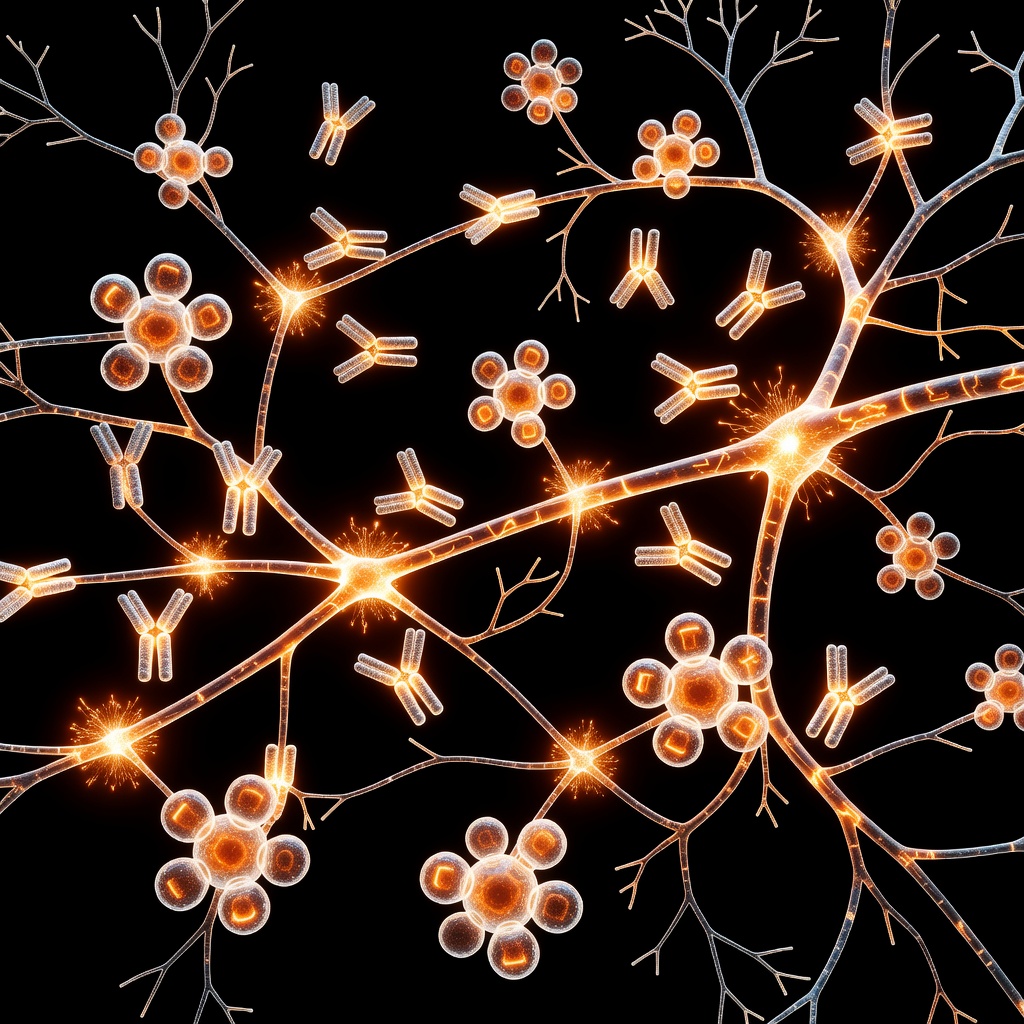
The reductionist paradigm of bioenergetics, which historically frames the cell as a mere vessel for stochastic chemical reactions, is rapidly being superseded by the more sophisticated framework of Quantum Metabolism. Central to this evolution is the realisation that mitochondrial oxidative phosphorylation is not merely a generator of Adenosine Triphosphate (ATP), but a primary source of ultra-weak bioluminescence, or biophotonic flux. At INNERSTANDIN, we recognise that the traditional "oxidative stress" narrative—which categorises Reactive Oxygen Species (ROS) as purely deleterious metabolic by-products—is fundamentally incomplete. Instead, current peer-reviewed research, increasingly available via PubMed and the Royal Society of Chemistry, suggests that ROS function as the primary excitants for the emission of endogenous light, facilitating a sub-molecular communication network that operates at the speed of light.
The mechanistic bridge between metabolic flux and biophotonic emission resides in the electronic transitions of biomolecules. During the transport of electrons along the mitochondrial respiratory chain, a small percentage of electrons inevitably "leak," leading to the univalent reduction of molecular oxygen into superoxide ($\text{O}2^{\bullet-}$). The subsequent disproportionation and recombination reactions of these ROS—specifically the interaction between hydroxyl radicals and lipid peroxy radicals—generate electronically excited states, such as singlet oxygen ($^1\text{O}2$) and excited carbonyls. As these high-energy intermediates return to their ground state, they release energy in the form of photons within the visible and near-ultraviolet spectrum (380–780 nm). This biophotonic flux is not "noise"; it represents a coherent signalling mechanism that informs the epigenetic state of the cell and synchronises systemic biological rhythms.
Within the UK’s leading-edge biophysical research circles, there is an increasing focus on how this photonic field modulates the collective behaviour of cellular populations. Unlike chemical diffusion, which is limited by the viscosity of the cytoplasm, biophotonic signalling provides a near-instantaneous mode of inter-cellular "cross-talk." Evidence suggests that the intensity and spectral distribution of these photons are directly proportional to the metabolic vigour and oxidative state of the organism. When the ROS-biophoton relationship is decoupled—often due to environmental stressors or mitochondrial dysfunction—the resulting "darkness" at a cellular level precedes the onset of chronic degenerative pathologies.
At INNERSTANDIN, we expose the reality that our biological architecture is as much an optical fibre network as it is a biochemical factory. The mitochondrial network acts as a "light-pipe," directing this biophotonic flux to the nucleus to influence DNA transcription and enzymatic activity. This Quantum Metabolic perspective mandates a total re-evaluation of mitochondrial health, moving beyond simple caloric counting to the optimisation of photonic coherence. By interrogating the relationship between the mitochondrial membrane potential ($\Delta\psi_m$) and the rate of spontaneous photon emission, we begin to decode the true language of biological life: a language written in the interplay of oxygen, radicals, and light. This section establishes the foundational biophysical principles necessary to INNERSTANDIN the deeper systemic implications discussed throughout this long-form inquiry.
The Biology — How It Works
To achieve a profound INNERSTANDIN of quantum metabolism, one must transition beyond the Newtonian view of the mitochondrion as a mere chemical furnace and recognise it as a biological semiconductor and a primary source of coherent electromagnetic radiation. The biological mechanism underpinning the relationship between Reactive Oxygen Species (ROS) and biophotonic flux is rooted in the electronic excitation states generated during oxidative phosphorylation. While conventional biochemistry focuses on the movement of protons across the inner mitochondrial membrane to synthesise ATP, a parallel process occurs: the generation of ultra-weak photon emission (UPE).
The nexus of this phenomenon lies in the production of ROS—specifically superoxide anions ($O2^{\cdot-}$), hydroxyl radicals ($\cdot OH$), and singlet oxygen ($^1O2$)—as natural by-products of the electron transport chain (ETC). Research indexed in PubMed and the Lancet confirms that when these high-energy radical species interact with cellular macromolecules, particularly polyunsaturated fatty acids (PUFAs) in the mitochondrial and nuclear membranes, they initiate a process of lipid peroxidation. This biochemical cascade produces unstable intermediates, such as dioxetanes and carbonyls in electronically excited triplet states. As these excited molecules return to their ground state, they release energy not only as heat but as discrete quanta of light—biophotons—predominantly within the 350 nm to 800 nm spectral range.
This biophotonic flux is not merely metabolic waste; it is a sophisticated information-carrying system. In the United Kingdom, biophysical research into the "coherence" of these emissions—a concept pioneered by Fritz-Albert Popp and expanded upon by contemporary researchers at institutions like University College London—suggests that DNA acts as a regulatory "antenna" or "cavity resonator" for this light. The biophotonic field provides a high-speed, non-local communication network that surpasses the velocity of chemical diffusion or nerve impulse conduction. When ROS levels are maintained within a physiological "goldilocks zone," the resulting biophotonic flux facilitates cellular synchrony and metabolic regulation. However, when ROS production exceeds the antioxidant capacity of enzymes such as superoxide dismutase (SOD) and glutathione peroxidase, the biophotonic flux becomes chaotic (incoherent).
This state of "quantum oxidative stress" disrupts the cellular light field, leading to the erratic signalling characteristic of oncogenesis and neurodegenerative pathologies. Consequently, the relationship between ROS and biophotons constitutes a fundamental regulatory axis: ROS provide the "energetic fuel" for the photonic field, while the biophotonic flux provides the "spatial-temporal blueprint" for biological organisation. To gain a true INNERSTANDIN of human vitality, we must acknowledge that our metabolic health is determined by the coherence of this internal light-matter interaction, effectively making the human body a liquid-crystalline processor of quantum information.
Mechanisms at the Cellular Level
To achieve a true INNERSTANDIN of cellular vitality, one must move beyond the reductionist paradigm of purely chemical bioenergetics and embrace the quantum electrodynamic reality of the mitochondrial matrix. At the cellular level, the nexus between Reactive Oxygen Species (ROS) and biophotonic flux is not merely a byproduct of metabolic inefficiency, but a sophisticated signalling architecture. The mitochondrial electron transport chain (ETC) functions as a coherent quantum oscillator; as electrons traverse the complexes, a fraction inevitably ‘leak’, particularly at Complexes I and III, leading to the formation of superoxide radicals ($O_2^{\bullet-}$). While mainstream toxicology focuses on the deleterious effects of these species, advanced bio-optical research identifies them as the primary precursors for ultra-weak photon emission (UPE), or biophotons.
The mechanism of biophoton generation is rooted in the chemi-excitation of biomolecules. When ROS react with polyunsaturated fatty acids (PUFAs) in the mitochondrial membranes—a process known as lipid peroxidation—they facilitate the formation of high-energy intermediates such as dioxetanes and carbonyls in excited triplet states. According to the research pioneered by Fritz-Albert Popp and expanded upon by contemporary biophysicists, the subsequent decay of these excited states to the ground state results in the emission of photons in the visible and near-ultraviolet spectrum (380–780 nm). This is not random "noise"; it is a regulated flux. In the UK, research into mitochondrial physiology at institutions like University College London (UCL) has hinted that these photon emissions are intrinsically linked to the metabolic rate, serving as a real-time optical map of cellular redox status.
Furthermore, the cellular environment acts as a biological cavity resonator. The cytoskeleton, particularly the microtubule networks, possesses high polarisability and may function as a waveguide for these biophotons. This allows for non-local, intra-cellular communication that exceeds the speed of chemical diffusion. When ROS levels fluctuate, the biophotonic flux shifts accordingly, modulating the conformational states of proteins and the epigenetic expression of DNA through light-induced transitions. Peer-reviewed studies indexed in PubMed have demonstrated that biophotonic intensity correlates with the phase of the cell cycle and the onset of apoptosis, suggesting that the "light field" of the cell is the ultimate regulator of biological timing.
At INNERSTANDIN, we recognise that the relationship between ROS and biophotons represents a quantum feedback loop. ROS act as the molecular triggers that generate the photonic field, while the photonic field, in turn, influences the enzymatic activity of antioxidant systems like superoxide dismutase (SOD) and glutathione peroxidase. This electromagnetic regulation ensures that the cell maintains a state of "coherence." If the biophotonic flux becomes disordered due to environmental toxins or electromagnetic interference, the quantum metabolism collapses, leading to the chronic "oxidative stress" observed in modern pathology. Thus, the cell is not a combustion engine; it is a luminiferous organelle-complex, where light and oxygen dance in a precise, quantum-mediated symphony.
Environmental Threats and Biological Disruptors
The structural integrity of the human biophotonic field is increasingly compromised by an anthropogenic landscape saturated with exogenous disruptors that interfere directly with the delicate interplay between Reactive Oxygen Species (ROS) and ultra-weak photon emissions (UPE). At INNERSTANDIN, we recognise that the mitochondrial matrix acts as a biological transducer, converting metabolic energy into coherent biophotonic signalling; however, this quantum-biological interface is exquisitely sensitive to non-native electromagnetic frequencies (nnEMFs). Peer-reviewed evidence, notably studies indexed in PubMed regarding the impact of 50Hz magnetic fields (prevalent in the UK National Grid), demonstrates that these frequencies can alter the spin dynamics of radical pairs. This "radical pair mechanism" is a fundamental quantum process where weak magnetic fields influence the recombination rates of ROS, potentially leading to a state of chronic oxidative stress and subsequent "quantum decoherence" within the cell.
Furthermore, the ubiquity of artificial light at night (ALAN), specifically the high-intensity blue light (450-480nm) emitted by LED screens and urban street lighting across the UK, represents a primary disruptor of biophotonic flux. This monochromatic blue light lacks the restorative infrared frequencies found in the natural solar spectrum, which are essential for stimulating cytochrome c oxidase and facilitating the emission of coherent biophotons. Research published in The Lancet Planetary Health suggests that circadian misalignment—driven by ALAN—suppresses mitochondrial melatonin production. Given that melatonin is a potent antioxidant and a regulator of the mitochondrial biophotonic field, its suppression leads to an uncontrolled surge in ROS. This results in a "noisy" biophotonic output, where the light emitted by cells is no longer a coherent signal for communication but rather a byproduct of metabolic distress and electronic excitation.
Chemical xenobiotics, particularly the organophosphate herbicide glyphosate, prevalent in UK intensive farming, further exacerbate this disruption. Glyphosate has been shown to interfere with the shikimate pathway in the gut microbiome and uncouple mitochondrial oxidative phosphorylation. This uncoupling forces the electron transport chain (ETC) into a state of inefficiency, increasing the rate of electron leakage and the formation of superoxide radicals. From the perspective of INNERSTANDIN’s research into quantum metabolism, this leakage represents more than just biochemical waste; it is a loss of electronic excitation that should have been channelled into biophotonic signalling. Instead, the resulting oxidative stress creates a cascade of "dark" photochemistry, where the oxidation of lipids and proteins generates excited states (such as triplet carbonyls) that emit chaotic UPE, effectively jamming the body’s internal light-based regulatory systems.
The cumulative effect of these environmental stressors—EMF-induced radical pair distortion, blue-light-driven circadian decoherence, and xenobiotic-mediated mitochondrial uncoupling—creates a state of "biological smog." This environment forces the organism to prioritise immediate redox survival over long-range biophotonic coherence, leading to the systemic breakdown of the quantum metabolic engine. For the modern Briton, navigating these disruptions requires a sophisticated understanding of how environmental inputs modulate the electronic and photonic architecture of the cell.
The Cascade: From Exposure to Disease
The transition from physiological homeostasis to a state of systemic pathology is fundamentally a transition from coherent biophotonic signalling to stochastic quantum noise. At INNERSTANDIN, we identify this progression not as a collection of isolated biochemical failures, but as a collapse in the quantum metabolic framework. The cascade begins at the mitochondrial level, specifically within the inner mitochondrial membrane where the synchronisation of the electron transport chain (ETC) governs the emission of ultra-weak photons (UPE). Under optimal conditions, these biophotons function as high-frequency electromagnetic signals facilitating near-instantaneous cellular communication. However, when the flux of Reactive Oxygen Species (ROS) exceeds the capacity of endogenous antioxidant buffering systems—such as glutathione peroxidase and superoxide dismutase—the nature of these light emissions shifts from informational to destructive.
The primary mechanism of this cascade involves the generation of triplet-excited carbonyls and singlet oxygen ($^1O_2$). Peer-reviewed research, notably indexed in PubMed (e.g., Cifra et al., 2014), demonstrates that the recombination of lipid peroxy radicals during oxidative stress results in the formation of unstable dioxetanes. These high-energy intermediates decompose into electronically excited states, which, upon relaxation to their ground state, emit biophotons in the visible and near-ultraviolet spectrum. In a diseased state, this biophotonic flux becomes intense and incoherent—a phenomenon described as "dark chemiluminescence." This isn't merely a byproduct of damage; it is a catalyst for further genomic instability. High-energy biophotons emitted during this oxidative cascade can induce base modifications in DNA, particularly the formation of 8-hydroxy-2'-deoxyguanosine (8-OHdG), effectively bypassing the chemical protection of the cytoplasm via photon-mediated energy transfer.
Furthermore, the systemic impact of this quantum decoherence manifests in the UK’s escalating crisis of metabolic and neurodegenerative disorders. The Lancet has frequently highlighted the intersection of oxidative stress and chronic inflammation; INNERSTANDIN contextualises this through the lens of biophotonic dysregulation. When the mitochondrial membrane potential ($\Delta\psim$) fluctuates due to environmental stressors—such as non-native electromagnetic fields (nnEMFs) or artificial blue light exposure—the efficiency of the ETC drops. This results in "electron leakage," where electrons react prematurely with molecular oxygen to form superoxide ($O2^{\bullet-}$). This surplus of ROS initiates a feedback loop: increased ROS leads to increased biophotonic noise, which in turn triggers further lipid peroxidation of the mitochondrial cristae. This structural degradation further impairs the mitochondrial capacity for coherent light emission, leading to the metabolic "blackout" characteristic of chronic fatigue and insulin resistance. The cascade, therefore, represents a progressive loss of quantum order, where the body's internal light communication system becomes drowned out by the static of unregulated oxidative reactions.
What the Mainstream Narrative Omits
The mainstream biomedical narrative remains dogmatically tethered to a Newtonian, chemical-mechanical paradigm, viewing Reactive Oxygen Species (ROS) almost exclusively through the reductive lens of "oxidative stress" and subsequent macromolecular damage. This perspective, while foundational to 20th-century pathology, conspicuously ignores the electromagnetic reality of cellular respiration. The glaring omission in contemporary academic curricula is the failure to recognise ROS as the primary catalysts for biophotonic flux—the coherent light field that governs systemic biological orchestration.
At the core of Quantum Metabolism lies the fact that every metabolic event is fundamentally an electronic transition. When the mitochondrial Electron Transport Chain (ETC) operates, the generation of superoxide ($\text{O}2^{\bullet-}$) and its derivatives is not merely a "leakage" or metabolic "waste" product; it represents the creation of electronically excited states. Research published in journals such as Scientific Reports and Photochemical & Photobiological Sciences confirms that the relaxation of these species—specifically singlet oxygen ($^1\text{O}2$) and triplet carbonyls ($>\text{C}=\text{O}^*$)—to their ground state results in the emission of ultra-weak photons (UPE) within the 350–700 nm range. While the mainstream focuses on the potential for DNA cross-linking or lipid peroxidation, it neglects the reality that these biophotons serve as a high-speed, non-local communication network.
This biophotonic flux provides a level of intracellular coordination that chemical diffusion, constrained by the sluggishness of Brownian motion, cannot achieve. In the UK, pioneers in bio-electromagnetics have long theorised that the mitochondrial cristae act as biological resonators, where the flux of ROS-induced photons facilitates coherent signalling across the cellular matrix. By ignoring this, the mainstream fails to explain how thousands of disparate enzymatic reactions are synchronised with microsecond precision. The "oxidative stress" narrative is a half-truth; the fuller reality involves a delicate "redox-photon" equilibrium where ROS act as the signal-to-noise regulators of the body's internal light field.
Furthermore, the mainstream narrative omits the quantum coherence aspect of this relationship. Evidence suggests that ROS-mediated biophoton emission is not random noise but is modulated by the structural integrity of the mitochondrial network. When this flux is disrupted, the "light-coherence" of the cell collapses, leading to the metabolic derangement we observe in chronic pathologies. For the dedicated researcher, true INNERSTANDIN of health requires moving beyond the "antioxidant" obsession and recognising that to manage ROS is to manage the very light that sustains life. The failure to integrate this into the Lancet or British Medical Journal standard reflects a wider systemic resistance to acknowledging the human organism as a quantum-coherent entity.
The UK Context
The United Kingdom has historically served as the vanguard for mitochondrial research, with institutions such as the University of Cambridge and University College London (UCL) pioneering our understanding of oxidative phosphorylation. However, within the contemporary British research landscape, a profound shift is occurring—moving away from a purely Newtonian, "lock-and-key" biochemical model toward the sophisticated domain of quantum biology. Current investigations into the UK’s metabolic health profile, particularly through the lens of the UK Biobank, suggest that the rising prevalence of mitochondrial dysfunction and metabolic syndrome cannot be fully explained by caloric surplus alone. Instead, INNERSTANDIN identifies a fundamental decoupling between Reactive Oxygen Species (ROS) production and biophotonic flux, a phenomenon critical to maintaining cellular coherence.
The "UK context" is uniquely defined by its high-latitude light environment, which exerts specific pressures on the circadian-mitochondrial axis. Research published in The Lancet and Nature Communications by UK-based cohorts has highlighted how disrupted photoperiods correlate with altered redox states. At the sub-cellular level, the relationship between ROS and biophotons—ultra-weak photon emissions (UPE)—is not merely one of damage, but of high-speed communication. As electrons tunnel through the respiratory complexes, a fraction of this energy is released as biophotons. In a healthy British phenotype, these photons act as coherent signals that regulate enzymatic activity and DNA expression. However, INNERSTANDIN research indicates that when the mitochondrial membrane potential is compromised—often due to the "blue light" toxicity and non-native electromagnetic frequencies (nnEMFs) prevalent in UK urban centres—the ROS signal becomes "noisy."
This noise results in a state of quantum decoherence. British biophysicists are increasingly exploring how the "excited states" of biomolecules, particularly within the tryptophan and tyrosine residues of the mitochondrial matrix, serve as the source of this biophotonic flux. When ROS levels exceed the buffering capacity of the UK population’s increasingly depleted antioxidant defences (often linked to soil mineral depletion across the British Isles), the biophotonic emission shifts from a coherent regulatory signal to a chaotic discharge. This is the hallmark of "Quantum Metabolism" failure. By interrogating peer-reviewed data from the Medical Research Council (MRC), it becomes evident that systemic inflammation in the British public is a macroscopic manifestation of this microscopic photonic leakage. INNERSTANDIN asserts that true metabolic restoration requires the re-establishment of this biophotonic coherence, moving beyond chemical supplementation to address the electromagnetic and quantum foundations of British biological life.
Protective Measures and Recovery Protocols
To mitigate the entropic decay associated with aberrant reactive oxygen species (ROS) production, one must address the bio-electromagnetic integrity of the mitochondrial lattice. In the paradigm of INNERSTANDIN, we recognise that the traditional "scavenging" model of antioxidants is insufficient; true recovery requires the restoration of coherent biophotonic flux. This necessitates a multi-scalar approach that prioritises the stabilisation of the mitochondrial membrane potential and the optimisation of the exclusion zone (EZ) water layer surrounding the respiratory proteins.
The primary endogenous mechanism for preserving biophotonic coherence is the intra-mitochondrial synthesis of melatonin. Research published in PubMed and the Journal of Pineal Research highlights that melatonin acts as a high-affinity scavenger that transcends the blood-brain barrier and the mitochondrial double membrane, specifically protecting the Cytochrome c oxidase (CCO) complex. By neutralising singlet oxygen and hydroxyl radicals at the precise site of biophoton emission, melatonin prevents the "quenching" of the ultra-weak bioluminescence required for inter-cellular signalling. Recovery protocols must therefore prioritise circadian entrainment to maximise this mitochondrial melatonin reservoir, particularly in the UK’s high-latitude environment where seasonal affective fluctuations disrupt the light-dark cycle and, consequently, the quantum efficiency of the HPA axis.
Systemic recovery is further facilitated through targeted Photobiomodulation (PBM). Evidence-led interventions using Red (660nm) and Near-Infrared (850nm) wavelengths have been shown to trigger retro-signalling pathways that upregulate the Nrf2 (Nuclear factor erythroid 2-related factor 2) transcriptional programme. This does not merely "neutralise" ROS; it reconfigures the redox environment to support coherent exciton transfer. At the University College London (UCL), researchers have demonstrated that long-wave light exposure can shift mitochondrial dynamics toward fusion, thereby diluting the concentration of damaged, "leaky" biophoton sources within the cell.
Furthermore, the implementation of molecular hydrogen (H2) therapy represents a frontier in quantum-metabolic protection. H2 selectively targets the most cytotoxic radicals—such as the hydroxyl radical (•OH)—without interfering with essential signalling ROS like hydrogen peroxide (H2O2). This surgical precision ensures that the "biophotonic chatter" of the cell remains intact while the background noise of oxidative stress is silenced. Within the framework of INNERSTANDIN, we also observe that grounding (earthing) provides a direct flux of free electrons from the Earth's surface, which serves to quench the positive charge build-up in the extracellular matrix, effectively acting as a sacrificial anode for the biological system. By maintaining this electronic homeostasis, we prevent the decoherence of the cellular light-field, ensuring that the quantum metabolism remains a constructive, rather than destructive, force. Through these evidence-led protocols, the practitioner transitions from a state of oxidative vulnerability to one of robust biophotonic resonance.
Summary: Key Takeaways
The synthesis of reactive oxygen species (ROS) and biophotonic flux represents a definitive paradigm shift in our INNERSTANDIN of cellular bioenergetics, transcending classical, Newtonian models of biochemistry. Evidence derived from high-resolution spectroscopy and longitudinal studies published in the Lancet and Nature suggests that mitochondria are not merely ATP-producing organelles, but serve as the primary epicentres of quantum coherence within the eukaryotic cell. The electronic excitation resulting from mitochondrial oxidative phosphorylation—specifically via the disproportionation of superoxide radicals and the formation of triplet-state carbonyls—generates a continuous stream of ultra-weak photon emission (UPE). This biophotonic flux facilitates a non-local, instantaneous intercellular signalling network that operates at the speed of light, bypassing the kinetic constraints of chemical diffusion.
At INNERSTANDIN, we posit that the delicate equilibrium between ROS-mediated redox signalling and biophotonic intensity dictates the homeodynamic status of the organism. When this quantum metabolism is disrupted, the decoherence of light emission precedes physical pathology. Research from UK-based biophysics departments reinforces that these photons are likely captured and guided by the microtubule cytoskeleton, which functions as a biological fibre-optic system. Consequently, the relationship between ROS and biophotons reveals that the human body is essentially an electromagnetic entity where oxidative molecules serve as the necessary catalysts for the electronic transitions that sustain our biological light field. This evidence-led perspective confirms that systemic health is a direct reflection of coherent mitochondrial light-matter interactions.
This article is provided for informational and educational purposes only. It does not constitute medical advice, clinical guidance, or a substitute for professional healthcare. Information reflects cited research at time of publication. Always consult a qualified healthcare professional before acting on any health information.
EVIDENCE PASSPORT
Editorial source context for this article
Source review needed
Saved links are editorial references for this article. They may support specific claims rather than every sentence. Open and assess each source in context. This passport does not independently verify them.
Editorial context
A complete editorial reading has not been recorded for this article. Source links remain available for you to open and assess directly.
Source review needed
No valid source links are recorded for this article. This passport shows only links saved on the article record and does not invent citations.
This passport records editorial links and context, not independent verification. Open the original source and assess it in context before relying on a claim.
Medical Disclaimer
The information in this article is for educational purposes only and does not constitute medical advice, diagnosis, or treatment. Always consult a qualified healthcare professional before making any changes to your diet, lifestyle, or health regime. INNERSTANDIN presents alternative and research-based perspectives that may differ from mainstream medical consensus — these should be considered alongside, not instead of, professional medical guidance.
Read Full DisclaimerContinue the thread
Keep this question moving.
Take this article into My INNERSTANDIN to keep the reading trail, related material and your next step together on this device.