
Renal Toxicity: Herbicide Residues and UK Chronic Kidney Disease
Updated May 2026
Evidence suggests a link between certain herbicide residues in UK produce and the rising incidence of chronic kidney disease. These chemicals put excessive filtration strain on the renal system over decades.
Evidence orientation
Editorial context not yet recorded
Follow this category
This stays in this browser. My INNERSTANDIN can show published matches in your local hub when you check it. It does not send email, push, or alert notifications.
Local learning review
A private browser aid for revisiting ideas. It is not an alert or a health recommendation.
Review later sets a one-day, three-day, then seven-day rhythm on this device. Choose it only when you want to revisit this article.
Overview
In the quiet laboratories of renal pathology and the sprawling agricultural landscapes of the United Kingdom, a silent crisis is unfolding—one that the conventional medical establishment has been slow to acknowledge. For decades, the rising incidence of Chronic Kidney Disease (CKD) has been attributed almost exclusively to the twin pillars of diabetes and hypertension. While these are undoubtedly significant drivers, a growing body of toxicological evidence suggests a third, more insidious culprit: the pervasive presence of herbicide residues in the British food supply.
The human kidney is an evolutionary marvel of filtration, processing approximately 180 litres of blood daily to maintain homeostatic balance. However, this high metabolic activity and concentrated blood flow render it uniquely vulnerable to xenobiotics—foreign chemical substances. Among the most concerning of these are synthetic herbicides, particularly Glyphosate, Glufosinate-ammonium, and various Phenoxy acids like MCPA and 2,4-D, which are used extensively across UK arable land.
As a senior researcher for INNERSTANDING, I have observed a disturbing correlation between the intensification of chemical desiccation practices in UK cereal production and the burgeoning rates of renal dysfunction. We are no longer dealing with acute poisonings; we are witnessing a multi-decadal, low-dose accumulation of toxins that induce tubular necrosis, oxidative stress, and the eventual scarring of the nephron. This article delves into the biochemical mechanisms of renal toxicity, exposes the flaws in UK regulatory thresholds, and explores the physiological toll of a food system saturated with agrichemicals.
Fact: Chronic Kidney Disease currently affects an estimated 3.25 million people in the UK, with projections suggesting that by 2030, over 10% of the adult population will suffer from some form of renal impairment.
The narrative that these chemicals "pass through the body harmlessly" is a fundamental biological fallacy. The kidneys do not merely pass these substances; they filter, concentrate, and are ultimately damaged by them.
The Biology — How It Works
To understand why herbicide residues are so devastating to the renal system, one must first appreciate the delicate architecture of the nephron, the functional unit of the kidney. Each kidney contains roughly one million nephrons, consisting of a glomerulus (the filter) and a complex system of tubules (the processors).
The Vulnerability of the Proximal Tubule
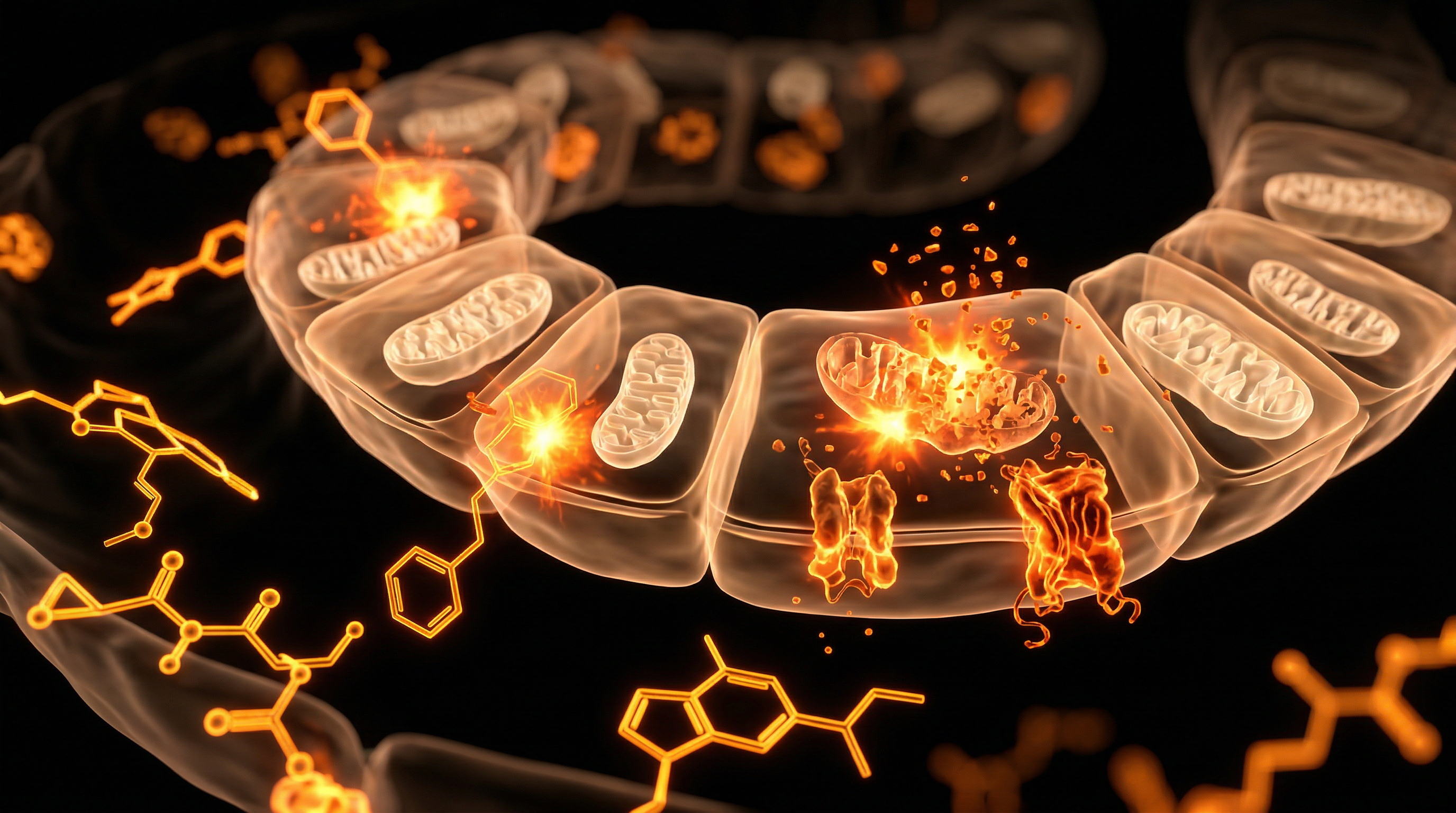
The Proximal Convoluted Tubule (PCT) is the primary site of reabsorption for essential nutrients, electrolytes, and water. Because the PCT cells possess a massive surface area and a high density of mitochondria to power active transport, they are the first to encounter concentrated toxins in the filtrate. When a UK consumer eats bread made from wheat desiccated with Glyphosate, the residues enter the bloodstream and are delivered directly to the PCT.
Concentration Effects
The kidneys' primary job is to concentrate waste. This means that a chemical present in the blood at a "parts per billion" (ppb) level can reach significantly higher concentrations within the renal medulla and tubules. This bioconcentration is the mechanism by which seemingly "safe" levels of herbicides according to the Acceptable Daily Intake (ADI) become toxic at the cellular level.
The Role of the Glomerular Filtration Rate (GFR)
The Glomerular Filtration Rate (GFR) is the standard measure of kidney function. In the early stages of herbicide-induced toxicity, the GFR may remain normal, masking the underlying damage. It is only after a significant percentage of nephrons have been destroyed or rendered dysfunctional by fibrosis that the GFR begins to drop, often leading to a diagnosis of Stage 3 CKD. By this point, the damage is often irreversible.
Mechanisms at the Cellular Level
The "Exposing Truths" mandate of INNERSTANDING requires us to look beneath the surface of epidemiological statistics and into the organelles themselves. Herbicides do not kill cells through a single pathway; they trigger a cascade of molecular failures.
Mitochondrial Dysfunction and ATP Depletion
Many herbicides, particularly organophosphates and phosphonates, act as mitochondrial uncouplers. They disrupt the Electron Transport Chain (ETC), leading to a decrease in Adenosine Triphosphate (ATP) production. Since renal tubular cells require immense amounts of energy to maintain ion gradients, ATP depletion leads to cellular "brownouts," eventually triggering apoptosis (programmed cell death).
Oxidative Stress and the Nrf2 Pathway
The most well-documented mechanism of herbicide toxicity is the induction of Reactive Oxygen Species (ROS).
- Lipid Peroxidation: Herbicides can attack the polyunsaturated fatty acids in the cell membranes of the nephron, leading to membrane leakage.
- Glutathione Depletion: The body’s master antioxidant, Glutathione (GSH), is heavily recruited to neutralise herbicide metabolites. Over time, the renal supply of GSH is exhausted, leaving the tissue defenceless against further oxidative insult.
- Nrf2 Suppression: While the body has a "master switch" for antioxidant defence called Nrf2, chronic exposure to chemical cocktails can overwhelm or even suppress this pathway, preventing the kidney from repairing itself.
The Glycine Mimicry Hypothesis
A controversial but scientifically compelling theory regarding Glyphosate involves its structural similarity to the amino acid Glycine. There is evidence suggesting that the body may mistakenly incorporate glyphosate into protein synthesis in place of glycine. If this occurs in the collagen structures of the kidney or in the transport proteins of the PCT, it can lead to misfolded proteins and structural renal failure.
Callout: Unlike many other organs, the kidney has a limited capacity for regeneration. Once a nephron is replaced by fibrous scar tissue, its filtration capacity is lost forever.
Environmental Threats and Biological Disruptors
The UK landscape is a patchwork of chemical application. While the public is often told that "pesticides are strictly regulated," the reality of herbicide residues in food tells a different story.
Glyphosate: The Ubiquitous Phosphonate
Glyphosate is the most widely used herbicide in the UK. Beyond its role in weed control, it is used as a pre-harvest desiccant. This means it is sprayed directly onto crops like wheat, oats, and barley just days before they are harvested to dry them out. This practice ensures that residues are at their absolute peak when the grain enters the human food chain.
The Synergistic "Cocktail Effect"
Regulatory safety assessments almost exclusively test single chemicals in isolation. However, the British diet contains a "cocktail" of residues. A single slice of non-organic bread may contain residues of Glyphosate, Chlormequat (a growth regulator), and various fungicides. Research into synergistic toxicity shows that these chemicals can enhance each other's toxic effects, making the sum far more dangerous than the parts.
Heavy Metal Chelation
One of the most overlooked aspects of herbicide toxicity in the UK is chelation. Glyphosate was originally patented as a descaling agent for industrial pipes because it binds (chelates) metals. In the environment and the body, it can bind to heavy metals like Arsenic, Cadmium, and Lead. When these herbicide-metal complexes reach the acidic environment of the kidney, they can dissociate, depositing heavy metals directly into the renal tissue. This has been cited as a primary factor in "CKDu" (Chronic Kidney Disease of Unknown Etiology) in agricultural communities worldwide.
The Cascade: From Exposure to Disease
Renal failure is rarely an overnight event; it is a slow-motion collapse of biological systems. This cascade can be broken down into three distinct phases.
Phase 1: Sub-Clinical Inflammation
In this phase, the individual feels healthy. However, at the cellular level, the kidneys are in a state of chronic low-grade inflammation. Pro-inflammatory cytokines like IL-6 and TNF-alpha are elevated in the renal interstitium. The body compensates for minor damage by increasing the workload of the remaining healthy nephrons—a state known as hyperfiltration.
Phase 2: Tubular Injury and Albuminuria
As exposure continues through daily consumption of contaminated produce, the tubular cells begin to shed into the urine. This is often accompanied by Microalbuminuria—the presence of small amounts of the protein albumin in the urine. This is a "red flag" that the glomerular filter is losing its integrity.
Phase 3: Interstitial Fibrosis
The final stage of the cascade is the replacement of functional renal tissue with fibrous connective tissue. This is driven by the activation of Transforming Growth Factor-beta (TGF-β). Once fibrosis takes hold, the kidney begins to shrink, the GFR plummets, and the patient moves toward Stage 4 or 5 CKD, necessitating dialysis or transplantation.
- Stage 1-2: Often asymptomatic; detected only through specific screening.
- Stage 3: Fatigue, fluid retention, and changes in urinary frequency.
- Stage 4-5: Systemic failure, uraemia, and the requirement for renal replacement therapy.
What the Mainstream Narrative Omits
The mainstream narrative surrounding CKD in the UK is one of "lifestyle choices"—poor diet and lack of exercise. While these are factors, this narrative conveniently ignores the environmental determinants of health.
The Myth of the "Safe Limit"
The Maximum Residue Levels (MRLs) set by the UK's Health and Safety Executive (HSE) are based on outdated toxicological models. These models assume a "linear threshold"—the idea that below a certain dose, there is no effect. Modern Endocrine Disruption science has debunked this, showing that some chemicals have "non-monotonic dose responses," meaning they can be more toxic at extremely low doses than at higher ones by mimicking hormones.
Conflicts of Interest in Regulation
Many of the studies used to "prove" the safety of herbicides are conducted by the manufacturers themselves. Independent peer-reviewed research often paints a far bleaker picture. The "revolving door" between agrichemical giants and regulatory bodies ensures that the status quo remains unchallenged, even as UK renal wards fill to capacity.
The Microbiome-Kidney Axis
Mainstream medicine often ignores the role of the gut microbiome in renal health. Glyphosate targets the Shikimate pathway, which is absent in humans but present in our gut bacteria. A disrupted microbiome (dysbiosis) leads to the production of uraemic toxins like p-Cresol sulfate and Indoxyl sulfate, which are direct drivers of kidney damage. By harming our gut bacteria, herbicides indirectly poison our kidneys.
The UK Context
The United Kingdom presents a unique case study in renal toxicity due to its specific agricultural practices and post-Brexit regulatory landscape.
Pre-Harvest Desiccation: The British Bread Issue
The UK climate is often damp, making it difficult for grain crops to dry naturally. To combat this, British farmers use "crop desiccation." This involves spraying a field of wheat with glyphosate just before harvest. This practice is far more common in the UK and Northern Europe than in many other parts of the world, leading to higher residue levels in UK-milled flour and supermarket loaves.
Statistic: In a recent UK government testing programme, nearly 30% of bread samples tested contained detectable residues of glyphosate.
Post-Brexit Regulatory Divergence
Since leaving the European Union, the UK has faced pressure to "streamline" environmental protections. There are significant concerns among the scientific community that the UK may allow higher MRLs for certain herbicides to facilitate trade deals, further increasing the toxic burden on the British public's kidneys.
The "Paraquat" Irony
The UK is a major producer of Paraquat, one of the most toxic herbicides in existence. While its use is banned within the UK due to its extreme toxicity (including severe renal and pulmonary damage), the UK continues to export thousands of tonnes to developing nations. This highlights a systemic disregard for the toxicological reality of these substances in favour of industrial profit.
Protective Measures and Recovery Protocols
While the systemic issue requires policy change, individuals can take proactive steps to protect their renal health from herbicide residues.
The Organic Imperative
The most effective way to reduce herbicide exposure is to transition to an organic diet. Organic certification in the UK (such as Soil Association standards) prohibits the use of synthetic herbicides like glyphosate. Studies have shown that switching to organic food can reduce urinary pesticide levels by up to 90% within just one week.
Nutritional Fortification
Supporting the kidney's natural detoxification pathways is essential:
- N-Acetyl Cysteine (NAC): A precursor to glutathione, NAC is highly protective against renal oxidative stress.
- Cruciferous Vegetables: Broccoli, kale, and cabbage contain Sulforaphane, which activates the Nrf2 pathway, enhancing the kidney's internal defences.
- Hydration with Structure: Drinking filtered water (to avoid fluoride and chlorine, which also stress the kidneys) is vital for flushing water-soluble herbicide metabolites.
- Binder Therapy: Substances like Modified Citrus Pectin or Chlorella may help bind chelated heavy metals and toxins in the digestive tract, preventing their reabsorption and subsequent delivery to the kidneys.
Policy Advocacy
As citizens, demanding a ban on pre-harvest desiccation is the single most impactful legislative change we can pursue. There is no justifiable reason to spray a known nephrotoxin directly onto our food source days before it is processed.
Summary: Key Takeaways
The link between herbicide residues and the rising tide of Chronic Kidney Disease in the UK is no longer a fringe theory; it is a biological reality supported by cellular evidence and environmental observation.
- The Kidney as a Target: Due to its role in filtration and concentration, the renal system is the primary victim of low-dose, chronic herbicide exposure.
- Glyphosate is the Primary Driver: The use of glyphosate as a pre-harvest desiccant in UK agriculture ensures high levels of residues in staple foods like bread and oats.
- Mechanisms of Damage: Herbicides induce renal failure through mitochondrial disruption, oxidative stress, and the facilitation of heavy metal toxicity.
- Regulatory Failure: Current UK safety limits (MRLs) fail to account for the "cocktail effect" and the non-linear toxicity of endocrine-disrupting chemicals.
- Individual Action: Prioritising organic produce and supporting antioxidant pathways through nutrition are the most effective defences against this silent epidemic.
The health of the nation's kidneys is inextricably linked to the health of our soil and the integrity of our agricultural practices. Until the UK moves away from a chemical-dependent farming model, the burden on the NHS and the suffering of those with renal disease will only continue to grow. It is time to prioritise biological reality over industrial convenience.
Author: Senior Biological Researcher, INNERSTANDING Date: May 2024 Subject: Environmental Toxicology and Renal Health Focus: UK Agricultural Residues
This article is provided for informational and educational purposes only. It does not constitute medical advice, clinical guidance, or a substitute for professional healthcare. Information reflects cited research at time of publication. Always consult a qualified healthcare professional before acting on any health information.
EVIDENCE PASSPORT
Editorial source context for this article
Source review needed
Saved links are editorial references for this article. They may support specific claims rather than every sentence. Open and assess each source in context. This passport does not independently verify them.
Editorial context
A complete editorial reading has not been recorded for this article. Source links remain available for you to open and assess directly.
Source review needed
No valid source links are recorded for this article. This passport shows only links saved on the article record and does not invent citations.
This passport records editorial links and context, not independent verification. Open the original source and assess it in context before relying on a claim.
Medical Disclaimer
The information in this article is for educational purposes only and does not constitute medical advice, diagnosis, or treatment. Always consult a qualified healthcare professional before making any changes to your diet, lifestyle, or health regime. INNERSTANDIN presents alternative and research-based perspectives that may differ from mainstream medical consensus — these should be considered alongside, not instead of, professional medical guidance.
Read Full DisclaimerContinue the thread
Keep this question moving.
Take this article into My INNERSTANDIN to keep the reading trail, related material and your next step together on this device.
Explore this in the Body Map
See where this hits your biology. Interactive anatomy, threats, and protective protocols.
Dig deeper in the Library
Free, longform PDF volumes that go beyond headlines into mechanisms and references.