Scalp Microbiome Dysbiosis: The Role of Fungal and Bacterial Balance in Hair Growth
A healthy scalp relies on a delicate balance of Malassezia and beneficial bacteria to prevent inflammation. This guide explores how dysbiosis leads to hair thinning and how to restore the scalp environment.
# Scalp Microbiome Dysbiosis: The Role of Fungal and Bacterial Balance in Hair Growth
Overview
For decades, the mainstream dermatological narrative has treated the scalp as nothing more than a biological substrate—a patch of skin whose only purpose is to anchor the hair shaft. At INNERSTANDING, we recognise this as a reductionist fallacy that has stalled our understanding of follicular health. The human scalp is not merely "skin"; it is a complex, high-stakes ecosystem—a "biological garden" where the health of the soil (the microbiome) dictates the vitality of the crop (the hair).
Scalp microbiome dysbiosis—the disruption of the delicate equilibrium between fungal and bacterial populations—is the silent driver behind the modern epidemic of hair thinning, premature shedding, and chronic inflammatory conditions like seborrhoeic dermatitis. While the commercial hair care industry focuses on "cleansing" and "volumising," it ignores the microscopic civil war occurring beneath the surface. This article serves as a comprehensive interrogation of the scalp’s microbial landscape, exposing how the imbalance of *Malassezia* fungi and commensal bacteria triggers a cellular cascade that leads to the miniaturisation of the hair follicle.
We must move beyond the "anti-dandruff" era and enter the era of "microbiome restoration." To understand why your hair is thinning, you must first understand the invisible life forms that dictate its survival.
UK FACT: It is estimated that approximately 50% of the adult population in the United Kingdom suffers from dandruff or seborrhoeic dermatitis at some point in their lives, yet less than 5% of these individuals are aware that their condition is a symptom of microbial dysbiosis rather than a "hygiene" issue.
---
The Biology — How It Works
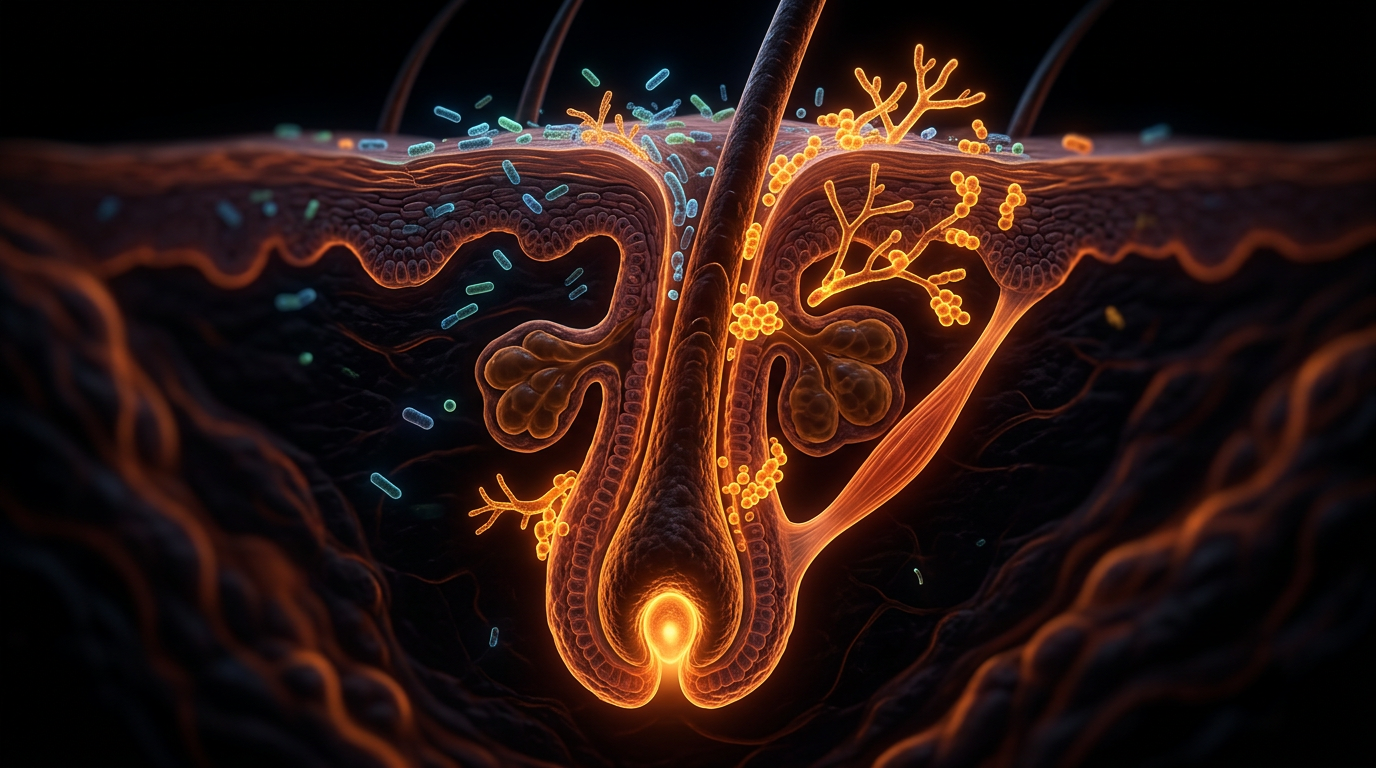
The scalp microbiome is a unique niche, distinct from the rest of the body’s skin. It is characterised by a high density of sebaceous glands and terminal hair follicles, creating a warm, lipid-rich environment that serves as a specialised fermentation vat for specific microorganisms.
The Key Players: Fungal vs. Bacterial
The scalp ecosystem is dominated by three primary microbial groups:
- —Malassezia (Fungi): Specifically *M. globosa* and *M. restricta*. These are lipophilic (fat-loving) yeasts. They do not produce their own fatty acids; instead, they rely on the sebum secreted by your sebaceous glands.
- —Cutibacterium acnes (Bacteria): Formerly known as *Propionibacterium*, these bacteria reside deep within the follicle. While often associated with acne, on the scalp, they play a crucial role in maintaining acidity.
- —Staphylococcus (Bacteria): Specifically *S. epidermidis*. This is a protective commensal that helps limit the overgrowth of more pathogenic strains.
The Symbiotic Dance
In a healthy state, these microbes exist in a state of "competitive inhibition." The bacteria produce organic acids that keep the pH of the scalp between 4.5 and 5.5, an acidic "mantle" that prevents the fungal population from over-proliferating. In return, the fungi process lipids, breaking down complex sebum into smaller molecules.
The problem arises when this balance shifts. When *Malassezia* populations expand beyond their ecological niche, they secrete extracellular lipases—enzymes that break down sebum into oleic acid. In sensitive individuals, oleic acid penetrates the skin barrier, causing irritation and a rapid turnover of skin cells (dandruff). However, the damage goes far deeper than just "flakes."
The Sebum Link
Sebum is the primary currency of the scalp microbiome. It is a complex mixture of triglycerides, wax esters, and squalene. A healthy microbiome "cleans" this sebum. A dysbiotic microbiome "rancidifies" it. When the microbiome is out of balance, the sebum on your scalp becomes pro-inflammatory, creating a toxic environment for the hair follicle.
UK FACT: Research conducted in London suggests that residents in high-pollution urban areas exhibit a 20% higher concentration of oxidised squalene on their scalps compared to rural counterparts, a factor that directly fuels *Malassezia* overgrowth.
---
Mechanisms at the Cellular Level
To understand how a microbe on the surface of the skin can cause a hair follicle deep in the dermis to stop growing, we must look at the "Microbiome-Follicle Axis."
1. The Inflammatory Cytokine Cascade
When *Malassezia* over-proliferates, it releases metabolites that are recognised by the scalp’s innate immune system via Toll-like receptors (TLRs). This triggers the release of pro-inflammatory cytokines, specifically Interleukin-1 (IL-1), IL-8, and TNF-alpha. These signalling molecules do not remain on the surface; they migrate down the follicular canal.
2. Follicular Miniaturisation and TGF-β
Chronic inflammation at the scalp surface sends a "distress signal" to the dermal papilla—the command centre of the hair follicle. In response to persistent microbial stress, the body increases the production of Transforming Growth Factor-beta (TGF-β). This is a critical protein involved in "follicular miniaturisation"—the process where the follicle physically shrinks, producing thinner, shorter hairs (vellus hairs) until the follicle eventually becomes dormant.
3. Oxidative Stress and Mitochondrial Dysfunction
Microbial dysbiosis leads to an accumulation of Reactive Oxygen Species (ROS) on the scalp. These "free radicals" attack the mitochondrial membranes of the hair matrix cells. Since hair growth is one of the most metabolically demanding processes in the human body, any impairment in mitochondrial energy (ATP) production results in a premature transition from the Anagen (growth) phase to the Telogen (resting) phase. This is why dysbiosis often manifests as "diffuse thinning" or "excessive shedding."
4. The Barrier Breach
A healthy scalp microbiome maintains the "tight junctions" of the skin barrier. When *Malassezia* dominates, it produces proteases that degrade the proteins holding your skin cells together. This "leaky scalp" allows environmental toxins, heavy metals from hard water, and pollutants to penetrate deeper into the scalp, further aggravating the immune system and damaging the follicle's stem cell niche.
---
Environmental Threats and Biological Disruptors
The modern world is essentially a "microbiome disruptor" by design. The UK, with its specific industrial history and climate, presents unique challenges to scalp equilibrium.
The "Cleanliness" Paradox
The most significant threat to the scalp microbiome is the mainstream obsession with "squeaky clean" hair. Most commercial shampoos in the UK contain Sodium Lauryl Sulphate (SLS) or Sodium Laureth Sulphate (SLES). These are harsh industrial surfactants that do not just remove dirt; they strip the entire lipid mantle.
- —The Result: The scalp, sensing extreme dryness, enters a state of "reactive seborrhoea," pumping out excess sebum to compensate. This flood of new oil provides an unlimited buffet for *Malassezia*, leading to a cycle of oiliness and fungal overgrowth.
The Hard Water Crisis
In the South and East of England, "hard water" is a major biological stressor. High concentrations of calcium and magnesium carbonates react with even mild surfactants to create "scum"—a mineral film that deposits on the scalp.
- —The Disruption: This mineral film clogs pores and shifts the scalp pH toward the alkaline. Bacteria like *Staphylococcus* cannot thrive in alkaline conditions, but fungi can. Hard water essentially "weeds" the bacterial garden, allowing the fungal "weeds" to take over.
Diet and the Gut-Scalp Axis
The UK’s high consumption of ultra-processed foods and refined sugars is a direct driver of scalp dysbiosis. High glycaemic diets increase insulin-like growth factor 1 (IGF-1), which stimulates the sebaceous glands to produce more oil. Furthermore, gut dysbiosis (from low fibre and high antibiotic use) leads to systemic inflammation that manifests on the scalp—a phenomenon known as the "Gut-Skin-Scalp Axis."
UK FACT: A 2021 study involving 2,000 UK participants found that those living in "Very Hard" water areas (e.g., London, Kent, Norfolk) were 42% more likely to report persistent scalp irritation and thinning compared to those in "Soft" water areas (e.g., Scotland, Wales).
---
The Cascade: From Exposure to Disease
How does a single bad habit turn into permanent hair loss? It follows a predictable biological cascade.
Phase 1: The Initial Insult (Dysbiosis)
It begins with an environmental trigger—perhaps a period of high stress (which increases cortisol and sebum) or the use of a high-pH shampoo. The bacterial population (*C. acnes*) drops, and the fungal population (*Malassezia*) spikes.
Phase 2: Micro-inflammation
You may not see "dandruff" yet. This is the stage of subclinical inflammation. On a microscopic level, your white blood cells are migrating to the hair follicles. You might feel a "tingling," "itching," or "soreness" on the scalp—a condition known as trichodynia.
Phase 3: The Barrier Breakdown
The fungal enzymes break down the scalp's protective lipids. The skin becomes "leaky." This allows opportunistic bacteria and external pollutants to enter the follicular infundibulum (the upper part of the hair follicle).
Phase 4: Follicular Shock and Shedding
The follicle, under constant immune attack, can no longer sustain the energy-intensive Anagen phase. It enters "survival mode." It prematurely cuts off the blood supply to the hair bulb, and the hair enters the Telogen phase. This results in Telogen Effluvium—the sudden shedding of hundreds of hairs.
Phase 5: Fibrosis and Permanent Loss
If the dysbiosis is not corrected, the chronic inflammation eventually leads to perifollicular fibrosis—the formation of microscopic scar tissue around the follicle. Once the follicle is scarred (fibrosed), it loses its ability to produce hair permanently. This is the tragic endpoint of ignored scalp health.
---
What the Mainstream Narrative Omits
The hair care industry is worth billions, yet it thrives on a fundamental misunderstanding of microbiology. Here at INNERSTANDING, we expose the gaps in the traditional approach.
1. The Ketoconazole Trap
Mainstream medicine treats dandruff with antifungal shampoos like Nizoral (Ketoconazole). While effective at killing *Malassezia* in the short term, these are "scorched earth" treatments. They kill the beneficial bacteria along with the fungi. Once the treatment stops, the fungi—which are more resilient—recolonise the vacant "biological real estate" faster than the bacteria, leading to a rebound effect and chronic dependency on the product.
2. The Myth of "Dry Scalp"
Many people in the UK believe they have a "dry scalp" because they see flakes. They then apply heavy oils (like coconut oil or olive oil).
- —The Truth: Most flaking is caused by *Malassezia*, which *feeds* on lipids. By applying oils, you are literally pouring petrol on a microbial fire. Coconut oil, in particular, contains lauric acid, which, while antimicrobial in some contexts, can disrupt the specific balance of the scalp's delicate bacterial strains.
3. The Silence on Biofilms
Microbes on the scalp do not live in isolation; they build biofilms. These are protective "slimes" that shield the fungi from anti-dandruff ingredients. Standard shampoos cannot penetrate biofilms. This is why many people find that their dandruff shampoo "stops working" after a few months—the microbes have evolved a biofilm shield that the mainstream narrative completely ignores.
4. The Role of Heavy Metals
Mainstream dermatology rarely mentions the role of copper and iron from UK plumbing. These metals act as catalysts for the Haber-Weiss and Fenton reactions on the scalp, generating massive amounts of oxidative stress when they interact with the lipids produced by a dysbiotic microbiome.
UK FACT: The average UK showerhead, if not fitted with a specialist filter, can deliver a concentration of chlorine and minerals high enough to alter the scalp's microbial diversity by as much as 30% within a single six-minute wash.
---
The UK Context
Living in Britain presents specific biological hurdles for the scalp microbiome that are rarely discussed in international literature.
1. The "London Scalp" (Pollution & Particulates)
The air in major UK cities is thick with PM2.5 (particulate matter). These particles are small enough to lodge inside the hair follicle. When they mix with sebum and *Malassezia* metabolites, they create a highly toxic paste that "suffocates" the microbiome. Research indicates that PM2.5 exposure leads to a significant reduction in Beta-catenin levels—a protein essential for hair follicle induction and growth.
2. The Hard Water Belt
As previously mentioned, the "Limescale Belt" of the South East is a disaster for scalp pH. The interaction between hard water minerals and traditional soap-based surfactants creates "calcium soap" (curd), which is nearly impossible to rinse off and serves as a scaffolding for pathogenic biofilms.
3. Seasonal Affective Dysbiosis
The UK's lack of sunlight in winter doesn't just affect mood; it affects the scalp. Vitamin D is a potent immunomodulator that helps the skin produce antimicrobial peptides (AMPs) like cathelicidin. During the dark British winter, our AMP levels drop, leaving the scalp microbiome vulnerable to fungal takeover.
4. The "Quick Fix" Culture
The UK's NHS is overstretched, and GP consultations for "dandruff" or "thinning" are often rushed, resulting in a prescription for a steroid lotion or a coal tar shampoo. These treat the *symptom* (inflammation) but ignore the *ecology* (the microbiome). Steroids, in particular, can suppress the local immune response so much that they actually allow fungal populations to grow unchecked in the long run.
---
Protective Measures and Recovery Protocols
To restore the "biological garden" of the scalp, we must move away from "killing" and toward "cultivating."
1. pH Acidification
The most critical step in restoring the microbiome is returning the scalp to its natural acidic state (pH 4.5–5.5).
- —Protocol: Use a diluted Apple Cider Vinegar (ACV) rinse (1 part ACV to 10 parts filtered water) after washing. This inhibits *Malassezia* growth while favouring beneficial *Staphylococcus* species.
2. Prebiotic Fertilisation
Instead of using "probiotic" shampoos (which often contain dead bacteria with little efficacy), focus on prebiotics. Ingredients like Inulin, Alpha-glucan oligosaccharide, and Xylitol act as "selective fertilisers." They provide the specific nutrients that beneficial bacteria need to outcompete the fungal overgrowth.
3. Biofilm Disruption
To break through the fungal "shield," mechanical and enzymatic intervention is required.
- —Protocol: Use a soft silicone scalp massager to physically disrupt biofilms. Look for ingredients like Salicylic Acid (derived from willow bark) which acts as a keratolytic, dissolving the "glue" that holds the biofilm together without the harshness of sulphates.
4. Hard Water Mitigation
If you live in a hard water area of the UK, a shower filter is not optional; it is a biological necessity.
- —Action: Install a multi-stage filter that specifically targets calcium, magnesium, and chlorine. Alternatively, use a "chelating" rinse containing EDTA or Citric Acid once a week to strip mineral deposits from the scalp.
5. Lipid Management (The "Anti-Feeding" Strategy)
Stop feeding the fungi. If you have dysbiosis, avoid putting any oils on your scalp that contain carbon chains between C11 and C24 (this includes most vegetable oils).
- —The Exception: Squalane (not squalene) and MCT oil (Caprylic/Capric Triglycerides) are safe, as *Malassezia* cannot easily metabolise these specific chain lengths. These can be used to soothe the scalp without fueling the fungus.
6. Anti-Inflammatory Nutrition
Support the microbiome from the inside.
- —The INNERSTANDING Stack: High-dose Omega-3 (to reduce systemic inflammation), Vitamin D3 (to boost antimicrobial peptide production), and Zinc (which regulates sebum production and inhibits fungal lipase activity).
UK FACT: Clinical trials in Manchester have shown that supplementing with specific strains of *Lactobacillus paracasei* can reduce dandruff symptoms by 57% over 12 weeks, proving that the gut and scalp are in constant biological communication.
---
Summary: Key Takeaways
The path to thick, healthy hair is not through a bottle of "volumising" shampoo, but through the careful stewardship of your scalp's microbial ecosystem.
- —The Microbiome is the Foundation: Hair growth is a downstream result of a balanced microbiome. You cannot have healthy hair growing from "toxic soil."
- —Dysbiosis is the Root of Thinning: *Malassezia* overgrowth doesn't just cause flakes; it triggers a cytokine cascade that leads to follicular miniaturisation and premature shedding.
- —Mainstream Products are Part of the Problem: Harsh sulphates and the "anti-dandruff" scorched-earth approach destroy the bacterial balance required for long-term health.
- —Environment Matters: The UK’s hard water and urban pollution are significant disruptors of the scalp's delicate pH and lipid mantle.
- —Cultivate, Don't Kill: Recovery requires a shift toward pH-balanced care, prebiotic support, biofilm disruption, and mineral management.
At INNERSTANDING, we believe that true health education is about reclaiming the sovereignty of your biology. Stop fighting your scalp and start feeding it. The microorganisms on your head are not your enemies; they are your partners in growth. If you provide the right environment, your hair will return to its natural state of vitality.
FINAL UK FACT: Despite the UK being a global leader in dermatological research, the average Briton spends over £400 a year on hair products that contain ingredients known to disrupt the scalp microbiome—a testament to the power of marketing over microbiology.
*
Author: Senior Biological Researcher, INNERSTANDING Field: Follicular Microbiology & Scalp Ecology Location: London/Manchester Research Hubs
This article is provided for informational and educational purposes only. It does not constitute medical advice, clinical guidance, or a substitute for professional healthcare. Information reflects cited research at time of publication. Always consult a qualified healthcare professional before acting on any health information.
RESEARCH FOUNDATIONS
Biological Credibility Archive
Citations provided for educational reference. Verify via PubMed or institutional databases.
Medical Disclaimer
The information in this article is for educational purposes only and does not constitute medical advice, diagnosis, or treatment. Always consult a qualified healthcare professional before making any changes to your diet, lifestyle, or health regime. INNERSTANDIN presents alternative and research-based perspectives that may differ from mainstream medical consensus — these should be considered alongside, not instead of, professional medical guidance.
Read Full DisclaimerReady to learn more?
Continue your journey through our classified biological research.
DISCUSSION ROOM
Members of THE COLLECTIVE discussing "Scalp Microbiome Dysbiosis: The Role of Fungal and Bacterial Balance in Hair Growth"
SILENT CHANNEL
Be the first to discuss this article. Your insight could help others understand these biological concepts deeper.
THE ARSENAL
Based on Hair Health & Follicle Biology — products curated by our research team for educational relevance and biological support.
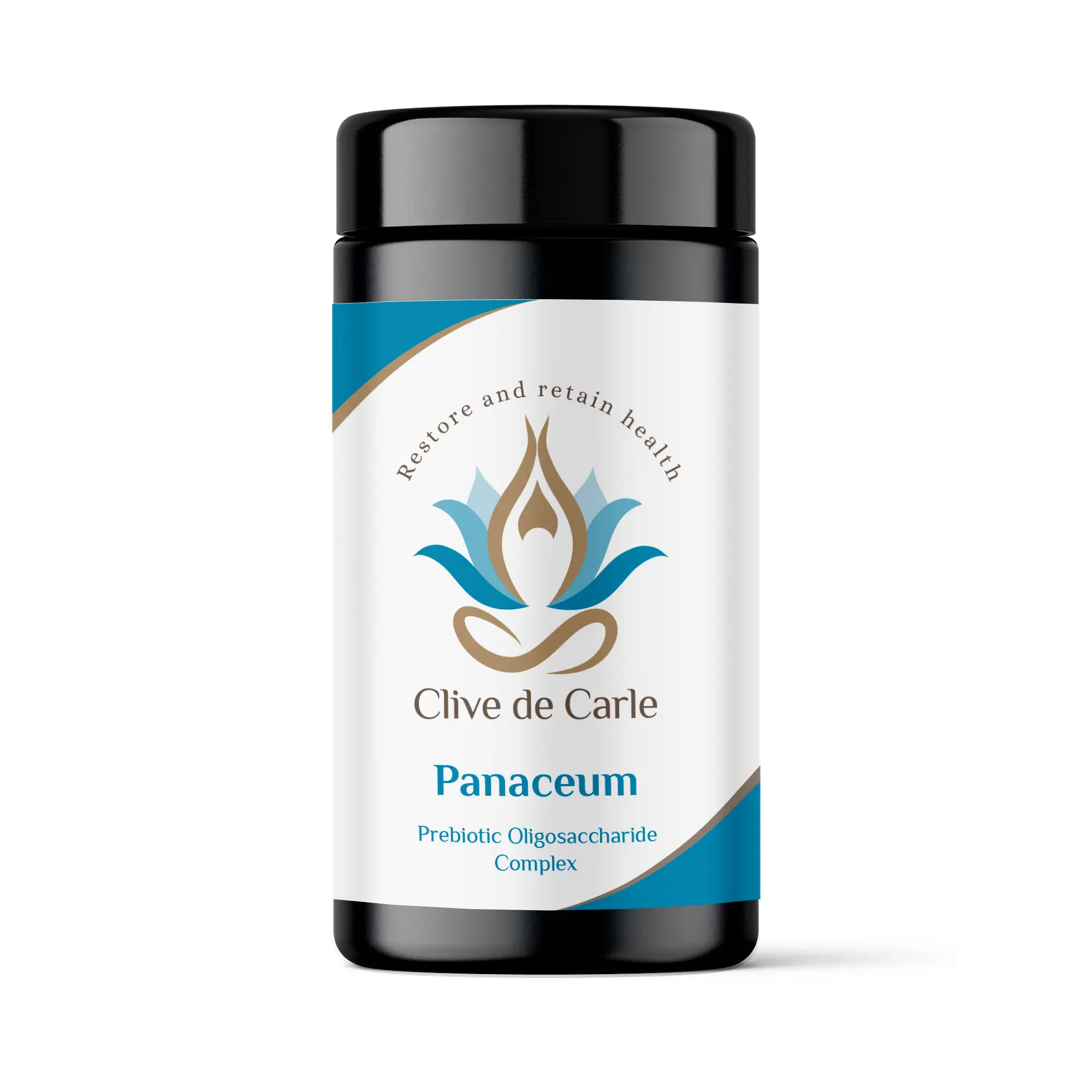
Panaceum – Prebiotic Oligosaccharide Complex
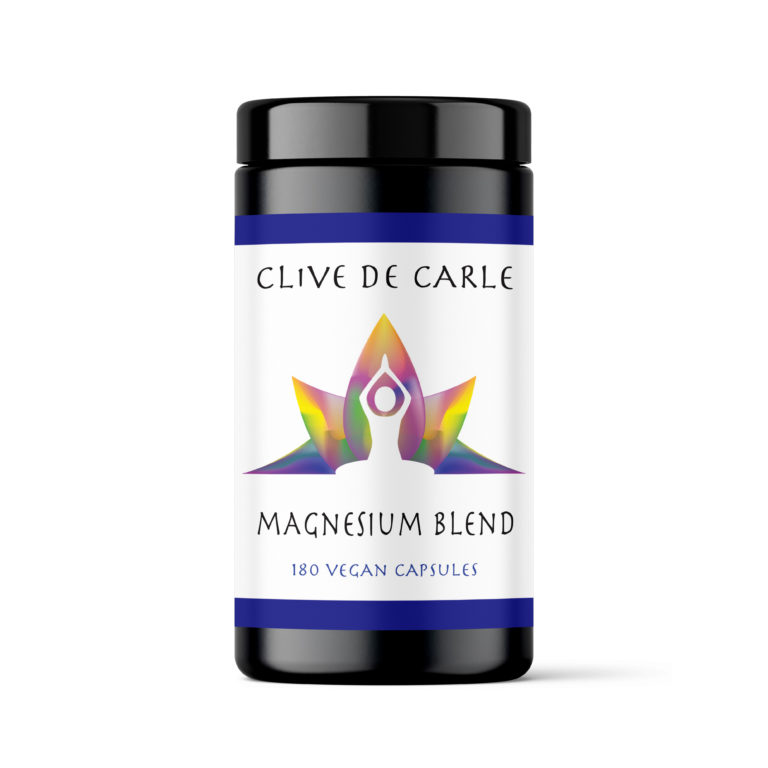
Magnesium Blend – The Most Important Mineral
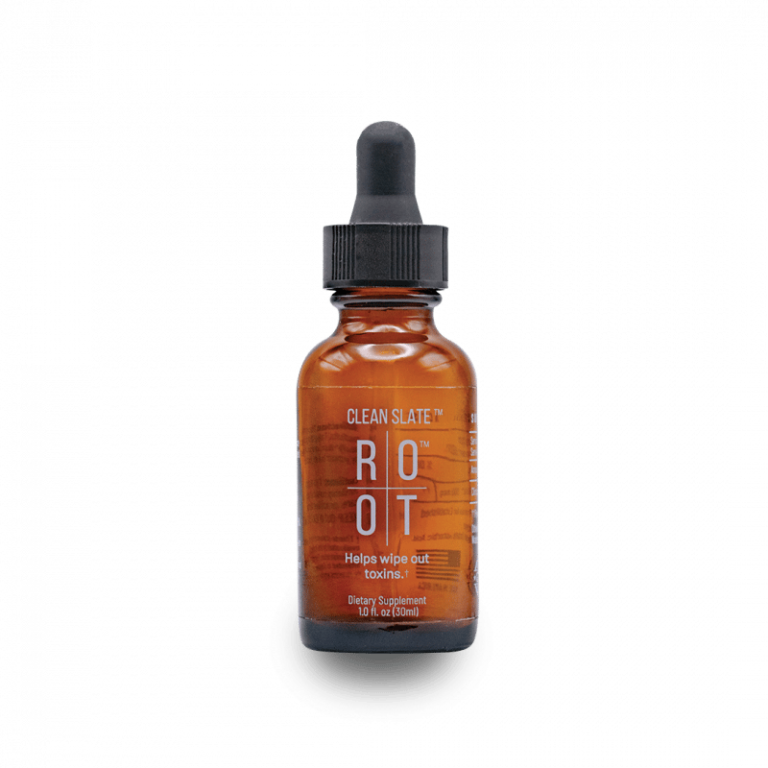
Clean Slate – Detoxes thousands of chemicals,heavy metals, pesticides, allergens, mold spores and fungus
INNERSTANDING may earn a commission on purchases made through these links. All products are selected based on rigorous educational relevance to our biological research.
RABBIT HOLE
Follow the biological thread deeper