
Scar Tissue Bio-Interference
Updated May 2026
Surgical scars and injuries create densified zones that disrupt the body's electrical and mechanical flow. Learn how fascial adhesions act as biological 'dead zones' in the human frame.
Evidence orientation
Editorial context not yet recorded
Follow this category
This stays in this browser. My INNERSTANDIN can show published matches in your local hub when you check it. It does not send email, push, or alert notifications.
Local learning review
A private browser aid for revisiting ideas. It is not an alert or a health recommendation.
Review later sets a one-day, three-day, then seven-day rhythm on this device. Choose it only when you want to revisit this article.
Overview
In the reductionist paradigm of modern allopathic medicine, a scar is frequently viewed as nothing more than a biological "patch"—a successful, if somewhat unsightly, conclusion to the body’s inflammatory response to trauma. Whether the result of a life-saving surgery, a childhood accident, or a routine laparoscopic procedure, scars are traditionally assessed purely on their cosmetic appearance or their ability to hold an incision closed. This perspective is not only limited; it is dangerously incomplete.
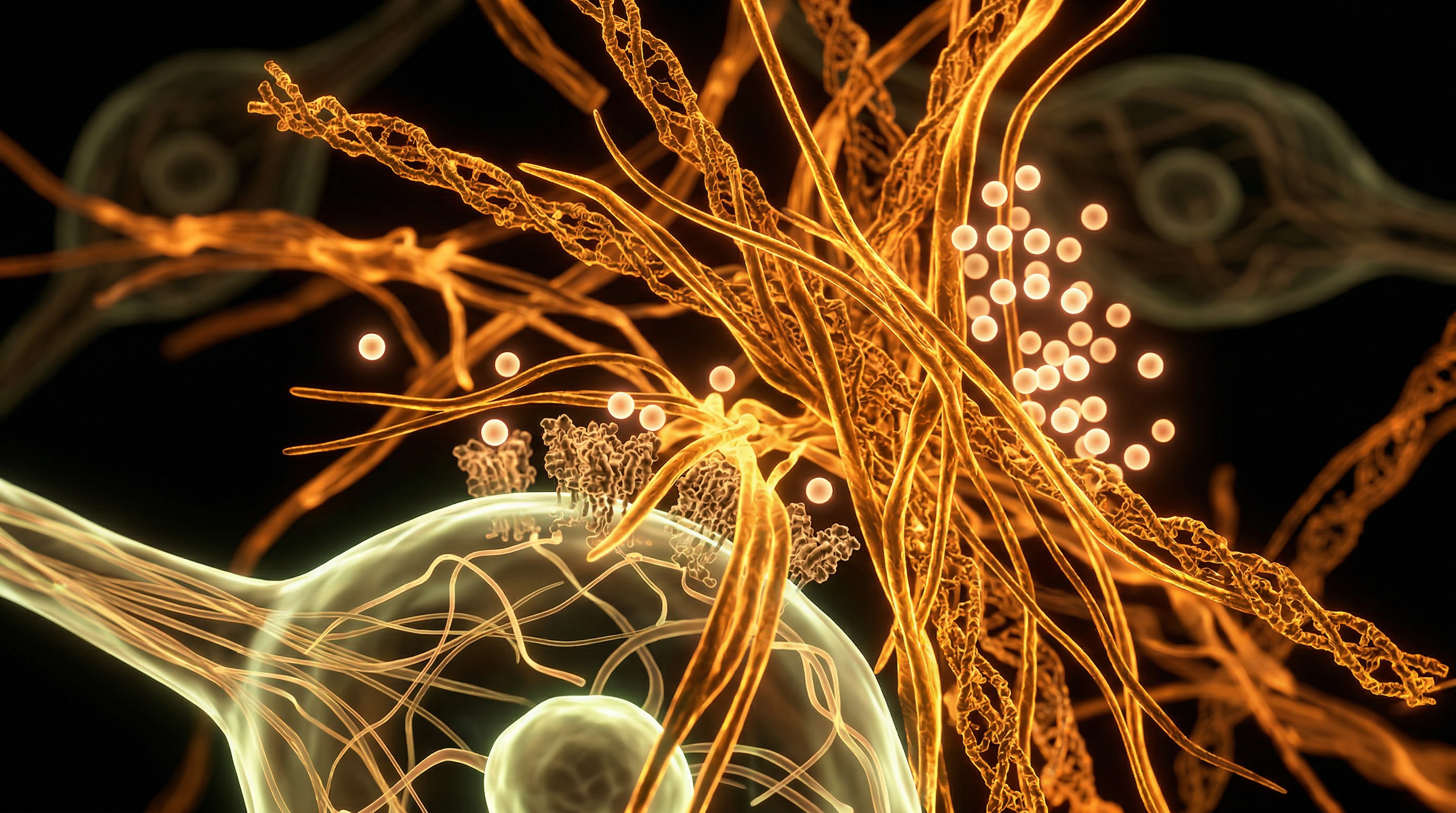
As a senior researcher at INNERSTANDING, I have spent decades investigating the subtle, yet profound, architecture of the human frame. What we have uncovered is a phenomenon we term Scar Tissue Bio-Interference. To understand this, one must first recognise that the human body is not a collection of isolated parts, but a continuous, crystalline, and highly conductive web of fascia. This fascial network is our primary organ of communication, functioning as a liquid-crystal matrix that facilitates the flow of mechanical force, light (biophotons), and bio-electrical signals.
When this matrix is breached by a blade or a blunt force injury, the resulting repair process does not restore the original architecture. Instead, it creates a densified, chaotic, and non-conductive zone. These are the "dead zones" of the human frame. These zones do not merely sit inertly on the skin; they exert a constant, 24-hour-a-day "pull" on the entire system, creating a cascade of structural and energetic dysfunction that can manifest as chronic pain, organ failure, and neurological interference far removed from the site of the original wound.
The purpose of this article is to expose the hidden reality of adhesions and fibrotic tissue. We will move beyond the superficial skin layer and delve into the deep intersections of cellular biology, quantum physics, and bio-electric signalling to reveal how scars act as biological resistors, strangling the vitality of the human organism.
The Biology — How It Works
To comprehend Bio-Interference, we must first master the nature of fascia. Fascia is the connective tissue that envelopes every muscle, bone, nerve, artery, and vein, as well as all of our internal organs. It is composed primarily of collagen fibres, elastin, and a fluid-like ground substance. In its healthy state, fascia is a highly organised, fluid-filled network that allows tissues to glide over one another with zero friction.
The Four Phases of Mismanaged Repair
When an injury occurs, the body initiates a rapid-response repair sequence. While life-saving in the short term, this process is often "sloppy" in its execution:
- Haemostasis: The immediate clotting of blood to prevent exsanguination.
- Inflammation: A chemical storm of cytokines and growth factors meant to clear debris.
- Proliferation: The rapid deployment of fibroblasts to lay down new collagen.
- Remodelling: The long-term attempt to organise that collagen.
The critical failure occurs during the proliferation and remodelling phases. In a healthy state, collagen fibres are laid down in a neat, lattice-like structure that matches the lines of tension in the body. However, during the formation of a scar, the body prioritises speed over precision. Collagen is dumped into the wound site in a "spaghetti-like" fashion—cross-linked, dense, and dehydrated.
The Loss of Tensegrity
The human frame operates on the principle of biotensegrity (biological-tensional-integrity). This means our stability comes from a balance between continuous tension (fascia) and discontinuous compression (bones). A scar acts like a knot in a sweater or a snag in a spiderweb. Because the fascia is a continuous sheet, a dense scar in the lower abdomen (from a C-section or appendectomy) creates a mechanical pull that can reach up to the shoulder or down to the opposite hip.
Key Fact: Research indicates that a single abdominal scar can exert up to 2,000 pounds of pressure per square inch on internal structures, effectively tethering organs to the abdominal wall and restricting their natural motility.
This mechanical "drag" is only the beginning. The densification of the ground substance within the scar leads to hypoxia (lack of oxygen) and the accumulation of metabolic waste, turning the area into a toxic reservoir that the body can no longer effectively flush.
Mechanisms at the Cellular Level
At the microscopic scale, the disruption caused by scar tissue is even more insidious. The primary actors here are the myofibroblasts—specialised cells that possess the ability to contract like muscle cells.
Myofibroblasts and Chronic Contraction
In a normal healing process, myofibroblasts disappear once the wound is closed. However, in cases of chronic bio-interference, these cells remain active indefinitely. They continue to pull on the surrounding tissue, creating a permanent state of "micro-tension." This persistent contraction signals the nervous system that the body is still under threat, keeping the individual in a perpetual state of sympathetic dominance (fight or flight).
Mechanotransduction: The Language of Cells
Cells communicate through a process called mechanotransduction, where physical pressure is converted into chemical signals. The Extracellular Matrix (ECM) acts as the medium for this communication. In healthy tissue, the ECM is a "smart" fluid that transmits signals instantly.
In a scar, the ECM becomes "gelled" or "solidified." This creates a Biological Dead Zone:
- Electrical Impedance: Scars have high electrical resistance. They block the flow of the body’s DC (Direct Current) healing signal, discovered by Dr Robert O. Becker.
- Biophotonic Blockage: The body uses ultra-weak light emissions (biophotons) for intracellular coordination. Dense fibrotic tissue scatters this light, leading to "signal noise."
- Piezoelectric Disruption: Collagen is a piezoelectric material; it generates an electric charge when compressed. Healthy movement keeps our "batteries" charged. Scars, being rigid, fail to generate this charge, leading to local energetic depletion.
The Role of Integrins
Integrins are the bridge between the outside of the cell and the inside. They are transmembrane receptors that "sense" the stiffness of the environment. When a cell is surrounded by hard, scarred tissue, the integrins signal the nucleus to change gene expression. This often triggers a pro-inflammatory state, where the cell begins to produce more fibrotic proteins, creating a self-perpetuating cycle of scarring and hardening known as fibrosis.
Environmental Threats and Biological Disruptors
The formation of dysfunctional scar tissue does not happen in a vacuum. The modern environment contains numerous factors that sabotage the body’s ability to heal cleanly, turning a simple scar into a source of systemic disease.
Nutritional Deficiencies
The synthesis of high-quality, flexible collagen requires specific co-factors: Vitamin C, Zinc, Copper, and Magnesium. In the modern Western diet, these are often deficient. Without them, the body produces "low-grade" collagen that is brittle and prone to excessive cross-linking. Furthermore, the presence of high circulating glucose (hyperglycaemia) leads to the formation of Advanced Glycation End-products (AGEs). These AGEs literally "caramelise" the fascia, making scars much tougher and more resistant to natural remodelling.
The Impact of Non-Native EMFs
Recent research suggests that exposure to non-native electromagnetic fields (from Wi-Fi, mobile towers, and smart devices) interferes with the voltage-gated calcium channels (VGCCs) in our cells. Excess calcium influx into the cell triggers oxidative stress and accelerates the fibrotic process. For someone recovering from surgery, high-EMF environments can significantly increase the "density" and electrical resistance of the resulting scar.
Chemical Toxicity and Bio-Accumulation
Scars act as "sinks" for toxins. Because the lymphatic flow is restricted in scarred areas, heavy metals (such as aluminium and mercury) and fat-soluble toxins tend to accumulate in the densified fascia. This creates a "toxic focal point."
Important Callout: Neural therapy practitioners have observed that injecting a scar with a local anaesthetic (like Procaine) can sometimes trigger an immediate "lightning effect," where systemic symptoms like chronic migraines or back pain disappear instantly. This suggests the scar was holding a "toxic charge" or an "interference field."
Psychological Trauma
The fascia is the primary storage site for emotional trauma. The "armouring" described by Wilhelm Reich is a literal hardening of the connective tissue. When a physical injury is accompanied by emotional shock (as in a violent accident or a frightening medical procedure), the nervous system "locks" the memory of that event into the physical architecture of the scar. This is why many people experience intense emotional releases during deep fascial work.
The Cascade: From Exposure to Disease
How does a scar on the knee lead to digestive issues, or a C-section scar lead to chronic neck pain? The answer lies in the Fascial Continuity Cascade.
The Mechanical Cascade
As mentioned, the fascia is a single, uninterrupted web. A restriction in one area necessitates a compensation elsewhere.
- The Pelvic Floor-Jaw Connection: There is a direct fascial link between the pelvic floor and the masseter muscles of the jaw. Scars from episiotomies or pelvic surgeries frequently manifest as TMJ (jaw) dysfunction years later.
- The Diaphragm Restriction: Abdominal adhesions can "tether" the diaphragm, preventing full respiratory excursions. This leads to shallow breathing, which in turn keeps the body in a state of chronic stress and reduces the oxygenation of all tissues.
The Neurological Cascade: Proprioceptive Noise
The fascia is our most densely innervated sensory organ, containing six times as many sensory receptors as the skin. A scar creates a zone of "proprioceptive noise." The brain receives distorted information about where that part of the body is in space. To compensate, the brain alters movement patterns, leading to joint wear and tear, and eventually, arthritis in areas far from the scar.
The Organ System Cascade (Visceral Adhesions)
This is perhaps the most overlooked aspect of bio-interference. Surgical scars often involve adhesions—bands of scar tissue that bind internal organs together.
- Bowel Obstruction: Post-surgical adhesions are the leading cause of small bowel obstructions in the West.
- Infertility: Adhesions around the fallopian tubes or ovaries can physically block conception.
- Cardiac Strain: Scars from thoracic surgery can create tension on the pericardium, potentially affecting heart rhythm and efficiency.
Statistic: It is estimated that 93% of patients who undergo abdominal surgery develop adhesions, yet less than 5% are ever warned about the long-term systemic consequences of these "internal scars."
What the Mainstream Narrative Omits
The current medical model is built on the "Machine Metaphor"—the idea that you can cut into a body, fix a part, and sew it back up without affecting the whole. This narrative is fundamentally flawed because it ignores the Bio-Field.
The Suppression of the Bio-Field
Mainstream medicine largely ignores the existence of the human bio-field—the electromagnetic blueprint that guides our physical form. Scars are "glitches" in this blueprint. By treating a scar as merely a surface issue, the medical establishment ignores the "interference field" (a term coined by German physicians Huneke and Pischinger). An interference field is a localized area of low electrical potential that sends "misinformation" to the autonomic nervous system.
The "Silent" Epidemic of Laparoscopy
Modern "keyhole" surgery is marketed as being less invasive. While the external scars are small, the internal damage can be significant. Surgeons must pump the abdomen full of CO2 gas (pneumoperitoneum) to create space. This gas acidifies the peritoneal lining, potentially leading to widespread, diffuse adhesions that are far more difficult to treat than a single, clean incision. The mainstream narrative focuses on the small entry point while ignoring the internal "chemical burn" and subsequent fascial densification.
The Neglect of the Lymphatic System
Standard post-operative care rarely involves lymphatic drainage or fascial remodelling. By allowing the "stagnant pools" of lymph to remain around a wound site, the medical system essentially ensures that the scar will become a permanent site of bio-interference. This creates a "revolving door" where patients return years later with "unrelated" chronic conditions that are, in fact, direct consequences of the original surgery.
The UK Context
In the United Kingdom, the approach to scar tissue is heavily dictated by the constraints of the National Health Service (NHS). While the NHS excels at acute trauma care, its "siloed" structure is ill-equipped to handle the systemic nature of fascial adhesions.
The C-Section Surge
The UK has seen a dramatic rise in Caesarean sections, now accounting for approximately 1 in 4 births. In many NHS trusts, there is zero protocol for post-operative scar massage or fascial release. British women are often left with "overhangs" (the shelf effect) and chronic pelvic pain, which are dismissed as "normal" consequences of motherhood. This represents a massive, unaddressed public health crisis involving millions of women with significant bio-interference in their core.
The Lack of Specialist Provision
Within the UK, "Myofascial Release" and "Neural Therapy" are rarely available on the NHS. Patients suffering from the systemic effects of scars are often shuffled between GPs, physiotherapists, and pain clinics, receiving prescriptions for gabapentin or ibuprofen that merely mask the symptoms without addressing the mechanical and electrical "snag" in the fascial web.
The British "Stiff Upper Lip" and Somatisation
There is also a cultural element in the UK where patients are encouraged to "just get on with it." This leads to the long-term suppression of the sensory feedback from scarred areas. Over time, this results in Deafferentation—where the brain effectively "ignores" the scarred part of the body, leading to further postural collapse and a loss of vitality.
Protective Measures and Recovery Protocols
Healing from Bio-Interference requires a multi-dimensional approach that addresses the mechanical, chemical, and energetic aspects of the scar.
1. Manual Interventions: Breaking the Adhesions
- Myofibroblast De-activation: Techniques like Myofascial Release (MFR) and Structural Integration (Rolfing) use slow, sustained pressure to melt the "gelled" ground substance. This allows the fibres to re-align and the myofibroblasts to finally stand down.
- Instrument Assisted Soft Tissue Mobilization (IASTM): Tools (like Gua Sha or Graston) can help "break" the cross-links in the collagen, effectively re-starting the remodelling phase of healing under more controlled conditions.
2. Neural Therapy and Procaine
Originating in Germany, Neural Therapy involves injecting a local anaesthetic (Procaine) into scars. This is not for pain relief, but to "reset" the electrical potential of the cell membranes. Procaine has a high dielectric constant, which helps to "repolarise" the interference field, often resulting in immediate systemic improvements.
3. Nutritional and Chemical Support
- Systemic Enzymes: Taking proteoloytic enzymes (like Serrapeptase or Nattokinase) on an empty stomach can help the body "digest" excess fibrin and scar tissue from the inside out.
- Castor Oil Packs: A traditional British folk remedy backed by modern science. Castor oil contains ricinoleic acid, which penetrates deep into the tissues to stimulate lymphatic flow and soften adhesions.
- Topical Silicon and Vitamin E: High-quality topical applications can help keep the skin layer hydrated, but they must be combined with deep tissue work to affect the underlying fascia.
4. Light and Frequency Therapies
- Red Light Therapy (Photobiomodulation): Using 660nm and 850nm wavelengths can stimulate mitochondrial function within the scar, providing the energy (ATP) required for proper tissue remodelling.
- Microcurrent Therapy: Applying ultra-low level electrical currents that mimic the body’s own healing signals can help bridge the "electrical gap" created by the scar.
5. Conscious Movement and Micro-Stretching
Static stretching is often ineffective for scars. Instead, one must use Pandiculation—the "yawning" type of stretch that cats and dogs do. This engages the nervous system and helps to re-map the scarred area back into the brain’s body-schema.
Callout Fact: It is never too late to treat a scar. Even decades-old surgical scars can be remodelled and their "interference field" neutralised with the correct combination of therapies.
Summary: Key Takeaways
The phenomenon of Scar Tissue Bio-Interference represents a significant blind spot in modern medicine. By understanding that we are "electric beings" held together by a "crystalline web," we can see that no injury is purely local.
- The Fascial Web is Unitary: A scar anywhere is a pull everywhere. The body’s tensegrity ensures that mechanical stress is distributed globally.
- Scars are Dead Zones: They act as electrical resistors, blocking the flow of the DC healing signal and biophotonic communication.
- Adhesions are Internal Scars: They bind organs together, restricting motility and leading to systemic dysfunction that is often misdiagnosed as unrelated disease.
- The Modern Environment Exacerbates Fibrosis: Toxins, EMFs, and poor nutrition turn "simple" scars into densified hubs of interference.
- Recovery is Possible: Through a combination of manual fascial release, neural therapy, systemic enzymes, and conscious movement, the body can "re-liquidise" these zones and restore its original energetic blueprint.
As researchers at INNERSTANDING, we urge a shift in perspective. We must stop seeing scars as badges of "healing" and start seeing them as active, living disruptions that require lifelong management and conscious integration. Only by clearing these "biological dead zones" can the human frame function at its full, vibrant potential. The path to true health lies not in adding more to the system, but in removing the "snags" that prevent the system from healing itself.
This article is provided for informational and educational purposes only. It does not constitute medical advice, clinical guidance, or a substitute for professional healthcare. Information reflects cited research at time of publication. Always consult a qualified healthcare professional before acting on any health information.
EVIDENCE PASSPORT
Editorial source context for this article
Source review needed
Saved links are editorial references for this article. They may support specific claims rather than every sentence. Open and assess each source in context. This passport does not independently verify them.
Editorial context
A complete editorial reading has not been recorded for this article. Source links remain available for you to open and assess directly.
Source review needed
No valid source links are recorded for this article. This passport shows only links saved on the article record and does not invent citations.
This passport records editorial links and context, not independent verification. Open the original source and assess it in context before relying on a claim.
Medical Disclaimer
The information in this article is for educational purposes only and does not constitute medical advice, diagnosis, or treatment. Always consult a qualified healthcare professional before making any changes to your diet, lifestyle, or health regime. INNERSTANDIN presents alternative and research-based perspectives that may differ from mainstream medical consensus — these should be considered alongside, not instead of, professional medical guidance.
Read Full DisclaimerContinue the thread
Keep this question moving.
Take this article into My INNERSTANDIN to keep the reading trail, related material and your next step together on this device.
Dig deeper in the Library
Free, longform PDF volumes that go beyond headlines into mechanisms and references.