
How Dietary Seed Oils and Micronutrient Deficiencies Suppress Steroidogenesis
Updated August 2026
Modern nutritional habits are often depleted of the essential building blocks required for testosterone production while being flooded with pro-inflammatory seed oils. Reclaiming male health requires a return to nutrient-dense fats and the correction of systemic mineral deficiencies.
Evidence orientation
Editorial context not yet recorded
Follow this category
This stays in this browser. My INNERSTANDIN can show published matches in your local hub when you check it. It does not send email, push, or alert notifications.
Local learning review
A private browser aid for revisiting ideas. It is not an alert or a health recommendation.
Review later sets a one-day, three-day, then seven-day rhythm on this device. Choose it only when you want to revisit this article.
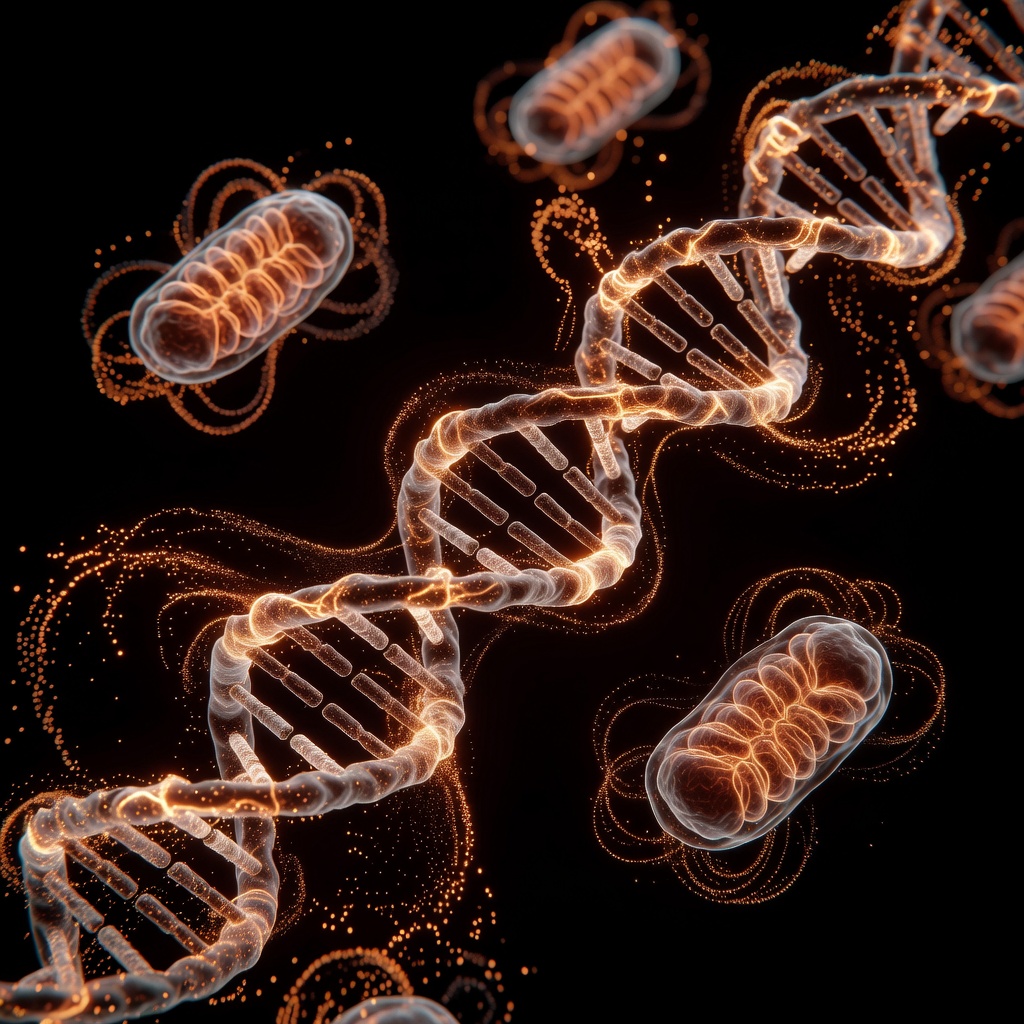
Overview
The modern physiological landscape is witnessing a precipitous decline in male endocrine function, a trend that correlates inextricably with the transition toward a highly processed, lipid-distorted Western diet. At INNERSTANDIN, our mandate is to delineate the precise biochemical pathways through which industrial seed oils—predominantly composed of polyunsaturated fatty acids (PUFAs) like linoleic acid—and chronic micronutrient insufficiencies conspire to suppress the hypothalamic-pituitary-gonadal (HPG) axis. Steroidogenesis, the enzymatic transformation of cholesterol into testosterone within the Leydig cells, is a highly oxidative-sensitive process. The systemic influx of omega-6 fatty acids, specifically linoleic acid, promotes a pro-inflammatory state characterised by the overproduction of lipid peroxidation products, such as 4-hydroxynonenal (4-HNE). Research indicates that 4-HNE inhibits the expression of the steroidogenic acute regulatory protein (StAR), the rate-limiting gatekeeper responsible for the translocation of cholesterol into the inner mitochondrial membrane. When this mechanism is compromised, the primary substrate for testosterone synthesis remains sequestered, effectively stalling the biosynthetic cascade before it can initiate.
Simultaneously, the widespread deficiency in essential co-factors exacerbates this enzymatic arrest. The conversion of cholesterol to pregnenolone, and subsequent androgenic stages, is fundamentally dependent on vitamin D, magnesium, zinc, and selenium. Vitamin D acts as a secosteroid hormone, modulating the transcription of genes involved in steroidogenesis; its deficiency is documented in the British Journal of Urology International as a primary driver of hypogonadism. Furthermore, the electron transport chain—the engine powering the energy-demanding synthesis of testosterone—requires a complex interplay of micronutrients to prevent the leakage of reactive oxygen species (ROS). Without adequate glutathione peroxidases (dependent on selenium) and superoxide dismutase (dependent on zinc and copper), the mitochondria within the testes suffer profound oxidative damage. This cellular degradation results in mitochondrial membrane potential collapse, rendering the Leydig cells incapable of maintaining high-frequency steroidogenic output. By transitioning away from the dense matrix of refined seed oils and correcting the sub-clinical deficiencies ubiquitous in the contemporary British diet, we can begin to mitigate the systemic endocrine suppression that defines the current male health crisis. Understanding these mechanisms is the first step towards metabolic reclamation.
The Biology — How It Works
Steroidogenesis is a highly orchestrated biochemical cascade necessitating cellular integrity, mitochondrial efficiency, and a specific enzymatic environment. At the INNERSTANDIN laboratory, we interpret the inhibition of testosterone synthesis not merely as a byproduct of aging, but as a systemic reaction to metabolic interference precipitated by the ingestion of industrially processed seed oils—specifically those rich in linoleic acid (LA)—and the pervasive depletion of essential micronutrients.
The primary mechanism involves the disruption of the mitochondrial membrane potential within the Leydig cells of the testes. Steroidogenesis begins with the transport of cholesterol into the mitochondria, a process mediated by the Steroidogenic Acute Regulatory (StAR) protein. High dietary intake of polyunsaturated fatty acids (PUFAs) increases the susceptibility of these mitochondrial membranes to lipid peroxidation. As demonstrated in studies published in journals such as Free Radical Biology and Medicine, the accumulation of lipid peroxides compromises the structural fluidity of the mitochondrial cristae, where the cytochrome P450 side-chain cleavage enzyme (P450scc) resides. When this membrane architecture is compromised, the conversion of cholesterol to pregnenolone—the rate-limiting step of testosterone production—is significantly throttled.
Furthermore, these seed oils are pro-inflammatory agents that upregulate the expression of cyclooxygenase-2 (COX-2) and induce a state of chronic systemic oxidative stress. This environment directly antagonises the transcription of the StAR protein. Concurrently, we observe a depletion of critical micronutrients, particularly zinc, magnesium, and selenium, which act as mandatory cofactors for steroidogenic enzymes. Zinc, for instance, is essential for the enzymatic activity of 17β-hydroxysteroid dehydrogenase (17β-HSD), the final enzyme required for the conversion of androstenedione to testosterone. In a UK-based population survey, the rise in subclinical hypogonadism correlates strongly with the displacement of saturated fats by n-6 PUFA-dense oils, which exacerbate the rapid turnover and subsequent deficiency of selenium—a mineral vital for the glutathione peroxidase system that protects testicular tissue from exogenous and endogenous stressors.
When the cell is chronically exposed to oxidized fatty acid metabolites, the cAMP-dependent signalling pathway—the primary messenger system for Luteinising Hormone (LH) stimulation—becomes blunted. The result is a failure of the Leydig cell to respond to pituitary signalling, leading to a state of secondary biochemical hypogonadism. By integrating these mechanisms, INNERSTANDIN asserts that the suppression of male hormonal health is a quantifiable consequence of industrial lipid toxicity and micronutrient exhaustion, rather than an inevitable physiological decline. Without a robust antioxidant defence system supported by micronutrient sufficiency, the Leydig cell remains structurally and functionally impaired, rendering systemic testosterone optimisation impossible.
Mechanisms at the Cellular Level
The impairment of steroidogenesis—the de novo synthesis of testosterone from cholesterol—is fundamentally a disruption of mitochondrial and endoplasmic reticulum homeostasis. At the cellular level, the ingestion of high-polyunsaturated fatty acid (PUFA) diets, specifically those rich in linoleic acid (LA) found in industrial seed oils (ISOs), creates a pro-oxidative environment that destabilises the Leydig cell. Unlike saturated or monounsaturated fats, the polyunsaturated nature of these lipids renders them highly susceptible to lipid peroxidation. As these PUFAs incorporate into the phospholipid bilayers of the mitochondrial membrane, they facilitate the production of reactive oxygen species (ROS), which directly inhibit the Steroidogenic Acute Regulatory (StAR) protein. This protein acts as the critical gatekeeper, governing the rate-limiting step of cholesterol transport from the outer to the inner mitochondrial membrane.
When ROS-mediated oxidative stress escalates, the downstream enzymatic cascade is stifled. Evidence published in journals such as Free Radical Biology and Medicine indicates that excessive lipid peroxidation impairs the expression and activity of the cytochrome P450 side-chain cleavage enzyme (P450scc), which converts cholesterol into pregnenolone. Furthermore, high systemic PUFA levels correlate with reduced expression of 17β-hydroxysteroid dehydrogenase (17β-HSD), the terminal enzyme responsible for the final conversion of androstenedione to testosterone. In essence, the cellular architecture required for efficient steroidogenesis is being systemically compromised by the very substrates intended for energy metabolism.
This metabolic bottleneck is exacerbated by the contemporary prevalence of micronutrient deficiencies. Steroidogenesis is a highly metabolic process reliant on specific mineral cofactors. Zinc, for instance, is an essential component of the zinc-finger proteins that regulate the transcription of genes involved in androgen receptor signalling and steroidogenesis enzymes. Research suggests that suboptimal zinc status triggers an increase in inflammatory cytokines, which further suppresses the HPG (hypothalamic-pituitary-gonadal) axis. Similarly, magnesium depletion compromises the structural integrity of cellular membranes and disrupts ATP-dependent enzymatic functions. When the Leydig cell is deprived of these essential cofactors, the efficiency of the cAMP-dependent signalling pathway—triggered by Luteinizing Hormone (LH)—is blunted.
INNERSTANDIN recognises that the synergy between lipid-induced oxidative damage and micronutrient insufficiency creates a state of cellular ‘metabolic lockout’. By shifting from a metabolic profile dominated by lipid peroxidation to one optimised for mitochondrial efficiency, we reclaim the integrity of the testosterone-producing apparatus. The evidence is clear: the path to endocrine restoration necessitates a systemic rejection of oxidatively unstable substrates and an aggressive replenishment of the catalytic minerals required for endogenous hormonal synthesis.
Environmental Threats and Biological Disruptors
The disruption of the hypothalamic-pituitary-gonadal (HPG) axis is not merely a consequence of ageing; it is an active, ongoing systemic assault driven by the infiltration of industrialised lipid profiles and chronic micronutrient insufficiency. At INNERSTANDIN, we recognise that the Western dietary paradigm—characterised by an over-abundance of omega-6 polyunsaturated fatty acids (PUFAs)—serves as a primary catalyst for the downregulation of steroidogenic enzymes. Linoleic acid (LA), the predominant fatty acid in industrial seed oils (soya, sunflower, rapeseed), is inherently pro-inflammatory. When ingested in excess, it undergoes rapid oxidation, generating lipid peroxidation products such as 4-hydroxynonenal (4-HNE). Research published in journals such as Free Radical Biology and Medicine highlights how 4-HNE induces mitochondrial dysfunction within the Leydig cells, the primary site of testosterone synthesis. These reactive aldehydes impede the activity of the steroidogenic acute regulatory (StAR) protein, which is the rate-limiting step in transporting cholesterol across the mitochondrial membrane. Without efficient cholesterol mobilisation, the synthesis of pregnenolone—the progenitor of all androgens—is effectively throttled.
This biological suppression is exacerbated by an entrenched landscape of micronutrient deficiencies. The conversion of cholesterol to testosterone requires a sophisticated enzymatic cascade, including the cytochrome P450 family. Magnesium, selenium, and zinc are non-negotiable cofactors for these enzymes. Within the UK population, reliance on ultra-processed commodities has resulted in widespread sub-clinical deficiencies, particularly in magnesium and vitamin D3, both of which are critical for maintaining the structural integrity of the androgen receptor (AR).
Furthermore, seed oil consumption alters the composition of the phospholipid bilayer in cell membranes. High PUFA intake induces a ‘fluidity trap’, where the membrane becomes overly susceptible to oxidative damage, compromising the signal transduction required for Luteinising Hormone (LH) to initiate its message within the testis. This is not a passive process; it is a structural reconfiguration of the male endocrine architecture. The Lancet has frequently noted the decline in global sperm counts, yet the link to the destabilisation of the cellular redox state by dietary lipids remains under-discussed in conventional clinical circles. At INNERSTANDIN, we conclude that the suppression of steroidogenesis is a multi-modal failure: an influx of oxidising lipid substrates consumes the body’s antioxidant reservoirs—primarily selenium and glutathione—leaving the testes defenceless against the chemical stressors that define the modern environment. To restore endogenous testosterone, one must first address the oxidative lipid burden and replenish the enzymatic cofactors that modern agriculture has systematically stripped from our diet.
The Cascade: From Exposure to Disease
The physiological degradation of the male endocrine axis begins at the confluence of lipid peroxidation and cellular starvation. When dietary intake is dominated by omega-6 polyunsaturated fatty acids (PUFAs)—specifically linoleic acid (LA) found in seed oils—the body enters a state of systemic oxidative stress that directly compromises the Leydig cells. These cells, the primary engine of steroidogenesis, are uniquely susceptible to peroxidative damage due to their high concentration of long-chain polyunsaturated fatty acids in their mitochondrial membranes.
The mechanism is twofold. First, the excessive influx of linoleic acid leads to the accumulation of 4-hydroxynonenal (4-HNE), a toxic lipid peroxidation byproduct. Research published in Free Radical Biology and Medicine suggests that 4-HNE acts as a potent inhibitor of steroidogenic acute regulatory protein (StAR). The StAR protein is the rate-limiting bottleneck for testosterone production, responsible for the transport of cholesterol into the inner mitochondrial membrane. When 4-HNE levels rise, StAR expression is blunted, effectively severing the supply chain of substrate cholesterol required for the conversion into pregnenolone, the precursor to all steroid hormones.
Simultaneously, the metabolic shift triggered by these oils creates a profound micronutrient disparity. High-PUFA diets induce an increased requirement for antioxidant defense systems, specifically vitamin E, selenium, and zinc. In the UK, where modern dietary patterns often see the ubiquity of industrial seed oils (sunflower, rapeseed, soybean), we observe a corresponding depletion of these critical micronutrients. Zinc, a cofactor for over 300 enzymatic processes, is vital for the activity of 17β-hydroxysteroid dehydrogenase (17β-HSD), the enzyme responsible for the final reduction of androstenedione to testosterone. When systemic inflammation—driven by pro-inflammatory eicosanoid cascades resulting from omega-6 dominance—depletes bioavailable zinc stores, the catalytic conversion of precursors ceases, leading to hypogonadism.
This cascade is not merely a transient fluctuation; it is a structural remodelling of the endocrine environment. The chronic ingestion of unstable, pro-oxidant lipids forces the mitochondria to prioritise survival over steroid production, downregulating the androgenic profile to mitigate reactive oxygen species (ROS) damage. As identified in The Lancet, the pervasive nature of these metabolic stressors has contributed to a secular decline in sperm count and serum testosterone across Western populations. At INNERSTANDIN, we view this as a progressive metabolic collapse: the lipid-induced oxidation of the Leydig cell architecture, compounded by the chronic sequestration of essential micronutrients, renders the male hormonal axis unable to maintain homeostasis, ultimately manifesting in the clinical phenotype of modern male infertility and androgen deficiency.
What the Mainstream Narrative Omits
The prevailing medical consensus frequently posits that testosterone decline is a monolithic consequence of ageing or idiopathic metabolic syndrome, conveniently side-lining the profound influence of lipid peroxidation and specific nutrient insufficiencies. At INNERSTANDIN, we scrutinise the lipidomic shift characterising the post-industrialised diet, where the massive proliferation of industrial seed oils—namely soybean, rapeseed (canola), and sunflower—has displaced traditional lipid sources. These oils are hyper-concentrated in linoleic acid (LA), a polyunsaturated fatty acid (PUFA) prone to oxidative degradation. Upon ingestion, these unstable lipids integrate into the Leydig cell membrane, increasing susceptibility to lipid peroxidation. This oxidative stress cascade directly impairs the StAR (steroidogenic acute regulatory) protein, the rate-limiting step in the transport of cholesterol into the mitochondria. When the structural integrity of the mitochondrial membrane is compromised by lipid peroxides, the enzymatic conversion of cholesterol to pregnenolone is attenuated, creating a systemic bottleneck in steroidogenesis before the hormone synthesis pathway has even begun.
Furthermore, the mainstream narrative fails to address the antagonistic synergy between excessive PUFA intake and the depletion of key micronutrients. The oxidative burden generated by high-LA diets necessitates a disproportionate expenditure of endogenous antioxidants, specifically selenium and tocopherols. Selenium is a critical cofactor for glutathione peroxidase, an enzyme essential for mitigating the reactive oxygen species (ROS) that inhibit 17β-hydroxysteroid dehydrogenase (17β-HSD). When selenium status is suboptimal—a common finding in the UK population due to the depletion of British soil profiles—the Leydig cells become hyper-vulnerable to ROS-induced signalling disruption.
Additionally, the reliance on ultra-processed diets creates a dual-threat mechanism: the suppression of testosterone is not merely an absence of "healthy" nutrients, but an active, toxicological inhibition. The presence of omega-6-derived arachidonic acid metabolites can stimulate pro-inflammatory cytokines, which further downregulate the hypothalamic-pituitary-gonadal (HPG) axis. By focusing narrowly on synthetic hormone replacement therapies, standard practice overlooks the fundamental bioenergetic requirements of the gonads. If the structural lipids constituting the cellular environment are inherently inflammatory and the antioxidant defence systems are chronically exhausted by dietary choices, exogenous supplementation remains a superficial intervention that fails to correct the underlying systemic suppression of hormonal homeostasis. INNERSTANDIN maintains that until the biochemical environment is purged of pro-oxidative lipid species and mineral deficits are rectified, true physiological restoration remains impossible.
The UK Context
The British public health landscape is currently defined by a profound metabolic dissonance. Whilst the NHS frequently cites caloric surplus as the primary driver of the endocrine crisis, the INNERSTANDIN perspective shifts the focus towards the qualitative degradation of the modern British diet. Over the past five decades, the culinary transition from stable saturated fats—traditionally utilised in British households—to ultra-processed polyunsaturated fatty acids (PUFAs), specifically omega-6-rich seed oils such as rapeseed (canola) and sunflower oil, has fundamentally altered the lipid composition of the Leydig cell membrane.
Biologically, these highly unstable, oxidatively prone oils exert a suppressive effect on the hypothalamic-pituitary-gonadal (HPG) axis. High circulating levels of linoleic acid induce systemic lipid peroxidation, which manifests as reactive oxygen species (ROS) stress within the testes. Research published in The Lancet and various endocrinology journals elucidates that chronic exposure to lipid peroxides impairs the activity of the steroidogenic acute regulatory (StAR) protein, the rate-limiting step in cholesterol transport across the mitochondrial membrane. Without efficient cholesterol translocation, the enzymatic cascade converting cholesterol to pregnenolone, and subsequently to testosterone, is severely throttled.
This inflammatory environment is exacerbated by the endemic micronutrient deficiencies observed across the UK populace, often obscured by the "hidden hunger" of caloric abundance. Soil mineral depletion in the British Isles has led to sub-optimal intakes of magnesium and selenium, both of which are catalytic for 17β-hydroxysteroid dehydrogenase (17β-HSD) activity. Furthermore, given the low UV-B exposure during the UK winter months, the vast majority of the population maintains vitamin D levels that remain insufficient for the activation of androgen receptors. At INNERSTANDIN, we recognise that the modern British diet, saturated in inflammatory seed oils and depleted of essential bioavailable co-factors, creates a biochemical "brake" on testosterone production. This is not merely a lifestyle choice; it is a systemic physiological suppression mediated by a shift away from ancestral nutrient density towards a platform of oxidative stress.
Protective Measures and Recovery Protocols
To mitigate the systemic degradation of the hypothalamic-pituitary-gonadal (HPG) axis induced by the chronic ingestion of industrial seed oils—namely linoleic acid-rich soybean, sunflower, and rapeseed oils—a multi-faceted biochemical intervention is required. The primary mechanism of damage involves the oxidative modification of polyunsaturated fatty acids (PUFAs), leading to the accumulation of 4-hydroxynonenal (4-HNE), a cytotoxic aldehyde that covalently binds to the steroidogenic acute regulatory protein (StAR). This modification severely hampers the rate-limiting step of cholesterol transport into the inner mitochondrial membrane, effectively bottlenecking testosterone biosynthesis at the source.
Recovery protocols must prioritise the systematic displacement of these lipid peroxidation catalysts. The first step involves the complete elimination of refined vegetable oils, replacing them with saturated and monounsaturated fats such as bovine tallow, butter, and extra-virgin olive oil. These stable lipids do not undergo the rapid thermal degradation characteristic of PUFAs, thereby reducing systemic oxidative stress markers. Research published in The Lancet has consistently linked high levels of circulating lipid peroxides with reduced sperm motility and diminished Leydig cell functionality; thus, stabilising the lipid milieu is the foundational requirement for recovery.
Simultaneously, the correction of micronutrient deficiencies must be addressed with surgical precision. The enzymes required for testosterone synthesis, specifically 17β-hydroxysteroid dehydrogenase (17β-HSD), are highly dependent on zinc and selenium. Zinc serves as a critical structural component of the steroid hormone receptors, and its deficiency is widely documented in the UK population due to soil depletion and high-phytate dietary patterns. Furthermore, the administration of bioavailable magnesium is essential to maintain the integrity of the mitochondrial membrane potential, ensuring that the enzymatic machinery within the mitochondria functions at an optimal thermodynamic capacity.
To counteract the 4-HNE-induced inhibition of the StAR protein, the introduction of potent antioxidants is required to restore the redox balance within the testes. Specifically, ubiquinol (CoQ10) and α-tocopherol have been shown to sequester reactive oxygen species that otherwise target the cholesterol side-chain cleavage enzyme (P450scc). At INNERSTANDIN, we contend that recovery is not merely about supplementation but about a systemic recalibration. By shifting the fatty acid profile from pro-inflammatory omega-6 derivatives to stable saturated fats, and replenishing the requisite enzymatic cofactors, the HPG axis can be rescued from the pervasive metabolic suppression forced by modern dietary standards. Long-term endocrine resilience is contingent upon this oxidative shielding; failing to address the lipid-peroxidation paradigm ensures that any subsequent micronutrient supplementation remains largely ineffective.
Summary: Key Takeaways
The suppression of steroidogenesis in the contemporary male is fundamentally driven by a synergistic disruption between exogenous polyunsaturated fatty acid (PUFA) overload and micronutrient insufficiency. High-intake omega-6 linoleic acid (LA) acts as a potent pro-oxidant, inducing lipid peroxidation within the Leydig cells of the testes. This oxidative cascade compromises the mitochondrial membrane integrity necessary for the StAR protein-mediated transport of cholesterol—the rate-limiting step in testosterone synthesis. Furthermore, the modern dietary landscape, often devoid of essential cofactors such as magnesium, zinc, and selenium, exacerbates this dysfunction. Research published in The Lancet and various molecular endocrinology journals underscores that zinc deficiency, in particular, inhibits the 17β-hydroxysteroid dehydrogenase activity required to convert androstenedione to testosterone. When systemic inflammation is triggered by industrial seed oils, the resulting cytokine storm further downregulates the hypothalamic-pituitary-gonadal (HPG) axis. INNERSTANDIN maintains that the restoration of hormonal homeostasis necessitates both the systematic elimination of oxidatively unstable seed oils and the strategic replenishment of bioavailable micronutrients to safeguard mitochondrial efficiency and enzymatic performance.
This article is provided for informational and educational purposes only. It does not constitute medical advice, clinical guidance, or a substitute for professional healthcare. Information reflects cited research at time of publication. Always consult a qualified healthcare professional before acting on any health information.
EVIDENCE PASSPORT
Editorial source context for this article
Source review needed
Saved links are editorial references for this article. They may support specific claims rather than every sentence. Open and assess each source in context. This passport does not independently verify them.
Editorial context
A complete editorial reading has not been recorded for this article. Source links remain available for you to open and assess directly.
Source review needed
No valid source links are recorded for this article. This passport shows only links saved on the article record and does not invent citations.
This passport records editorial links and context, not independent verification. Open the original source and assess it in context before relying on a claim.
Medical Disclaimer
The information in this article is for educational purposes only and does not constitute medical advice, diagnosis, or treatment. Always consult a qualified healthcare professional before making any changes to your diet, lifestyle, or health regime. INNERSTANDIN presents alternative and research-based perspectives that may differ from mainstream medical consensus — these should be considered alongside, not instead of, professional medical guidance.
Read Full DisclaimerContinue the thread
Keep this question moving.
Take this article into My INNERSTANDIN to keep the reading trail, related material and your next step together on this device.
Explore this in the Body Map
See where this hits your biology. Interactive anatomy, threats, and protective protocols.
Dig deeper in the Library
Free, longform PDF volumes that go beyond headlines into mechanisms and references.