Sirtuin Signaling and NAD+ Depletion: A Metabolic Root-Cause Analysis of Accelerated Cellular Aging
Discuss this resourceUpdated August 2026
An in-depth investigation into how the decline of NAD+ levels compromises Sirtuin activity, leading to systemic metabolic dysfunction and the acceleration of biological aging.
Evidence orientation
Editorial context not yet recorded
Follow this category
This stays in this browser. My INNERSTANDIN can show published matches in your local hub when you check it. It does not send email, push, or alert notifications.
Local learning review
A private browser aid for revisiting ideas. It is not an alert or a health recommendation.
Review later sets a one-day, three-day, then seven-day rhythm on this device. Choose it only when you want to revisit this article.

At the frontier of longevity science, the conversation has shifted from symptom management to the granular root causes of cellular decay. Central to this inquiry is the interplay between Nicotinamide Adenine Dinucleotide (NAD+) and the Sirtuin family of proteins. When these two fundamental biological components fall out of sync, the result is accelerated cellular aging.
The Role of NAD+ as a Biological Currency
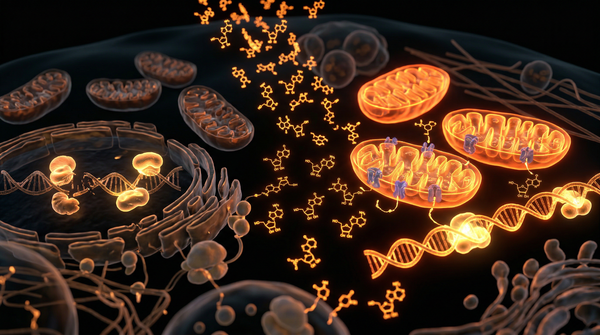
NAD+ is not merely a coenzyme; it is a critical signaling molecule essential for energy metabolism, DNA repair, and gene expression. Every cell in the human body relies on NAD+ to facilitate the conversion of nutrients into Adenosine Triphosphate (ATP). Without sufficient pools of NAD+, the metabolic fires that power cellular function begin to dim, leading to a state of chronic cellular fatigue.
Sirtuins: The Guardians of the Genome
Sirtuins are a family of seven NAD+-dependent deacetylases (SIRT1-SIRT7). They function as the 'governors' of cellular health, regulating mitochondrial biogenesis, oxidative stress responses, and genomic stability. Because Sirtuins are NAD+-dependent, their activity is inextricably linked to the availability of NAD+. When NAD+ levels are high, Sirtuins are hyper-vigilant, actively repairing DNA breaks and maintaining epigenetic integrity. However, when NAD+ levels drop—a hallmark of the aging process—Sirtuins lose their ability to police the genome.
The Root-Cause Mechanism: Competition for NAD+
As we age, a primary driver of NAD+ depletion is the over-activation of PARP (poly-ADP-ribose polymerase). PARP is responsible for repairing DNA damage; however, in the presence of chronic inflammation and genomic instability, PARP becomes hyperactive, consuming massive amounts of NAD+. This creates a competitive drain, starving the Sirtuins of the fuel they need to maintain healthy cellular architecture. This 'NAD+ sink' phenomenon results in a vicious cycle: DNA damage causes NAD+ depletion, which deactivates Sirtuins, which in turn leads to further DNA damage.
Implications for Metabolic Health
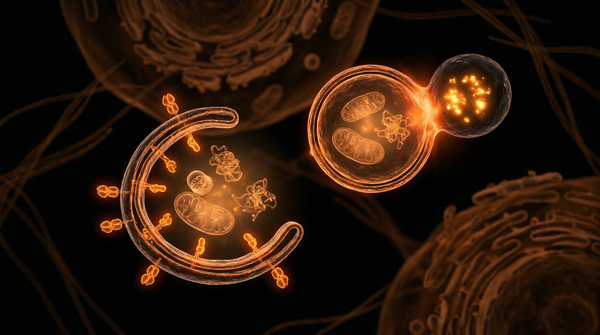
When Sirtuin signaling is compromised, the mitochondria—our cellular powerhouses—begin to malfunction. We observe a decline in mitophagy (the recycling of damaged mitochondria), leading to an accumulation of dysfunctional organelles. This manifests systemically as metabolic syndrome, insulin resistance, and a decline in cognitive acuity. By addressing the NAD+ deficit, we are not simply providing a supplement; we are attempting to restore the master control switch of metabolic homeostasis.
Conclusion: Moving Toward Restoration
Understanding the nexus of NAD+ and Sirtuins allows us to view aging through a mechanical lens. It is not an inevitable decay but a regulatory failure. Future interventions in longevity medicine are increasingly focused on boosting NAD+ biosynthesis while simultaneously inhibiting the non-essential consumption of this molecule, thereby re-empowering the Sirtuins to safeguard our genetic blueprint.
This article is provided for informational and educational purposes only. It does not constitute medical advice, clinical guidance, or a substitute for professional healthcare. Information reflects cited research at time of publication. Always consult a qualified healthcare professional before acting on any health information.
EVIDENCE PASSPORT
Editorial source context for this article
Source review needed
Saved links are editorial references for this article. They may support specific claims rather than every sentence. Open and assess each source in context. This passport does not independently verify them.
Editorial context
A complete editorial reading has not been recorded for this article, and no source links are saved on its record.
Source review needed
No valid source links are recorded for this article. Supplementary research, where available, is listed separately below.
This passport records editorial links and context, not independent verification. Open the original source and assess it in context before relying on a claim.
Medical Disclaimer
The information in this article is for educational purposes only and does not constitute medical advice, diagnosis, or treatment. Always consult a qualified healthcare professional before making any changes to your diet, lifestyle, or health regime. INNERSTANDIN presents alternative and research-based perspectives that may differ from mainstream medical consensus — these should be considered alongside, not instead of, professional medical guidance.
Read Full DisclaimerContinue the thread
Keep this question moving.
Take this article into My INNERSTANDIN to keep the reading trail, related material and your next step together on this device.
RABBIT HOLE
Follow the biological thread deeper